A Loving Case by a Young Lebanese
A young member of the Lebanese diaspora returns to Beirut for university and discovers a dual identity — part citizen, part tourist, wholly in love.

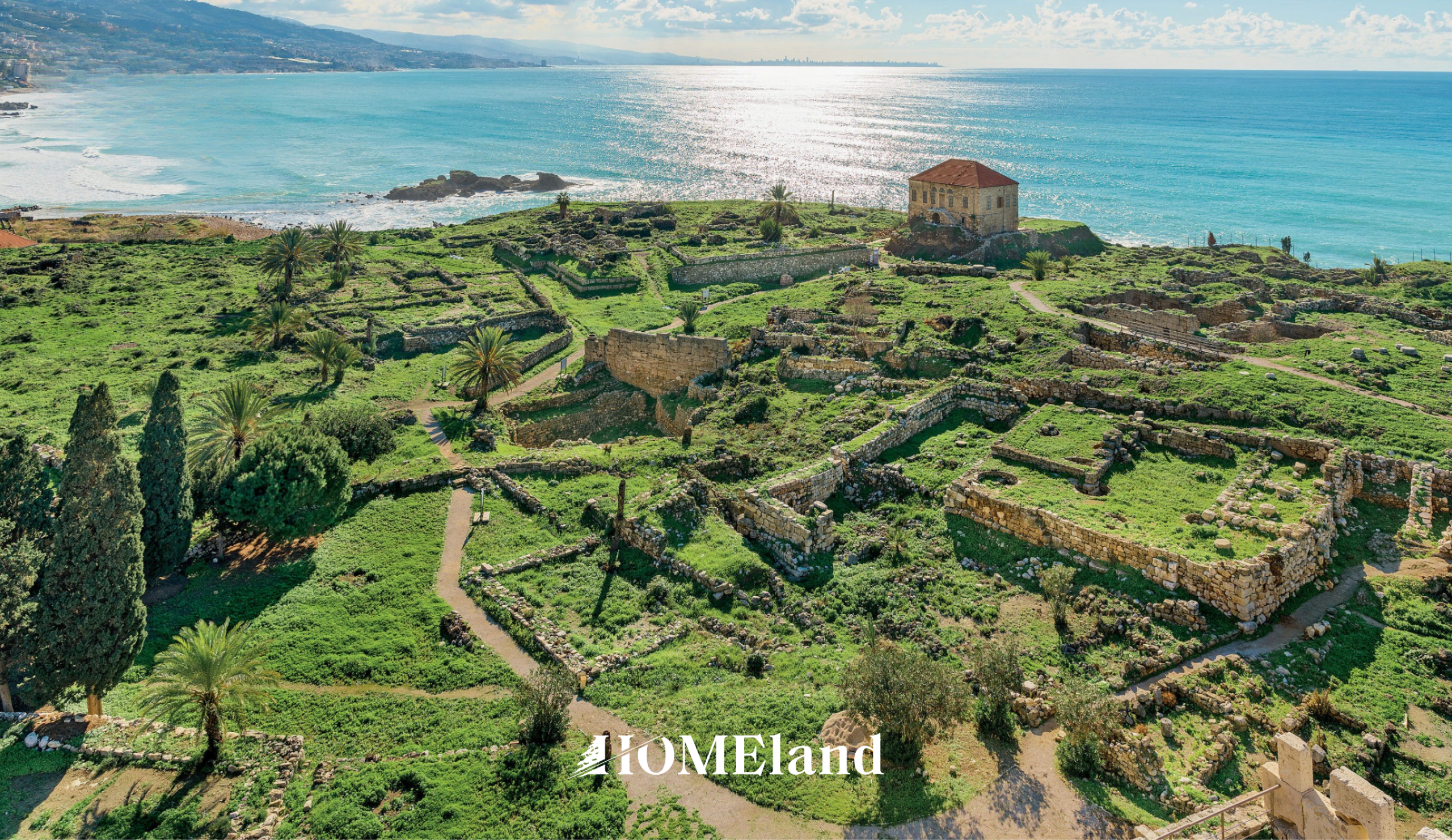
I spent the first decade and a half of my life on the move — rather typical of a Lebanese expat. Born outside of Lebanon, I grew up in Mediterranean coastal countries and the Persian Gulf. My mum’s take on things was: If Dad needed to move for work, we went with him. Bottom line: Family was much more important than comfort. For us kids, that meant this way of living became almost normal.
Up until age 10, being Lebanese meant summers in the village, riding our bicycles, visiting our grandparents, eating mankousheh, and drinking Bonjus. Every summer was spent in Lebanon until the war of July 2006, after which our visits started to diminish. As a young boy, I began to identify with my country … but from afar. I identified with much admiration and longing but also with dread that came with facing the instability and danger of car bombs and terror that filled the TV channels, radios and newspapers. Since Lebanon did not feature in my parents’ future relocation plans, it naturally did not appear in mine either.
A few years later, the frequency of our visits increased yet again. Why? Because there is something about Lebanon.
Something in its lack of structure, chaotic economy, and its indomitable spirit that keeps us all coming back. There is a sense of belonging. At 14, I visited my cousins who were students at the American University of Beirut (AUB). This was my first experience seeing what life was like in Beirut — the heart of it all — which is when I began to long for life in my country. I had to be here; it just felt right. That special quality about Lebanon grew stronger until one day, that enchanted, historic and unique country found its place in my future.
“Although I seemed no different than my fellow classmates, I felt as though I had a dual identity, that of a citizen and a tourist.”
In Spring 2015, I received my college acceptance to AUB; my dream of living in Lebanon was finally coming true! Although my mother held onto concerns about the country’s volatility, everyone in the family was happy that I had returned and that I was going to experience the “Ras Beirut” university life as they all had once. I was, however, faced with a rather unusual dilemma. Although I seemed no different than my fellow classmates, I felt as though I had a dual identity, that of a citizen and a tourist.
I remember asking my friends about their university experiences worldwide. None seemed to match mine. I remember my father telling me that the friends I would make at university would be friends for life, and what I learn outside the classroom would be even more valuable than all the knowledge that had been drilled into me. Thanks Dad, you were right. I remember my aunt’s nostalgic meandering about how the best time she ever had was during her college life in Beirut, despite the war. She, too, was right.
To my surprise, the most frequently asked question to me was “Why did you choose to come back?” It seemed as though people that grew up here did not like it and could not fathom why I would willingly choose to come back. I then realized that, as an expat, I held an advantage: I had the best of both worlds. My classmates knew Lebanon only as citizens and carried the unfortunate baggage that they grew up with, as well as everyday realities of corruption, deceit, exhaustion, despair, and collective loss of hope following the war. The expat community, for the most part, did not immediately relate — at least I didn’t. We had not lived everyday life, listened to the daily grievances, nor wrestled with the ritualistic complaints that appears to be a hallmark of life here. Notwithstanding the overall malaise, everyone seemed to be happy to be back.
“Teta held the key treasure trove of love that Lebanon can be.”
Moving in with my grandmother was, in retrospect, one of the best parts of my unique Beiruti experience. My teta and I became best friends. Her love nurtured me and taught me to appreciate the vitality of youth, the value of experience and the wisdom of age. May her soul rest in eternal peace. By her side, I learned to value Lebanon, and to kindle a desire in me to help my country. Teta held the key treasure trove of love that Lebanon can be. Robert Fisk had many contrasting insights about Lebanon. In Pity the Nation, he spoke, among other things, about the oppressive and damp heat, the unkempt palm trees and fruit stalls, and the over-spiced meat unique to Lebanon. But I preferred French writer Alphonse de Lamartine’s dictum “The cedars know the history of the earth better than history itself.”
I soon found myself investing my time to better understand how to improve things in Lebanon, within my abilities, one step at a time. I am not blind to the absence of adequate socioeconomic infrastructure and a healthy political life. But that is not all that makes Lebanon. It’s the people that do. It’s the opportunities that live in hidden buildings and corners and that special quality to it that no one seems to be able to put in words.
“The cedars know the history of the earth better than history itself.”
Alphonse de Lamartine’s dictum
But nothing saddened me more than discovering this rich pool of intellectuals and brilliant young minds — all leaving the country for better opportunities abroad. How despairing for the youth to emigrate in waves to other lands for other opportunities and other dreams yet always yearning to return to the HOMEland: I, too, am a byproduct of this migratory disease.
I admire my country to the bone, yet I worry about its future. By leaving, would we not affect its chances of getting better? Or, far worse, would we be enabling its troubled future? Who’s going to make sure there even will be a Lebanon when the time comes for my kid to ride his bike during his summer days in the village? We must not lose sight of the prospects ahead of Lebanon even though they may be difficult, and we must not cease to strive for Lebanon from within or without.
“كلنا للوطن” . [All of us for our country]
 Signature Boutique