Bringing Alsace to Lebanon: Sunday Family Lunch From Missouri
An Alsatian architect married to a Lebanese man built an association bringing Choucroute Night, Christmas markets, and Baeckeoffe to Lebanon.

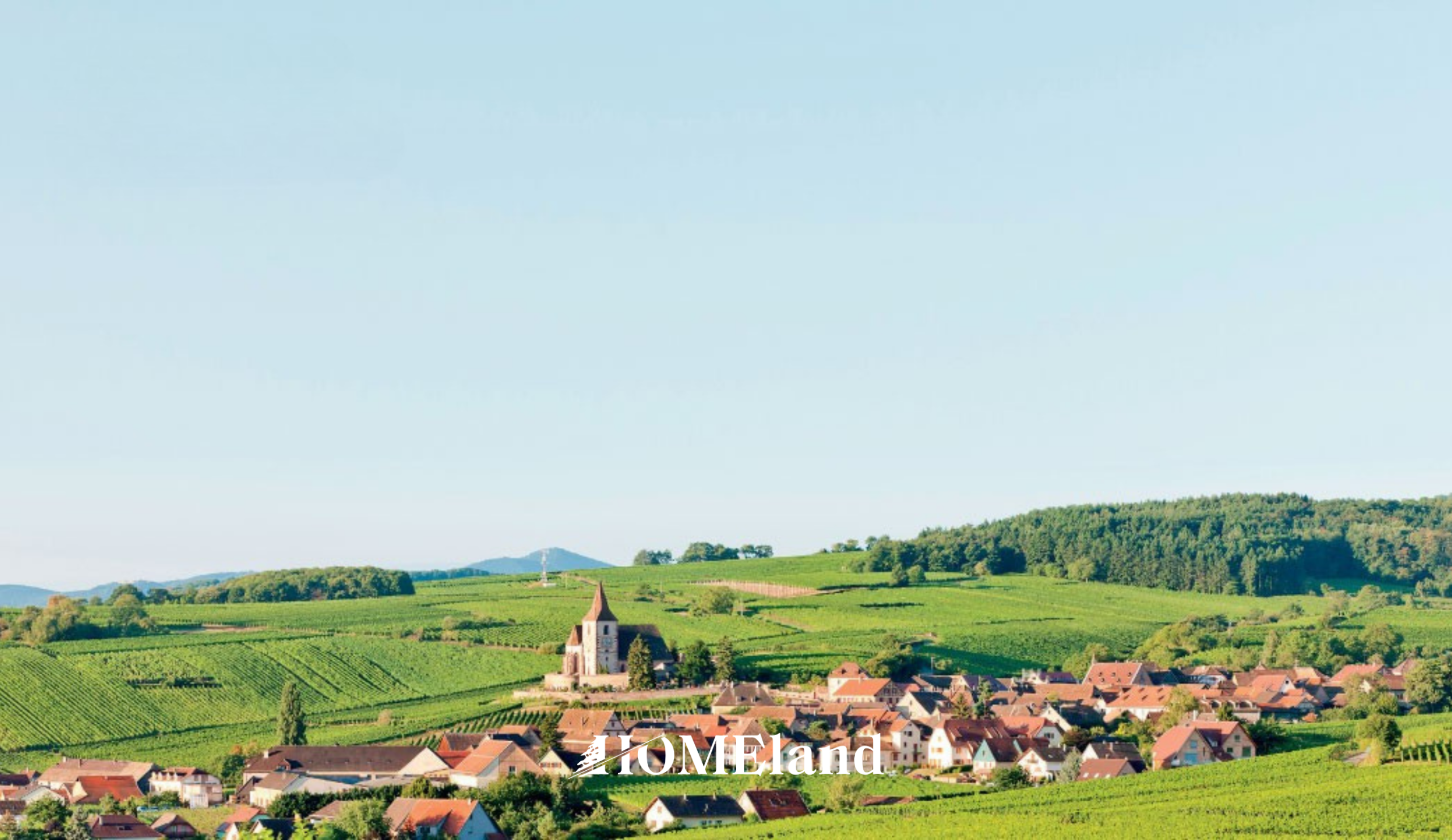
Besides their gorgeous mountainous landscapes, renowned wine routes and rich cultural heritage, Lebanon and France’s historical northeastern region of Alsace share the same convivial spirit and unquenchable love for life.
Article by: Christina Fakhry
With 80,000 Alsatian expats scattered across the world today, those residing in Lebanon have come to establish their own association, affiliated directly with the International Union of Alsatians, which aims to promote the distinctive culture, geographical beauty and generous heritage of the Alsace region.
HOME sat down with Alexandra Baduy, Founder and President of the association dubbed Association des Alsaciens et Amis de l’Alsace au Liban (Alsatians and Friends of Alsace Association in Lebanon), to get a closer look at its principal mission and scope of activity across Lebanon.
An architect by training and artist/ painter by profession, Baduy is an Alsatian who has been living in Lebanon with her Lebanese husband and their three children for over 15 years. Throughout her stay, she has crossed paths with a number of fellow Alsatian expats and Lebanese-Alsatians, and the group started getting together on a regular basis.
“Following our frequent meetups, the union asked us to create an association for Alsatians and friends of Alsace in Lebanon and we said yes to the opportunity and proceeded with all the needed paperwork,” Baduy explained. “It was a rigorous procedure that took us around two years to complete in full.”
Since then, the organization, which boasts 30 core members and more than 150 sympathizers, has been active on multiple fronts, creating a large network for Alsatians in Lebanon, shedding light on Alsatian culture through multiple annual events and helping out a number of NGOs. “Although of prime importance, bringing Alsatians together is not our principal goal,” Baduy noted. “Besides being a hub for universities, medicine and scientific research, the Alsace region has a rich palette of cultural, culinary and educational traditions that we would love to share with the Lebanese people.
 An Array of Tradition-Flavored Activities
The association’s activities extend over the entire year. “In December, we take part in the French Institute’s annual Marché de Noël (Christmas Market) and celebrate St Nicholas traditions. All proceeds from the market go to charitable children’s organizations from different areas in Lebanon,” Baduy told HOME. Between February and March, the association holds its annual Soirée Choucroute (Choucroute Night), named after one of Alsace’s most famous sausage-and-charcuterie-based traditional recipes. This year, the event, which took place in Villa Sursock, brought together over 170 people.
“And in April, we take our Baeckeoffe tradition, a famous Alsatian casserole traditionally prepared after church service on Sundays using sliced potatoes and a variety of wine-marinated meat, to the Bekaa valley for our annual get-together at the Khoury vineyard, which belongs to one of our members, born to an Alsatian mother and Lebanese father,” Baduy added.
Baduy also travels to her HOMEland every August to take part in the International Union’s annual meeting, where Presidents and Delegates of Alsatian associations from around the globe get together to look back at their activity and discuss future opportunities.
According to Baduy, Lebanon and Alsace share many similarities. “Lebanese and Alsatians share the same joy of living, they are bons vivants who enjoy getting together to eat, drink and have fun but are also open to the world surrounding them and love to travel and explore,” she explained.
“Despite having a small geographical surface, both regions are located in strategic positions, Alsace being in the heart of Europe and Lebanon in the heart of the Middle East, and filled with natural and historical wonders. Building upon these similarities, the association hopes to “bring a little piece of Alsace to Lebanon” and invite Lebanese citizens and other expats residing in Lebanon to discover it. “Everyone is welcome to participate in our activities, all they have to do is send us their contacts and we will make sure to get in touch with them to update them on our latest events,” Baduy told HOME.
Baduy continues to juggle her roles as mother, artist and president of the association today. Her artistic work has recently appeared in a special book showcasing notable Alsatians around the world titled Alsatiens dans le monde: 100 parcours remarquables (“Alsatians around the world: 100 remarkable journeys”), which was published in 2016 on the occasion of the international union’s 35th anniversary, and she is currently working towards establishing her own art school in Jounieh.
For more info: www.alsacemonde.org
Facebook: Association des Alsaciens et Amis de l’Alsace au Liban
 Signature Boutique