
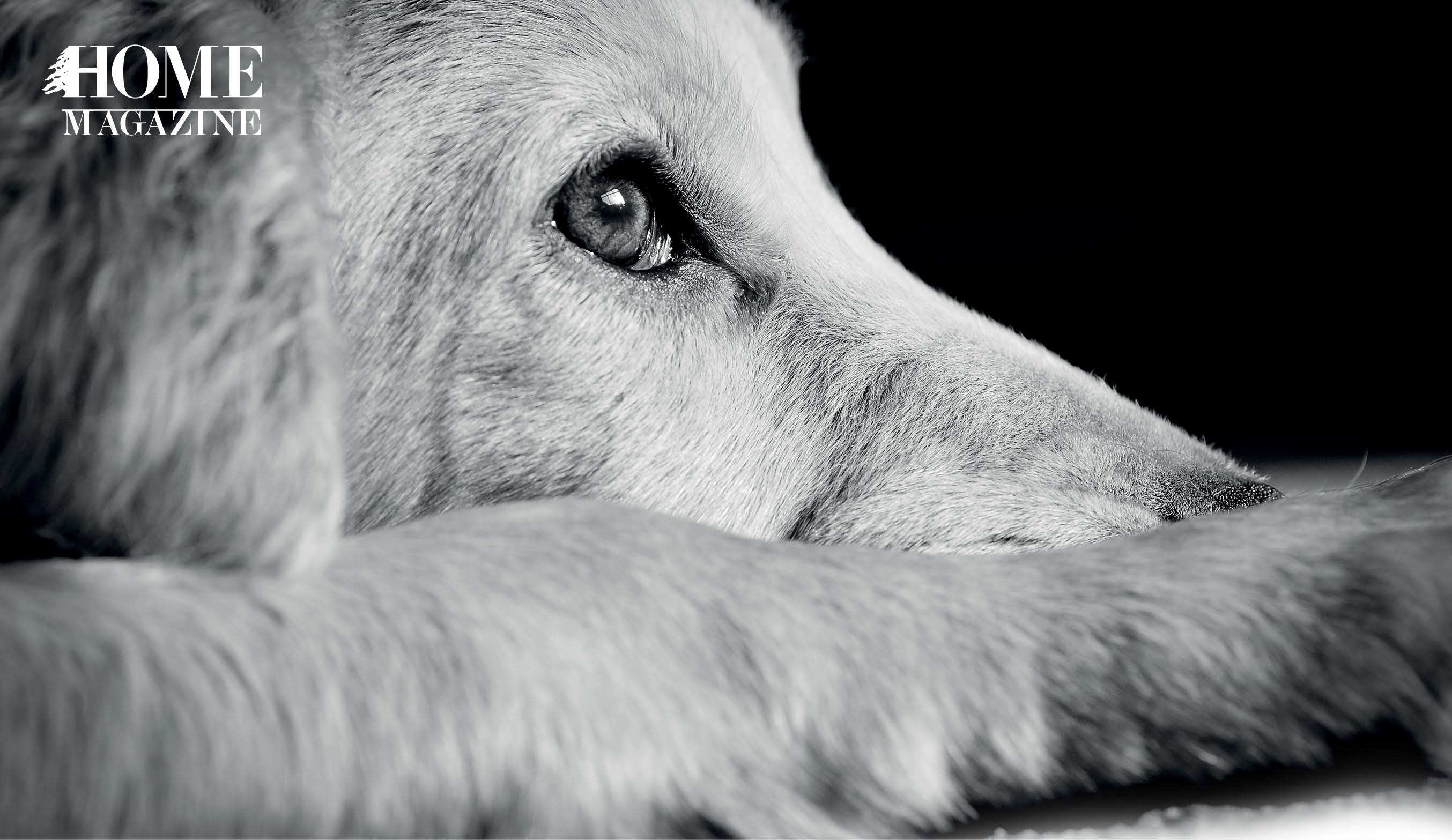
How one of the most recognized animal welfare organizations in the Middle East is giving a voice to the voiceless.
HOME to more than six million people, Lebanon is also HOME to wildlife and house pets. Animals are sentient beings. They experience and feel love, happiness, pain and suffering, just like we do. Animal welfare organizations like Animals Lebanon were created to give animals a voice, to protect their wellbeing and to educate and inspire the public to care about them too. This organization’s vision is a Lebanon in which all animals are free from cruelty and abuse.
Animals Lebanon was founded in 2008 by a group of young, passionate and determined individuals wanting to make Lebanon a better place for animals. They recognized that when the welfare of animals improves, great things can happen for the country. Five people turned an idea and a $500 investment into what is now one of the most recognized animal welfare organizations in Lebanon and the Middle East.
Animals Lebanon President and Vice President Lana el-Khalil and Maggie Shaarawi, respectively, are two of the founders who have remained active board members over the last 10 years.
Animals Lebanon has been awarded for the breadth and impact of its work— joining international conventions, fighting the trafficking of endangered species, closing zoos and circuses, rescuing thousands of animals and responding to tens of thousands of requests for help every year. Most significantly, they drafted the Animal Protection and Welfare Law and lobbied all levels of government to see it come into force in 2017, protecting all animals now and for years to come.
The law
The current version of the law is the result of a collaboration between Animals Lebanon and the Ministry of Agriculture. The World Organization for Animal Health (OIE), the Convention on International Trade in Endangered Species (CITES), the Technical Assistance and Information Exchange of the European Commission (TAIEX), international animal welfare organizations and experts, as well as many organizations, officials and individuals in Lebanon also contributed to the campaign and the text of the law.
“Eleven chapters and 30 articles lay out the definitions, purpose, requirements for establishments, general conditions for anyone handling animals, specific requirements for different types of establishments, and sanctions and penalties. The law is specific but flexible enough to be effective as our understanding of animal welfare improves and the conditions for animals in Lebanon changes,” says Animals Lebanon Executive Director Jason Mier. For seven years, the organization’s team worked tirelessly on this law, researching, drafting, campaigning and attending meetings with council members and government officials.
Law extract
Article 2: The purpose of this law is to ensure the protection and welfare of live animals and regulate establishments which handle or use such animals, such as CITES and OIE, in compliance with the related international conventions and regulations.
The World Organization for Animal Health (OIE) is an intergovernmental organization in charge of improving animal health on a global scale. It currently includes 182 member countries including Lebanon. Lebanon is also a member of the Convention on International Trade in Endangered Species (CITES), an agreement between international governments regulating the trade of wild animals and plants with the aim of ensuring their survival.

Animal: A multicellular organism of the Kingdom Animalia including all mammals, birds, reptiles, amphibians and fish.
“The most difficult aspect was to carry out such an important project over such a long time, and working within the government systems and situation. The lack of functioning government would disrupt plans and timeframe, and many of the necessary officials change during this campaign. For example, there were three different ministers of agriculture during this time,” said Mier.
Education is also a large part of the organization’s strategy.
“Now that there is a legal basis and structure to protect animals, it is vital that we have significant focus on education,” said Mier. “While this will happen at all levels, our goal is to get animal welfare integrated into the national curriculum. As an organization, we will always be limited in how many schools we can visit or children we can reach, so we must get to the point where this is standard education being taught within the basic curriculum.”
As for the future of Animals Lebanon? After achieving so many significant victories in the past decade, they are looking forward to the next decade and making sure the organization is prepared for the opportunities and challenges the coming years may bring.
“We are now working through 2019 to identify possible locations for the establishment of a new facility that centralizes all of our work, allows the organization to grow physically and expand its impact, and enables everyone to join our work,” said Mier.
[instalink id=”12″]
HOW CAN YOU HELP?
1. Be kind to all animals
2. Adopt, don’t shop!
3. Become a volunteer
4. Make a donation (information below)
CAMPAIGN TIMELINE
Protecting animals legally becomes focus: January 2010
Research and drafting: 2010 – 2011
Campaign Launch: November 2011
Ministry Review: January 2012
Public Comment: February 2013
Council of Ministers Review: October 2014
Approved by Council of Ministers: February 2015
Approved by Parliament Joint Committee: May 2017
Approved by Parliament: August 2017
Signed by President: August 2017
Published in Official Gazette and in force: 7 September 2017
Animals Lebanon – CONTACT DETAILS
Physical Address – El Khalil Building, ground floor, Hamra, Beirut, Lebanon
Postal Address – P.O. Box 113-5859, Hamra, Beirut, Lebanon
Founded 9 September 2008
Registered Charity #1036
Ministry of Finance #2674180
Phone – +961 01 751 678
Email – contact@animalslebanon.org
Website – www.animalslebanon.org
For more info:
https://www.facebook.com/AnimalsLebanon/
https://www.instagram.com/animalslebanon/


HOMEland
Coming Soon
HOMEland Events & Collaborations
Coming Soon
 Signature Boutique




Speaking Truth to Power: Pierre Sadek Foundation