Photos by: Ken Goodman
Lebanese-American Jay Hajj revived Mike’s City Diner, a place where you can taste the best falafel’s in Boston and his award-winning Pilgrim Sandwich, voted one of the Best Five Thanksgiving Meals in America. He shares his recipes in a new cookbook.
Mike’s City Diner. A Boston institution that serves classic American fare, fiercely loved by locals and sought out by presidents, TV crews, and celebrities. Twenty years ago, the story was different; this South End eatery was struggling, till a 25-year-old chef took a chance and bought it. Like the young chef, the restaurant has a classic rags-toriches story.
Jay Hajj and his family fled the Lebanese Civil War in 1978. He was 8 when he made the journey from Beirut to Boston that shaped his life. By 13, he was washing dishes at an Italian restaurant, picking up Greek and Puerto Rican accents from the kids in the neighborhood, and gorging himself, as all children should, on apple cider doughnuts and Boston cream pies; and coming HOME to mujaddara, fasoulia, waraa’ aarish, fattoush, freekeh and hummus every night.
“The food people bring comes with stories.” Hajj was fascinated by them all. All the spices and flavors, smells and histories, this new place called America had to offer. He tried everything, while he also brought his Lebanese heritage to the table to share. He developed his own brand of comfort food inspired by both Boston and Beirut.

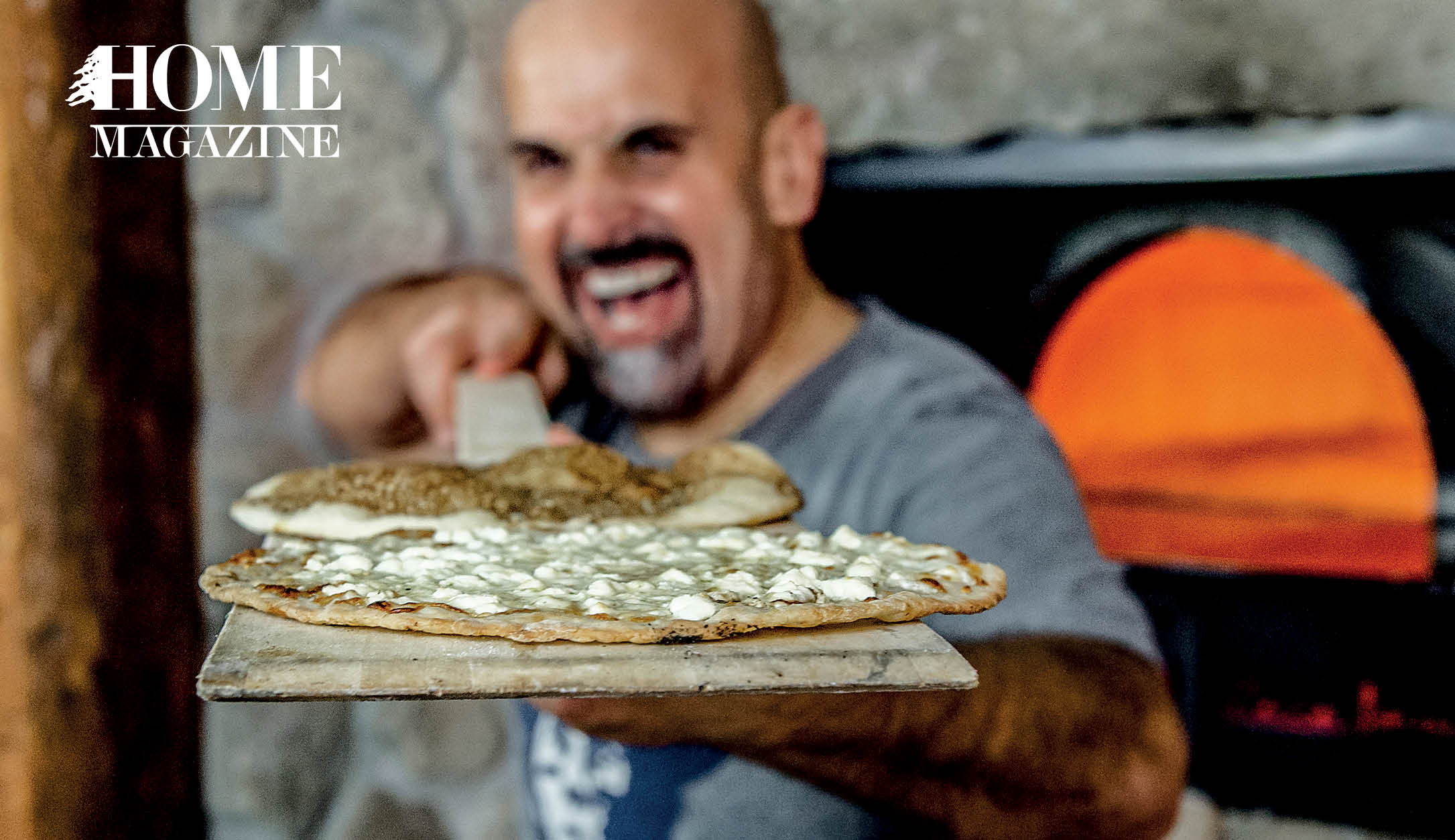
Now Hajj owns a restaurant and recently released a cookbook titled, Beirut to Boston, Inspired by a Rags-to-Restaurants Story. In it, he combines stories and anecdotes with recipes and family photos. On one page is a portrait of his parents to whom he dedicates the cookbook. On another, his grandmother’s recipe for the best manakish saj in her village, Maasser el Chouf. Stories of wartime food rations alongside the meal Hajj served President Bill Clinton, it is a journey that blends two cultures together perfectly — and a read that will make you hungry.
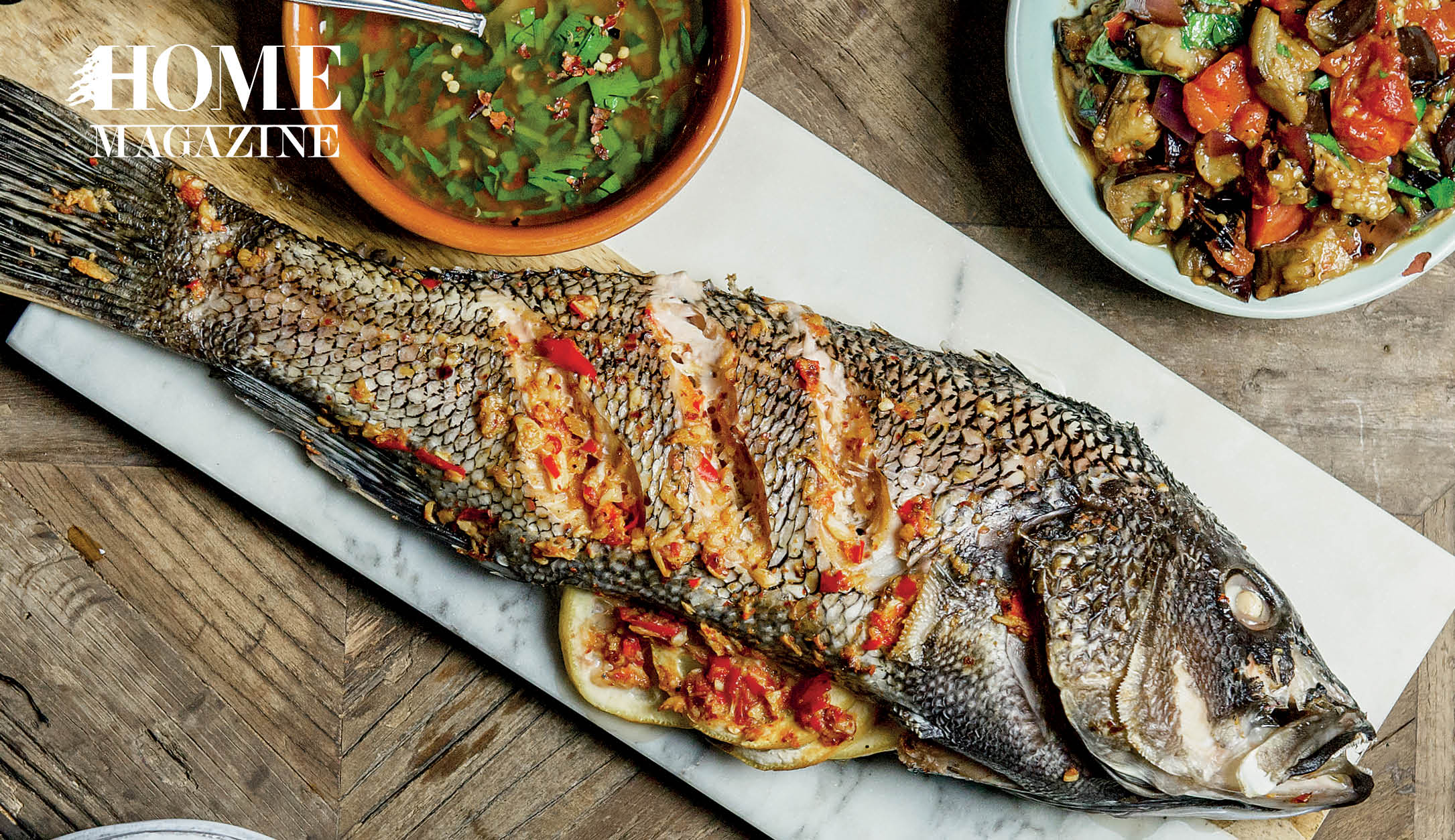
Hajj says he makes the most authentic falafel in Boston, and his Pilgrim Sandwich (made from Thanksgiving leftovers), was voted one of the Five Best Thanksgiving Meals in America by the Food Network Channel.
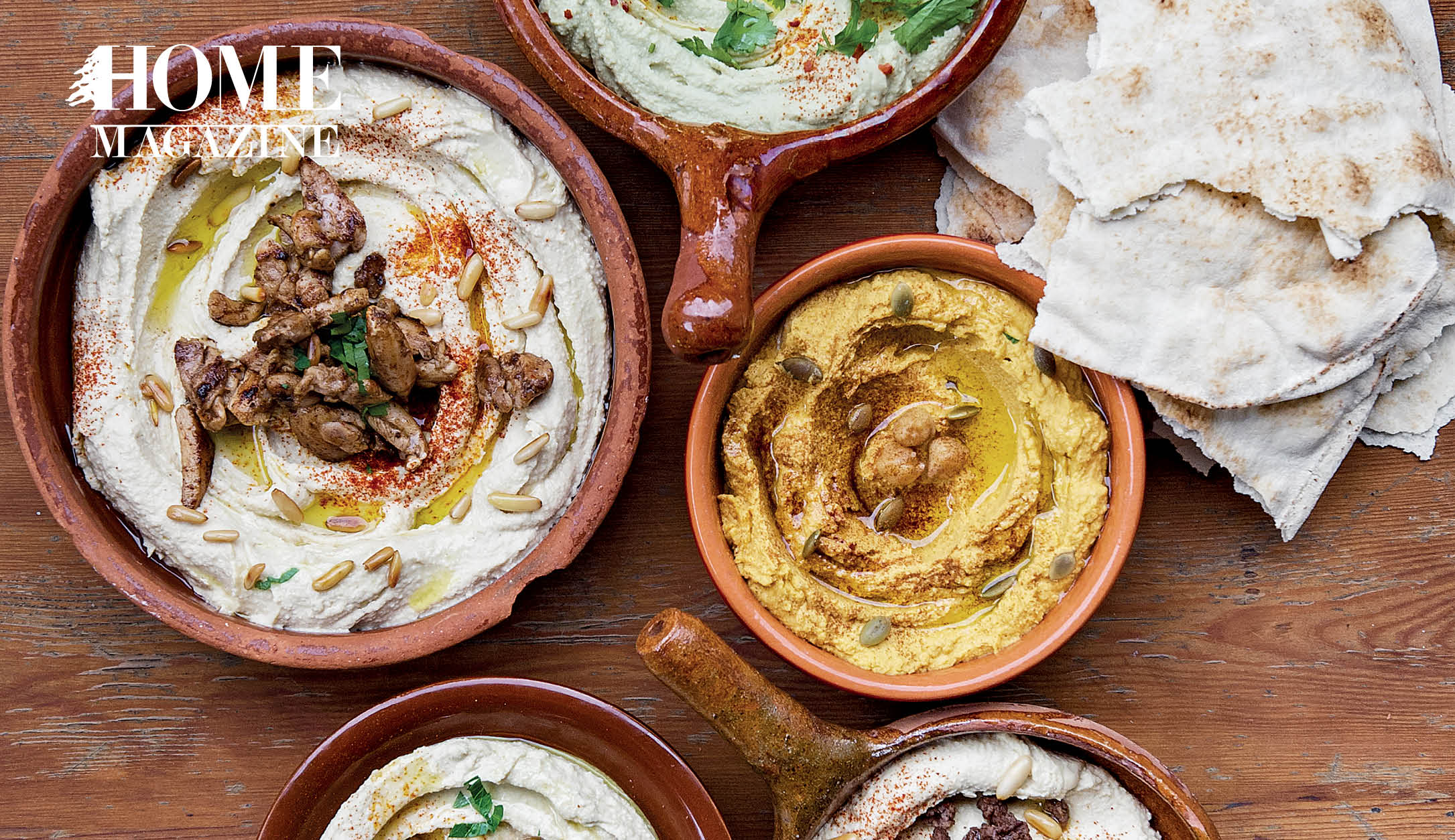
He can bring back the mouhammara of our childhoods – with pomegranate syrup, of course – then just as easily turn around and whip up avocado and lime hummus.
“This is America. It’s different people from different cultures. And food opens a window on cultures we don’t know much about,” said Hajj.
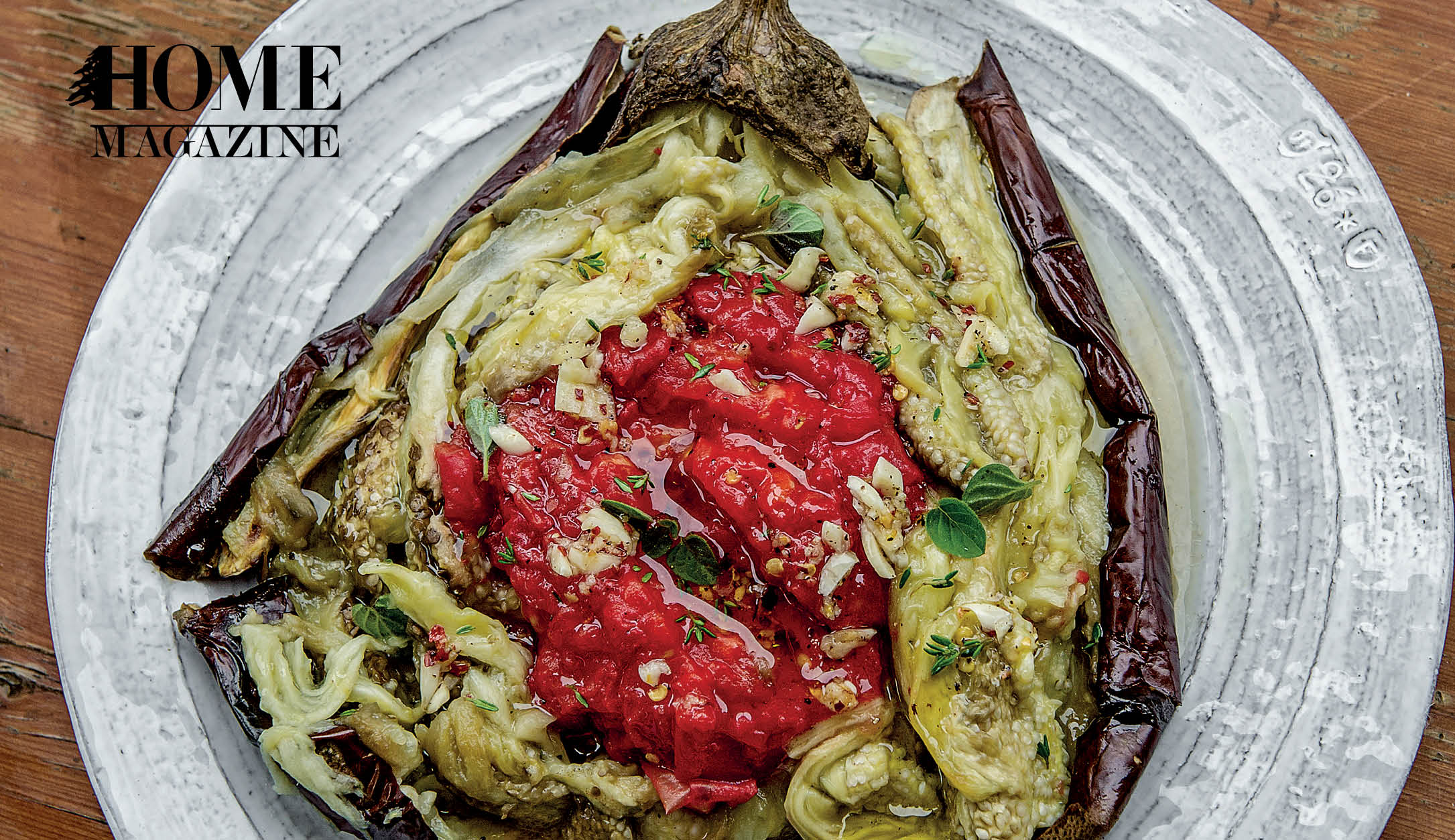
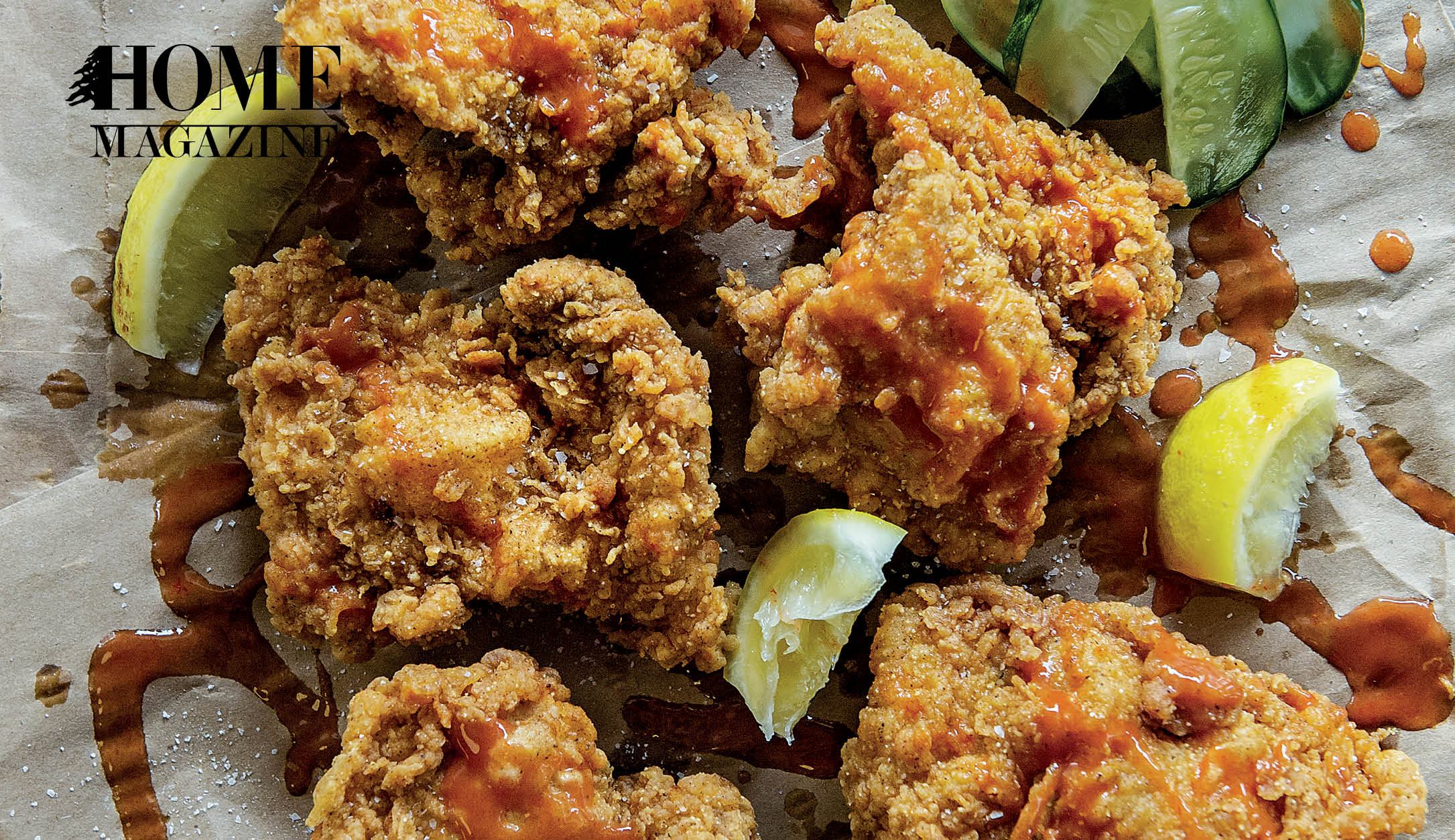
American food, like America, he believes, is much more than cheeseburgers and fries. It is every recipe, spice, and herb that ever immigrated to this country. American food is Tex-Mex bowls and California sushi rolls, Chinese fortune cookies and Kentucky Fried Chicken; Chicago versus New York style pizza; Turkish versus Lebanese kabob; samosas versus sambusiks; Indian buffets versus highway drive-throughs; and the competing smells of food carts.
Today Hajj speaks of the American Dream: “alive and well,” he confirms. “My story is much like that of countless immigrants who arrive on our shores each year and forge their own path to a better life. In my case, that path was flavored by the comfort-food cuisine of two cities.”
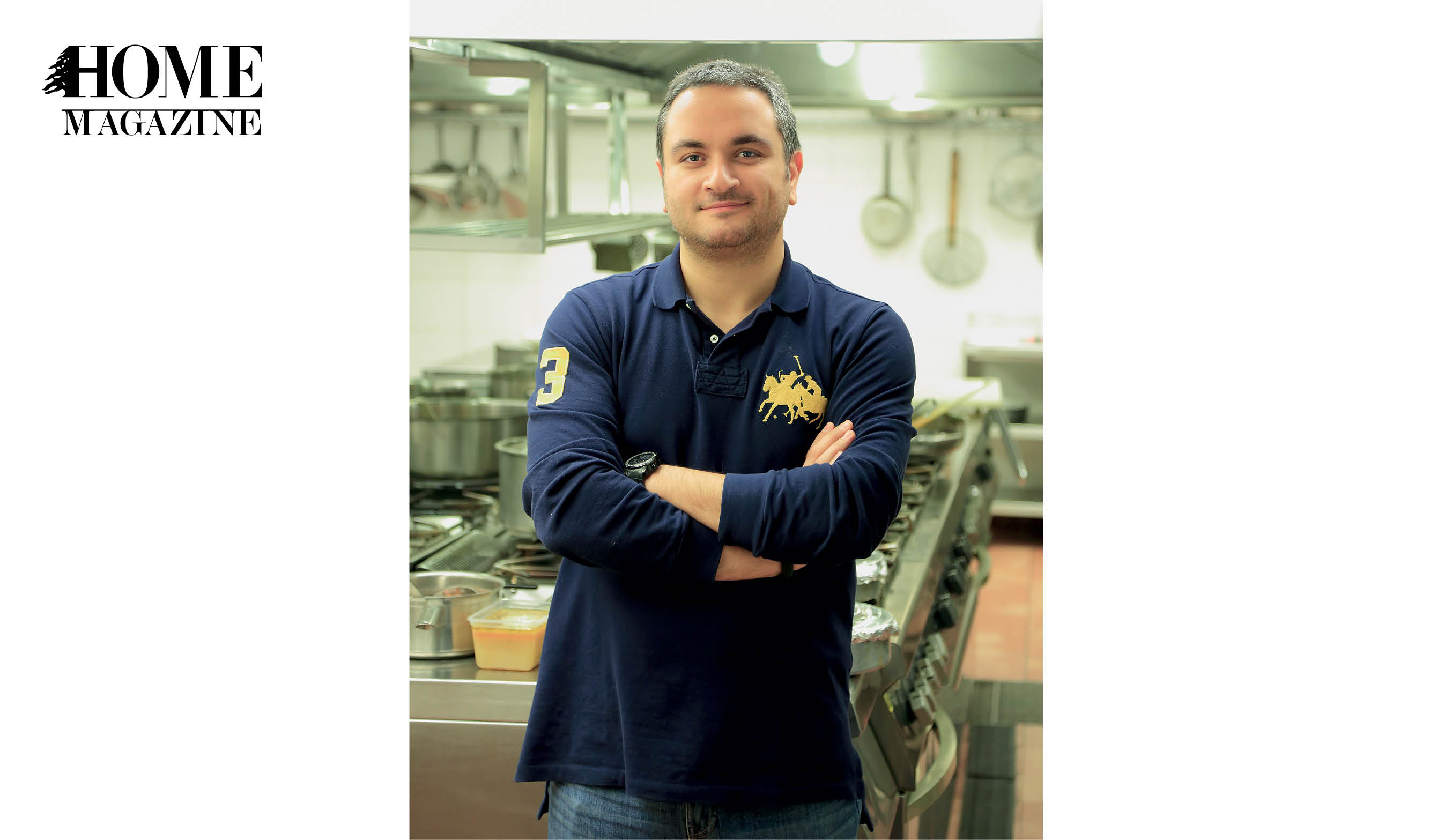
Now happily married, truly American, and still proudly Lebanese, Hajj lives with his wife, four children, two dogs, chickens and pigs in a farmhouse just outside Boston.
HOMEland Magazine
We firmly believe that the internet should be available and accessible to anyone, and are committed to providing a website that is accessible to the widest possible audience, regardless of circumstance and ability.
To fulfill this, we aim to adhere as strictly as possible to the World Wide Web Consortium’s (W3C) Web Content Accessibility Guidelines 2.1 (WCAG 2.1) at the AA level. These guidelines explain how to make web content accessible to people with a wide array of disabilities. Complying with those guidelines helps us ensure that the website is accessible to all people: blind people, people with motor impairments, visual impairment, cognitive disabilities, and more.
This website utilizes various technologies that are meant to make it as accessible as possible at all times. We utilize an accessibility interface that allows persons with specific disabilities to adjust the website’s UI (user interface) and design it to their personal needs.
Additionally, the website utilizes an AI-based application that runs in the background and optimizes its accessibility level constantly. This application remediates the website’s HTML, adapts Its functionality and behavior for screen-readers used by the blind users, and for keyboard functions used by individuals with motor impairments.
If you’ve found a malfunction or have ideas for improvement, we’ll be happy to hear from you. You can reach out to the website’s operators by using the following email
Our website implements the ARIA attributes (Accessible Rich Internet Applications) technique, alongside various different behavioral changes, to ensure blind users visiting with screen-readers are able to read, comprehend, and enjoy the website’s functions. As soon as a user with a screen-reader enters your site, they immediately receive a prompt to enter the Screen-Reader Profile so they can browse and operate your site effectively. Here’s how our website covers some of the most important screen-reader requirements, alongside console screenshots of code examples:
Screen-reader optimization: we run a background process that learns the website’s components from top to bottom, to ensure ongoing compliance even when updating the website. In this process, we provide screen-readers with meaningful data using the ARIA set of attributes. For example, we provide accurate form labels; descriptions for actionable icons (social media icons, search icons, cart icons, etc.); validation guidance for form inputs; element roles such as buttons, menus, modal dialogues (popups), and others. Additionally, the background process scans all the website’s images and provides an accurate and meaningful image-object-recognition-based description as an ALT (alternate text) tag for images that are not described. It will also extract texts that are embedded within the image, using an OCR (optical character recognition) technology. To turn on screen-reader adjustments at any time, users need only to press the Alt+1 keyboard combination. Screen-reader users also get automatic announcements to turn the Screen-reader mode on as soon as they enter the website.
These adjustments are compatible with all popular screen readers, including JAWS and NVDA.
Keyboard navigation optimization: The background process also adjusts the website’s HTML, and adds various behaviors using JavaScript code to make the website operable by the keyboard. This includes the ability to navigate the website using the Tab and Shift+Tab keys, operate dropdowns with the arrow keys, close them with Esc, trigger buttons and links using the Enter key, navigate between radio and checkbox elements using the arrow keys, and fill them in with the Spacebar or Enter key.Additionally, keyboard users will find quick-navigation and content-skip menus, available at any time by clicking Alt+1, or as the first elements of the site while navigating with the keyboard. The background process also handles triggered popups by moving the keyboard focus towards them as soon as they appear, and not allow the focus drift outside it.
Users can also use shortcuts such as “M” (menus), “H” (headings), “F” (forms), “B” (buttons), and “G” (graphics) to jump to specific elements.
We aim to support the widest array of browsers and assistive technologies as possible, so our users can choose the best fitting tools for them, with as few limitations as possible. Therefore, we have worked very hard to be able to support all major systems that comprise over 95% of the user market share including Google Chrome, Mozilla Firefox, Apple Safari, Opera and Microsoft Edge, JAWS and NVDA (screen readers).
Despite our very best efforts to allow anybody to adjust the website to their needs. There may still be pages or sections that are not fully accessible, are in the process of becoming accessible, or are lacking an adequate technological solution to make them accessible. Still, we are continually improving our accessibility, adding, updating and improving its options and features, and developing and adopting new technologies. All this is meant to reach the optimal level of accessibility, following technological advancements. For any assistance, please reach out to