Chaville, France
I could not relate the story of my Cedrus Libani without bringing up the story of my father. They are bound together, their journeys aligned. Both were born in the Lebanon and both were uprooted against their will. They landed at Chaville, a very beautiful suburb of Paris, famous for its wood lilies.
In 1987, the Lebanese Civil War drove me and my wife to leave our beautiful country, disgusted by the sectarian and interfaith conflicts. We settled in France. We thought we would never go back to our country, despairing that we might never again find the Lebanese joy of living. As for my father, at first he was naturally and fiercely against leaving his country, but gave in and eventually followed us a year later.
After watching a local TV segment about family gardens, I contacted Chaville’s city hall for additional information in order to rent one for my father, who loves gardening and to whom it would be a good distraction to overcome boredom. I was informed of a long waiting list that required patience. Nevertheless, I applied on his behalf.
April 1995. My father passed away. I had two options: He would either be the first of my family buried in France, or the last one buried in Lebanon. Finally my father was laid to rest in Chaville, and not more than 20 friends and relatives attended his funeral. I then realized I had made the wrong decision.
August 1995. I returned to Lebanon for the first time since 1987, to celebrate a memorial mass in my father’s memory. The whole family attended, as well as friends and neighbors from Beirut and all over. The church was packed. My emotions were a combination of pride, gratitude and pain, along with the feeling of finally paying a debt I owed to my father. Since then, I have spent my annual holidays in the Lebanon, except in 2006, during the Israeli invasion.
“He would either be the first of my family buried in France, or the last one buried in Lebanon.”
November 2000. Chaville’s city hall informed me that 22 new plots of family gardens were to be created, and that I was the 22nd on the waiting list. I confirmed my request without the slightest hesitation. By the luck of a lot drawing, I was assigned the biggest plot (120m2) and I was even elected president of Chaville’s Association of Family Gardeners (I remained at this position for four years and was elected again three years ago).
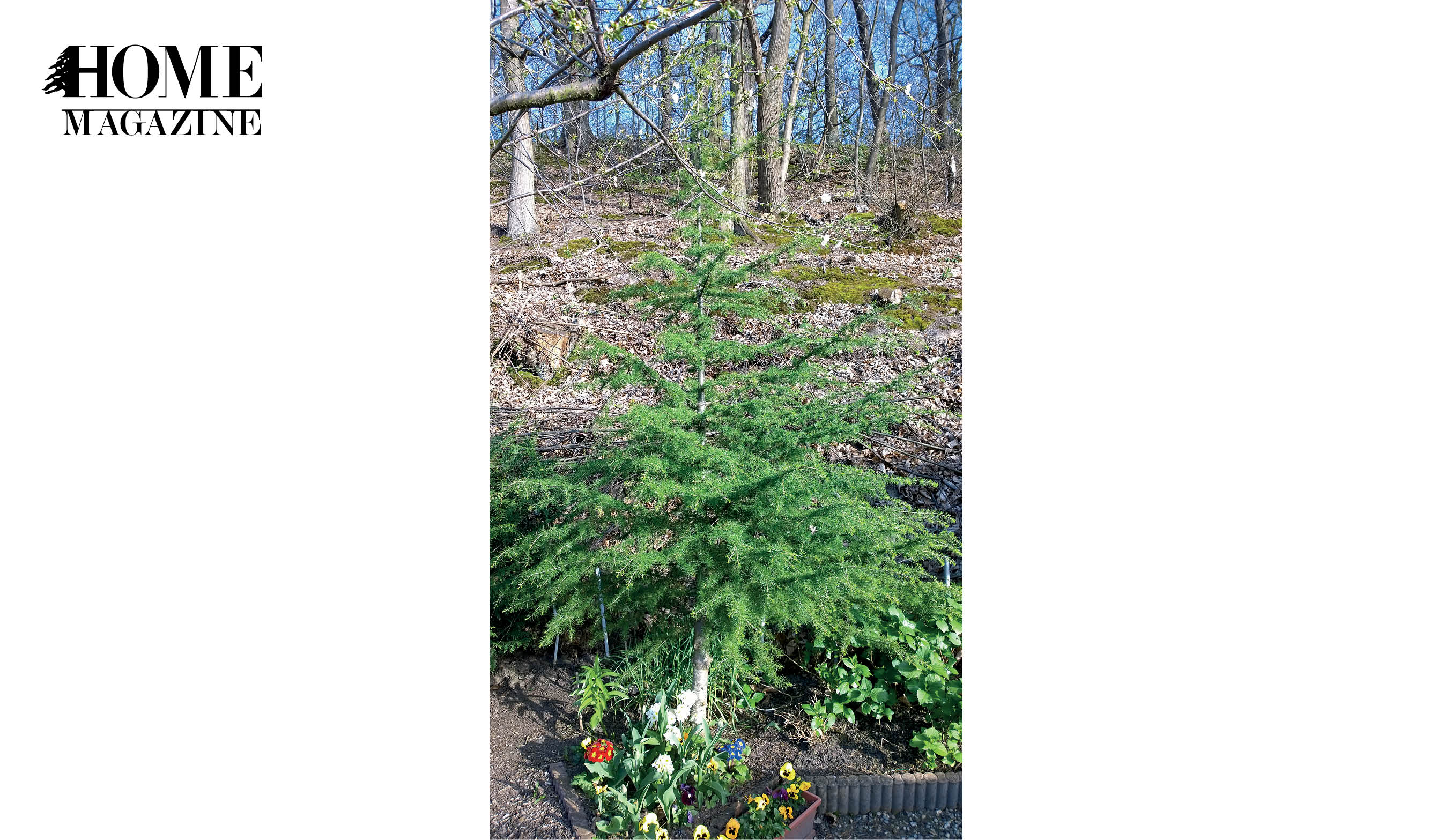
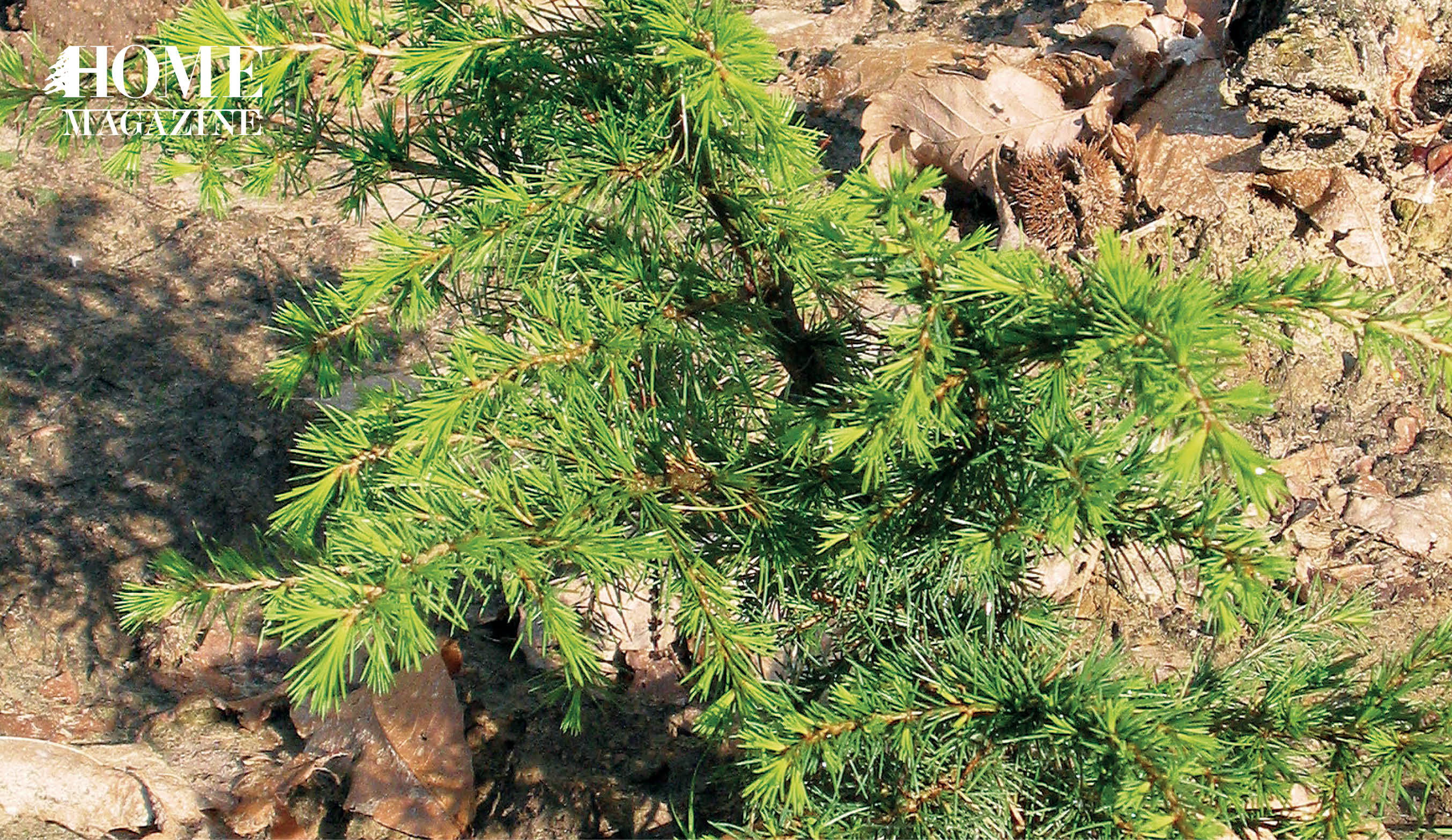
Christmas 2001. My daughter brought back the best possible gift from her holidays in Lebanon: a small shrub, a Cedrus Libani that my brother in law had purchased from Ehden. It was then 40 centimeters in height. I lovingly planted it in my garden next to my Lebanese vegetables: cucumbers, tomatoes jabaliyet, zucchini and chards.
As the years passed, my cedar grew and became taller than 4 meters in height. As for us, reaching the age of retirement, the nostalgia for our country, our family and our friends took over and led us to permanently return to our HOME sweet HOME.
I now had a new dilemma to face: what was to be done with my father’s bones and my cedar? Should my father stay resting in peace in France, or be exhumed and returned to his beloved country? And what about my cedar, should I leave it in my garden and take the risk that my successor may ignore its value and let it wither away, despite the Cedrus Libani being a protected species in France and all around the civilized world?
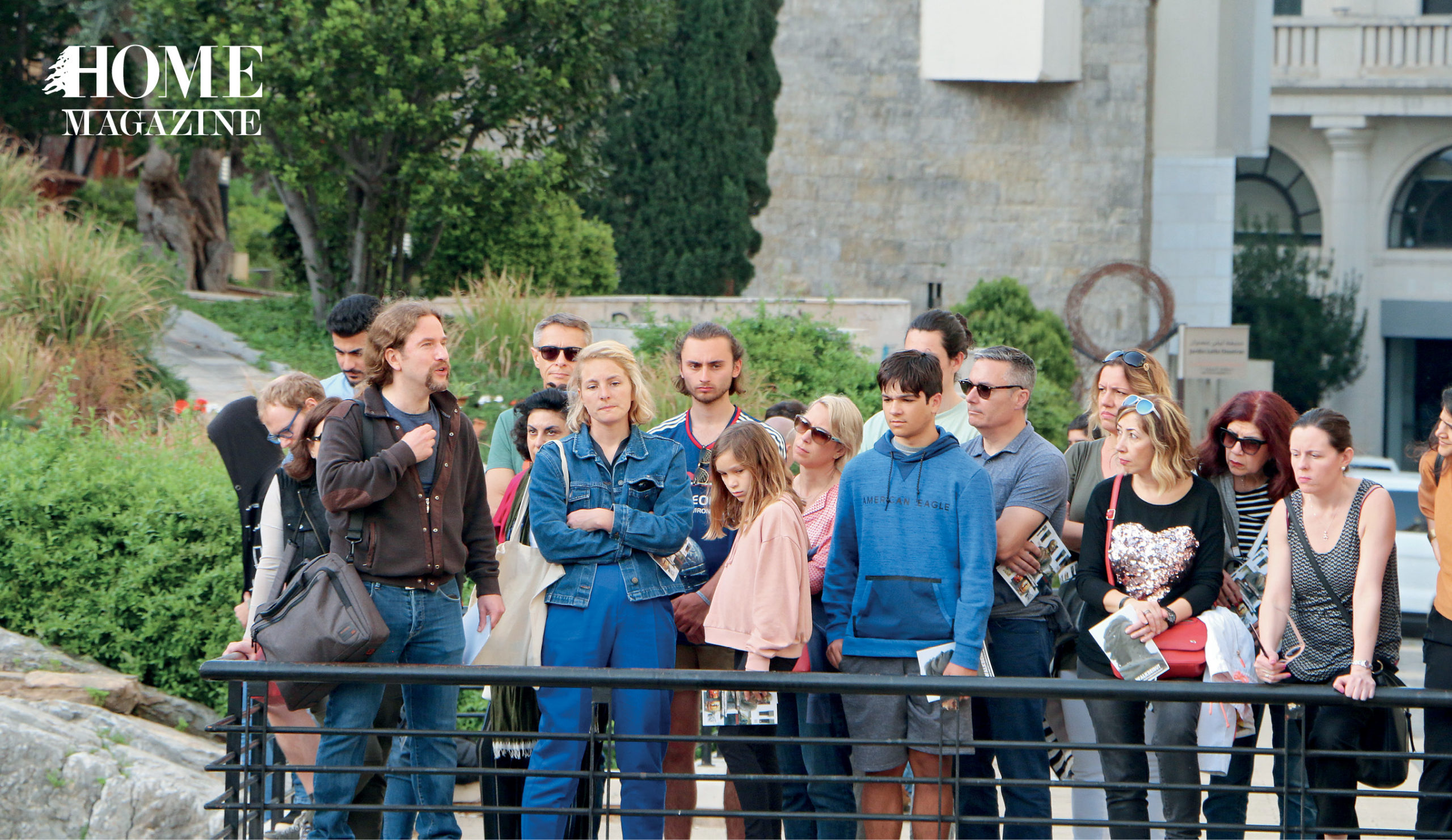
Family gardens are non-constructible plots (usually along the railway road). They are bought by the city hall to avoid their use as waste disposals. Divided into kitchen garden plots, of 50 to 100 square meter each, they are made available to the city’s inhabitants for a symbolic rent (1 Euro yearly/square meter). One condition prevails, maintaining cleanliness and greenery. Chaville with its 20000 inhabitants has four such terrains of respectively six, seven, nine and 22 plots.
I finally reached an agreement with Chaville’s deputy mayor, who is in charge of the city’s green spaces. My cedar was uprooted from my garden and planted in the city’s cemetery, next to where my father lies. His eternal memory will be close to my everlasting Cedrus Libani – preserved, conserved and protected.
HOMEland Magazine
We firmly believe that the internet should be available and accessible to anyone, and are committed to providing a website that is accessible to the widest possible audience, regardless of circumstance and ability.
To fulfill this, we aim to adhere as strictly as possible to the World Wide Web Consortium’s (W3C) Web Content Accessibility Guidelines 2.1 (WCAG 2.1) at the AA level. These guidelines explain how to make web content accessible to people with a wide array of disabilities. Complying with those guidelines helps us ensure that the website is accessible to all people: blind people, people with motor impairments, visual impairment, cognitive disabilities, and more.
This website utilizes various technologies that are meant to make it as accessible as possible at all times. We utilize an accessibility interface that allows persons with specific disabilities to adjust the website’s UI (user interface) and design it to their personal needs.
Additionally, the website utilizes an AI-based application that runs in the background and optimizes its accessibility level constantly. This application remediates the website’s HTML, adapts Its functionality and behavior for screen-readers used by the blind users, and for keyboard functions used by individuals with motor impairments.
If you’ve found a malfunction or have ideas for improvement, we’ll be happy to hear from you. You can reach out to the website’s operators by using the following email
Our website implements the ARIA attributes (Accessible Rich Internet Applications) technique, alongside various different behavioral changes, to ensure blind users visiting with screen-readers are able to read, comprehend, and enjoy the website’s functions. As soon as a user with a screen-reader enters your site, they immediately receive a prompt to enter the Screen-Reader Profile so they can browse and operate your site effectively. Here’s how our website covers some of the most important screen-reader requirements, alongside console screenshots of code examples:
Screen-reader optimization: we run a background process that learns the website’s components from top to bottom, to ensure ongoing compliance even when updating the website. In this process, we provide screen-readers with meaningful data using the ARIA set of attributes. For example, we provide accurate form labels; descriptions for actionable icons (social media icons, search icons, cart icons, etc.); validation guidance for form inputs; element roles such as buttons, menus, modal dialogues (popups), and others. Additionally, the background process scans all the website’s images and provides an accurate and meaningful image-object-recognition-based description as an ALT (alternate text) tag for images that are not described. It will also extract texts that are embedded within the image, using an OCR (optical character recognition) technology. To turn on screen-reader adjustments at any time, users need only to press the Alt+1 keyboard combination. Screen-reader users also get automatic announcements to turn the Screen-reader mode on as soon as they enter the website.
These adjustments are compatible with all popular screen readers, including JAWS and NVDA.
Keyboard navigation optimization: The background process also adjusts the website’s HTML, and adds various behaviors using JavaScript code to make the website operable by the keyboard. This includes the ability to navigate the website using the Tab and Shift+Tab keys, operate dropdowns with the arrow keys, close them with Esc, trigger buttons and links using the Enter key, navigate between radio and checkbox elements using the arrow keys, and fill them in with the Spacebar or Enter key.Additionally, keyboard users will find quick-navigation and content-skip menus, available at any time by clicking Alt+1, or as the first elements of the site while navigating with the keyboard. The background process also handles triggered popups by moving the keyboard focus towards them as soon as they appear, and not allow the focus drift outside it.
Users can also use shortcuts such as “M” (menus), “H” (headings), “F” (forms), “B” (buttons), and “G” (graphics) to jump to specific elements.
We aim to support the widest array of browsers and assistive technologies as possible, so our users can choose the best fitting tools for them, with as few limitations as possible. Therefore, we have worked very hard to be able to support all major systems that comprise over 95% of the user market share including Google Chrome, Mozilla Firefox, Apple Safari, Opera and Microsoft Edge, JAWS and NVDA (screen readers).
Despite our very best efforts to allow anybody to adjust the website to their needs. There may still be pages or sections that are not fully accessible, are in the process of becoming accessible, or are lacking an adequate technological solution to make them accessible. Still, we are continually improving our accessibility, adding, updating and improving its options and features, and developing and adopting new technologies. All this is meant to reach the optimal level of accessibility, following technological advancements. For any assistance, please reach out to