
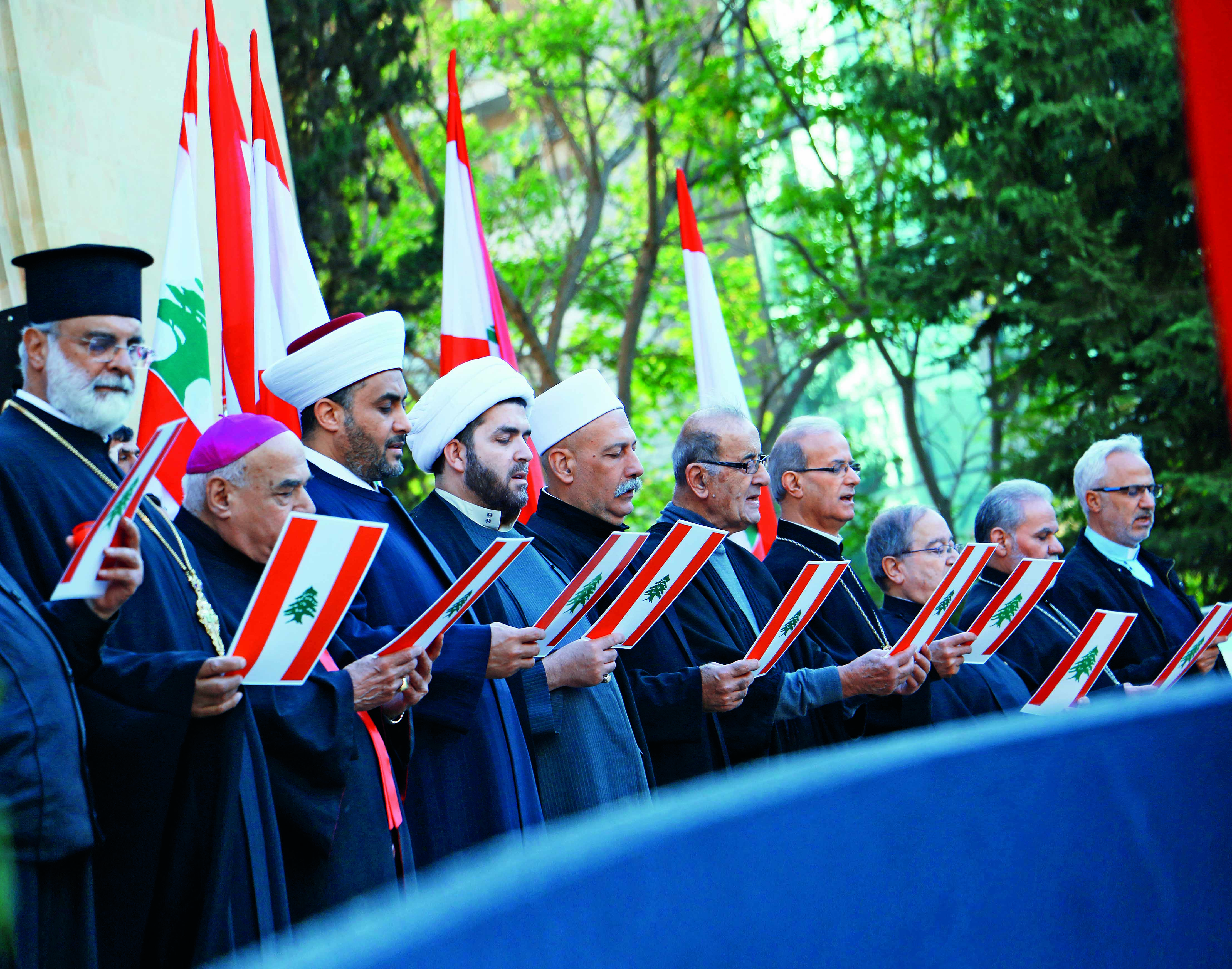
Founded in 1985 by lawyer Dr. Melhem Emile Khalaf, Offre Joie is an independent Lebanese non-governmental humanitarian organization.
Q & A with Offre Joie
What is the vision of Offre Joie?
Offre Joie started during the Civil War, when some of us realized we had to do something to counter the conflict. The best way to create cohesion between different groups is to gather children, who have not lost their innocence, and allow them to mix without discrimination. That’s where the summer camp idea came from.
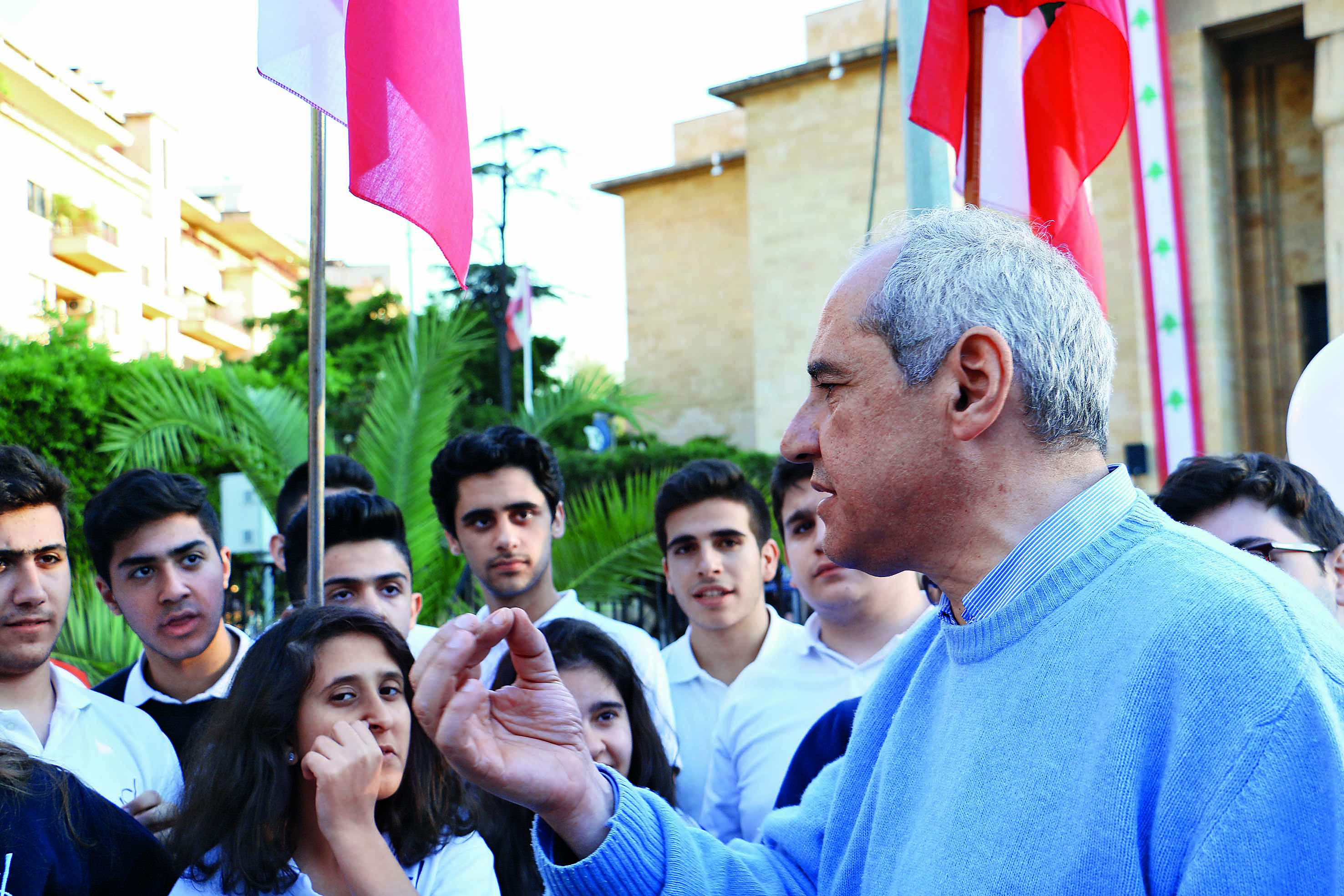
We started with 60 children between 7 and 12 who gathered to talk their differences. Over time, enrollment increased to 80 and then to 100. By the end, we had 117 children registered in the summer camp. 33 volunteers from the Red Cross, Scouts or other similar organizations would be responsible for the camp and the wellbeing of the children.We wrote our checklist of things we would need. Movement Eucharistique des Jeunes (MEJ) provided tents. Mattresses came from the Red Cross, bed sheets from Caritas, and transportation from the Scouts. We had worked out how to provide everything except food. Eventually someone suggested that we asked our mothers to help and they kindly accepted. We had 15 days of incredible experiences. The last day was spent at the Cedars, where we invited the parents to come to a camp that was just for them.
When the value of the Lira slumped, we lost the support of many people who had intended to help us. Also, many of us traveled, including me. I went to France. In France, I was talking about our experiences in Lebanon when father Jean Rouquette heard me and said, “I have a debt of happiness towards your country. If what you’re telling me is true, then I will be coming.” The priest helped create opportunities for me to talk to people about our project, and some of them contributed funds. That’s when we decided to establish an organization.
Once I returned to Lebanon, I went to my local municipality and started filling out official documents, and thought about what we were trying to achieve. The answer came quickly—the joy of giving, which in French translates as “Offre Joie.” Our principles were based on love, respect, and forgiveness; keys to the joy of living. As more and more children joined the summer camps, Offre Joie became a recognized organization with more resources. We started with workshops, and later began focusing on rebuilding schools and prisons across Lebanon. Everything that we did was based on solidarity. We considered that any joy in Lebanon is our joy and any pain that Lebanon felt was also ours.

What are Offre Joie’s key components?
The only way to truly love somebody is by knowing them. This needs to be adopted as a way of living. We inspire and push people to love everyone regardless of what region of the country they come from. Together with love, we promote the idea of forgiveness, which starts at HOME in our families, in schools and clubs. To achieve forgiveness requires real strength of character, which I can attest to, based on my own personal experiences. Thus, one needs to try to forgive first. Another component is respecting each other’s differences. This also needs to be adapted to everyday life. It’s very important to show respect through our actions, through the way we dress. You must respect one’s body. Eating is also linked to people’s values. For instance, we don’t eat meat on Friday, out of respect to Christians, and we don’t eat pork out of respect to Muslims.
What were your challenges?
One of our challenges was whether we needed to provide the opportunities for people to pray. Back in 1985 , we decided that all religions would be respected and that everyone would be able to pray wherever they wanted.. Each night, before we slept, everyone prayed together, regardless of the religion.
What is happening with Offre Joie today?
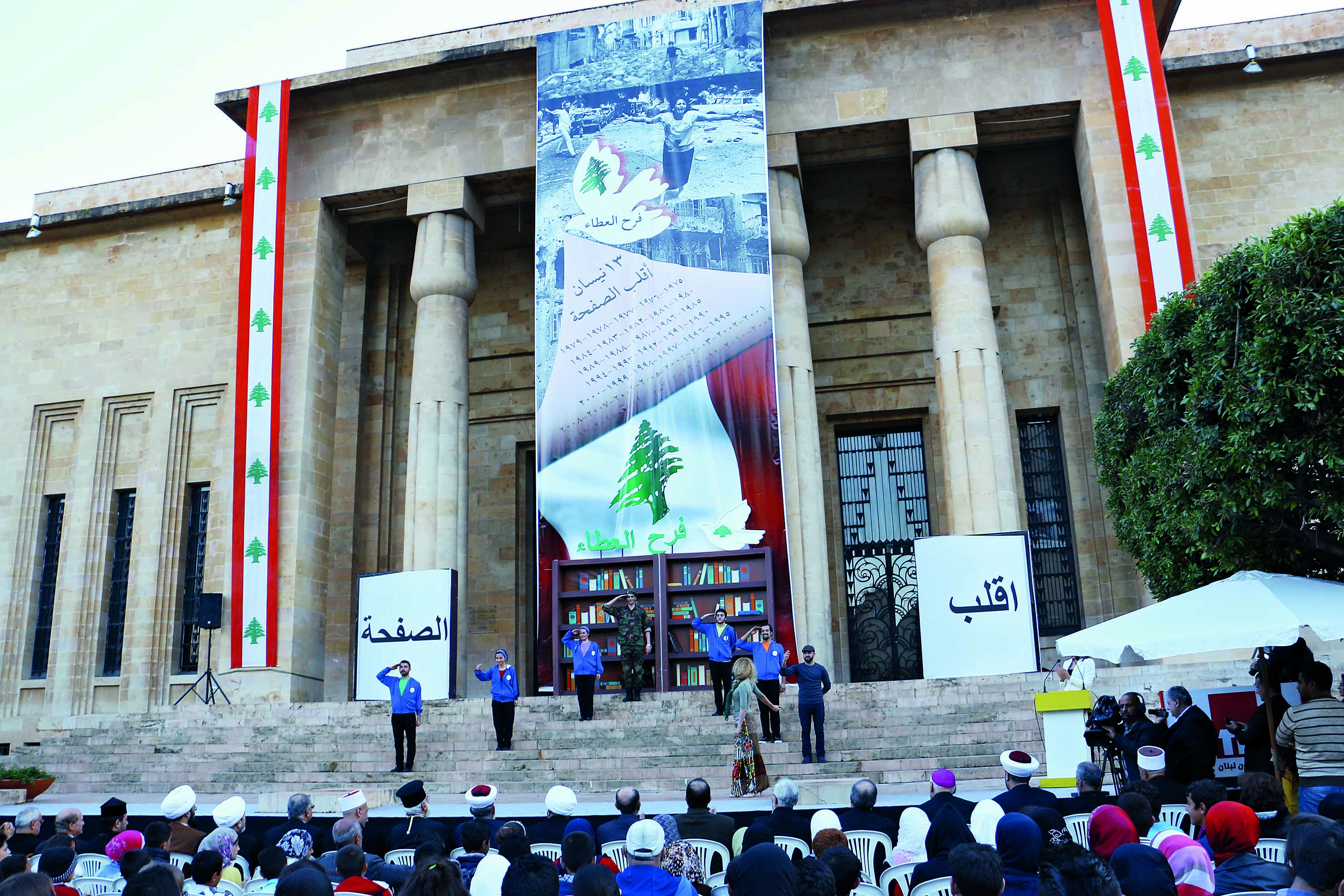
Today Offre Joie is spreading into Iraq, Egypt, Syria and Europe. This initiative started in Lebanon from the pain that we felt. Our biggest concern is ensuring that we don’t fall back into civil war. Our unity is our salvation, and from this unity we gathered to create an organization to promote civil peace. We have been present at any location in Lebanon that has been scarred by conflict. In 2006, following the war, we built a school with the help of 368 volunteers; another 1716 came out to help when a bomb exploded in Achrafieh, and 600 more were with us helping in Aabra. We created a public voice which cried out for national spirit, disregarding any religious or political objectives.
How does Offre Joie secure financing?
We don’t accept any money from any embassy or political organization, or anywhere that is contrary to its spirit of youth engagement. So in order to meet our projects requirements, we accept products and services that could help us serve our aims. In Lebanon, 32 companies help us for our summer camps. Today, we have a big base in Kfifan and volunteers all over Lebanon. We carry our message, everywhere in Lebanon, in order to build hope. Hopeful youth can build countries. Countries are not built with fear, but with faith. In Lebanon.
What are the youth who participate in Offre Joie like?
The youth that have grown with us have now moved on and are working in a variety of different fields. We are now working with the second generation of youth. Our core group of youths number around 70. They believe in the rule of love.

Give us an example of how you handled a recent crisis?
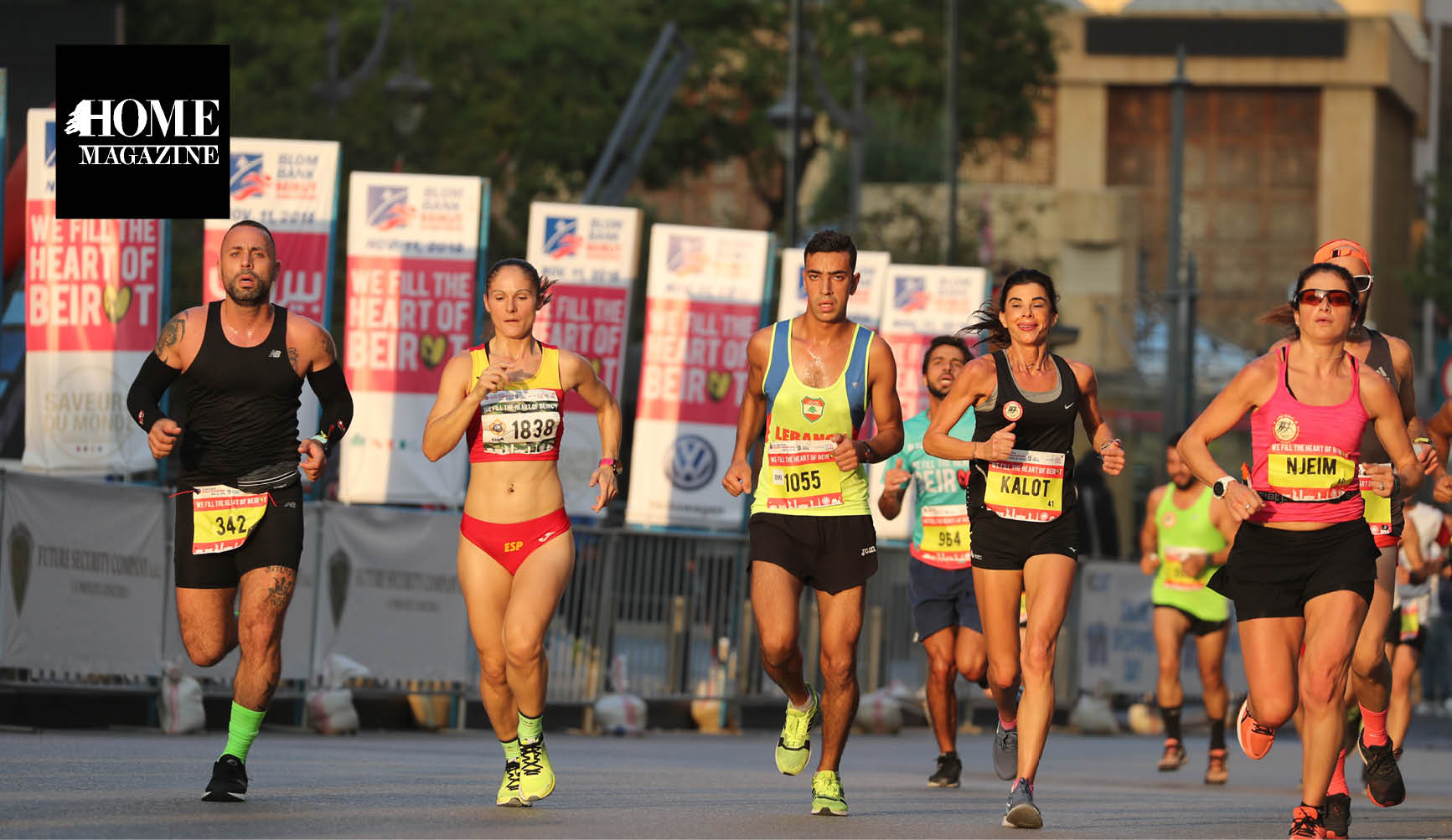
We have followed people’s struggle as the garbage crisis has unfolded. In Nehmeh, garbage wasn’t processed. One person creates a kilo of waste each day, through food waste, recyclable materials and non-recyclable materials, but all of it was being thrown away, because people were making money from it. People were bothered by this issue and eventually, people started descending on the streets, in a bid to claim their rights and force policy makers to address the issue. As garbage piled up on the city’s streets, it became a breeding ground for bacteria and rats, which threatened people’s health. There was also a concern that ground water could be contaminated. With the help of Pierre Abi Rashed we developed a solution that would cut down the amount of waste that was being sent to the landfills. The solution was adopted by Jedideh Municipality and then spread to a number of different places and events, including the Beirut Marathon.
What would you say to Lebanese diaspora?
Don’t be afraid, we are still full of young and vital energy. We know how to build a Lebanon that is good to live in. Lebanon is a beautiful country, however we must engage daily with the country to keep it beautiful. If we have faith we can move mountains.
From where do you get your strength?
From my faith, from my love for my country, and from my love for people.
HOMEland
Coming Soon
HOMEland Events & Collaborations
Coming Soon
 Signature Boutique




Speaking Truth to Power: Pierre Sadek Foundation