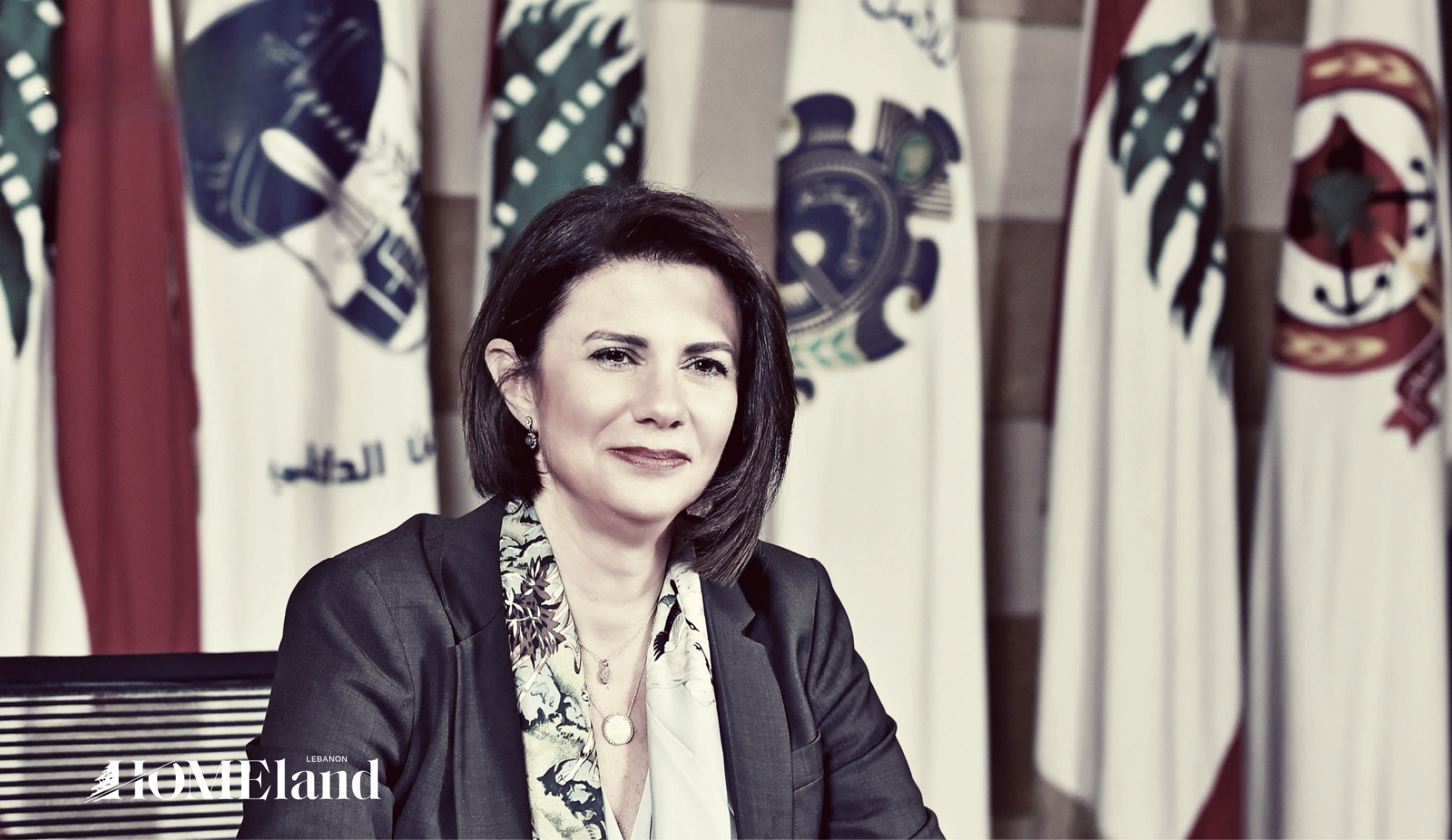
Interviewed by Editor-in-Chief, Patricia Bitar Cherfan
In an unconventional crossover, a car race doubles as an empowerment network for women to kickstart their own businesses.
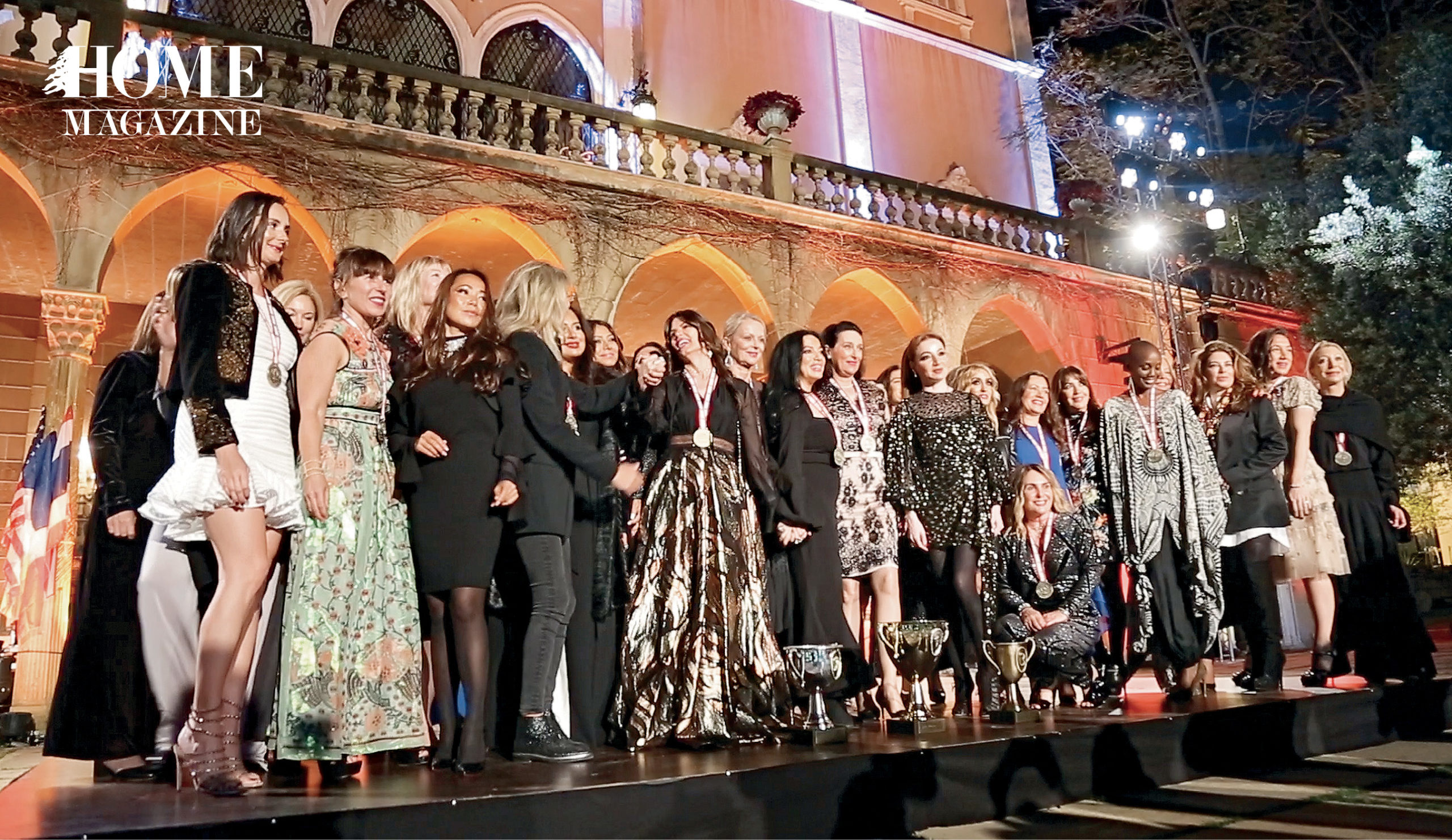
Chahrazad Rizk, a powerhouse of Swiss and Berber origins, is the driving force behind the Rallye des Grâces, or Women Classic Rally. HOME sat down with the first Arab woman to organize a rally in an Arab country to find out more about the event itself — one that rallies behind women’s freedom while underscoring the importance of femininity. The women who attend are not just women but women with global impact, such as NASA astronaut Mary Ellen Weber, high-profile entrepreneurs Sha-Chelle Manning and Sharon Amezcua, and princesses Tania de Bourbon Parme and Helen de Yougoslavie.
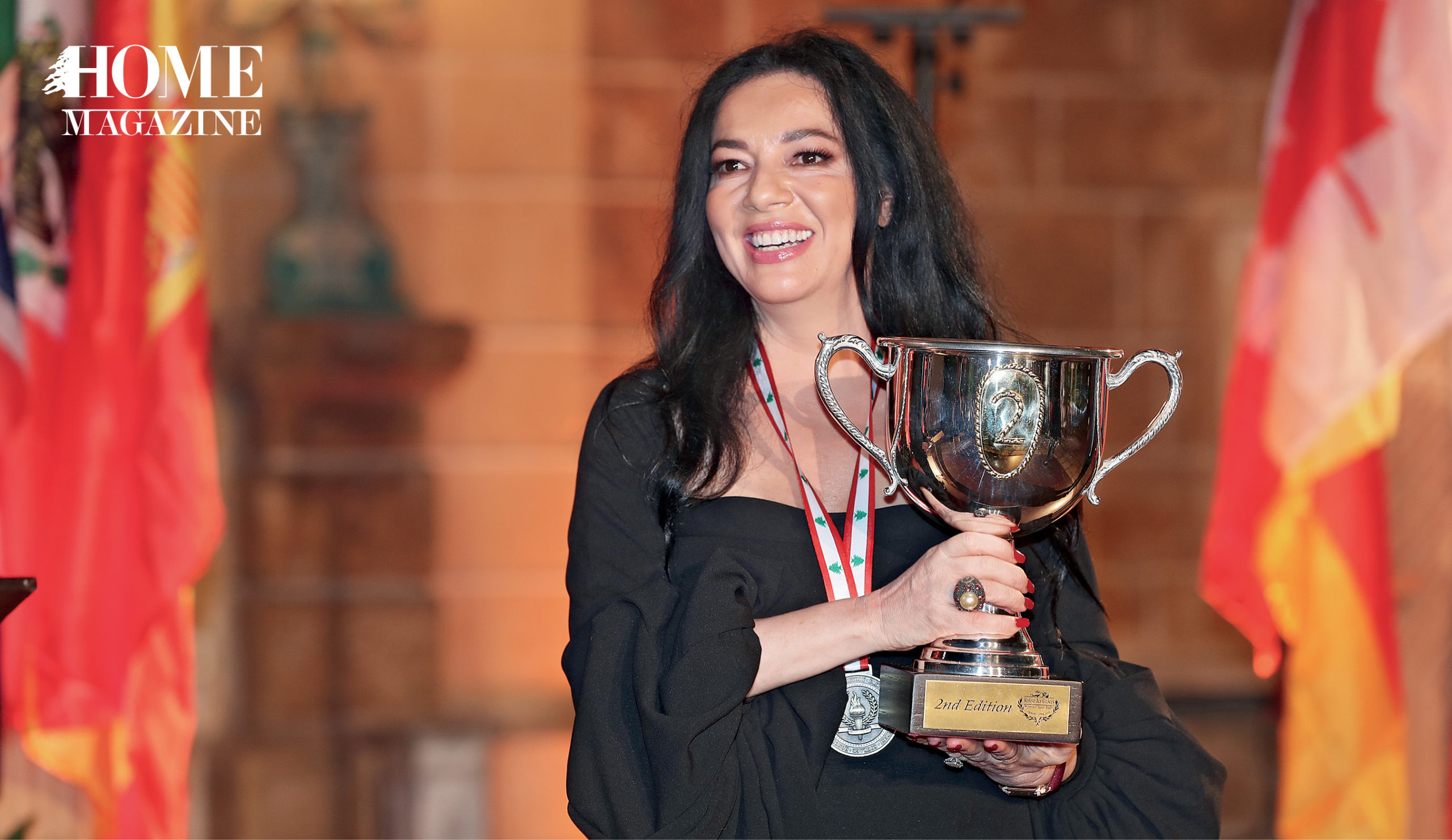
I am a woman who loves the rally. While growing up in Geneva, I would participate in the rallies there on a yearly basis. One day, I took it upon myself to propose to the organizers there to take the rally to Beirut—naturally, they thought of Beirut as an unstable war zone and thought it would be out of the question. That’s when my adrenaline kicked in, and I took it as a challenge to make it happen, regardless. I am someone who cannot take “no” for an answer — this word does not exist in my dictionary! As long as I have the health, and the means to do something, I do it. This is my philosophy.
Absolutely! The first rally happened and it was superb. I am constantly traveling the world, spreading the word about the Rallye des Grâces to the women I meet, and receiving an overwhelmingly positive response from them.
“Grace is found in every single woman. The tough demeanor is just a shield from potential danger.”
The name comes from the grace within a woman. I believe that grace is found in every single woman. The tough demeanor is just a shield from potential danger.
To help women. The rally is for all women who may have lost themselves in work or life to come out here, have a business-oriented exchange, and start feeling extraordinary again. It helps them get together, share their stories, and leave with incredible power and inspiration that motivates them to do even more. It helps them to network and ultimately make new friends that eventually turn into family that provide a support system for one another through life’s ups and downs. It is beyond an activity, and that is exactly the force that drives the event—the force of not being alone.
The idea was developed in 2017. I chose Beirut because I really wanted to encourage tourism here. I also decided to give the event a business and economic spin, because it is important for me to see prominent internationals meet and exchange goods, ideas, and concepts. I was afraid at the very beginning—I was afraid of no-shows, and of course, I was scared of failure. Thankfully, the event has taken off well, and it’s molding into something bigger year after year.
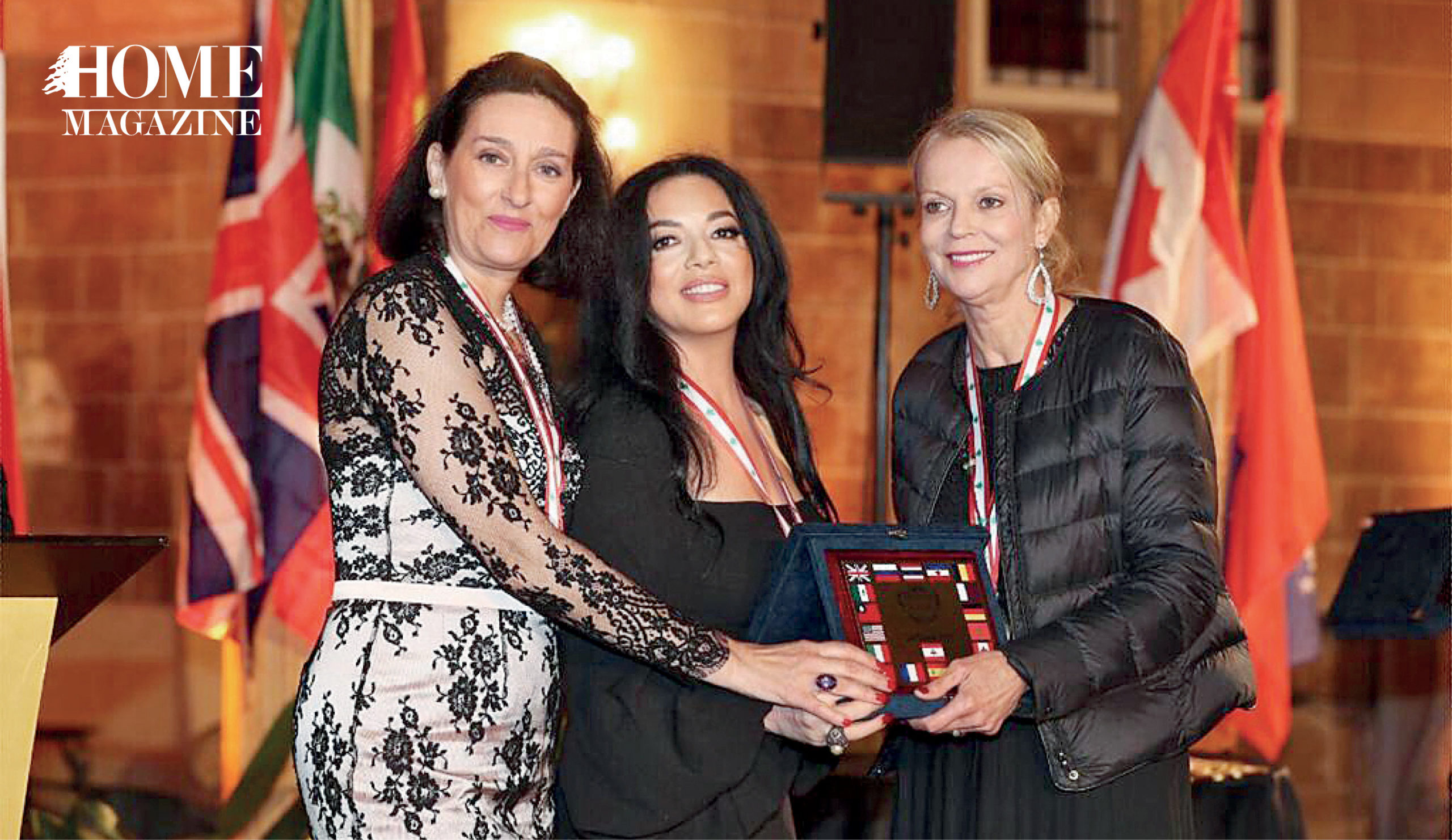
Not at all. Elsewhere, it is purely a rally sporting event for women that lasts two days. The one in Beirut is different as I have assigned a business and a touristic aspect to it by giving women a chance to interact and network with influential entrepreneurs from around the world, and to get their ideas and businesses out here.
I do hand out few invitations, but to participate one has to sign up. We get an influx of participant requests from women from a variety of backgrounds, from hotel and business owners to actresses and so on.
I want to bring the whole world to Beirut. I want it to become more touristic, to also bring along the Lebanese to discover the world, perhaps through an additional rally event held abroad, such as in Argentina or Moscow. I also want to create a big group, made of a wonderful mix of the Orient and the Occident who support one another.
It is where I really grew up, where I met my husband at the young age of 24, and we’ve been married for 26 years.
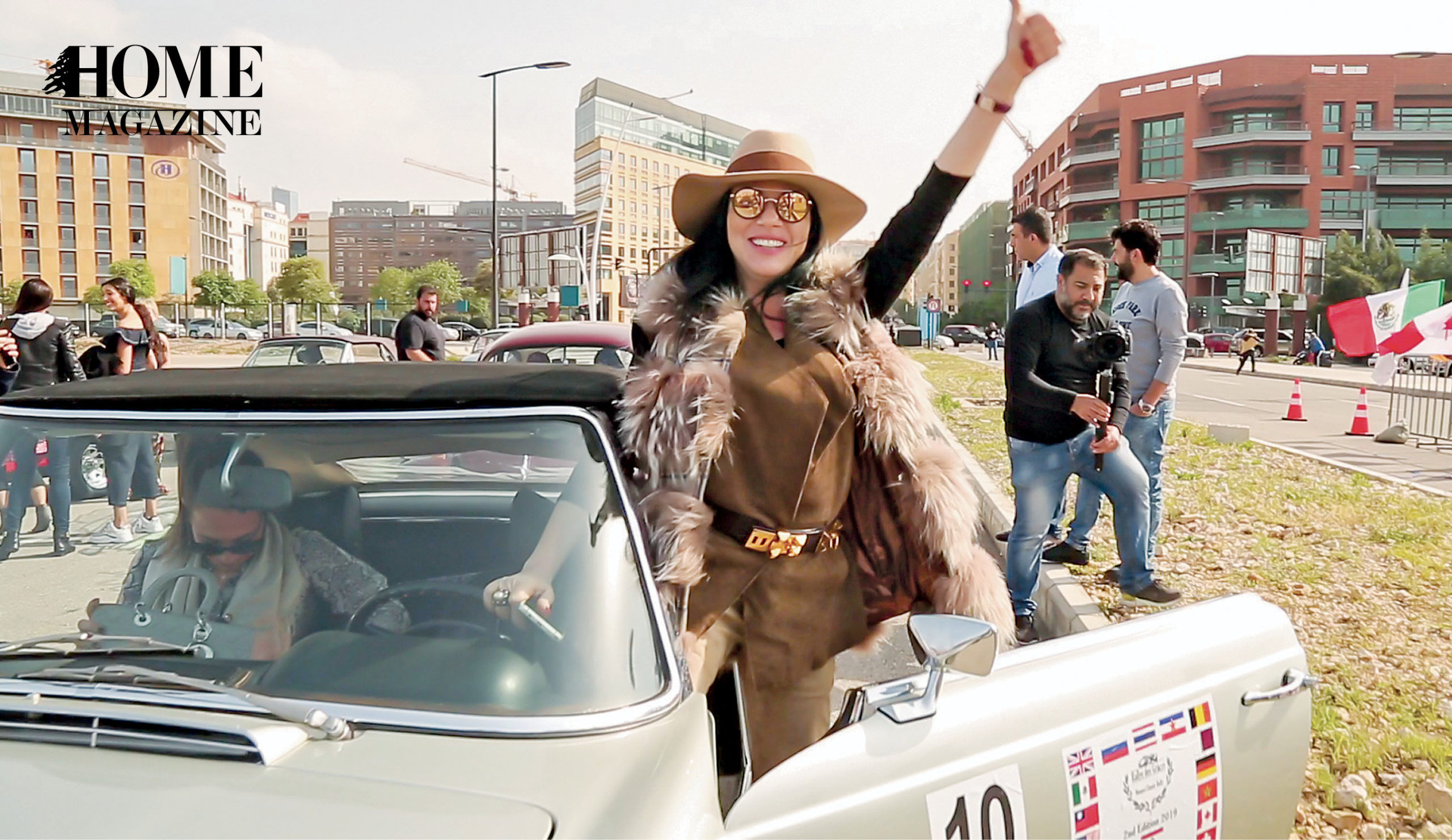
I am an architect, a contractor, and I also work in international luxury real estate. I am established in five cities: Doha (15 years), Dubai (15 years), Beirut (20 years), Geneva and London (5 years).
Patience, and that’s because Lebanese people are very patient. Regardless of the instability, the unrest, and tomorrow’s unknown, the Lebanese remain resilient and patient.
It will happen sometime in April 2020. I am planning to include perhaps 15 Lebanese women in the upcoming rally, and create a mix between local but mostly international women. So far, the rally has mainly attracted the latter.

HOMEland Magazine
We firmly believe that the internet should be available and accessible to anyone, and are committed to providing a website that is accessible to the widest possible audience, regardless of circumstance and ability.
To fulfill this, we aim to adhere as strictly as possible to the World Wide Web Consortium’s (W3C) Web Content Accessibility Guidelines 2.1 (WCAG 2.1) at the AA level. These guidelines explain how to make web content accessible to people with a wide array of disabilities. Complying with those guidelines helps us ensure that the website is accessible to all people: blind people, people with motor impairments, visual impairment, cognitive disabilities, and more.
This website utilizes various technologies that are meant to make it as accessible as possible at all times. We utilize an accessibility interface that allows persons with specific disabilities to adjust the website’s UI (user interface) and design it to their personal needs.
Additionally, the website utilizes an AI-based application that runs in the background and optimizes its accessibility level constantly. This application remediates the website’s HTML, adapts Its functionality and behavior for screen-readers used by the blind users, and for keyboard functions used by individuals with motor impairments.
If you’ve found a malfunction or have ideas for improvement, we’ll be happy to hear from you. You can reach out to the website’s operators by using the following email
Our website implements the ARIA attributes (Accessible Rich Internet Applications) technique, alongside various different behavioral changes, to ensure blind users visiting with screen-readers are able to read, comprehend, and enjoy the website’s functions. As soon as a user with a screen-reader enters your site, they immediately receive a prompt to enter the Screen-Reader Profile so they can browse and operate your site effectively. Here’s how our website covers some of the most important screen-reader requirements, alongside console screenshots of code examples:
Screen-reader optimization: we run a background process that learns the website’s components from top to bottom, to ensure ongoing compliance even when updating the website. In this process, we provide screen-readers with meaningful data using the ARIA set of attributes. For example, we provide accurate form labels; descriptions for actionable icons (social media icons, search icons, cart icons, etc.); validation guidance for form inputs; element roles such as buttons, menus, modal dialogues (popups), and others. Additionally, the background process scans all the website’s images and provides an accurate and meaningful image-object-recognition-based description as an ALT (alternate text) tag for images that are not described. It will also extract texts that are embedded within the image, using an OCR (optical character recognition) technology. To turn on screen-reader adjustments at any time, users need only to press the Alt+1 keyboard combination. Screen-reader users also get automatic announcements to turn the Screen-reader mode on as soon as they enter the website.
These adjustments are compatible with all popular screen readers, including JAWS and NVDA.
Keyboard navigation optimization: The background process also adjusts the website’s HTML, and adds various behaviors using JavaScript code to make the website operable by the keyboard. This includes the ability to navigate the website using the Tab and Shift+Tab keys, operate dropdowns with the arrow keys, close them with Esc, trigger buttons and links using the Enter key, navigate between radio and checkbox elements using the arrow keys, and fill them in with the Spacebar or Enter key.Additionally, keyboard users will find quick-navigation and content-skip menus, available at any time by clicking Alt+1, or as the first elements of the site while navigating with the keyboard. The background process also handles triggered popups by moving the keyboard focus towards them as soon as they appear, and not allow the focus drift outside it.
Users can also use shortcuts such as “M” (menus), “H” (headings), “F” (forms), “B” (buttons), and “G” (graphics) to jump to specific elements.
We aim to support the widest array of browsers and assistive technologies as possible, so our users can choose the best fitting tools for them, with as few limitations as possible. Therefore, we have worked very hard to be able to support all major systems that comprise over 95% of the user market share including Google Chrome, Mozilla Firefox, Apple Safari, Opera and Microsoft Edge, JAWS and NVDA (screen readers).
Despite our very best efforts to allow anybody to adjust the website to their needs. There may still be pages or sections that are not fully accessible, are in the process of becoming accessible, or are lacking an adequate technological solution to make them accessible. Still, we are continually improving our accessibility, adding, updating and improving its options and features, and developing and adopting new technologies. All this is meant to reach the optimal level of accessibility, following technological advancements. For any assistance, please reach out to