
While people of all ages can volunteer, a very special and often neglected category of volunteers is “retired and senior volunteers.”’
Article by: Dr Patricia Nabti
“Retired” has a clear meaning, but it is a sensitive matter to decide what age constitutes being “senior”. Some programs will say over 50, others over 60 or 65. The specific age is arbitrary, but somewhere in that age range most people have reached a point in their lives in which the demands upon their time are decreasing because they have retired or because their children are now adults taking care of themselves. Children and grandchildren often live far away. In addition, many seniors have decreasing roles as caregivers as they experience the loss of their parents and, for some, the loss of a spouse. As a result of these life changes, many seniors feel isolated, lonely, bored, and undervalued.
Volunteering is a great way to manage the transition from full-time work and family responsibilities to a life without either. It allows society to benefit from the considerable skills, knowledge, contacts and experience of seniors. And it gives seniors meaningful ways to fill their time. It also gives them opportunities to interact regularly with others outside their homes, make new friends, and learn new skills. And it affirms their continued ability to make a positive contribution to society.
Studies have shown that volunteering offers seniors significant physical, emotional and cognitive benefits that improve their quality of life. As a result, those who volunteer tend to live longer, healthier, and more satisfying lives than those who don’t.
According to the Senior Living blog, there are five reasons for seniors to volunteer:
- It helps bridge the generation gap.
- It helps change the way people think about older adults.
- It is good for mental health and can help prevent Alzheimer’s.
- It helps prevent senior isolation and depression.
- It promotes healthy physical activity. http://www.aplaceformom.com/blog/9-26-14-reasons-seniors-volunteer/
As with other volunteers, seniors and retired people need to find volunteer opportunities that fit their special interests, skills and personal circumstances.
Certain challenges and barriers are of particular significance to attracting and retaining senior volunteers:
- Location: Volunteer opportunities need to be accessible and in safe areas where seniors don’t feel especially vulnerable.
- Transportation: Many seniors no longer drive, or prefer not to drive after dark.
- Scheduling: Seniors often need greater scheduling flexibility to accommodate travel, doctor appointments, and other health concerns.
- Financial Constraints: Many seniors have limited financial resources with little opportunity to increase them, so they may not be able to afford the added out-of-pocket expenses of volunteering, such as transportation, and they may be too proud to admit it.
- Diminishing Abilities: As seniors get older, they experience diminishing physical and cognitive abilities that may require special accommodations or alternative tasks and roles. And, as sensitive as it might be, at some point they may need to retire or be retired from volunteering.
- Discomfort with Technology: Seniors may be intimidated by new technology that is used to register or to carry out volunteer assignments.
- Status Changes: Many seniors, especially retired professionals, are used to being in charge, commanding others, and being treated with deference, so that they don’t easily acclimatize to subordinate roles.
- Organizational Sustainability: Many senior volunteers have established important organizations and institutions and are reluctant to empower younger volunteers who could challenge their leadership. As a result, they have not engaged in succession planning to ensure the sustainability of their organizations.
Volunteer programs and the seniors themselves need to consider these challenges and how to address them for the good of all concerned. Certainly the assets seniors bring and the benefits they experience make senior volunteering worth the effort.
Examples of Retired and Senior Volunteering in Lebanon
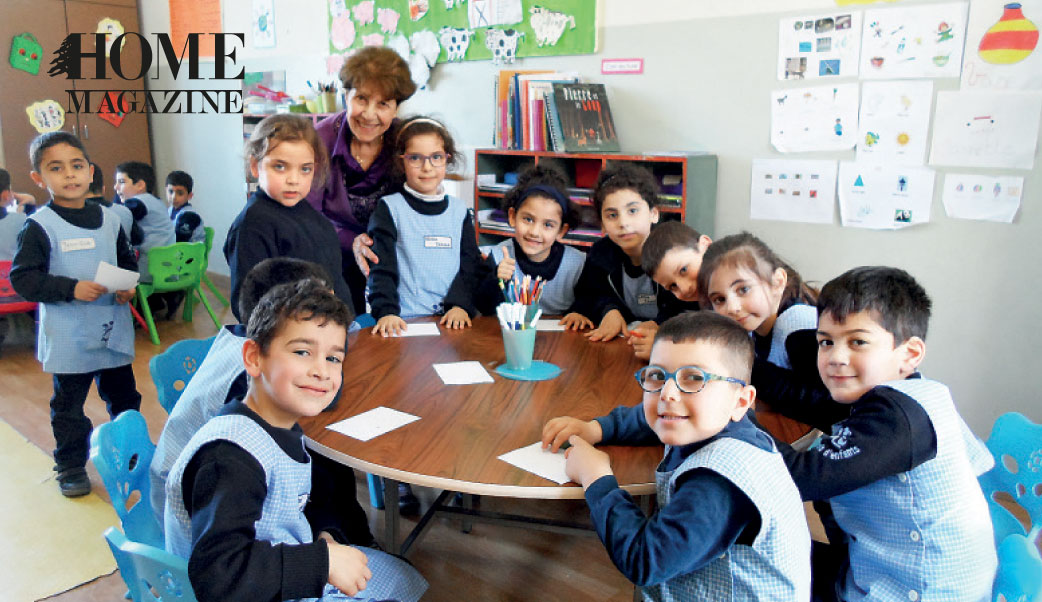
While there is no formal program to promote and facilitate senior volunteering in Lebanon, there are a number of exemplary volunteer programs that engage senior volunteers. Here we feature four of them. It is notable that the first three are managed by people who have grown into the status of senior volunteers, but started the programs before they became “seniors.”
Children’s Cancer Center of Lebanon
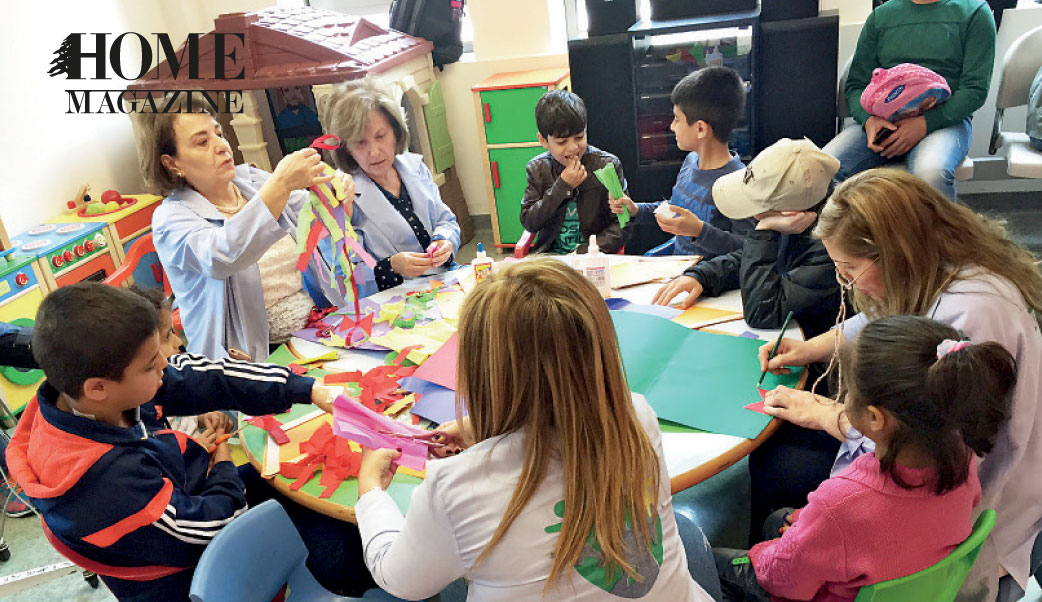
Christiane Makarem started volunteering at CCCL in 2002, and within a few months she was asked by the board to head the volunteer program. Most of CCCL’s short-term volunteers are students from AUB and local high schools serving a three-month term. In contrast, most of the long-term volunteers are seniors. The volunteer program arranges for retired teachers to provide one-on-one tutoring to children who cannot go to school during their cancer treatment because their immune system is weakened. Other senior volunteers provide delicious HOMEmade cakes and desserts that fit the nutritional needs of the children for special events at the center. And three of the senior volunteers are currently doing regular art activities with the children.
Paradis d’Enfants
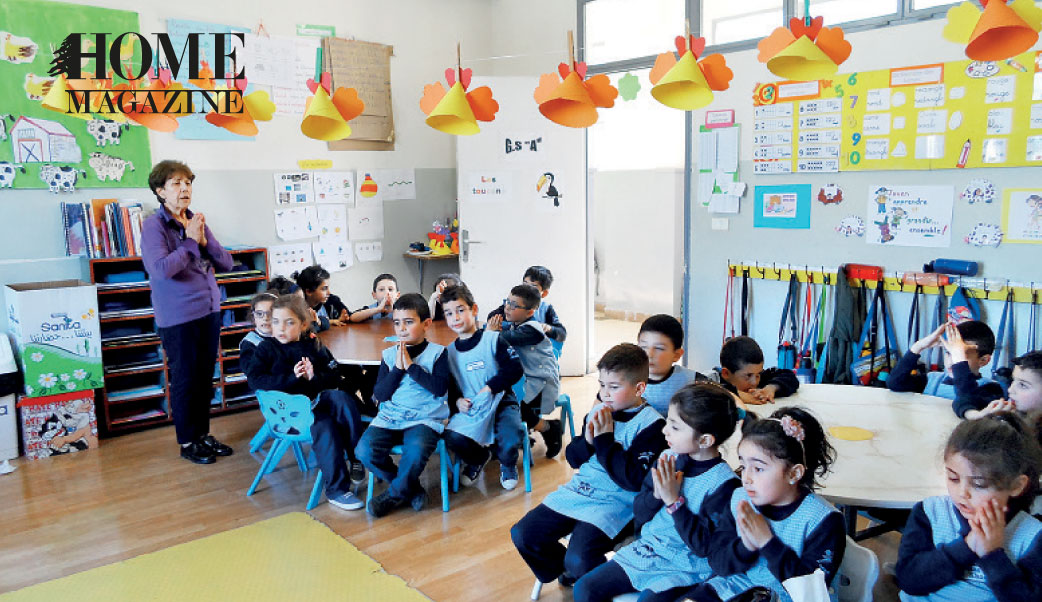
Paradis d’Enfants is an association that runs three quality non-profit primary schools in Ghadir, Ghosta, and Haret Sakher for elementary school students in Kisrwan who cannot afford to attend private schools. The association was established by volunteers in 1997, and, since then, volunteers have played an important role in its schools. Its director, Maritta Frem, shared with me the story of the association’s two oldest senior volunteers:
Marie Charlotte Khoueiry, 81 years old, has been a volunteer for the past 17 years. She started volunteering after the death of her husband and her only son and after her daughters had traveled and married in America. She volunteers three days a week for two of the schools, helping the children with their school activities as well as helping the administrative staff. As she explains, volunteering taught her the love of children and deepened her affection and respect for others. She credits volunteering with saving her from despair.
Afaf Nakhoul is 80 years old, and has 5 children and 11 grandchildren. She has engaged in volunteering for Paradis D’Enfants for 19 years. Every Wednesday she teaches catechism to the children. She volunteers in order to feel useful and do something for others, and says that it gives her both joy and peace of mind. Knowing the great value of volunteering to herself and those she helps, she would like to help implement strategies to recognize, promote, and facilitate volunteering, especially senior volunteering.
Ain Wazein
Amal Rasamny developed a volunteer program to support the Ain Wazein elder care residential facility in Shouf in 1998. While some schools and organizations occasionally visit to do volunteer work, most of the long-term volunteers are seniors. They visit the center weekly to organize activities for the elderly – cards, backgammon, drawings, puzzles, and reading. They arrange for outings to restaurants, and organize celebrations for birthdays and holidays. And every three months they have a Mankoushi Day in the garden. All these activities are financed by fundraising activities run by the volunteers.
Informal Volunteering
A final type of senior volunteering in Lebanon deserves mention. Many seniors in the country engage in informal volunteering, helping neighbors, friends, and relatives in need. And many volunteer for formal and informal initiatives that help those less fortunate in their local communities.
Conclusions
Senior volunteers already make important contributions to Lebanese society. Could more seniors in Lebanon volunteer? Definitely. And they, too, could reap the many benefits of volunteering. Hopefully, a volunteer program focused on retired and senior volunteers can be developed in Lebanon, modeled on comparable programs worldwide. Such a program would focus on linking seniors with meaningful volunteer opportunities in organizations and institutions that appreciate their value while accommodating their special needs – for the health and well-being of the volunteers, those they serve, and society in general.
For more information:
- Volunteering and Older Adults, Final Report, February 2013, Volunteer Canada
- RSVP – Retired and Senior Volunteer Program (United States, United Kingdom)
- 5 Reasons Seniors Should Volunteer Their Time, Senior Living Blog, http://www.aplaceformom.com/blog/9-26-14-reasons-seniors-volunteer/



HOMEland
Coming Soon
HOMEland Events & Collaborations
Coming Soon
 Signature Boutique