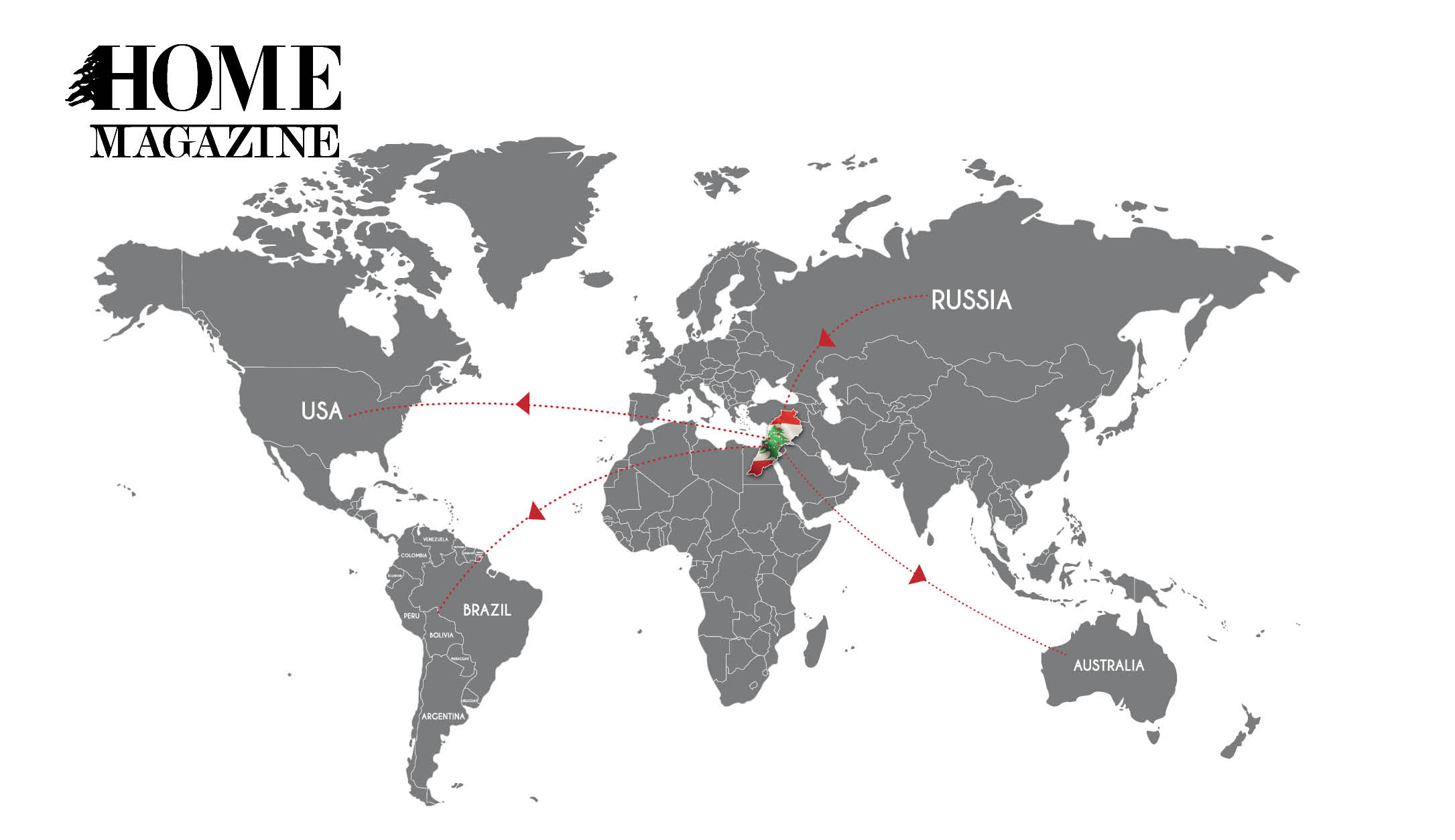
From Russia to Syria and Lebanon, and on to many points of Lebanese migration worldwide, the Skaffs have retained a sense of their family identity. Whether in politics, business, or music, they continue to make their contributions in Lebanon and in the host societies where they have emigrated.
Family origins
Tracing a Lebanese family centuries back to understand its origins can be very difficult and sometimes impossible. Often, the origin story generally accepted by the family does not have any hard evidence to support it, although that may not make it any less valid.
One member of the Skaff family, Dr. Gabriel Skaff, spent more than 50 years researching the Skaff family history and genealogy. Unfortunately, all his records were ruined during the Lebanese Civil War when a bomb destroyed his clinic in Zahle. He has since passed on, but his son Dr. Roger Skaff committed much of his father’s research (though not the detailed genealogy) to memory.
I visited Dr. Skaff at his HOME, one of the traditional Skaff HOMEs in Zahle, and he welcomed the opportunity to share his knowledge of the family.
A core understanding of the family’s origins, presented by a number of different family sources, is that the Skaffs can be traced to the Russian family “Skove” or, as a Skaff in Michigan suggested, “Oskov.” Those are Latin transliterations of the original name in Russia’s Cyrillic alphabet, so there might have been variations of how it was transliterated from the Cyrillic to the Arabic alphabet and then on to the Latin alphabet. There are also families that have branched out from the Skaffs, taking on other names and thus losing
connection to the family core – families like Aazan, the family’s apparent town of origin in Russia, as well as Hajj Shahine, Qandil and others.
According to Dr. Skaff, the Russian Skaffs came to the region with the invasion of Ottoman Sultan Salim, settling first in Syria. Independent historical accounts note that Sultan Salim achieved the conquest of the entire Mamluk Sultanate of Egypt, including the Levant (what is now Syria, Lebanon, and Palestine), between 1516 and 1517, so it is likely that the Skove>Skaffs came to Syria in 1516-1517.
From there, part of the family later went to the Bekaa Valley, one branch to Aital-Fukhar and another to Tal Sirhaoun near Bar Elias. Later, the Tal Sirhaoun Skaffs went to Zahle after a fight with people in Bar Elias. From there, they moved out to other parts of Lebanon. Those explaining the Russian origins of the family point out that this is why one finds tall, blond, blue-eyed Skaffs. This may be true, though this would have been considerably diluted through intermarriage with families of other origins over some five centuries.
Dr. Roger notes that the Skaffs were all originally Orthodox, in keeping with their Russian Orthodox origins, but in time the family developed a lot of religious diversity. Zahle, which seems to clearly be the heart of the family in Lebanon, has both Orthodox and Melkite (Greek Catholic) branches; in Jezzine they are Maronite, in Tripoli and some places in the south they are Sunni, and in Kousba in Koura, they are Orthodox. Despite this religious diversity, the Skaffs are most well known as leaders of the Melkite community in Lebanon from their base in Zahle.
Politics
Skaffs have played an important role in Lebanese politics since Lebanon’s independence. Elias Tohme Skaff was the first political figure in the family, becoming a member of Lebanon’s first parliament. He had a lot of property in the Bekaa Valley, including what has become the Ammiq Vineyards, still owned by Skaffs.
He had two sons, Joseph and Michel. Joseph Skaff assumed the political mantle of the family and was popular across the sectarian spectrum. He was a deputy and a minister many times until he died in 1991. His brother Michel Skaff also was elected to parliament for one term, representing West Bekaa. Joseph’s son Elias (Elie) Skaff was born in Cyprus and raised in New Zealand by his Greek mother. He came back to Lebanon in 1964 at the age of 15. Overcoming his initial difficulties with the Arabic language, he followed his father’s political path, being a deputy and a minister many times before his death in 2015. Most recently, Michel Skaff, Elie’s cousin, and Myriam Skaff, Elie’s wife, have both been involved in politics. Other Skaff political figures include Jean Skaff and Alfred Skaff, as well as Philippe Skaff, who was the first president of the Green Party of Lebanon, founded in 2008.
There are Skaff politicians in other countries as well. Paulo Antônio Skaf is a Brazilian entrepreneur and politician affiliated with the Brazilian Democratic Movement Party of São Paulo. He is also the first vice-president of Confederação Nacional da Indústria. Douglas John Skaff, Jr., is a former American politician from the state of West Virginia in the United States. He was a delegate to the West Virginia House of Delegates. He gave up his seat to run for the state senate in 2014, but lost the election.
And Skaffs have served in other key social roles. Dr. Gabriel Skaff, who served as one of the family historians, was a founder of the Order of Physicians in Lebanon, and was the Order’s representative of the Bekaa all his life.
Business
Another shared profession among Skaffs in different countries is furniture. Skaff furniture in Lebanon has a broad outreach providing interior design, furniture and carpets under its brand in many cities of Lebanon and other countries in the Middle East, as well as in Ghana. In contrast, Skaff Furniture and Carpet in Flint, Michigan, prides itself on being a locally-owned family business. It celebrated its 107th anniversary in March 2018. The Skaffs of Flint have supported many non-profit organizations and initiatives over the years.
Music
The Skaff family has a number of highly acclaimed musicians spanning from jazz to rock to classical. Greg Skaff from Kansas is a highly acclaimed jazz guitarist now living in New York City. His fifth album, Soulmation, was recently released in 2017 on the ZOHO music label.
Kevin Skaff is the lead guitarist of the American rock band A Day to Remember from Florida, which is known for their fusion of metal, punk and pop music. And Jorge SaadeSkaff, whose mother is a Skaff, is a highly-acclaimed classical violinist from Ecuador who has performed and won awards all over the world. In March 2017, he performed with the Lebanese Philharmonic Orchestra.
Emigration
More than most of the other families featured so far in HOME, the Skaffs have a long history of emigration. While they came to Lebanon probably in the mid 1500s, they appear to have expanded outward again some 300 years later. And their emigration has had two important characteristics – Skaffs started emigrating in the 1890s and they settled in many different countries – including the United States, Australia, Ecuador, Brazil, Colombia, Mexico and Canada. As a result, there are at least four generations of Skaffs born abroad in most of those countries.
It is noteworthy that many of the Skaffs interviewed for this article are from the third and fourth generations born abroad. Their grandparents and great grandparents emigrated long before Lebanon was an independent country.
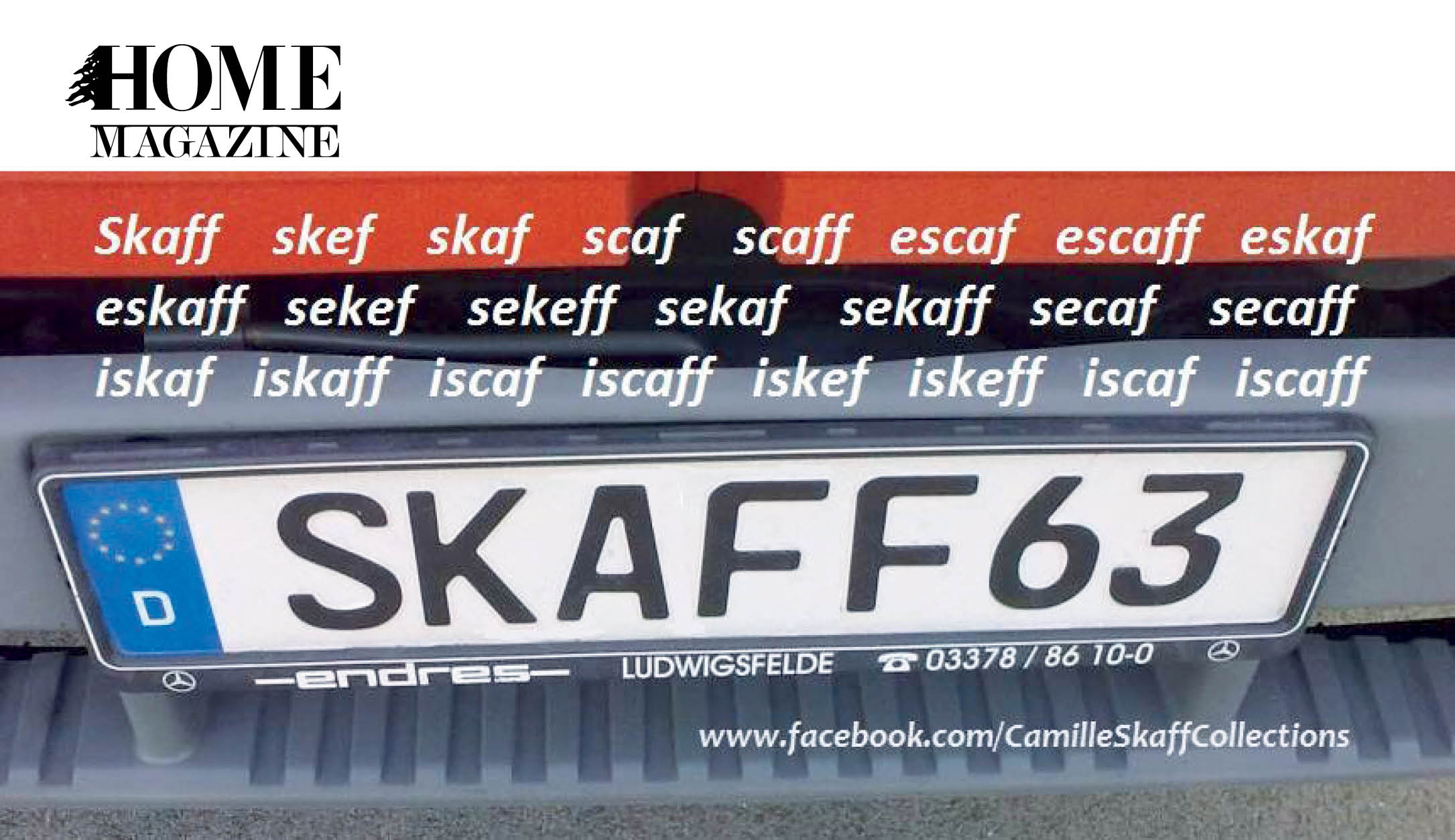
The name Skaff (سكاف) is written in many different ways around the world today.
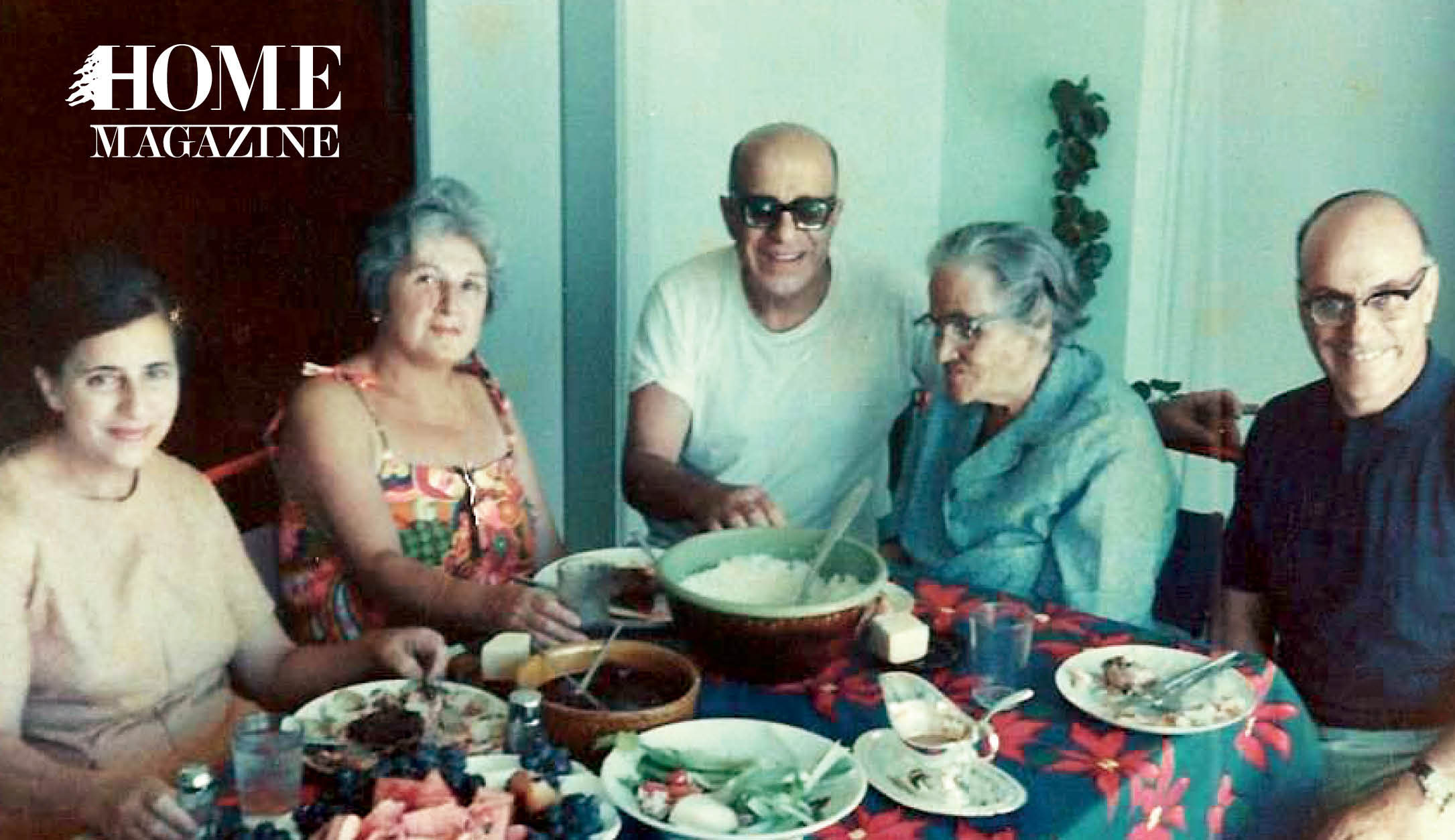
Nahida Herro Skaff, pictured with family, one of the original Lebanese emigrants to Australia.
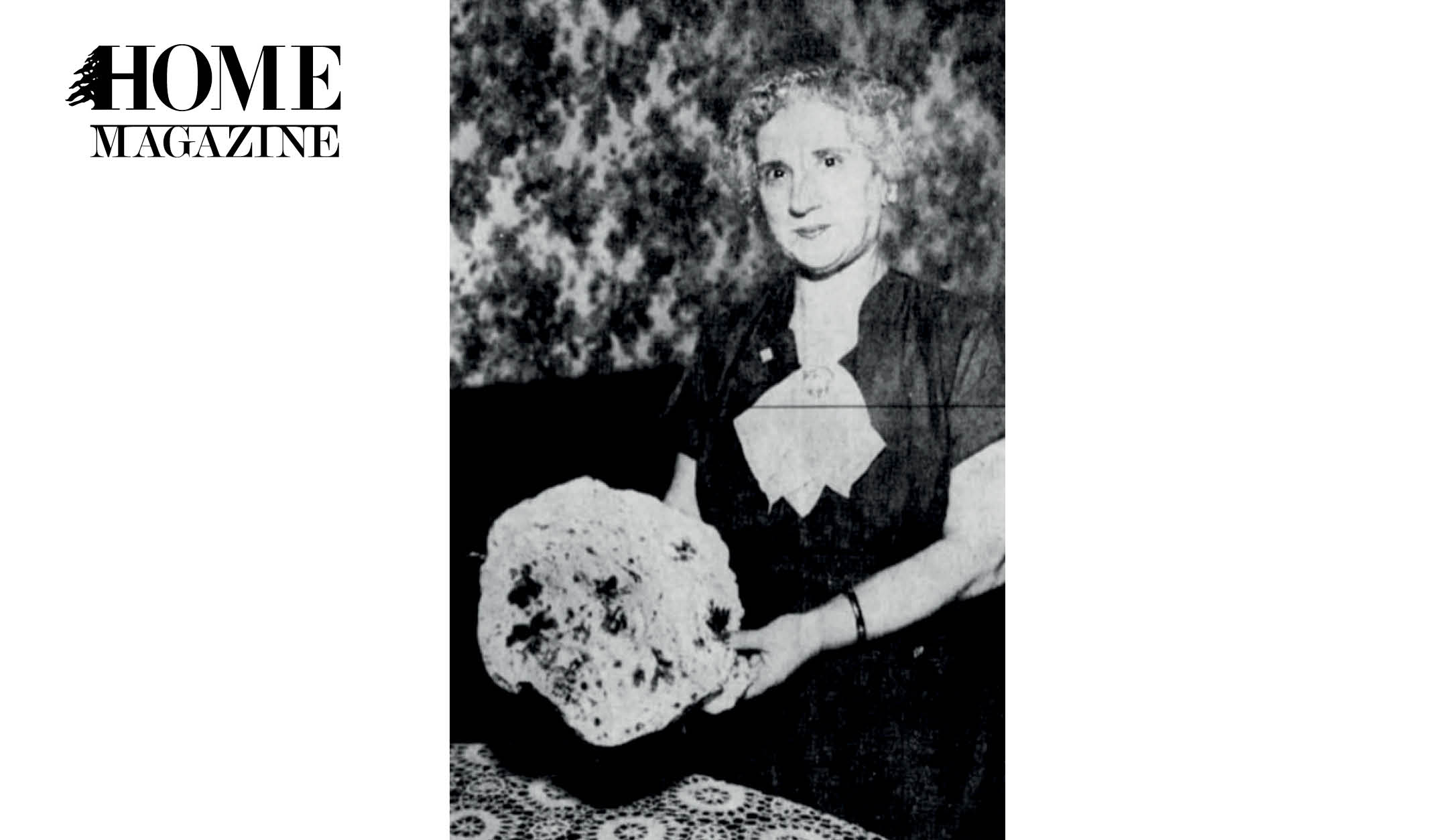
Abbie G. Skaff, champion of women’s rights.
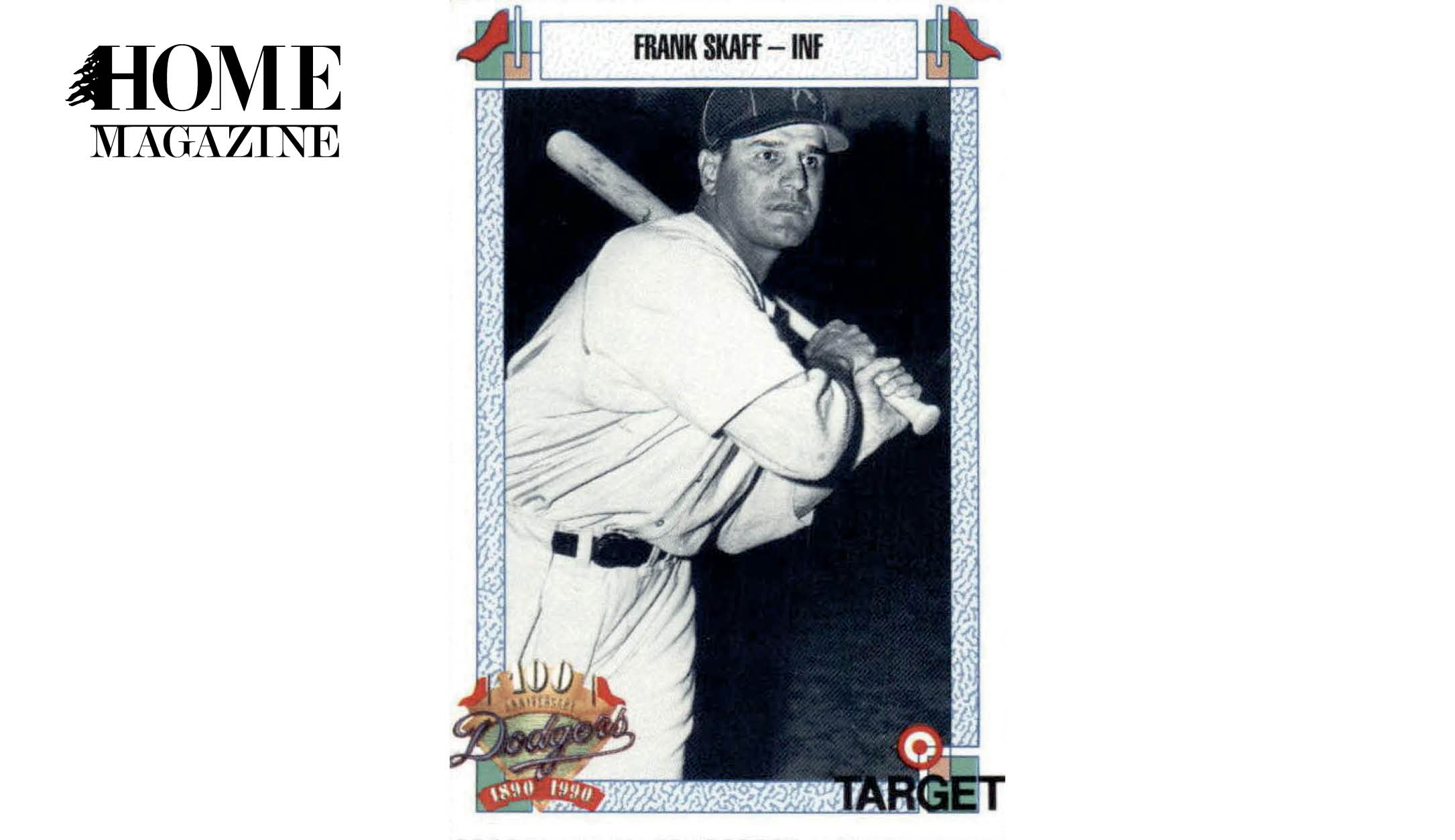
Frank Skaff, American Major League Baseball player, coach, manager and scout.
Remember always: the prize and the price are usually equal! Don’t deceive yourself that easy profits are the key to permanent success. Welcome adversity as a friend and ally, for it polishes the metal of the strong and the wise. Also, it erodes the will of the weak and the self-indulgent. Above all, you are your best friend or you can be your worst enemy!
Reuben F. Scarf 1966
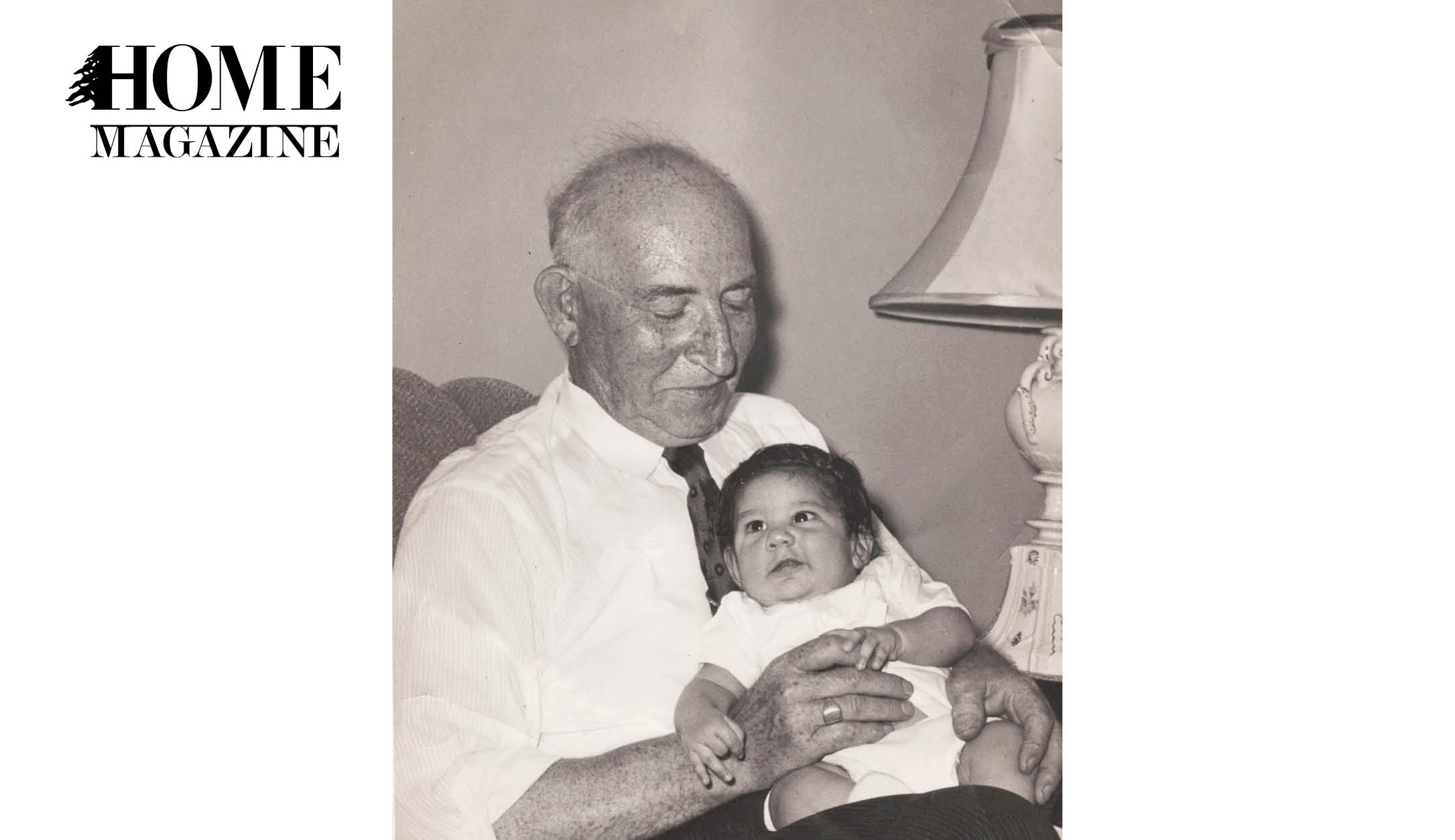
Greg and Grandpa Tounuce (Tannous) Skaff, 1953.
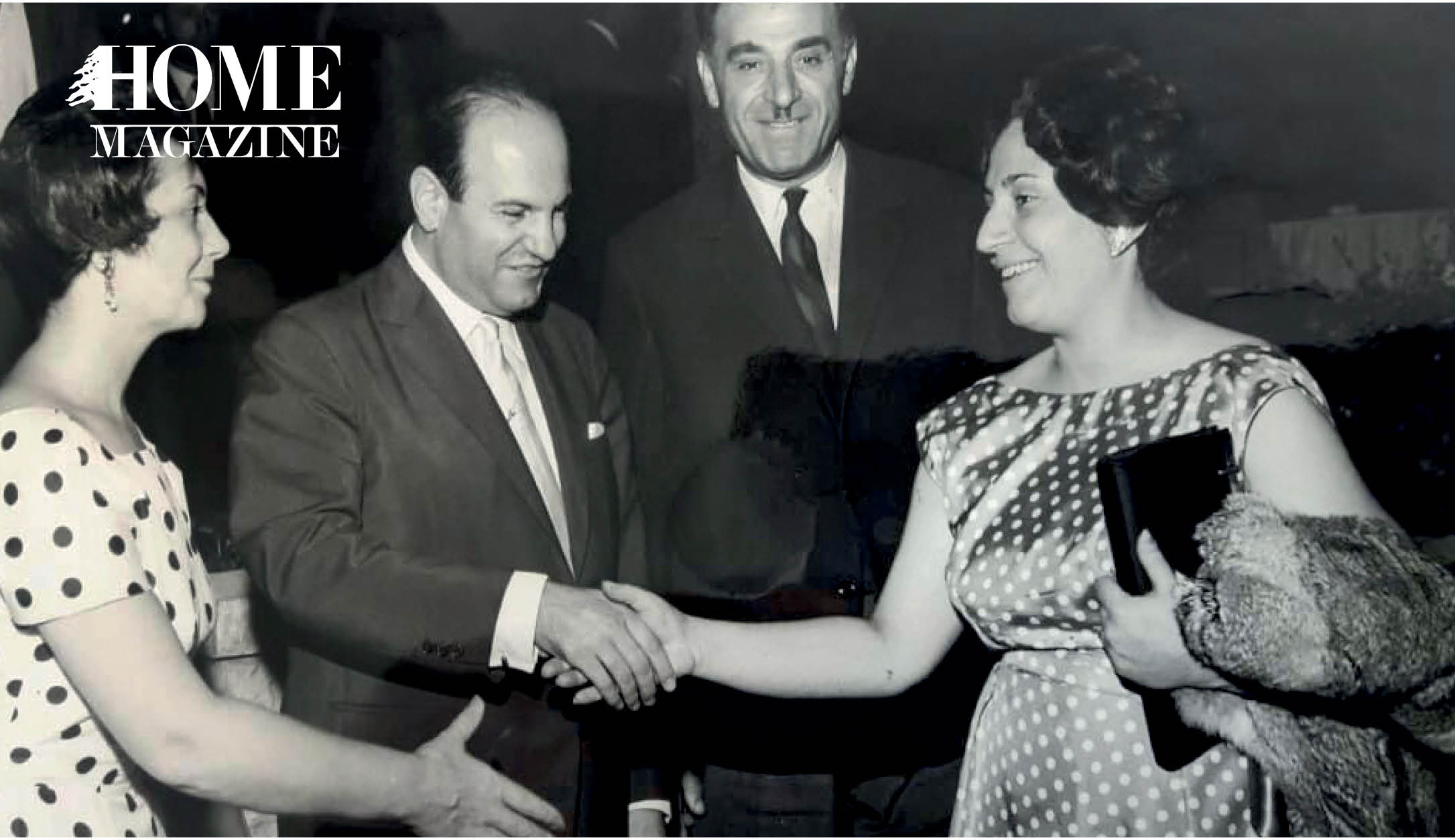
Minister and Mrs. Joseph Skaff with Dr. Gabriel and Jeanette Skaff in the early 1970s.
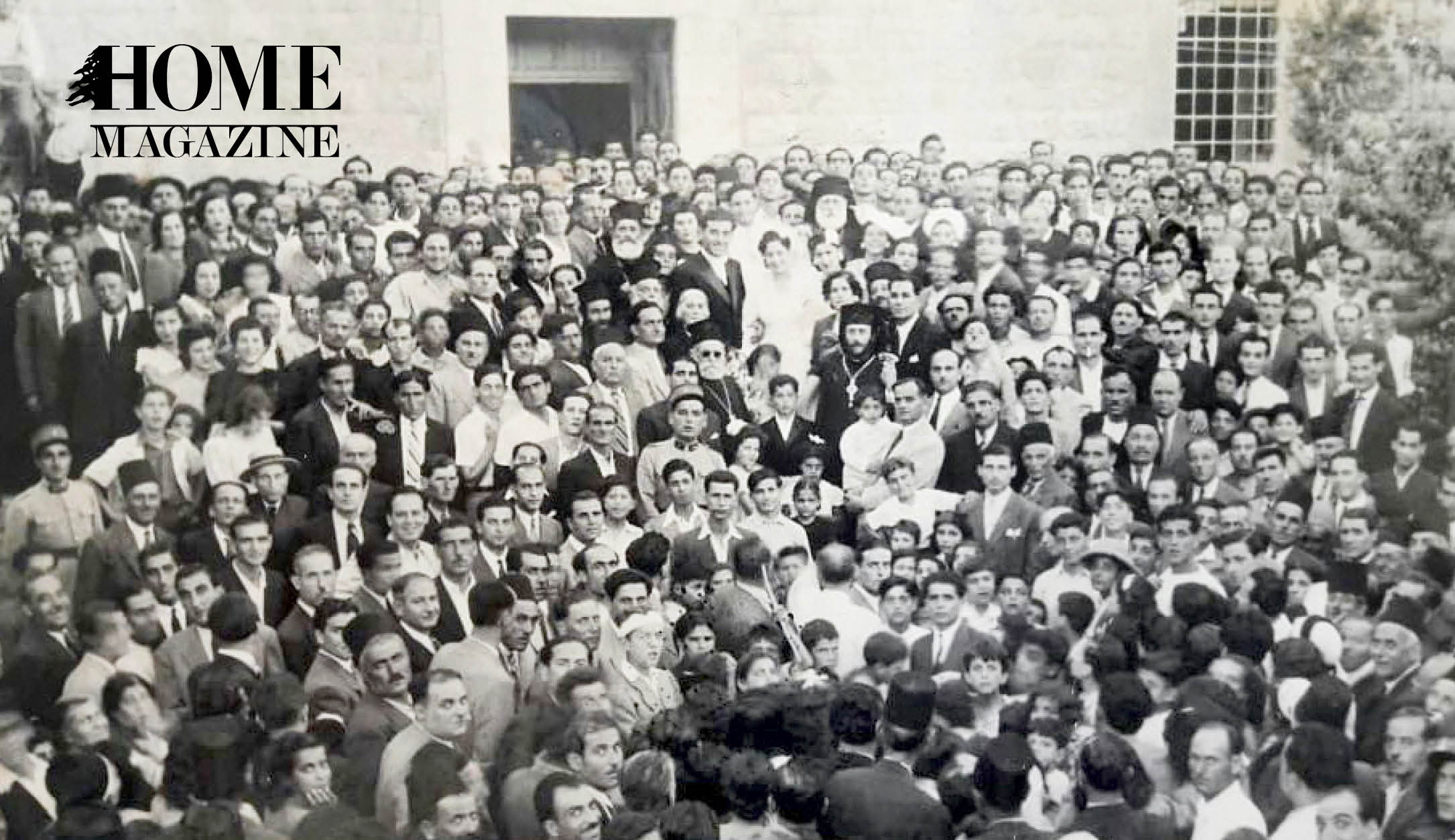
Wedding of Dr. Gabriel Skaff and Jeanette Skaff in 1944.
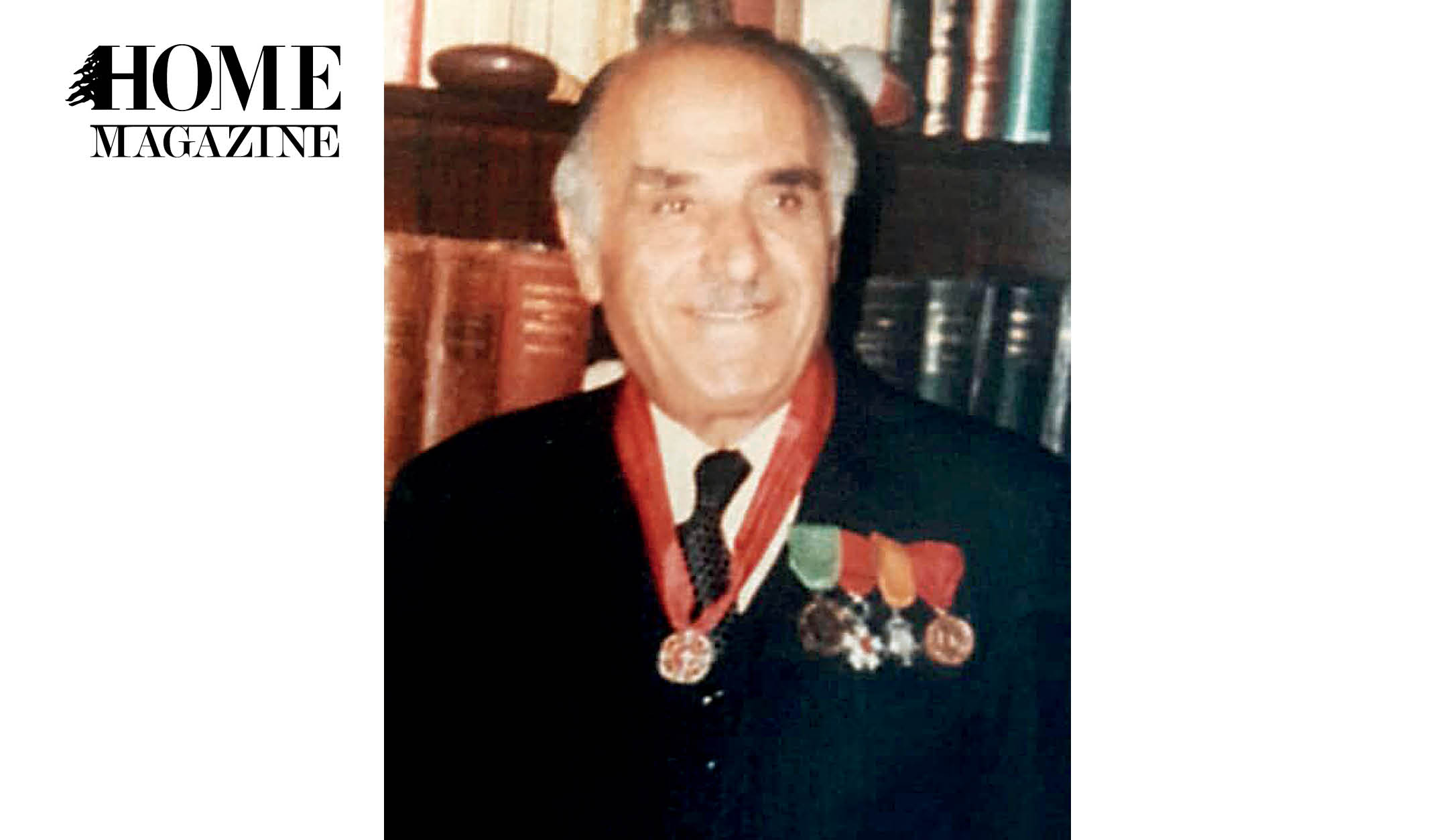
Dr. Gabriel Skaff in the mid-1980s.
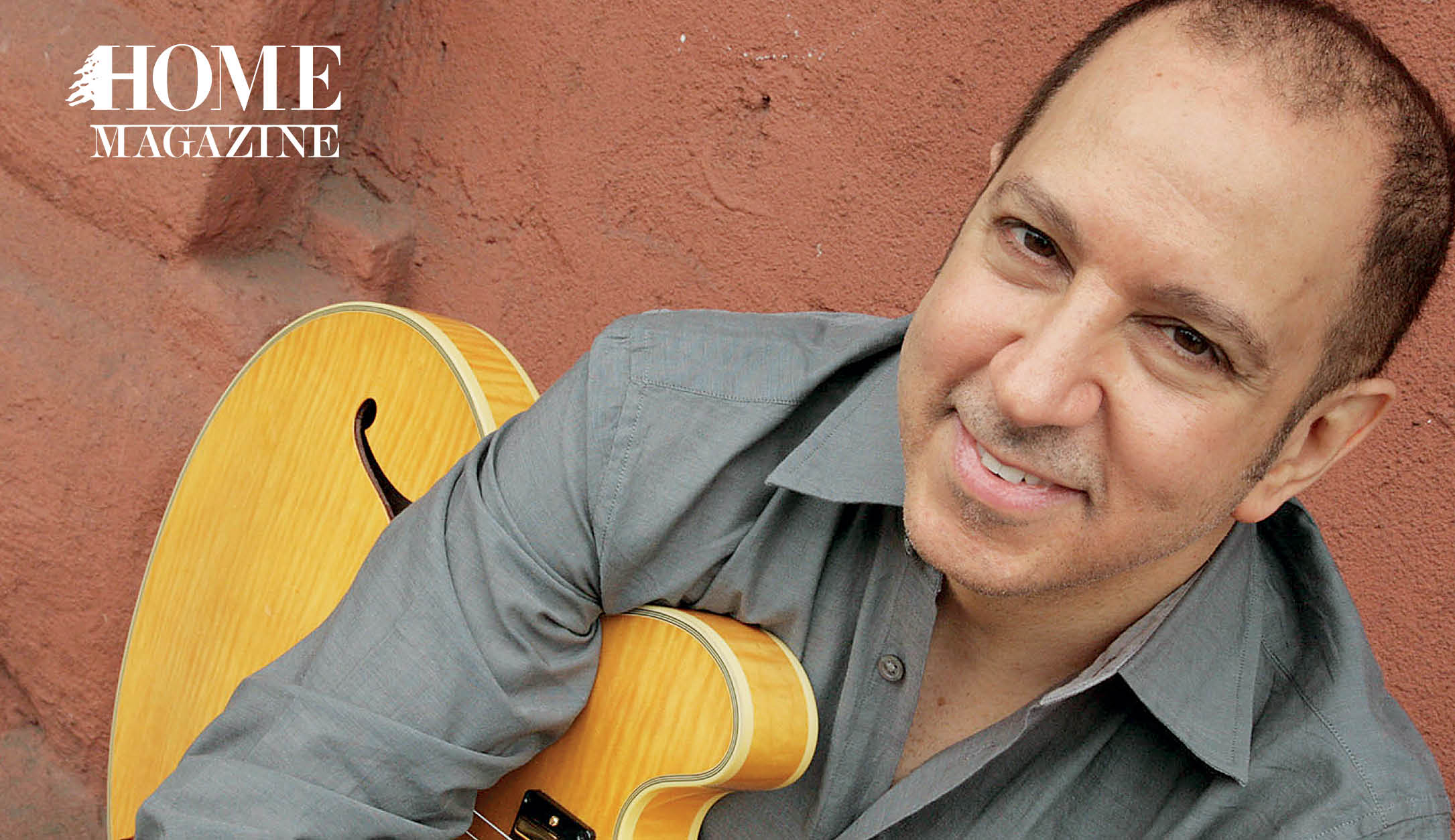
Greg Skaff, jazz guitarist
One such Skaff in the United States explained how he and one of his cousins had a serious argument about where their family was from – Lebanon, Syria or Turkey. In fact, their common ancestor emigrated from the Lebanese autonomous region of the Syrian province of the Turkish Ottoman Empire, so that, depending on how they were registered at Ellis Island, their place of origin might have been listed as Lebanon, Syria or Turkey – and all would have been correct.
A name change in Australia The main branch of the Skaffs in Australia started with Assaf Georgos Skaff, who was born in 1871 in Ain Bourday, a village south of Baalbek. Family records indicate that his grandfather “Makhoul (Michael) Skaff left Zahle in 1852 and moved to Ain Bourday because of certain action he took in defending his sister in Zahle.” Assaf married Nahida Rosa Herro, also of Ain Bourday. Assaf changed his name to Frank George Scarf when he emigrated to Australia in 1897. His younger brother Michael also went to Australia and changed his name to Scarf. And Michael Elias Al-Assis Skaff>Scarf from Zahle married and emigrated to Australia in 1902 at the age of 24.
The first Skaff in Australia, Assaf Georgos Skaff, originally went to northern New South Wales. Like other Lebanese emigrants to Australia, he probably peddled goods in suitcases
By Patricia Nabti, Ph.D. Volunteer For Lebanon Executive Director
before he settled down in Hillgrove and opened The Scarf Emporium. The family moved to Petersham in Sydney and setup a store in Annandale, which later Assaf’s son Reuben Scarf owned with his twin sister Millie Scarf.
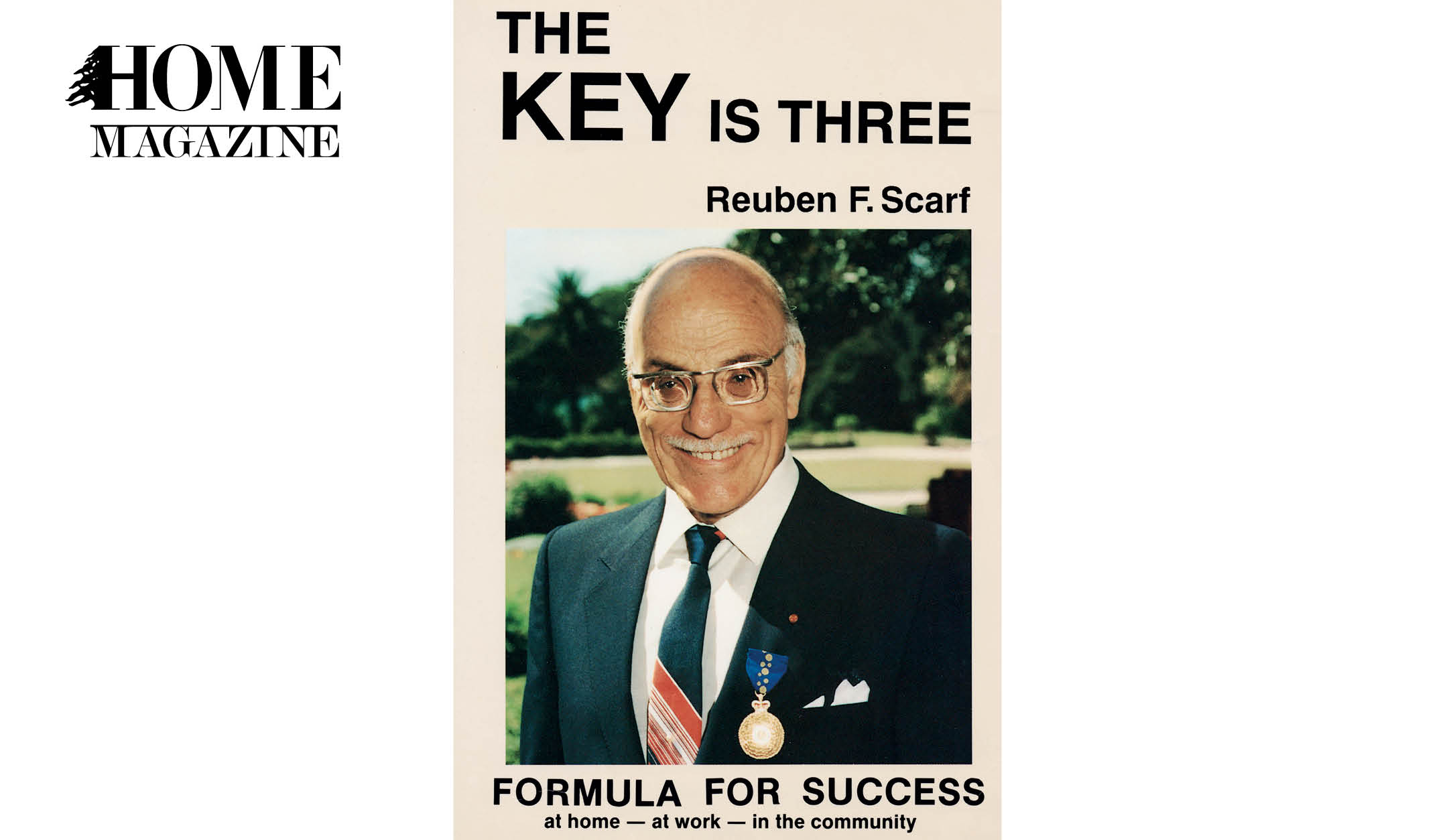
The Scarfs of Australia have gone into many different professions, but the most notable is their great success in developing retail stores, primarily selling men’s wear. There are more than 60 stores in Australia in four different chains bearing the Scarf name: “Reuben F. Scarf, Scarfs, Scarf Brothers and Herro/Scarf International. Reuben Scarf wrote a book called The Key is Three, published in 1990, that covers most of the family movements. He established the Frank and Nahida Scarf Memorial Foundation in 1972 in honor of his parents. The foundation’s name was changed to the Reuben F. Scarf Memorial Foundation upon his death in 1993. Its current focus is on schools in New South Wales, and education and orphanages overseas.
The Skaffs of the United States
In the United States, early Skaff emigrants have been traced to North and South Dakota, West Virginia, Iowa, Kansas, Ohio and Wisconsin, although there is no clearly documented relationship between them.
A Facebook group on the “Syrian/ Lebanese Community of LaCrosse, WI – 1890s – 1970s” includes a number of Skaffs. Two standout:
Francis Michael Skaff (Frank Skaff) (1910–1988), baseball infielder, coach, manager and scout in American Major League Baseball.
Abbie G. Skaff, who championed the rights of women and children and, later, actively worked with the LaCrosse YWCA.
One Skaff who emigrated from Lebanon in the 1890s as an infant was the grandfather of Joseph John Skaff, born in West Virginia. A product of West Point, Joe Skaff had an illustrious military career, including a period with the joint chiefs of staff at the Pentagon. He retired from the military as a twostar major general after 34 years of active duty.
Another Skaff, Tannous (Tounuce) Skaff, grandfather of musician Greg Skaff, was among the very early emigrants from Lebanon to the United States when he was 16 in 1899. He settled in Witchita and others in the extended family settled in Sioux City, Iowa. While most of the Lebanese community of Witchita were Greek Orthodox, the Skaffs were among three Catholic families.
HOMEland THEMES
Coming Soon
HOMEland Events & Collaborations
Coming Soon
 Signature Boutique