
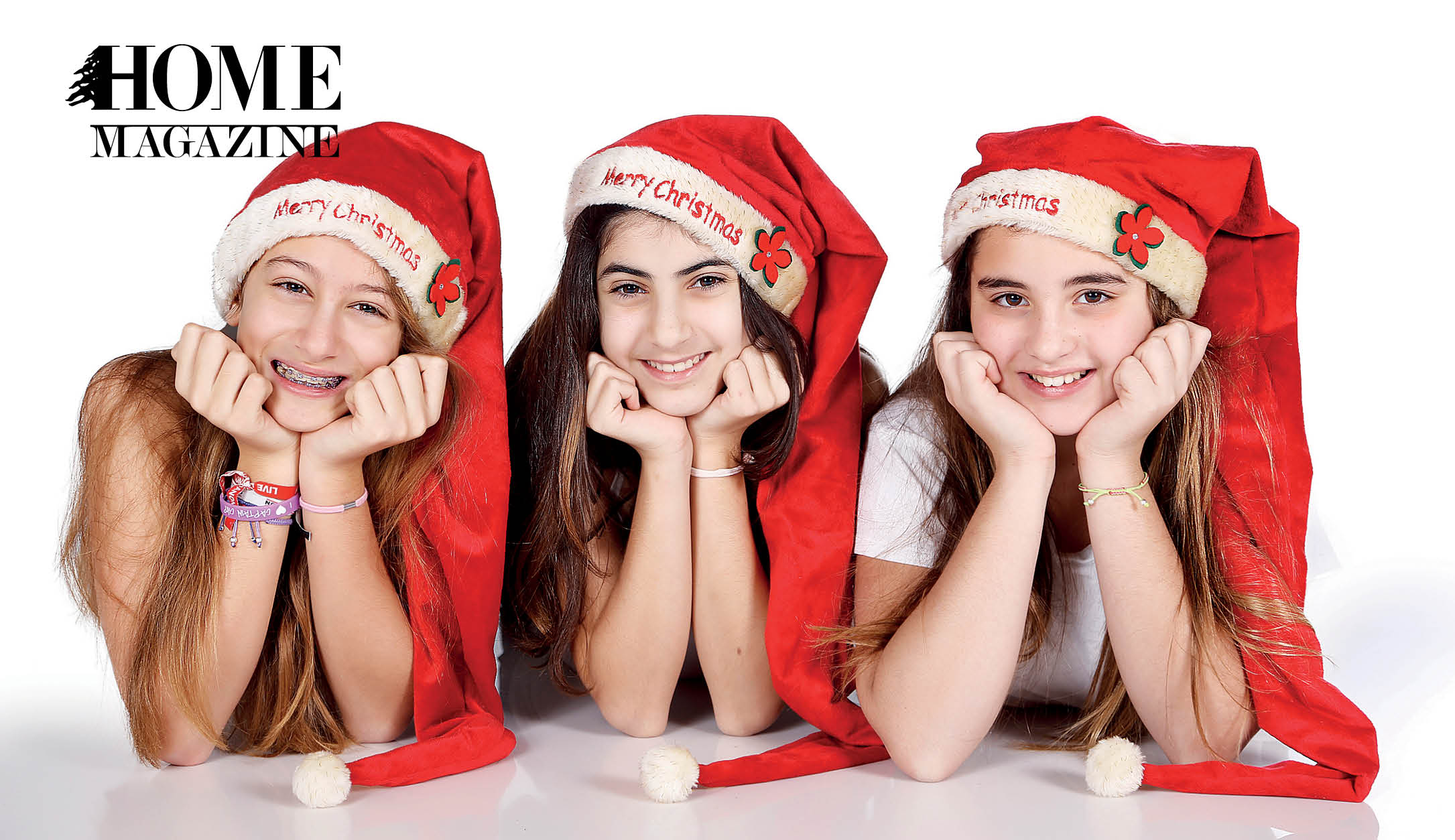
Photos by: Chocolate Fine Art Photography
How many gifts are you going to have under your Christmas tree this year? Ten? Twenty? Thirty or more? Parents are in a dilemma this time of year as they are caught between the urge to indulge children with tons of gifts and the fear of raising spoiled kids.
How is it possible to be Santa and a conscientious parent at the same time?
Let’s face it, every parent wants to buy everything on their child’s wish list and there’s no sacrifice we wouldn’t make to see their excited faces as they tear into those special items they’ve been longing for. But are we acting in our children’s best interest by transforming every corner of the house into a toyshop?
This year, my three year old son is receiving gifts from me and my husband, but also from two sets of grandparents, aunts and uncles, close friends and of course, Santa. Can we ever escape the “spoiling epidemic” of Christmas?
Why do we spoil kids?
• Social beliefs: We are brought up on the idea that happiness and spending are interlinked and that possessions allow us to enjoy life. Thus, we are told that our children’s happiness is dependent on what they own, so it’s easy to fall into the trap because we all want to be “good parents”.
• Parent’s guilt: Working parents may tend to buy lots of gifts to make up for the lost time they spend away from their kids. And home-based parents may do that as well to make up for disappointments that might arise while installing discipline.
• Peer pressure: It is very difficult not to buy that iPad for your 10 year old when all her school friends already have one since last year!

How’s excess harmful?
• Excess means happiness: This is the message parents are passing across when they shower their children with gifts. The more the merrier, more is better. But how will they feel if their future partner/friends don’t indulge them with tons of gifts? Are we allowing them to develop the right social skills?
• Excess means love: By keeping a regular stream of gifts, parents are teaching their children that they are valued through presents, and the bigger the number of gifts, the more they are loved. Children will grow up focusing much more on the material nature of objects rather than on the act of giving itself.
• Excess means security: Today’s children think it is their right to receive many gifts and it gives them a false sense of security, an overgrown sense of entitlement, and a lack of independence which surely will not be of help in their future relations.
• Excess means possessing not giving: When you give your kids too much, you teach them to expect too much, not to give. Is this what you really want?
How to escape spoiling kids?
• Wish list: Ask them to make a wish list and teach them not to expect to receive every single item.
• Extended family: Get the extended family involved in your decision. If you ever decide to cut down on the number of gifts – this is a collective decision!
• Traditions: Focus more on creating Christmas memories, such as fairs visits, cookie baking, Christmas caroling, volunteering… these are the true “actions” that create powerful memories not “things”.
• Slow down: Teach kids to open gifts slowly and take time to appreciate each one and express gratitude.
• Teach kids to prioritize: Not only on Christmas, kids would really benefit from learning how to narrow down their wish lists. Prioritizing is a life skill that one will use forever.
• Take it easy: It’s important to give children time to express the things they would like, without these wishes being fulfilled immediately. This is how kids will learn to dream, and imagine themselves in the future. It’s this “frustration” that builds their strength and allows them to become adults.
• Be confident: If you feel guilty and stingy, kids will pick on it and will play on your emotions. Kids can read confidence too. When you stand tall behind your noble motives, kids will think twice and perhaps will appreciate what they have just received rather than wining about what they did not get. Your confidence is their confidence.
• Be the parent not the friend: The truth of the matter is that every parent know very well that frustration and disappointment are an integral part of growing up, even if they come with tears and heartbreaks. These experiences are the reason why some children are more resilient than others, some have more inner strength, and some possess a great sense of self-control.
• Be an example: Kids learn most about gratitude when they see it. Be grateful by continuously expressing appreciation for the people you have in your life and the things you receive from them.
• Volunteer: Make Christmas count by volunteering as a family at a nursing home, or by visiting the poorest of the poor or even the sick and dying. Develop the social interests of your child rather than their self-interest; Christmas is about giving after all.
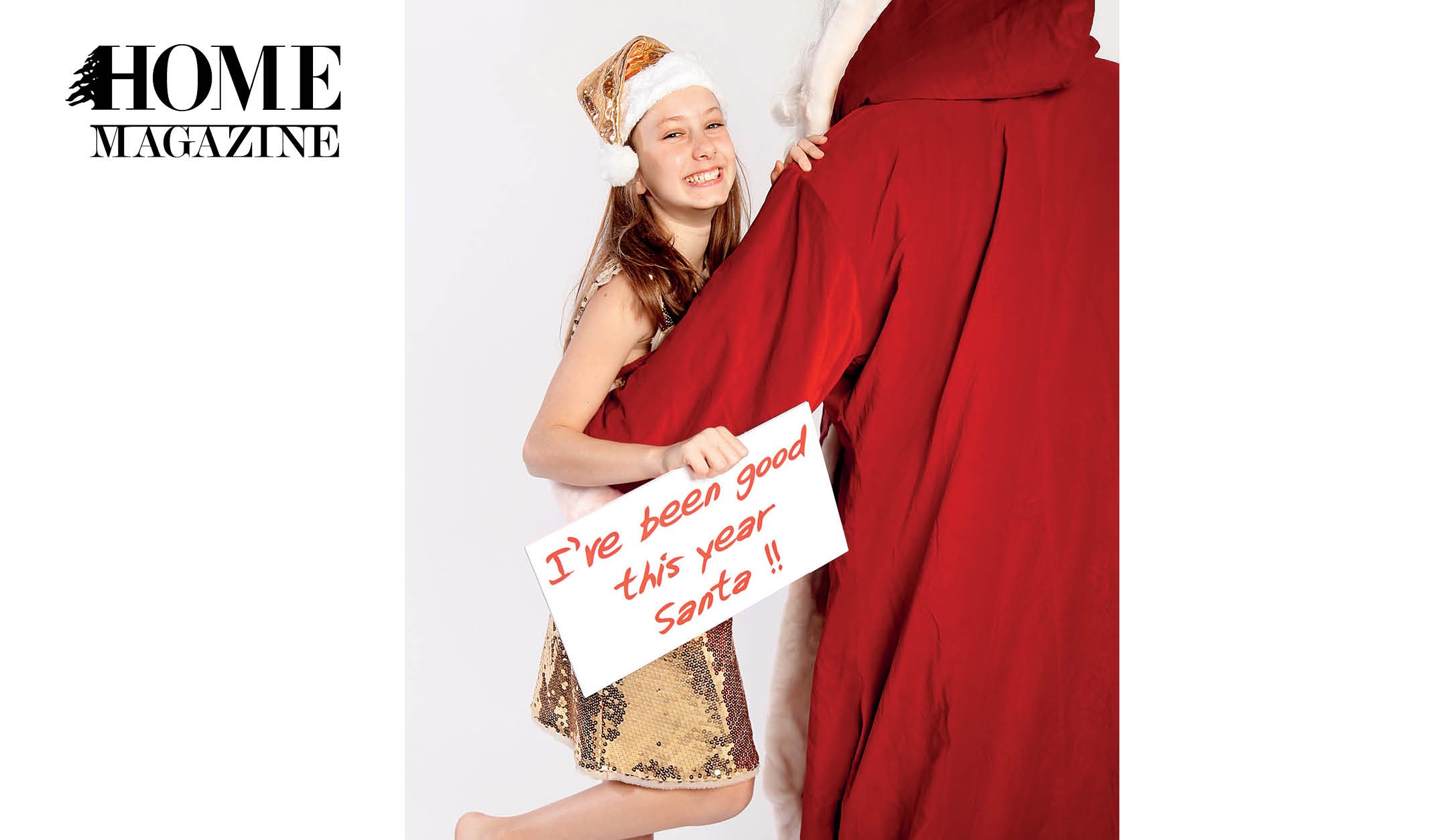
Christmas season is an exception; live it to the full and enjoy all its traditions. And no matter how many gifts you have under your tree this year, open them with glee. Children will always remember the cheer! Merry Christmas!



HOMEland THEMES
Coming Soon
HOMEland Events & Collaborations
Coming Soon
 Signature Boutique