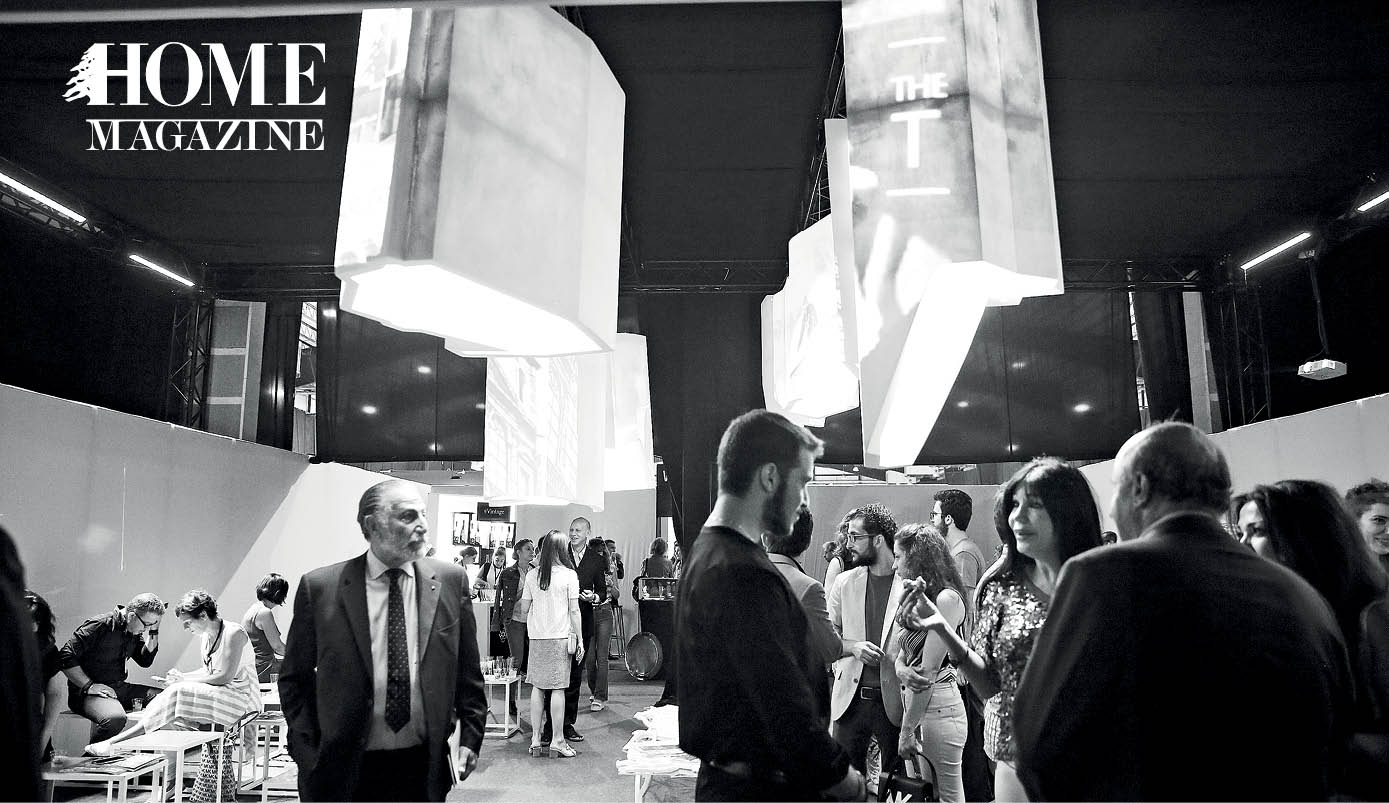
At the center of the Beirut Art and Design Fairs, HOME’s VIP Lounge was itself a statement of art.
Cars lined up bumper to bumper, some waiting more than an hour on the drive into the Beirut International Exhibition and Leisure Center, the huge modern hall between Beirut’s Downtown and the seafront. It was September 21, opening night of the Eighth Beirut Art Fair, one of Lebanon’s top annual events. During the five-day event, 28,250 people would come to see the work of 230 artists from 23 countries. The Beirut Art Fair, founded by Laure d’Hauteville, is world class, putting Beirut on the path of FIAC Foire Internationale D’Art Contemporain in Paris, Frieze London and Art Basel.
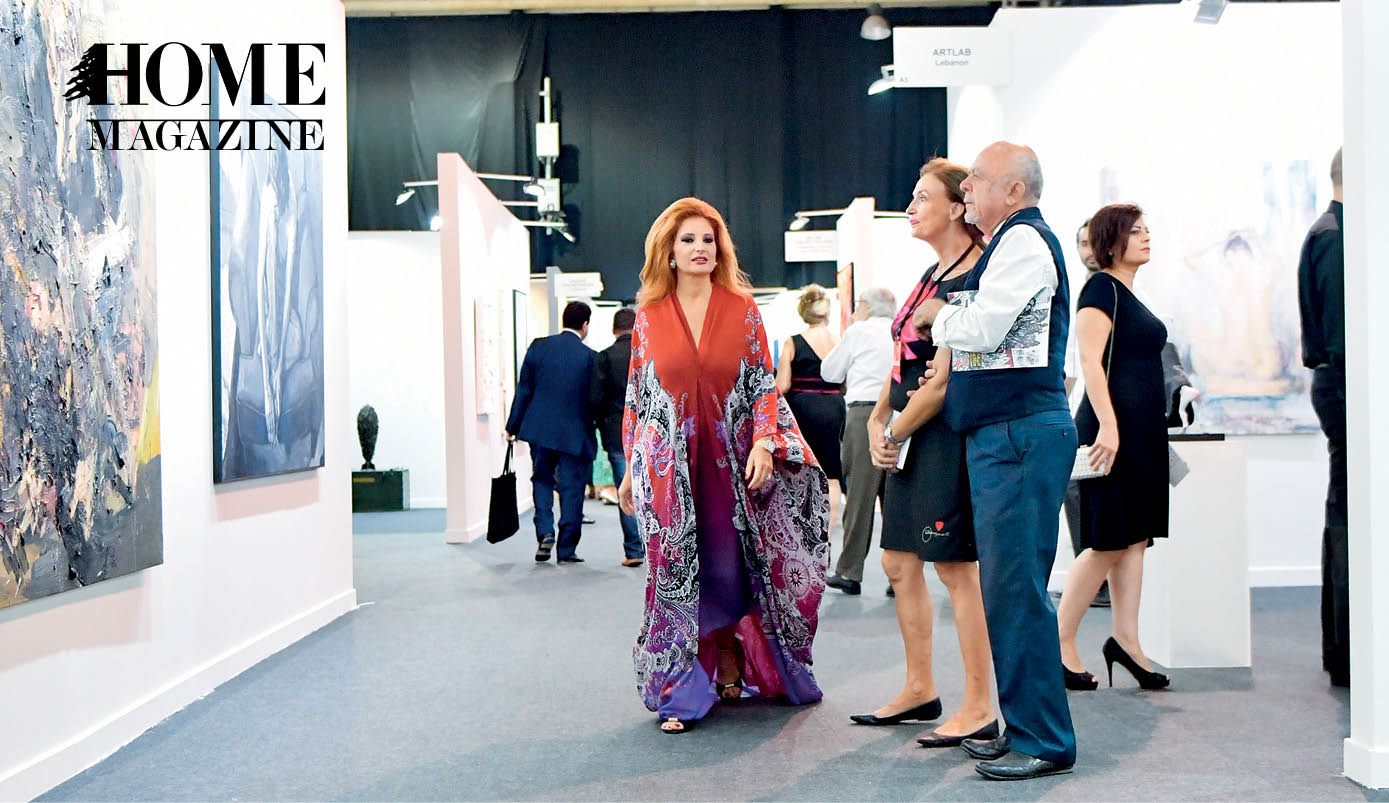
Once visitors finally inched their way to the entrance, valley parking staff opened the doors and guests dressed to the nines stepped out. They smiled to familiar faces. This event is their annual rendezvous with artists, gallery owners, dignitaries and business leaders — friends. This scene occurred on the previous night as well, with the opening of the Beirut Design Fair. Its auspicious first edition brought 16,700 visitors to see the work of 80 designers.
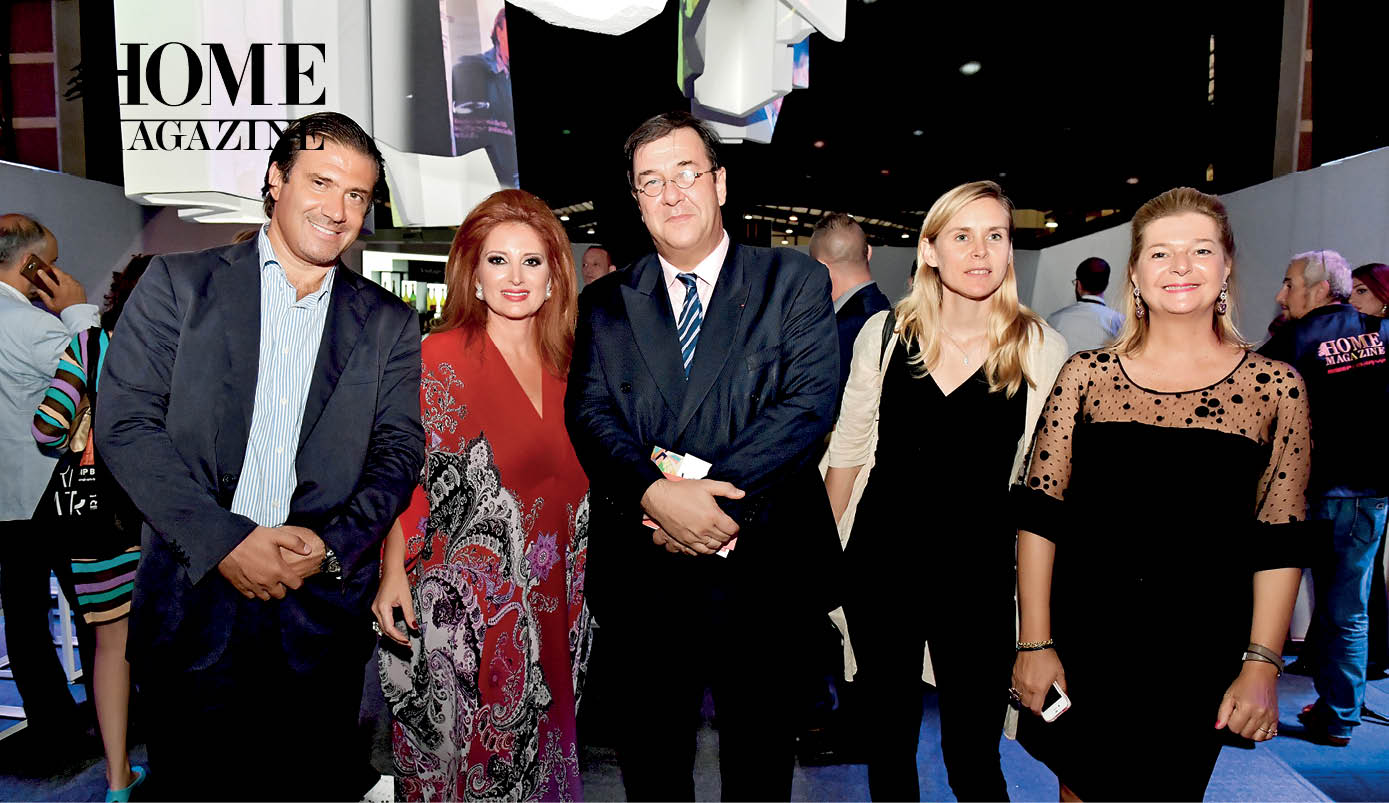
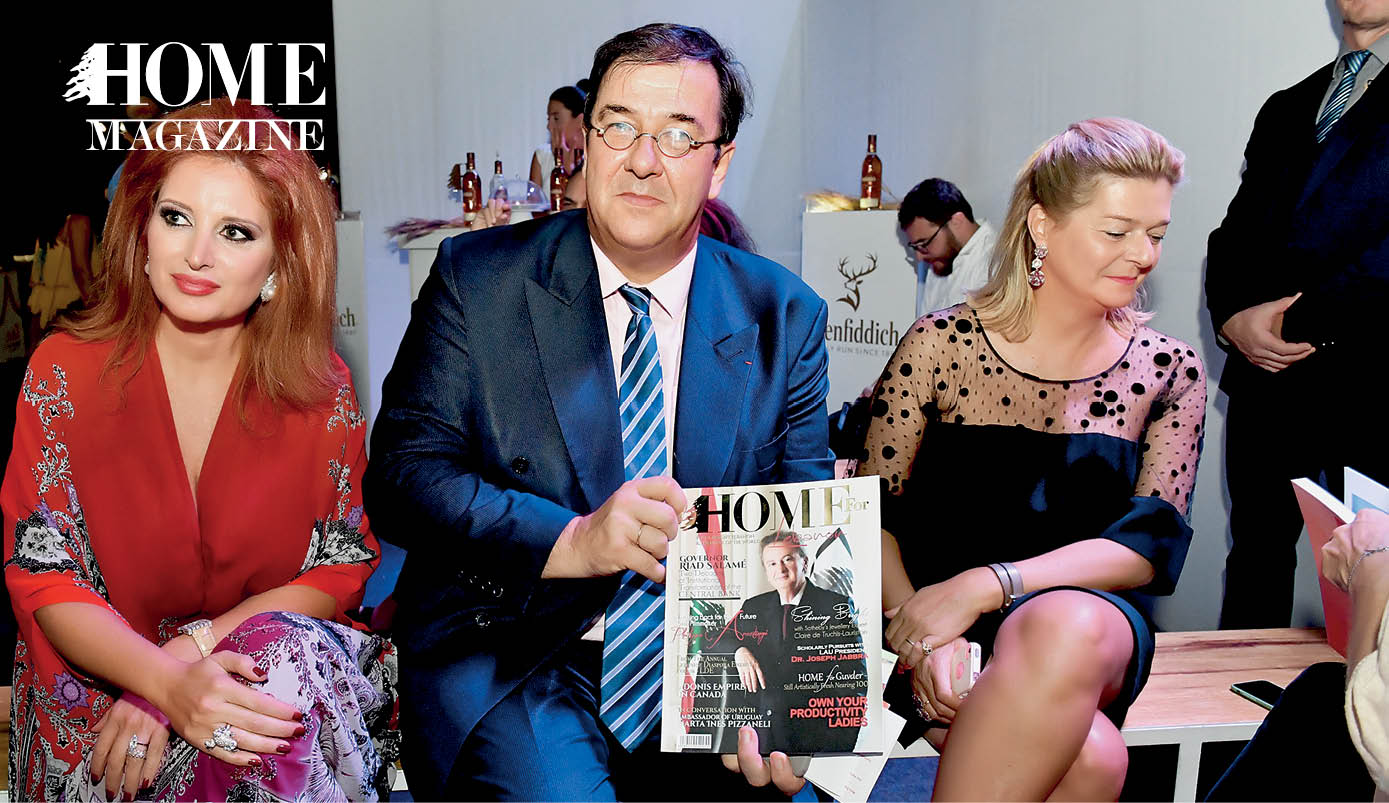
And HOME Magazine found its place right in the middle of the two simultaneous huge fairs. Guests entered HOME Magazine’s VIP Lounge from the Beirut Art Fair on one side and from the Beirut Design Fair on the other.
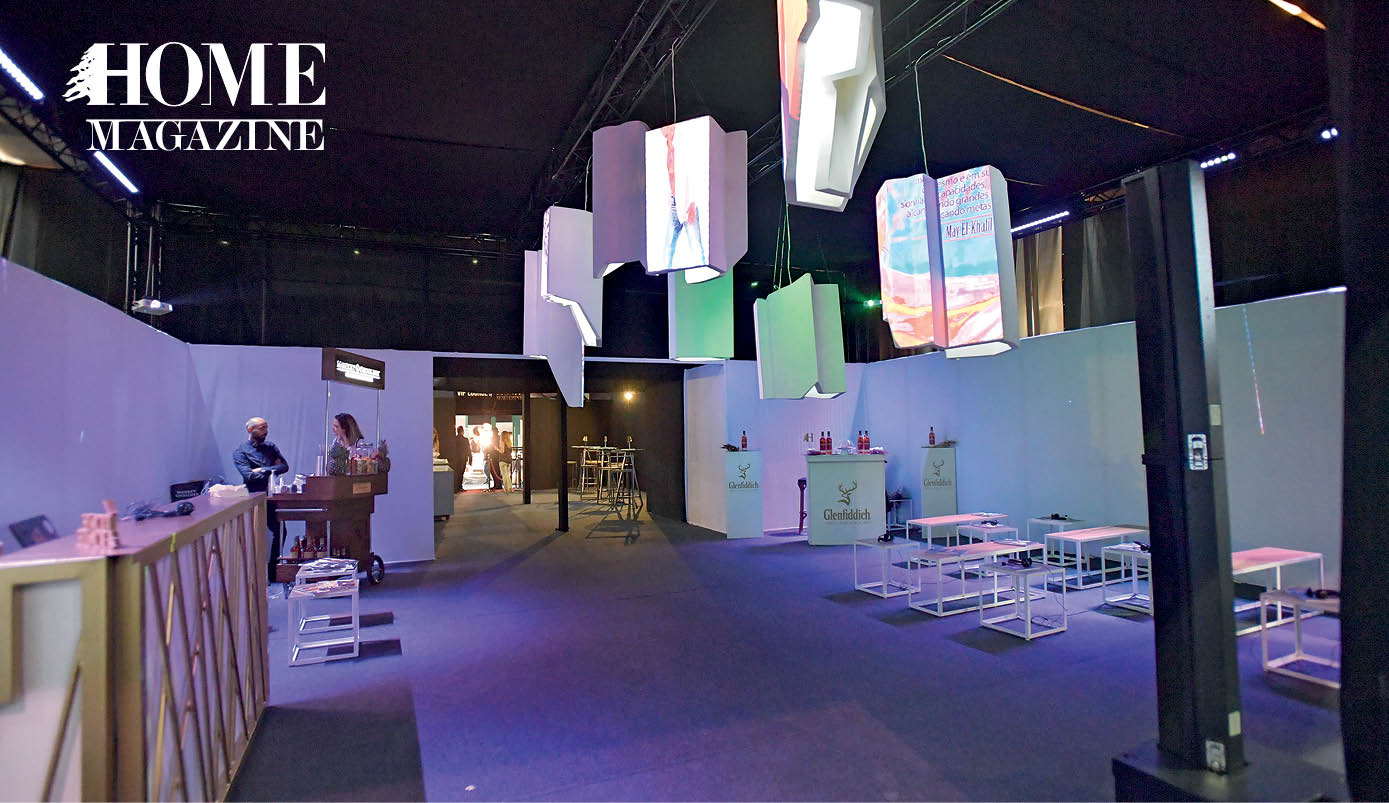
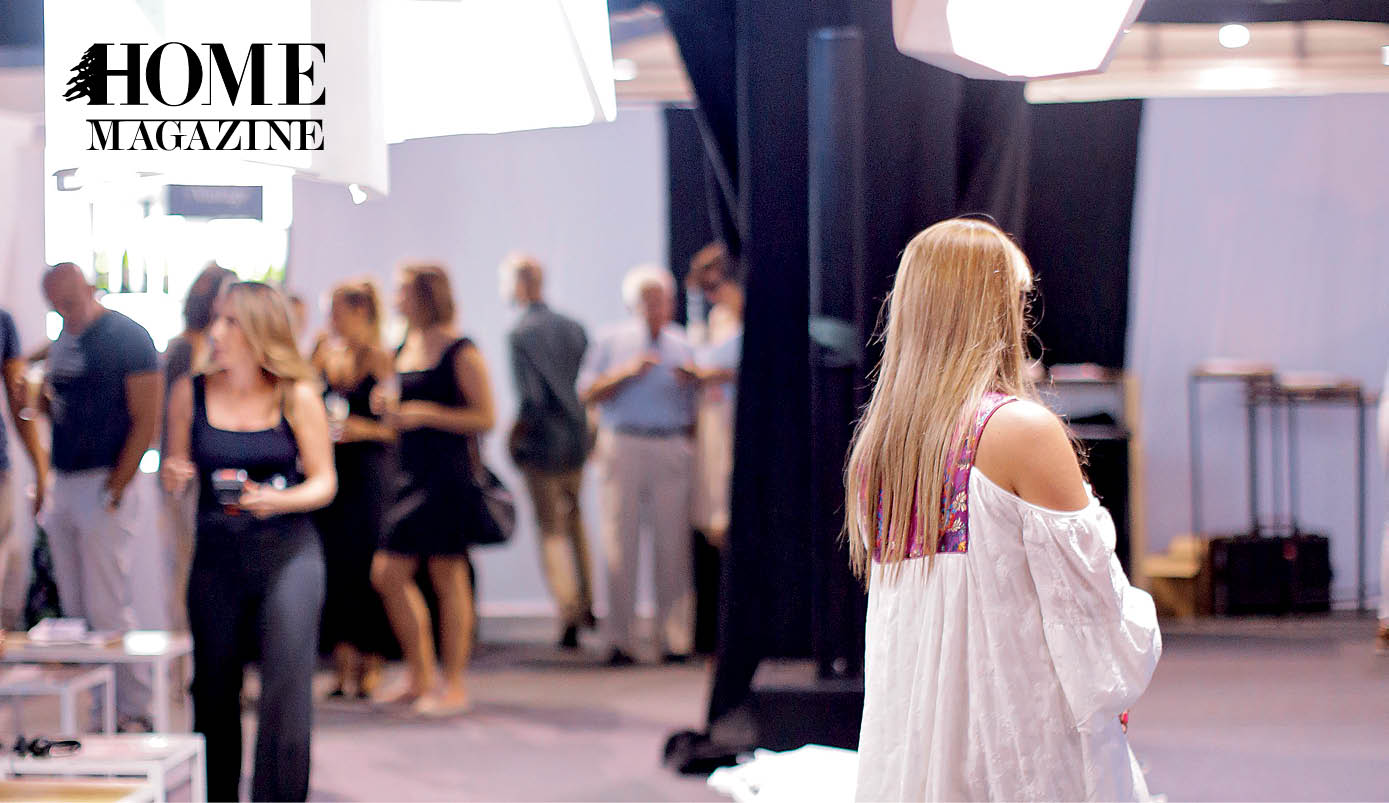
 They may have been surprised that in this space — a bridge between the two exhibition halls — they were still in a museum-like setting. Its modern design and artistic displays kept the focus on art. This was not a place to retreat from art as the salon atmospheres of other VIP lounges they may have visited; this was art itself. The large space felt intimidating in size and intimate in the smiles and greetings of the HOME team.
Well before the fairs opened, HOME’s team started planning by meeting with scholars, artists and students in a long process of thinking through how to best use this choice location.
 The space became a place to say something. Even the choice of medium — to use digital art — made a statement. By pioneering a new art form, HOME pushed Lebanon into the forefront, the cutting edge, a place where new art forms flourish and are appreciated.
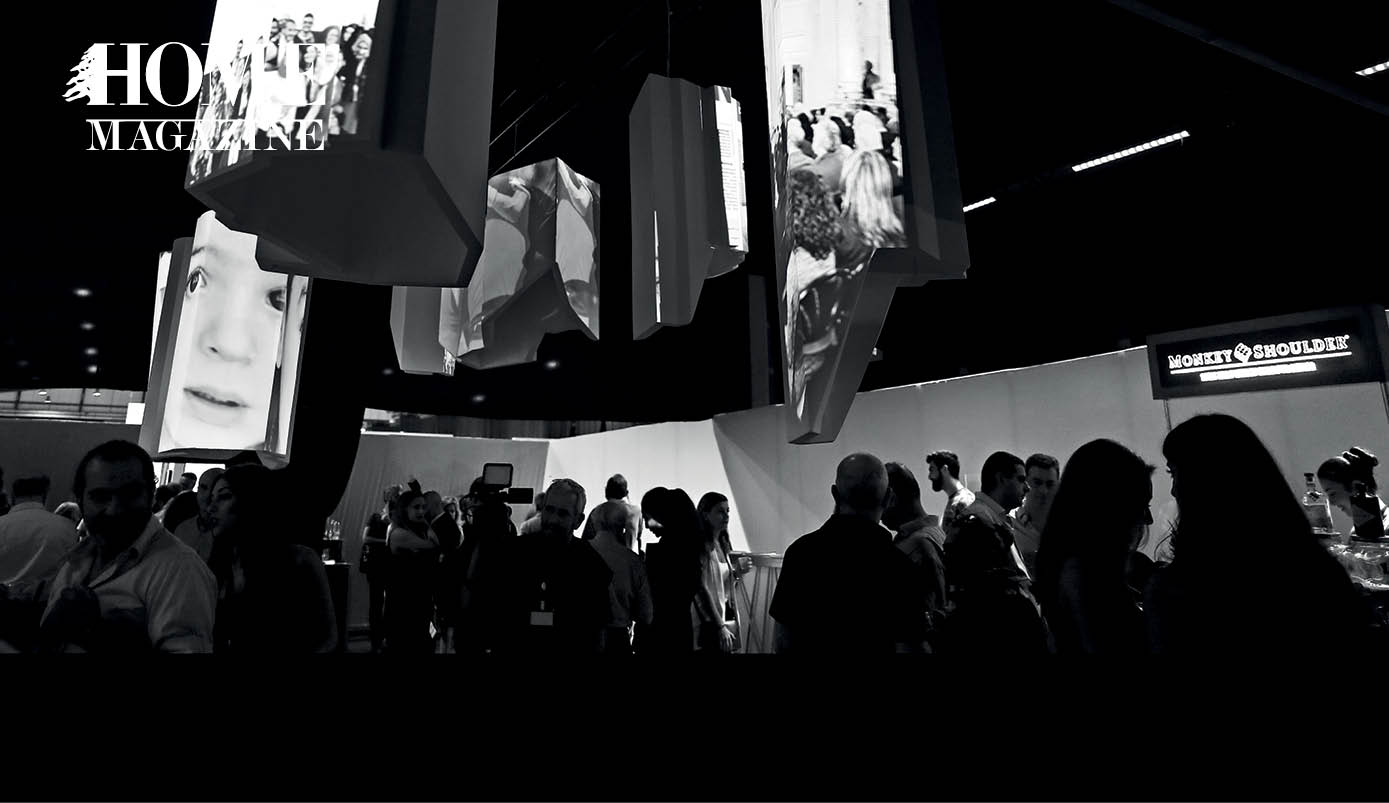
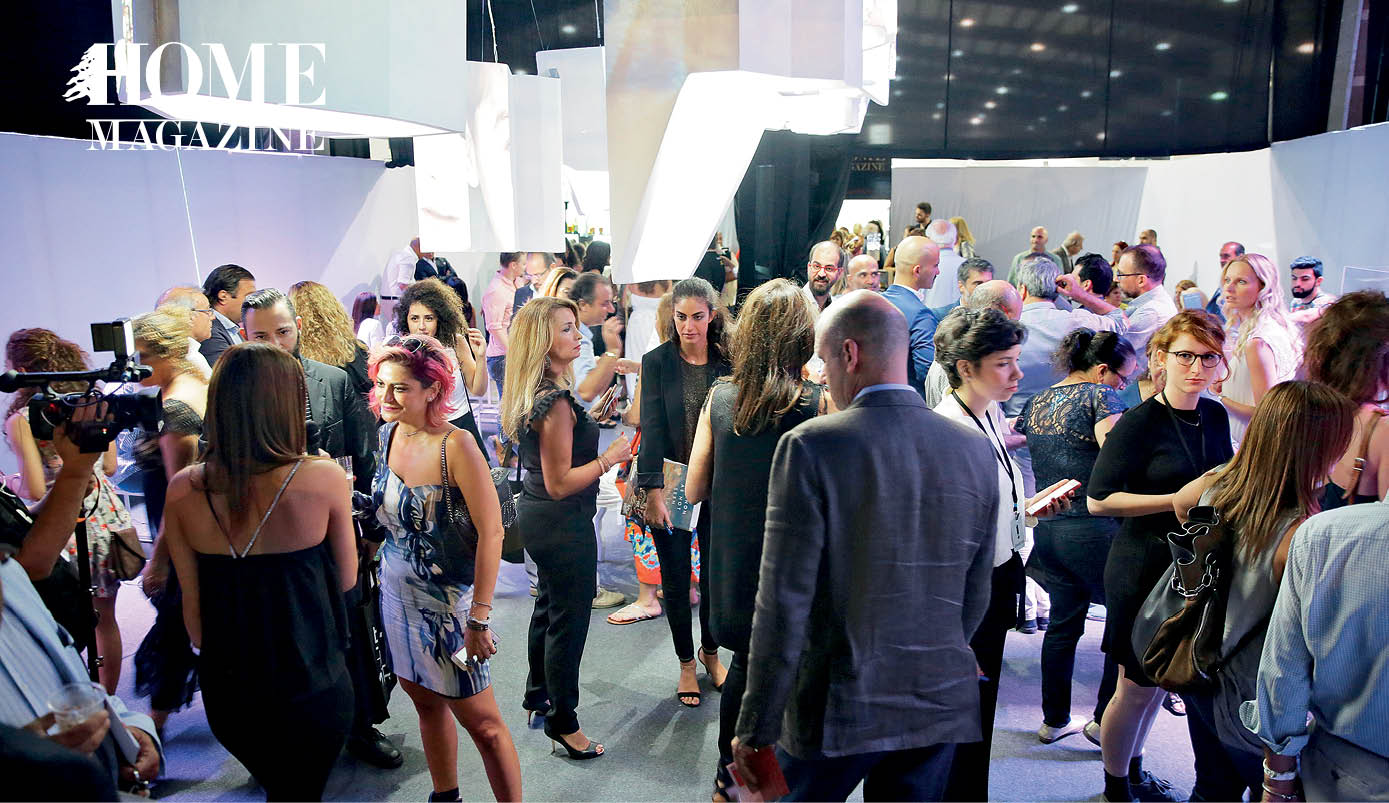
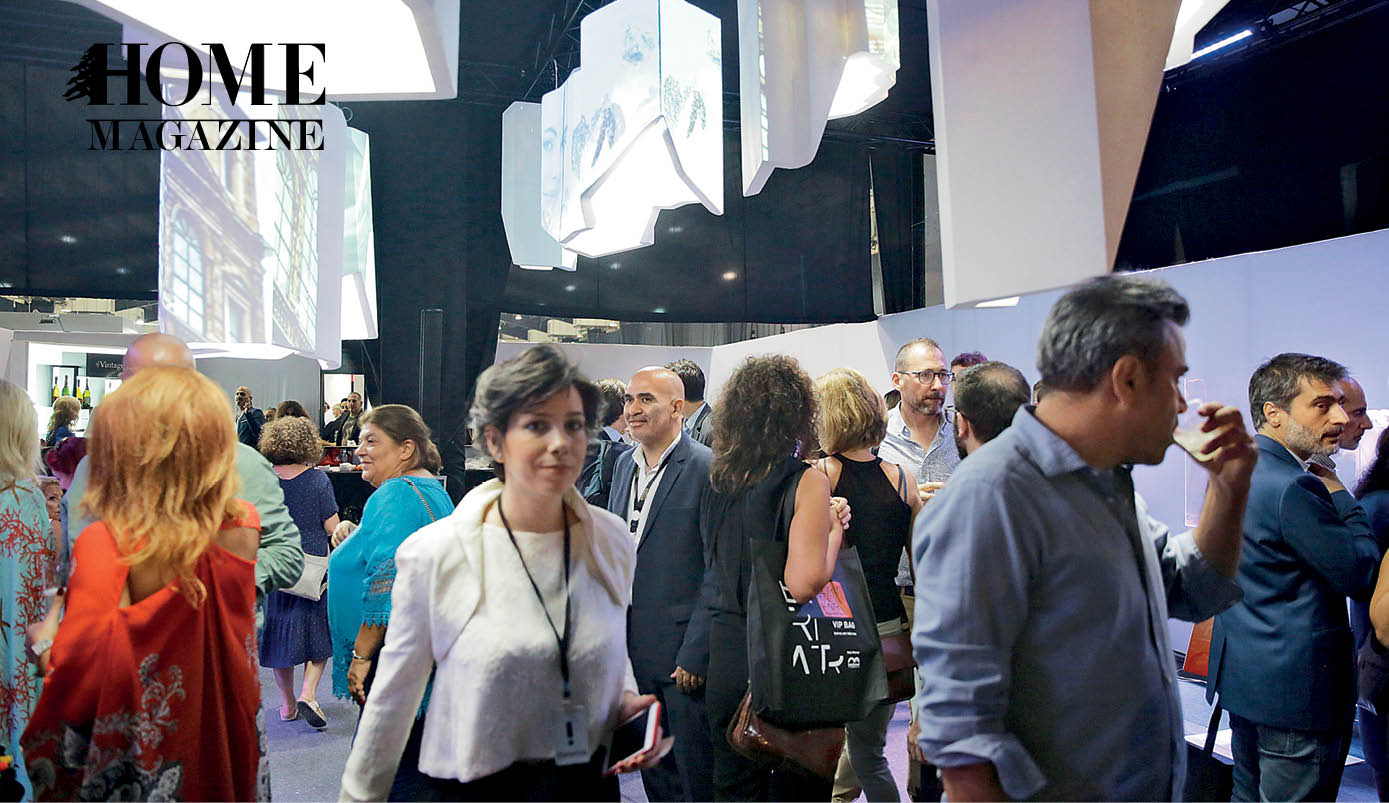
On opening night, guests entered the lounge and saw digital art projected on huge geometric installations hanging above. Stories from the pages of HOME magazine about positive initiatives in Lebanon and Lebanon’s good news were featured. When the shapes were viewed holistically, a pattern slowly emerged.
 The objects joined into the map of Lebanon. The message — that with such positive people and initiatives, whose stories are told in HOME Magazine, we can put Lebanon together.
“L’ARTISTE EST DE TOUS LES HOMMES, CELUI QUI RESSEMBLE LE PLUS À DIEU”
“THE ARTIST IS, OF ALL HUMANKIND, THE ONE WHO MOST RESEMBLES GOD.”
GUVDER, 1923 – 2017
THE STARTING POINT FOR HOME’S ARTISTIC CREATION.
 At the center of the Beirut Art and Design Fairs, HOME’s VIP Lounge was itself a statement of art.
HOME’s VIP lounge adopted the theme “The artist is, of all humankind, the one who most resembles God,” a quote from Jean Guvdérelian, best known as Guvder, an acclaimed Lebanese Armenian artist who graced the earth from 1923 to 2017. Like the artist, HOME’s display aimed to bridge the material and spiritual worlds by challenging its viewers to think beyond the tangible world in front of them — to think of the essence of Lebanon, to discover positive possibilities and to take responsibility for helping Lebanon reach its potential.
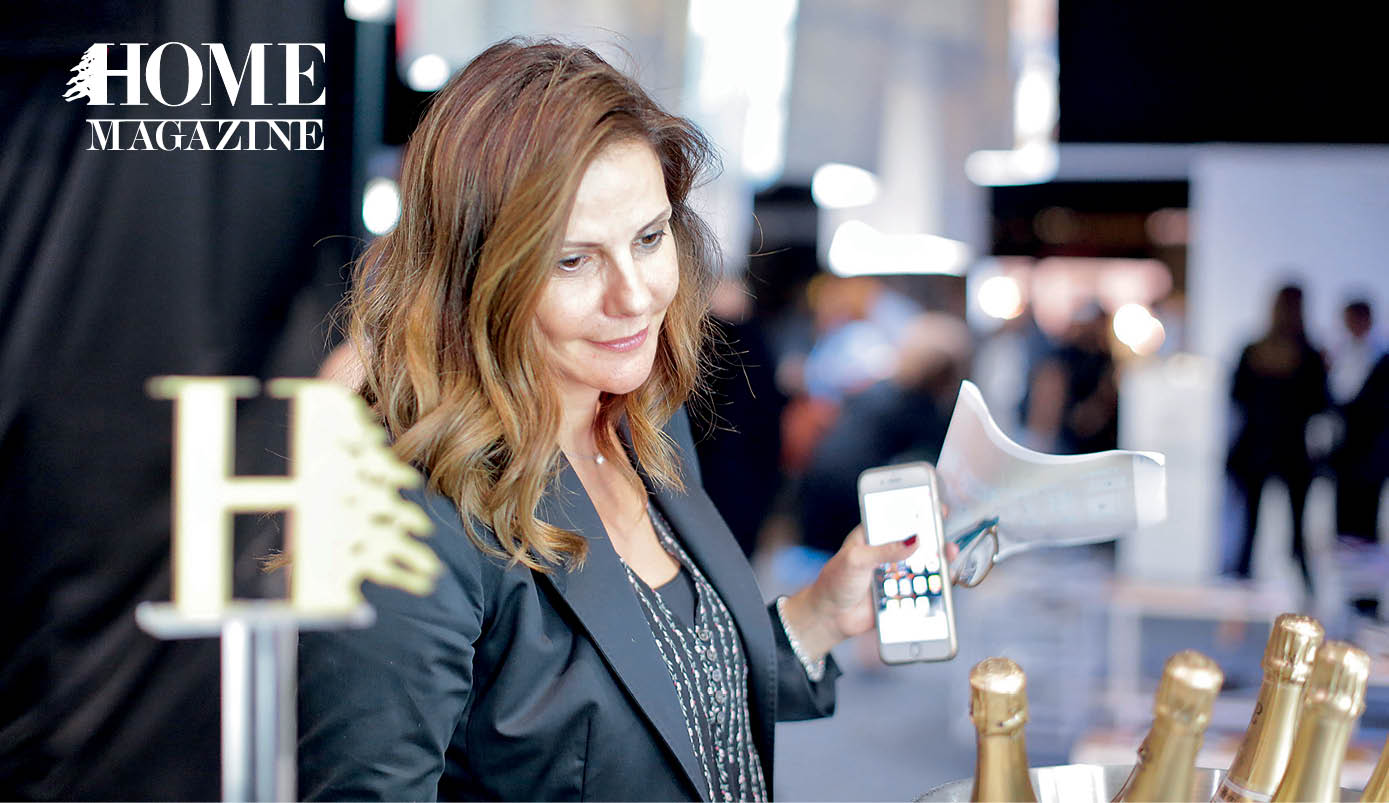
It was a place to enjoy bubbly champagne and delicious h’orderves, where government representatives, ambassadors and artists lifted their glasses together, where gallery owners and executives shared their thoughts on art and business.
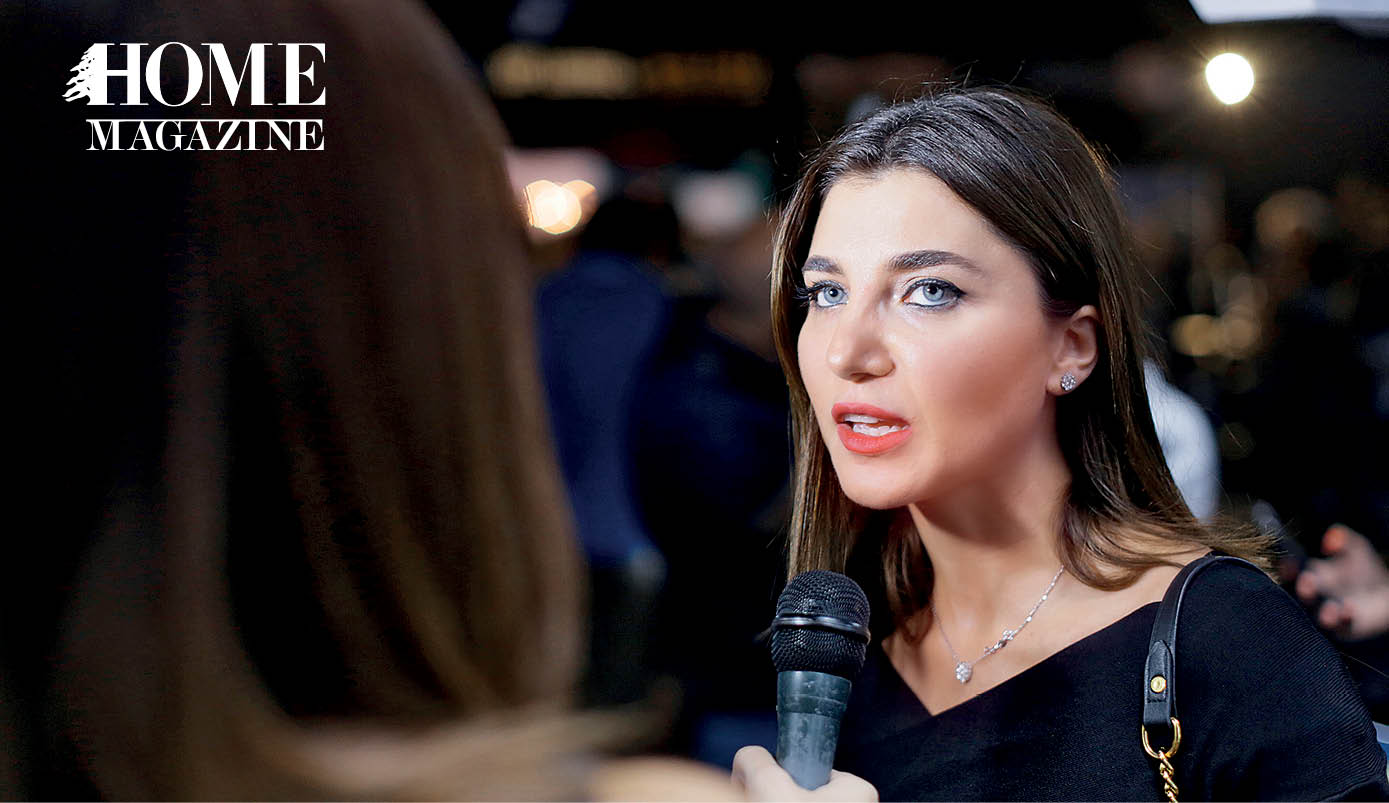
Young men and women circulated among the guests and asked if they would like to participate in the “What is HOME to you?” contest. Guests joined others already participating online with the hashtag #HOMEisLebanon by completing the sentence, #HOME is …, filling whiteboards with beautiful phrases.
“The atmosphere may feel glamorous but what we do is not glamour,” said HOME publisher and editor-in-chief Patricia Cherfan. “This is not the purpose. The purpose is to responsibly encourage positive change. To merely provide a platform, for show without essence is insignificant. We want to bring together people from diverse backgrounds, people who can make a difference and challenge them the think together and differently.”
Like great masterpieces, HOME’s VIP lounge challenged its visitors. Instead of background music, guests heard the rich and familiar voice of the famous Lebanese actor Joseph Bou Nassar reciting select passages from the poem “You have your Lebanon and I have my Lebanon” by a favorite son of the diaspora, Gibran Khalil Gibran. Gibran tells of two Lebanons: one of corruption and tyranny and one of magnificent landscapes, truth and beauty. With permission from the Committee of Gibran Khalil Gibran, HOME presented only the positive lines of the poem. As HOME Magazine celebrates only Lebanon’s good news.
Bou Nassar’s rich, familiar voice sounded on a continuous loop throughout the lounge, reminding guests of Lebanon’s wonders. His beautiful voice combined with Gibran’s profound words brought goosebumps to listeners.
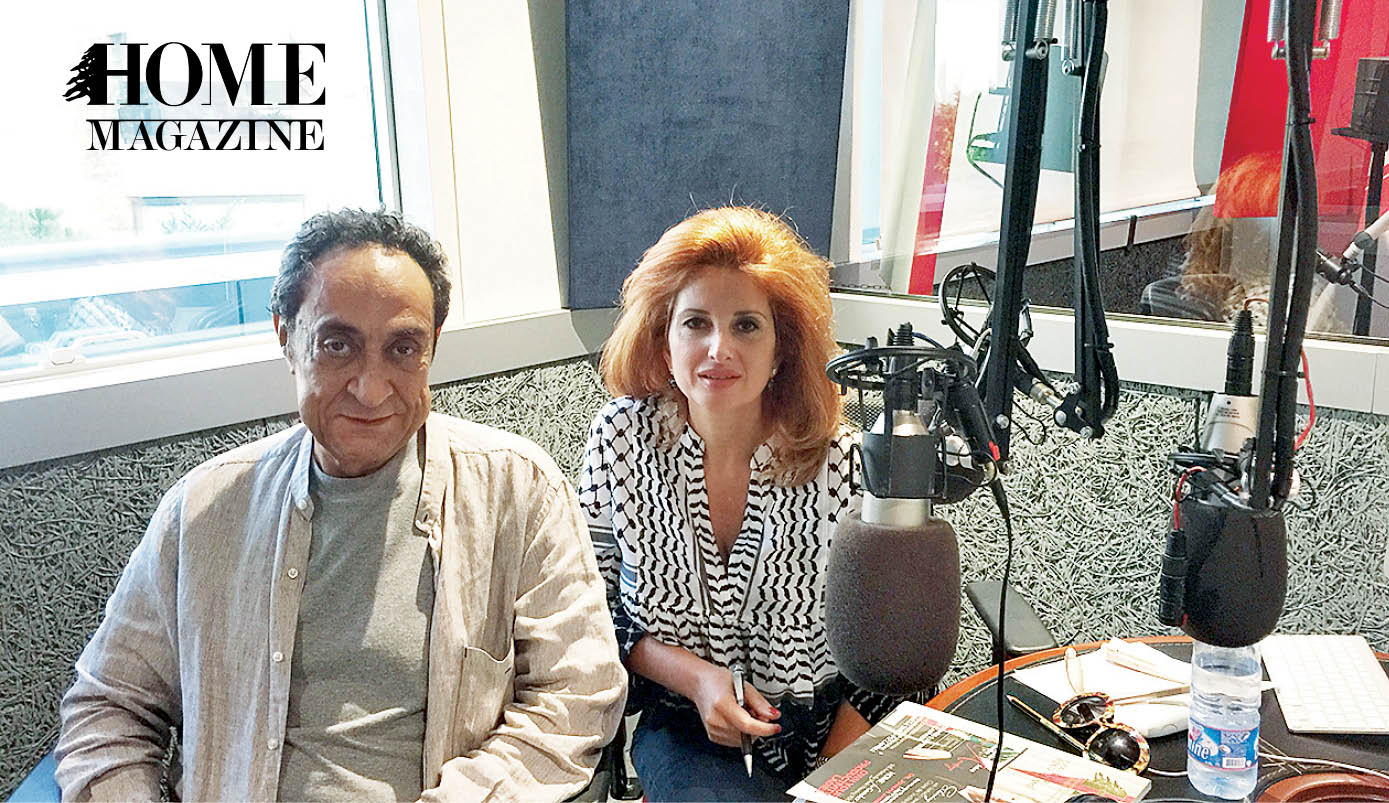
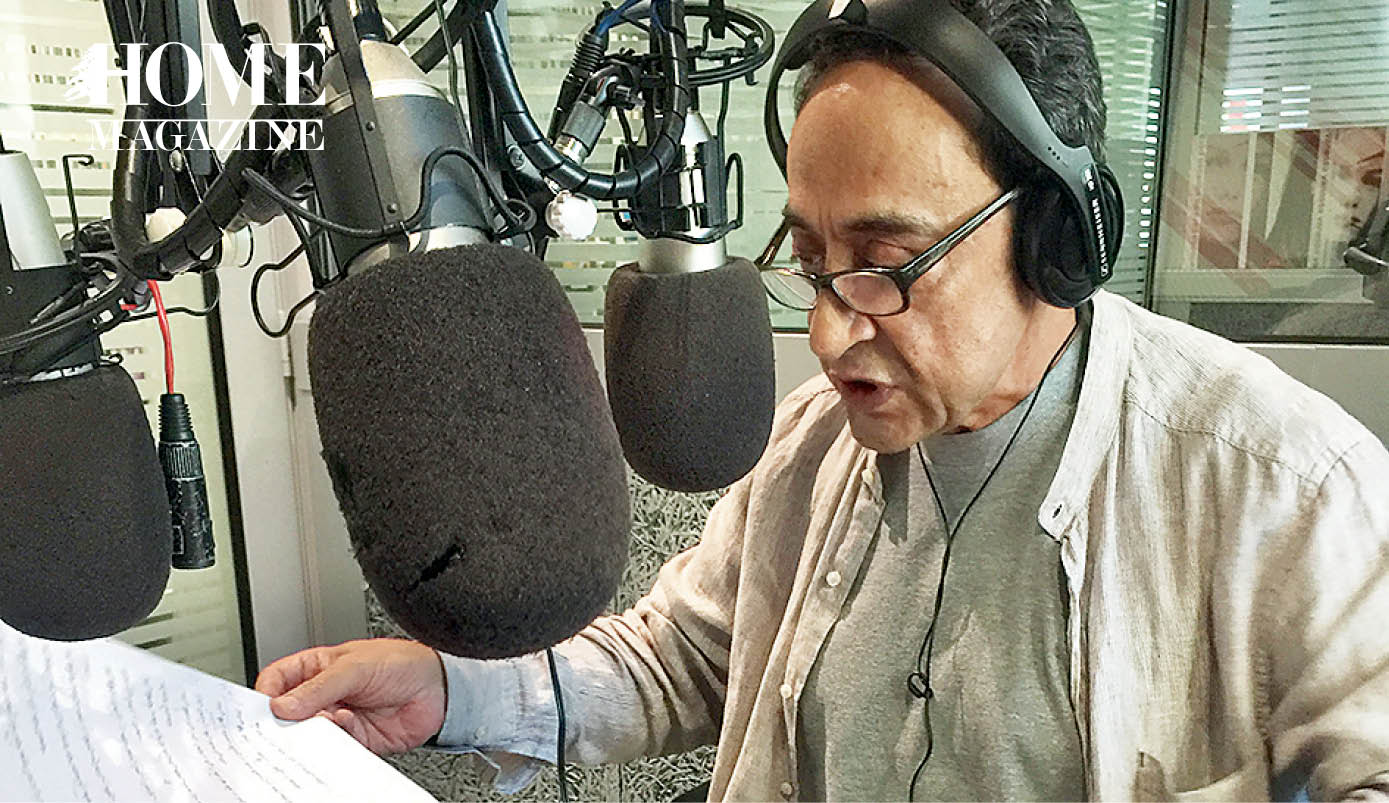
“We couldn’t but bring the best,” said Cherfan. “It is our philosophy; it is how we work.”
Moreover, foods and beverages were created exclusively for the occasion, offering unique experiences that teased the taste buds, challenging conventional expectations.
Chef Maroun Chedid created experimental cuisine exclusively for HOME’s VIP lounge and Vintage-Bocti created a cocktail named HOME for the occasion.
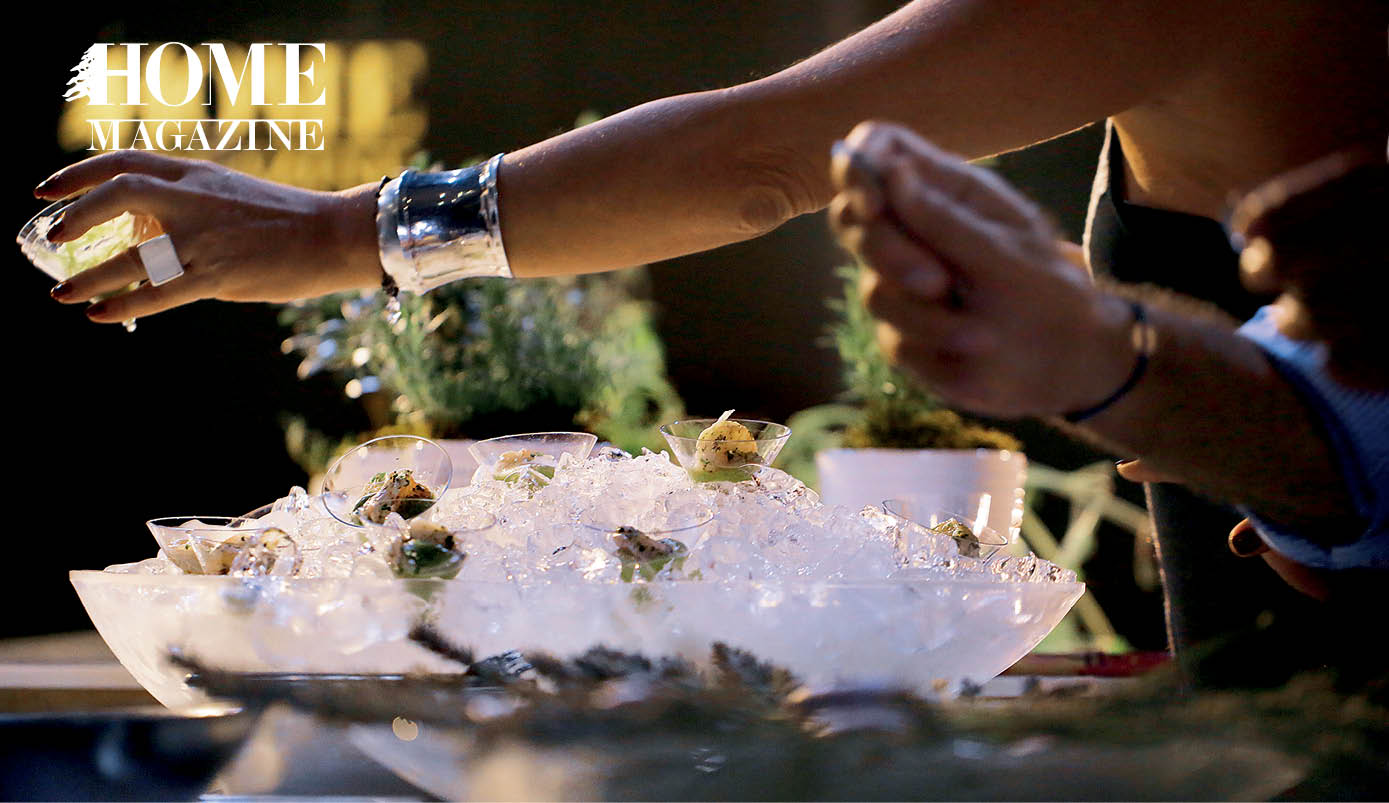
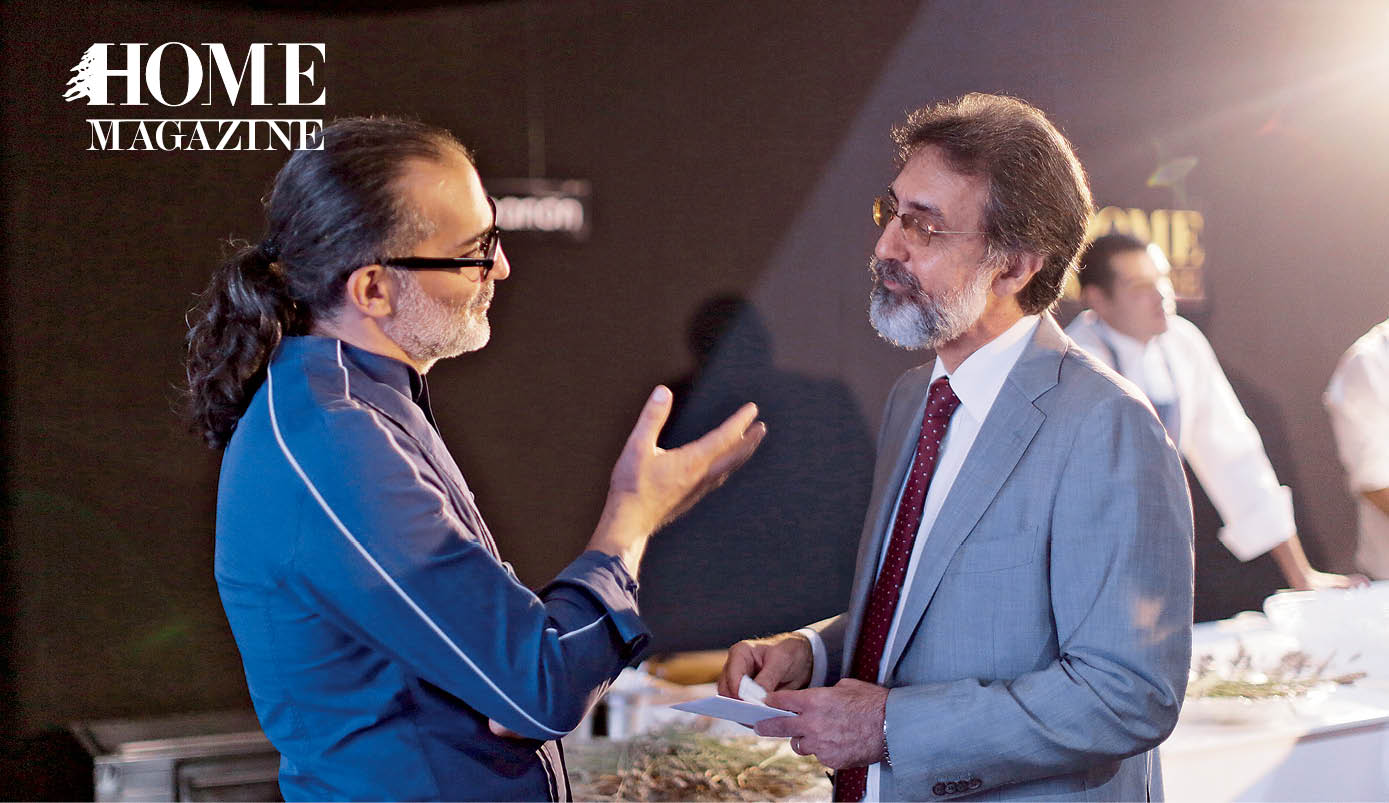
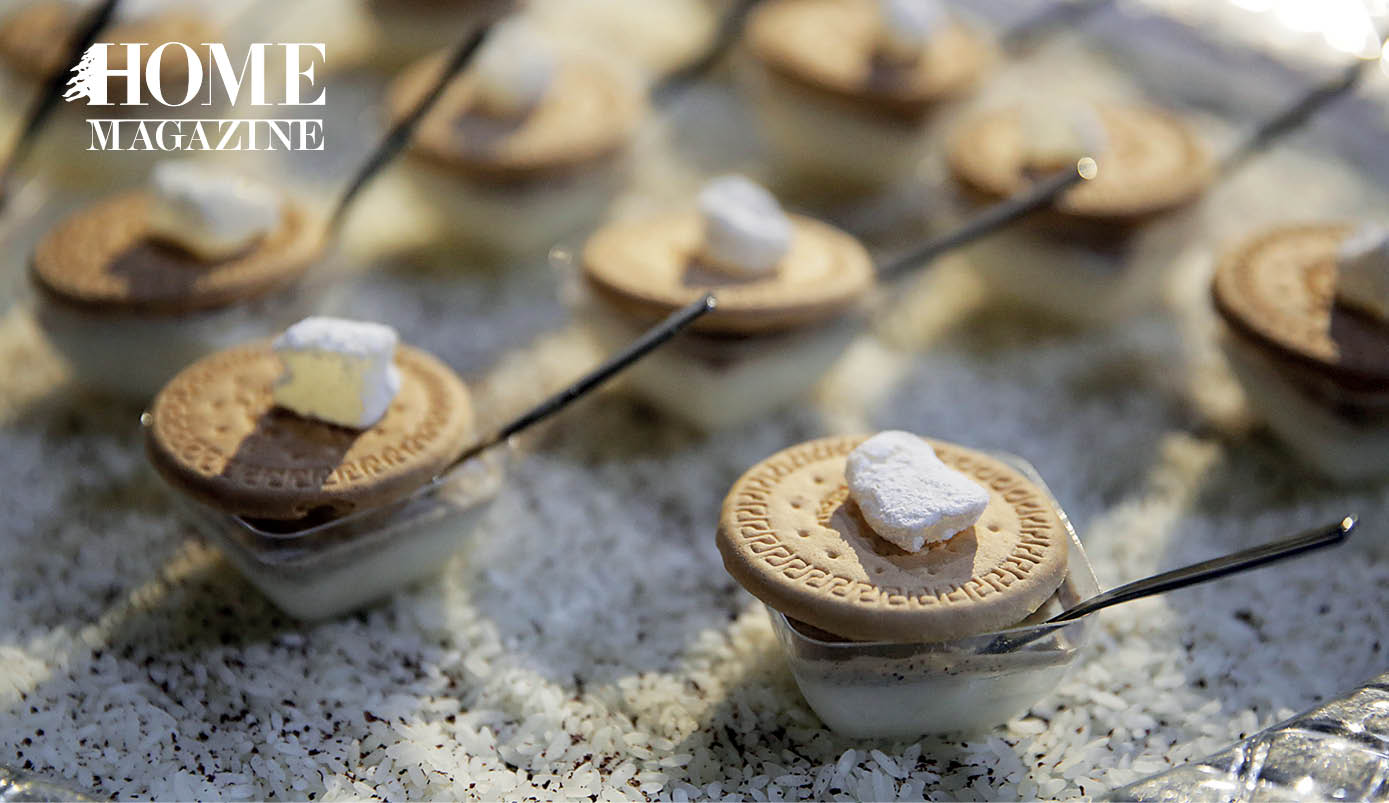
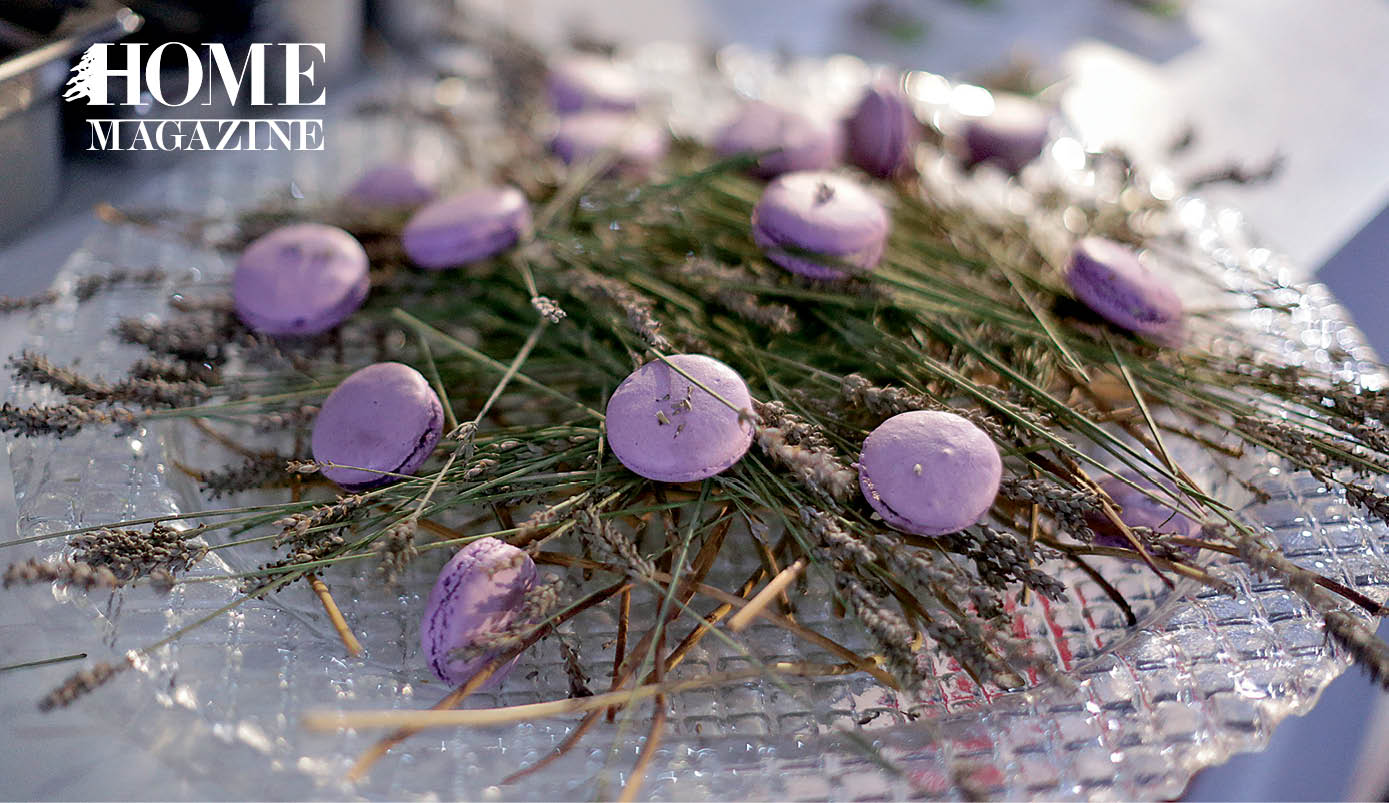
HOME’s challenge to chef Chedid was to use the essential flavors of the Lebanese terroir in unexpected ways — to combine sweet tastes with salty recipes and vice versa. Lebanese-borne flavors and aromas were featured, including zaatar, sumac, freekeh, lavender and tomatoes. Chedid had fun creating and guests enjoyed trying labneh ice cream infused with zaatar, matte mousse with freekeh glaze, lavender-cured shrimp cerviche, avocado mousse, apricot lavender crisps and fattoush with mussels steamed in sumac broth.
The experience — visual, audio, taste and smell created for these five ingredients and for this space — engaged visitors in a true experience of recreating Lebanon and to envision the Lebanon that could be.
Nada Tawil, head of the Group Communication Department at Byblos Bank, said: “Of all the (beautiful and not so beautiful) magazine stands throughout the eight editions of Beirut Art Fair, HOME Magazine was by far the most meaningful, topped by the beautiful hospitality.”
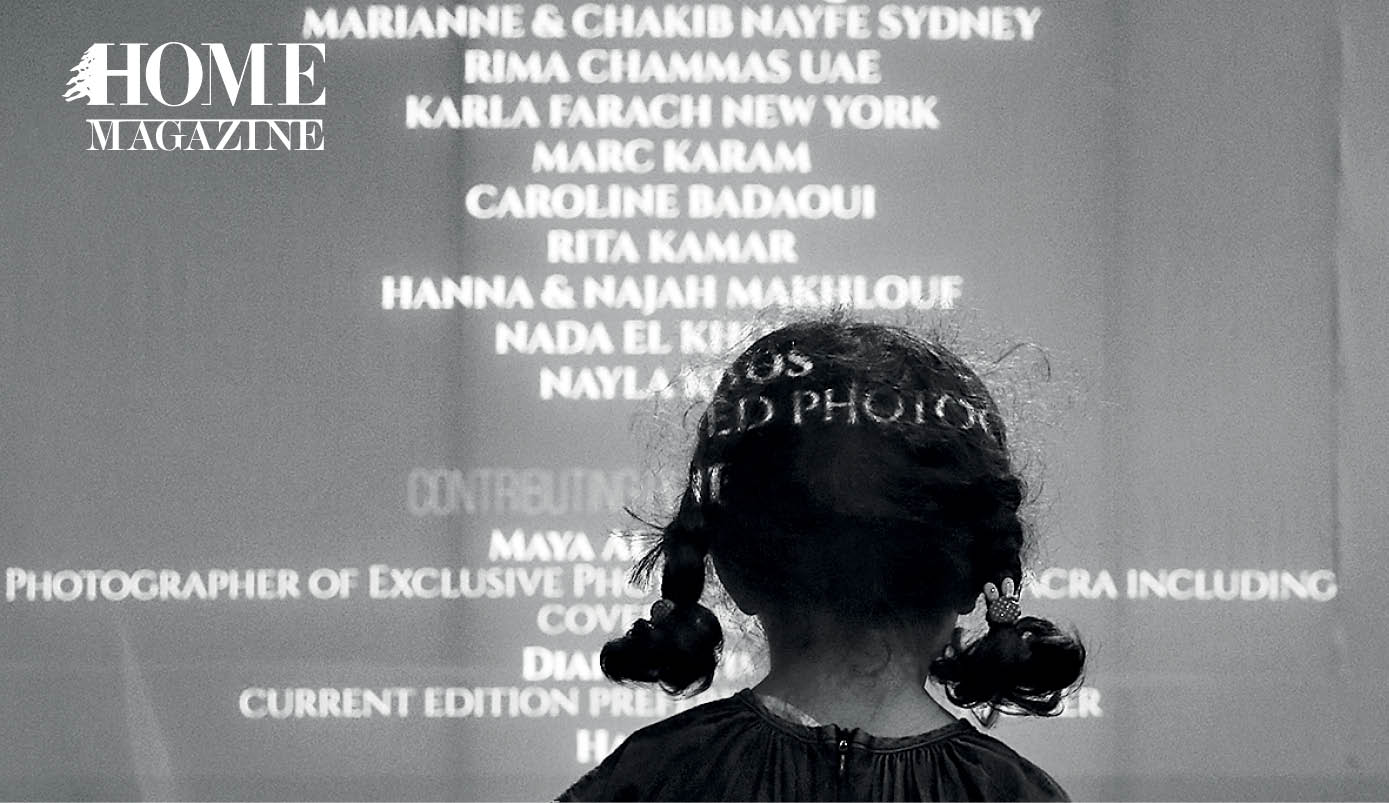
HOME Magazine encourages its readers to share their thoughts in a rich and meaningful experience. As Mark Abouzeid, filmmaker and founder of Cedar Productions, noted, “When you grab HOME, you get deceived by the luxury. But when you read and go deeper, you realize that it’s a way to get to people who affect change, people of power, money and voices, who usually do not listen to change in fear it might affect their positions, and HOME gets these people to listen. Moreover, HOME uses their voices.”
لكم لبنانكم و لي لبناني
لي لبناني وجماله.
لي لبناني بما فيه من الأحلام و الأماني.
لبناني فأودية هادئة سحرية تتموج في جنباتها رنات
الأجراس و أغاني السواقي.
لبناتي فصلاة مجنحة ترفرف صباحاً عندما يقود الرعاة
قطعانهم إلى المروج ووتصاعد مساء عندما يعود
الفلاحون من الحقول و الكروم.
لبناني فجبل رهيب وديع جالس بين البحر و السهول
جلوس شاعر بين الأبدية و الأبدية.
لبناني فمعبد أدخله بالروح عندما أمل النظر إلى وجه
هذه المدينة السائرة على الدواليب.
لبناني فرجل فرد متكئ على ساعده في ظلال الأرز و
هو منصرف عن كل شئ سوى الله و نور الشمس.
لبناني ففكرة بعيدة و عاطفة مشتعلة و كلمة علوية
تهمسها الأرض في أذن الفضاء.
لبناني فتأهب الشباب وعزم و حكمة الشيخوخة.
لبناني فمجالس حول المواقد في ليال تغمرها هيبة
العواصف و يجللها طهر الثلوج.
لبناني فتغريد الشحارير، و حفيف أغصان الحور و
السنديان ، ورجع صدى النايات في المغاور و الكهوف.
لبناني فحقيقة بسيطة عارية إذا نظرت في حوض ماء
ما رأت غير وجهها الهادئ و ملامحها المنبسطة.
لبناني ففطرة في أسرار الحياة و هي لا تعلم أنها
تعلم ، و شوق يلامس في اليقظة أذيال الغيب و يظن
نفسه في منام.
هم الكرامون الذين يعصرون العنب خمراً و يعقدون
الخمر دبسا.
هم الشعراء الذين يكسبون أرواحهم في كؤوس
جديدة ، و هم شعراء الفطرة الذين ينشدون العتابا
و المعنى و الزجل.
هم اللذين يغادرون لبنان و ليس لهم سوى حماسة
في قلوبهم وعزم في سواعدهم و يعودون إليه و
خيرات الأرض في أكفهم وأكاليل الغار في رؤوسهم.
هم اللذين يولدون في الأكواخ و يموتون في قصور
العلم. هؤلاء هم أبناء لبنان.
ما أنا فمقتنع بلبناني و أبنائه و في اقتناعي عذوبة
وسكينة و طمأنينة.
بيتكم لن يكون مرساة وثكنة سيكون شراع.

HOMEland THEMES
Coming Soon
HOMEland Events & Collaborations
Coming Soon
 Signature Boutique