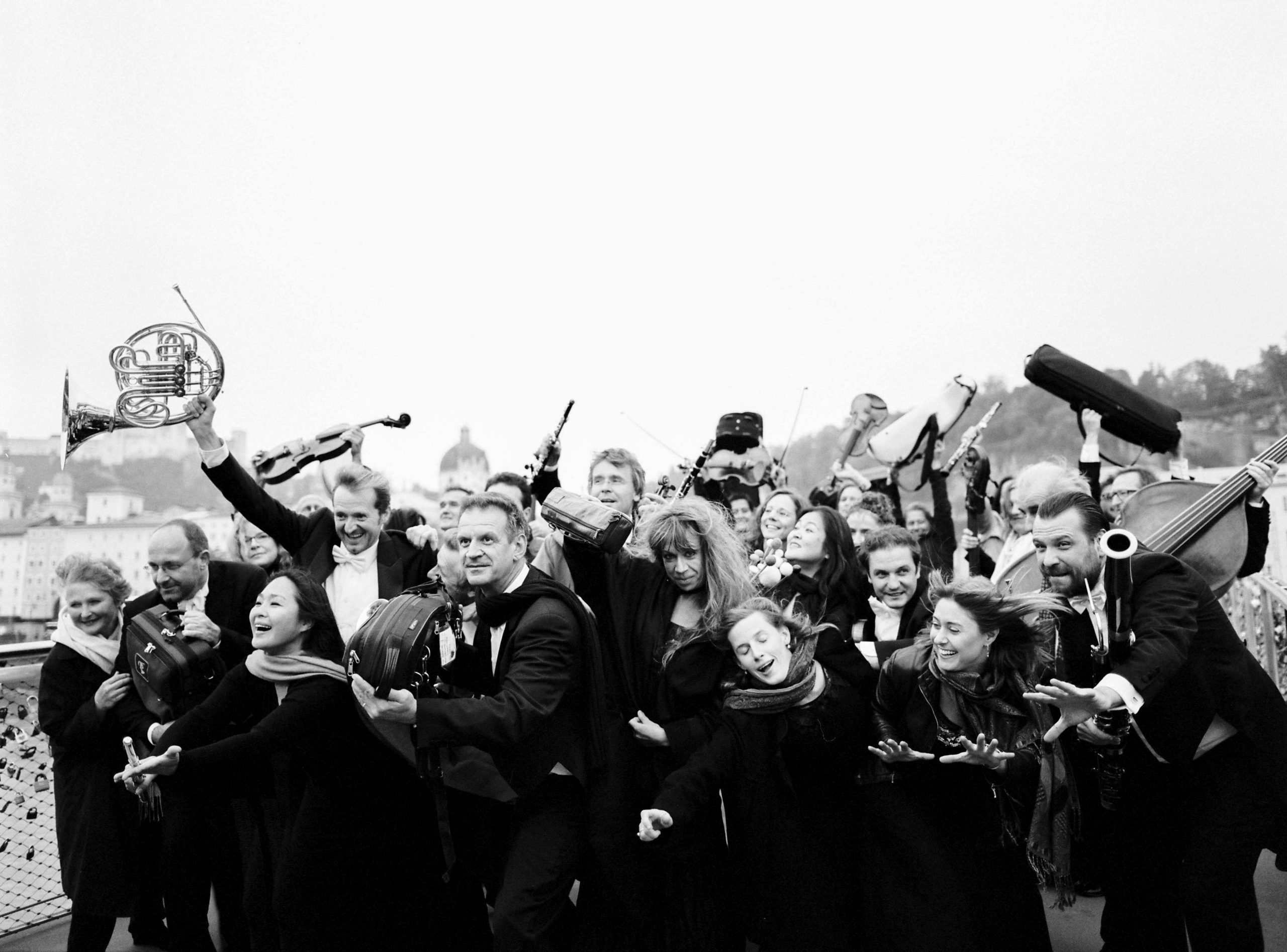
This year’s Al Bustan Festival of Music and the Performing Arts is exceptional for a number of reasons. First, the esteemed Lebanese annual classical music festival is celebrating the music of Ludwig van Beethoven to mark the 250 anniversary of his birth. Secondly, all the performances are priced at 30,000 LBP, an unprecedented low cost to be considerate with the current economic situation. The festival is taking place in spite of the deep turmoil in the country, as a symbol of cultural resistance.
At the press conference, Myrna Bustani, the founder of the festival, along with her daughter Laura, gave heartfelt statements. “It is a strange year as we face difficult times,” began Myrna. Laura continued to stress on the importance of art during times of change and how they were both committed to keep the festival going despite the harsh economic climate in Lebanon. “We cannot separate the economy from culture,” stressed Laura. “We invested in the tourism of culture in Lebanon. We need to continue as this is our country’s wealth. Our festival is a gift to Lebanon and it has always been.” Laura also mentioned the parallel of Lebanon with Beethoven’s challenges, citing that the artist suffered from severe loss of hearing, but it did not deter his work in music. She compared Beethoven’s struggles as a metaphor for Lebanon: “Our country, like the artist, will not give up despite all the difficulties.”
Starting February 18, fifteen different performances will be held in both the Al Bustan Hotel and in other venues around Beirut celebrating the music and life of Beethoven, who is considered to be one of the greatest composers of all time. The program, under the helm of Al Bustan’s Music and Artistic Director Gianluca Marciano, features piano and violin concertos, string quartet performances and several chorus concerts covering Beethoven’s most acclaimed symphonies.
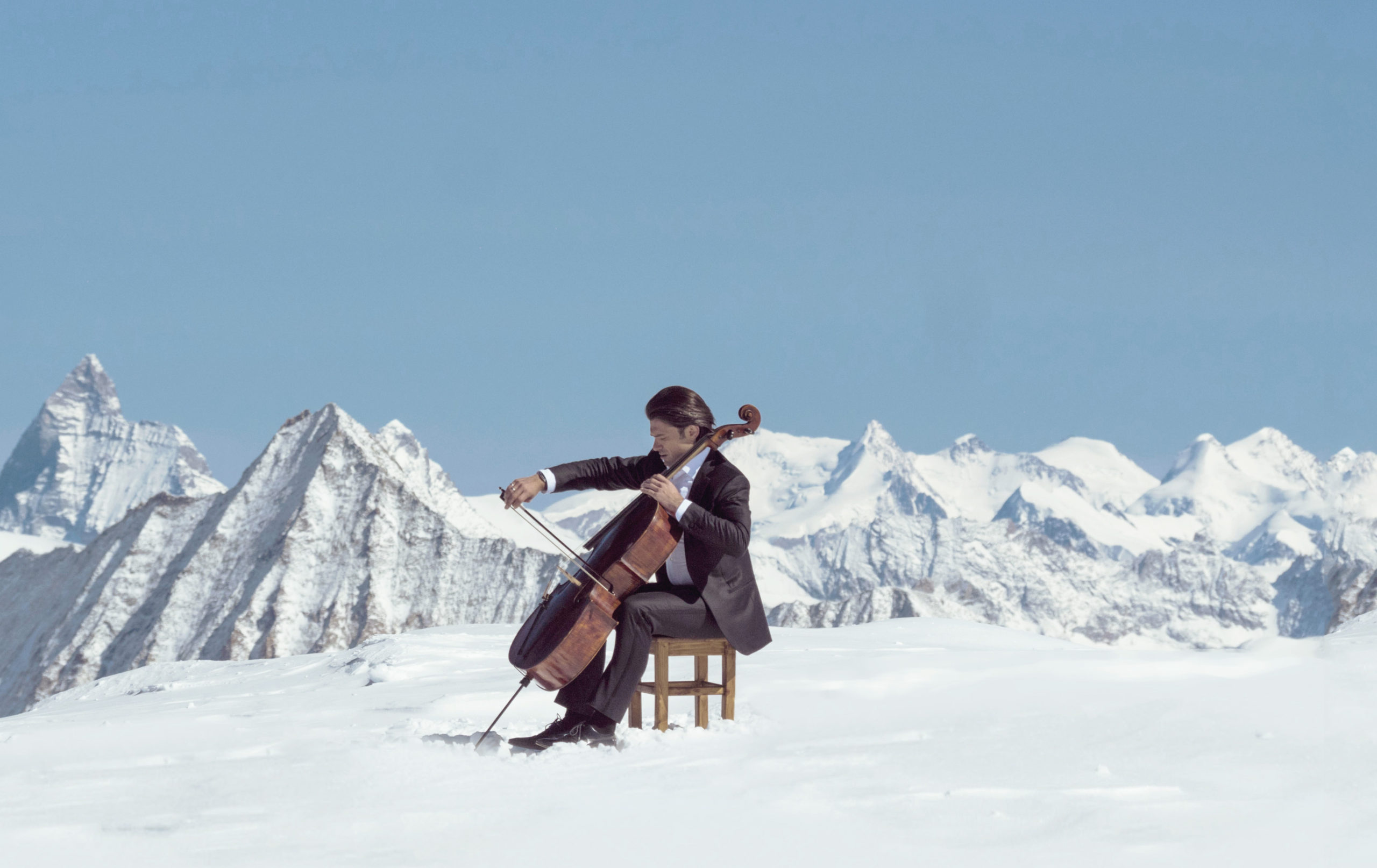
The festival brings together some of the best – both established and emerging – international classical musicians and singers to Lebanon. The festival kicks off with Beethoven’s Symphony No. 5 featuring pianist Gloria Campaner. Other performers during the four-week festival include the piano prodigy Kit Armstrong who will perform alongside the famous violinist Renaud Capuçon, the ambassador of the cello Gautier Capuçon, violinist and part-time model Charlie Stem, the Austrian Soprano Christina Gansch, Canadian-Lebanese opera singer Joyce El-Khoury and the gifted pianist Vitaly Pisarenko – to name just a few.
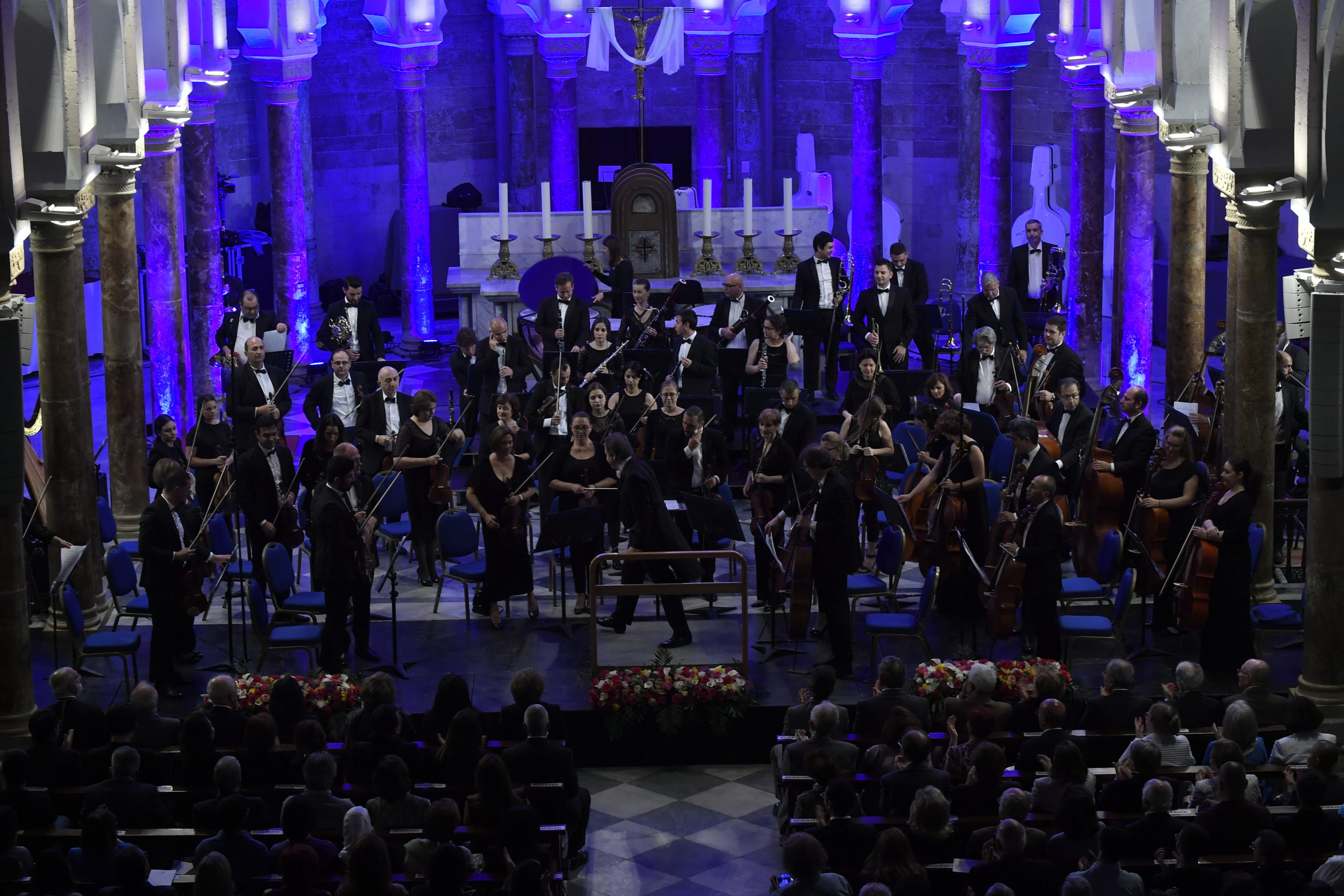
 Some of the performances will be accompanied by the Lebanese Philharmonic Orchestra, the National Chamber Orchestra of Armenia and the Antonine University Choir. The festival will also include talks, a presentation at the Sursock Museum and a unique performance ‘Les Confessions de Beethoven’ featuring Alexandre Najjar’s writings reflecting on Beethoven’s life – delivered by French actor Jean-Francois Balmer with the music of Abdel Rahman El Bacha. Another unique performance is ‘Beethoven in the Dark’ by the award-winning Sacconi Quartet, where the audience will attend the concert in the complete pitch dark for an intense musical experience.
For the first time the festival will also be partnering with various Lebanese associations for the hearing impaired. Laura explained that they will invite people affected by hearing loss to attend the concerts with a moderator using sign language on hand. Laura also promised to be doing something special to mark International Women’s Day on March 8th, with the collaboration of the European Union in Lebanon.
With stellar performances and at such competitive ticket prices, this year’s 27th Al Bustan Festival (February 18 – March 22, 2020) is clearly not to be missed. To see the full program, you can go to: www.albustanfestival.com.
Towards the end of the conference Gianluca Marciano had this uplifting message for the audience: “I have spoken to many of the artists. No cancellations and they are, on the contrary, really looking forward to coming to Lebanon, especially in support of the people.” This goes to show that solidarity is perhaps the real miracle of Lebanon.
HOMEland THEMES
Coming Soon
HOMEland Events & Collaborations
Coming Soon
 Signature Boutique