Over the past eight years, Lebanese American Joseph Ghaleb Karam has gradually moved back to Lebanon after living in the United States since the mid-1980s. The co-founder and president of ECODIT, a 26-year-old international group dedicated to promoting environmentally sustainable development, has been commuting to Beirut from the headquarters in Arlington, Virginia, in the Washington, D.C., area.
Now settled in Ashrafieh, in a HOME he shares with his wife and their 4-year-old daughter, Karam enjoys a view of the Mediterranean Sea. “In front of me, I can see the Port of Beirut, Downtown and Ras Beirut with its magnificent towers,” Karam said in a recent interview with HOME. “But I prefer the view from the other side of the apartment where I can see Mount Sannine. That is what I look for every day when I wake up.”
Karam grew up in Baskinta, “the last village before you reach Mount Sannine,” he said. In his youth, Karam woke to a view of the mountain’s sharp peaks, snow-capped much of the year. “Have you been there? Do you know the Baskinta Literary Trail?” he asked with a lift in his voice.
Like the old saying goes, “you can take the boy out of the village, but you can’t take the village out of the boy,” quipped the once Lebanese-expat who felt a tug on his heartstrings that pulled him back to Lebanon. Now living in Beirut and commuting or telecommuting to Washington, D.C., Karam shared the story of founding the Lebanon Mountain Trail, a project that developed from his deep longing for HOME.
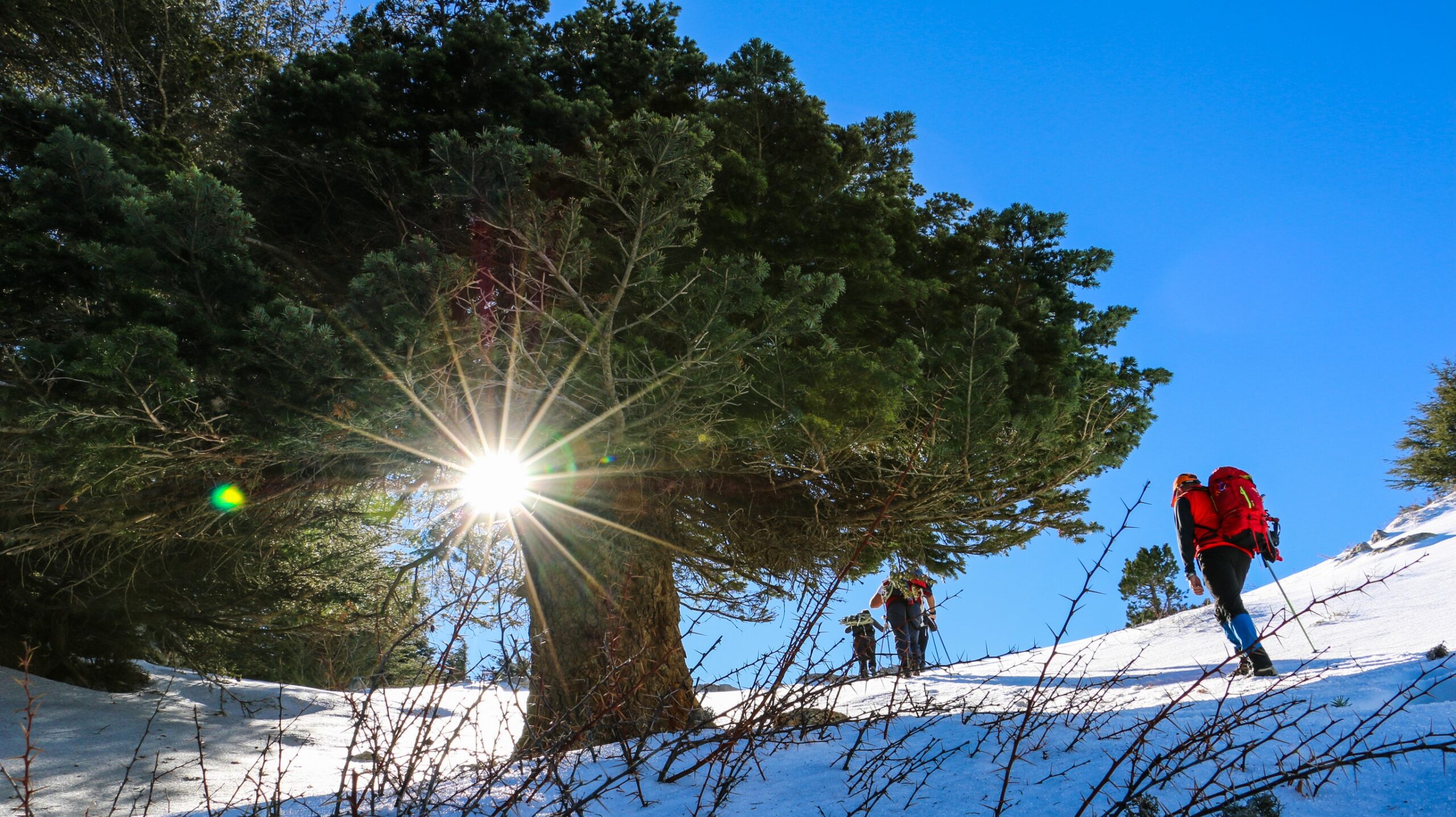
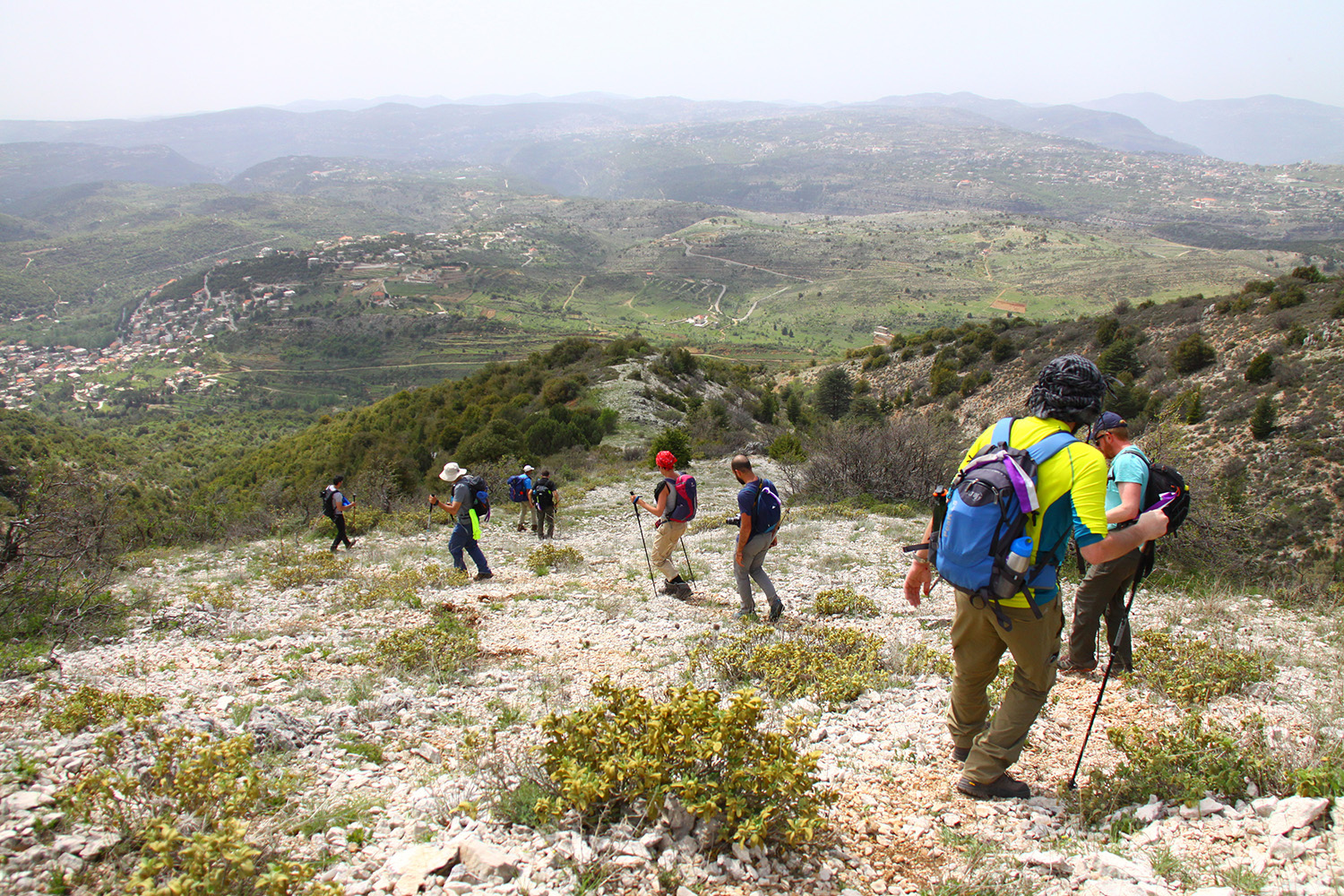
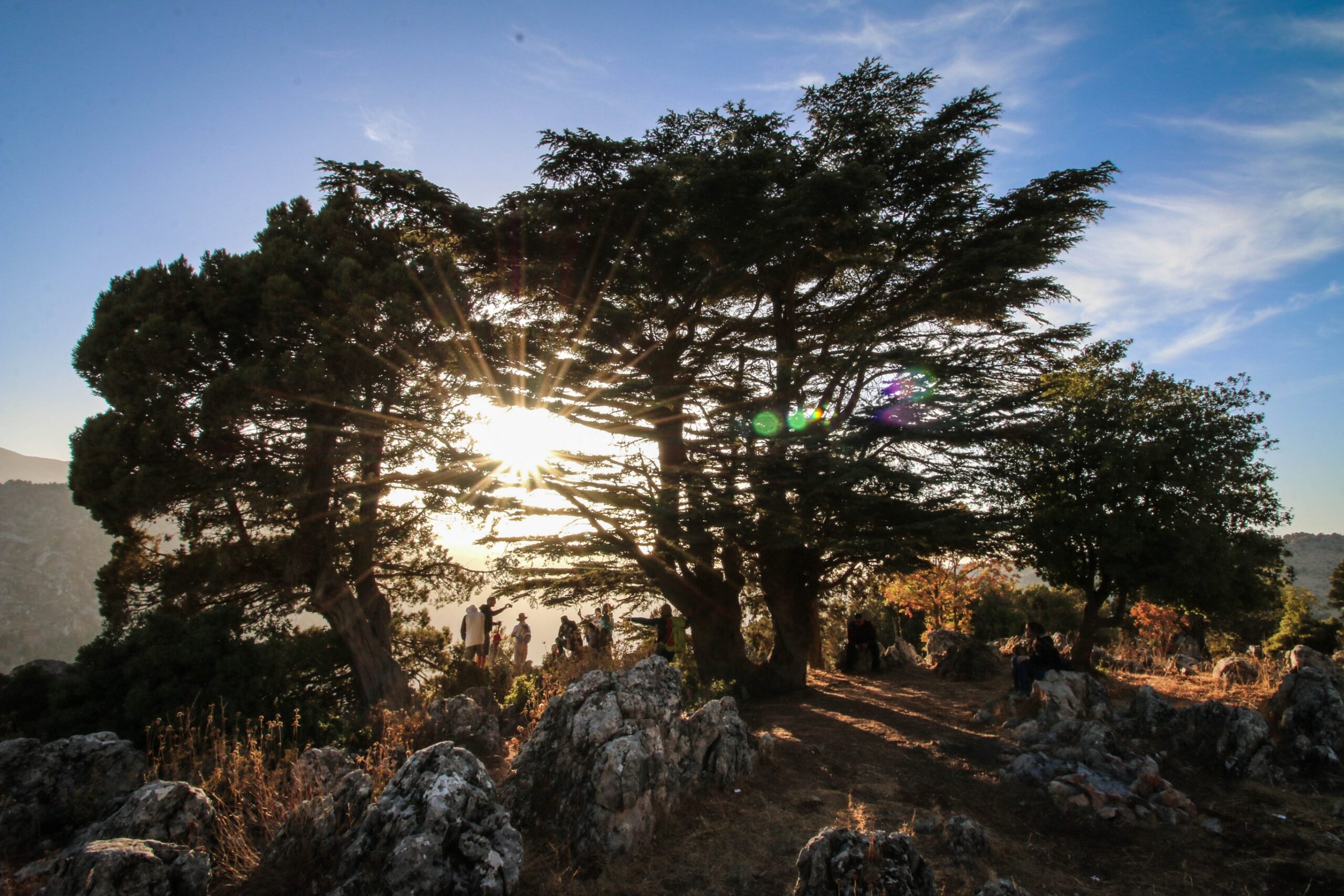
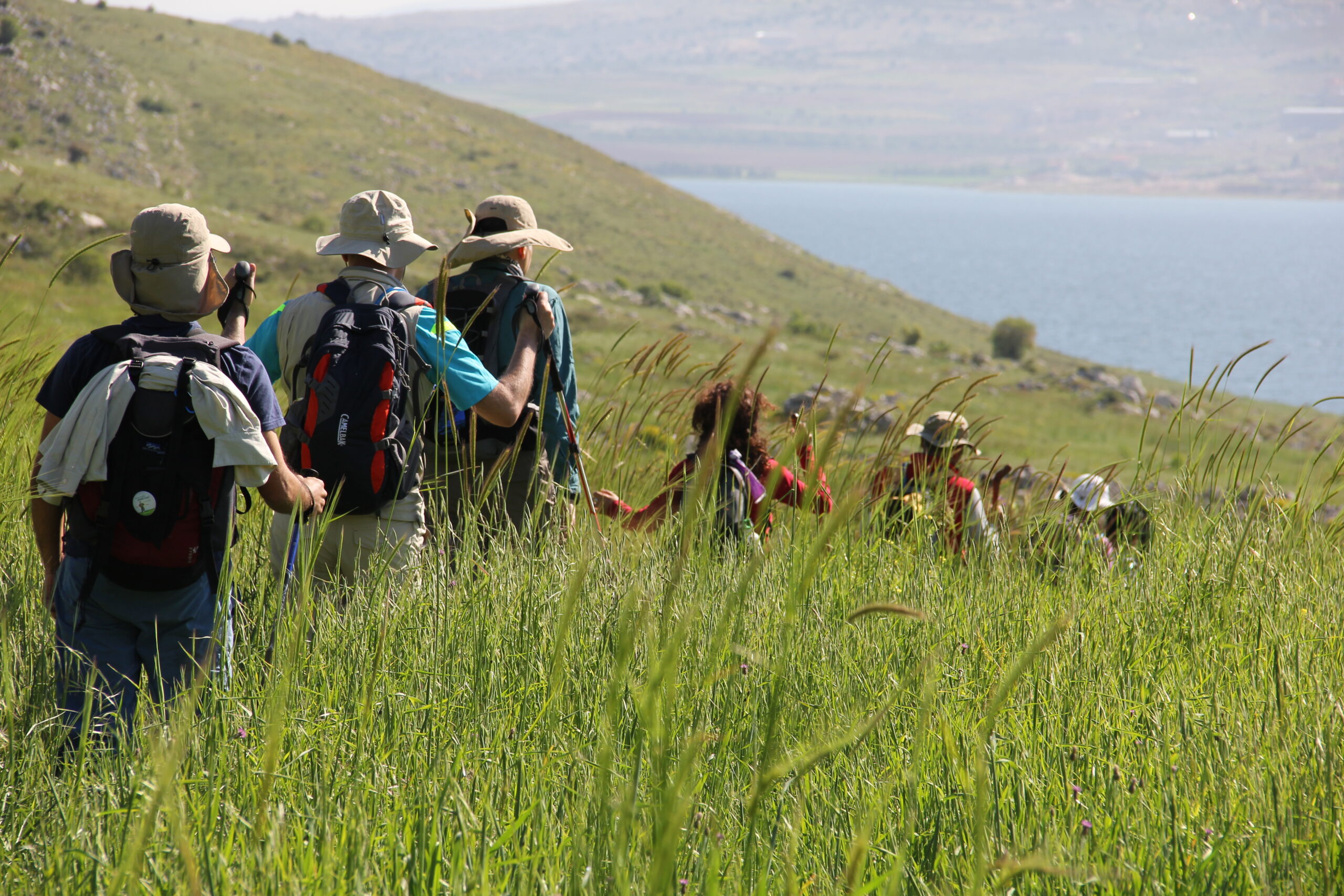
Karam describes the Lebanon Mountain Trail (LMT), a 470-kilometer path that runs from Andqet in the north to Marjaayoun in the south, as “the backbone to a network of trails in the Lebanese mountains that holds a tremendous treasure trove of Lebanon’s natural and cultural heritage.”
Beginning in 2001, the gradual rise of ecotourism as a recreational industry after the Civil War intrigued Karam and ECODIT colleague Karim El-Jisr, so they began brainstorming ways to help develop ecotourism projects in Lebanon.
One day, in the summer of 2002, Karam was admiring the Appalachian Trail, a path through the mountain range that runs parallel to the U.S. East Coast from Maine to Georgia, and attracts millions of hikers each year.
“Wow, I thought! The mountains of Lebanon, with their unique natural and cultural heritage, could be the HOME of a wonderful long-distance hiking trail.” He shared his idea with El-Jisr and together they developed a detailed concept.
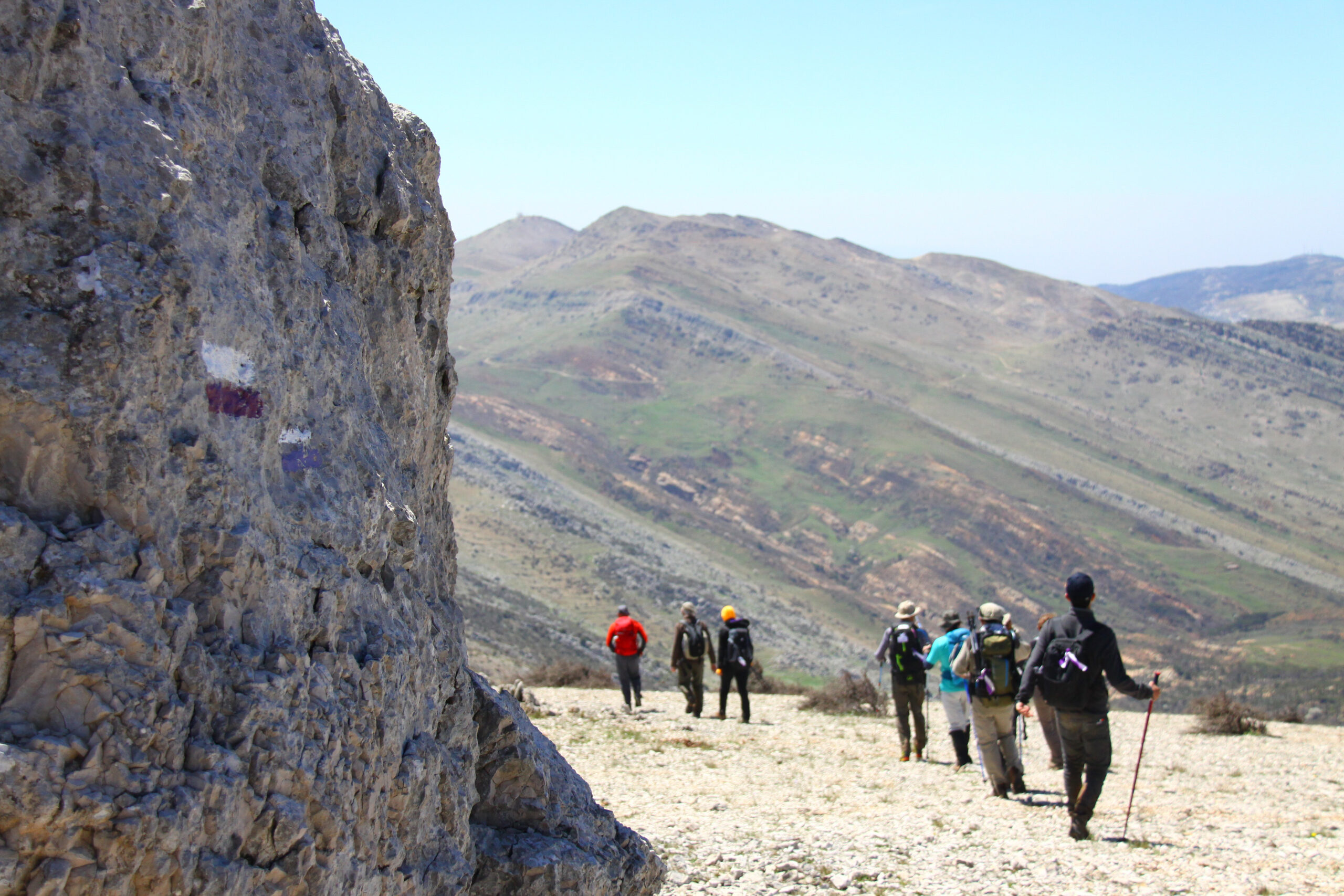
The chance came to make the idea a reality when, in the summer of 2005, the U.S. Agency for International Development (USAID) called for applications to promote economic growth in rural areas of Lebanon. ECODIT submitted a detailed proposal and was awarded $3.3 million over a two-year period to implement Karam’s dream. ECODIT assembled a team that, in two years and three months, established the LMT on the ground, set up guesthouses in gateway communities along the way, trained men and women to serve as LMT guides, and formed the Lebanon Mountain Trail Association (LMTA) to continue the work in Lebanon. Karam is “proud to be a member” of the LMTA and credits the organization for “doing a terrific job to protect the trail and make it a world-class destination.”
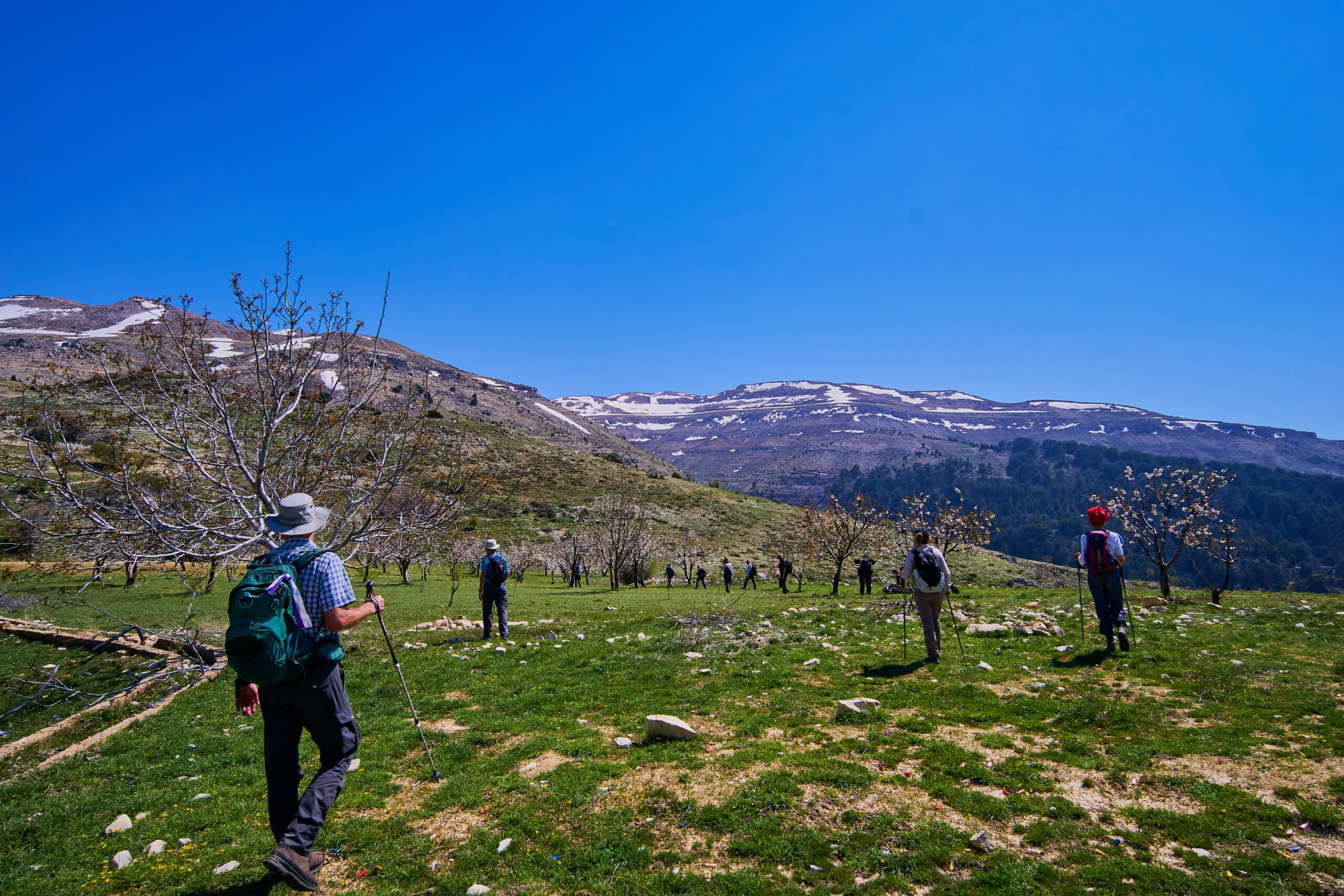
A decade of work by the LMTA to seek national protection for the trail brought an important moment last year, Karam said, when LMT was publically embraced as a national trail for the Lebanese people and for Lebanon.
Karam spoke at the ceremony as president of the (AFLMT), a U.S.-based partner organization to the LMTA that works to spread awareness of the trail among Lebanese Americans and other people in the U.S. who love Lebanon and nature. It also works to raise funds to support the work of the LMTA.
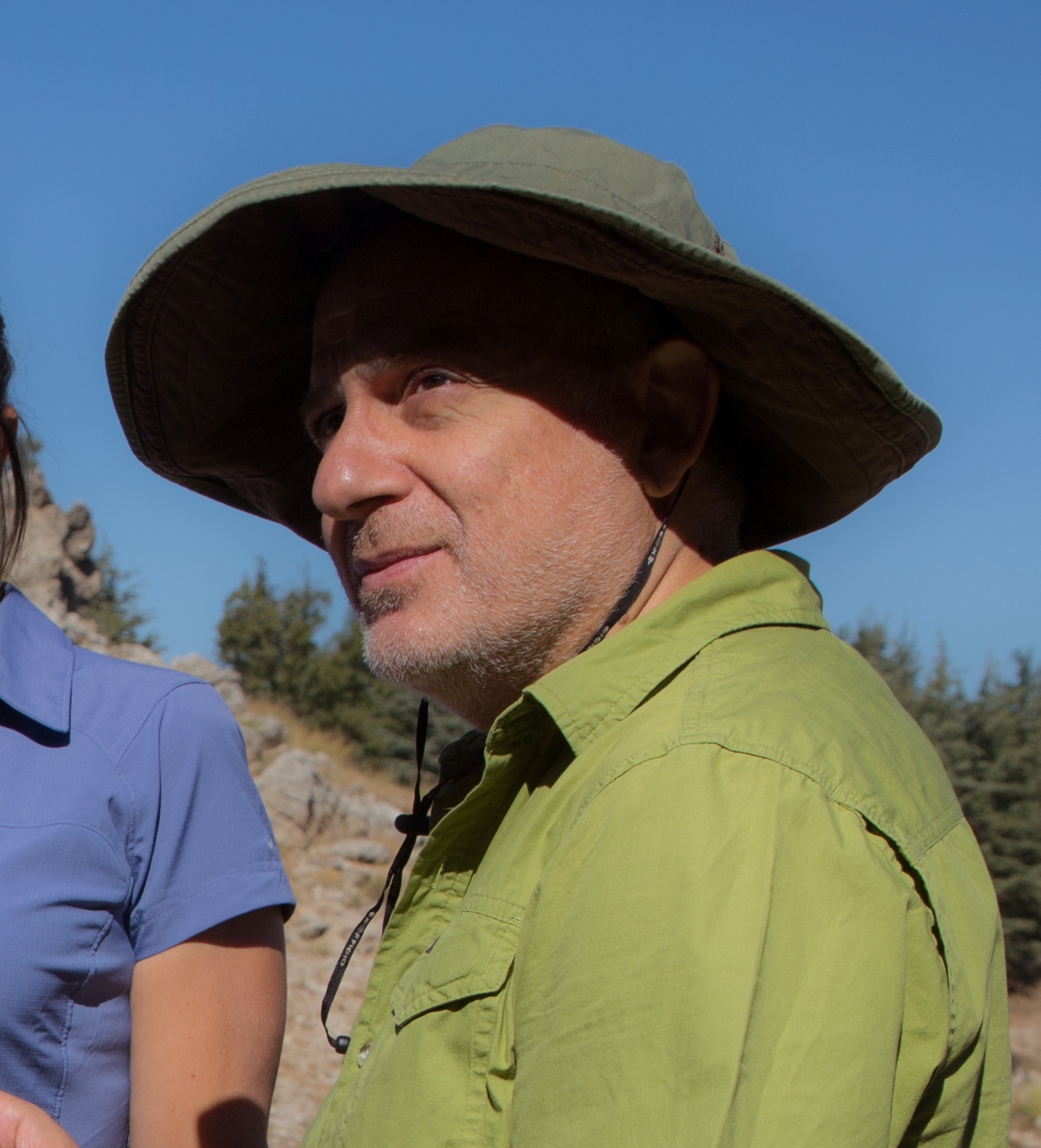
LMTA President Maya Karkour also spoke. She recognized that though the event marked the 10th anniversary of the LMT, “this trail is in reality thousands of years old, and carried our ancestors from one mountain village to the next. Their rich heritage is our national treasure and celebrates our collective identity.”
That’s why the Lebanon Mountain Trail is much more than a beautiful destination for hikers and those who love nature, Karam said. “It is really a tribute to those people who walked it before us. It is loved not only by those who came from and love the mountains. It belongs to every Lebanese and gives us a sense of pride and hope.”
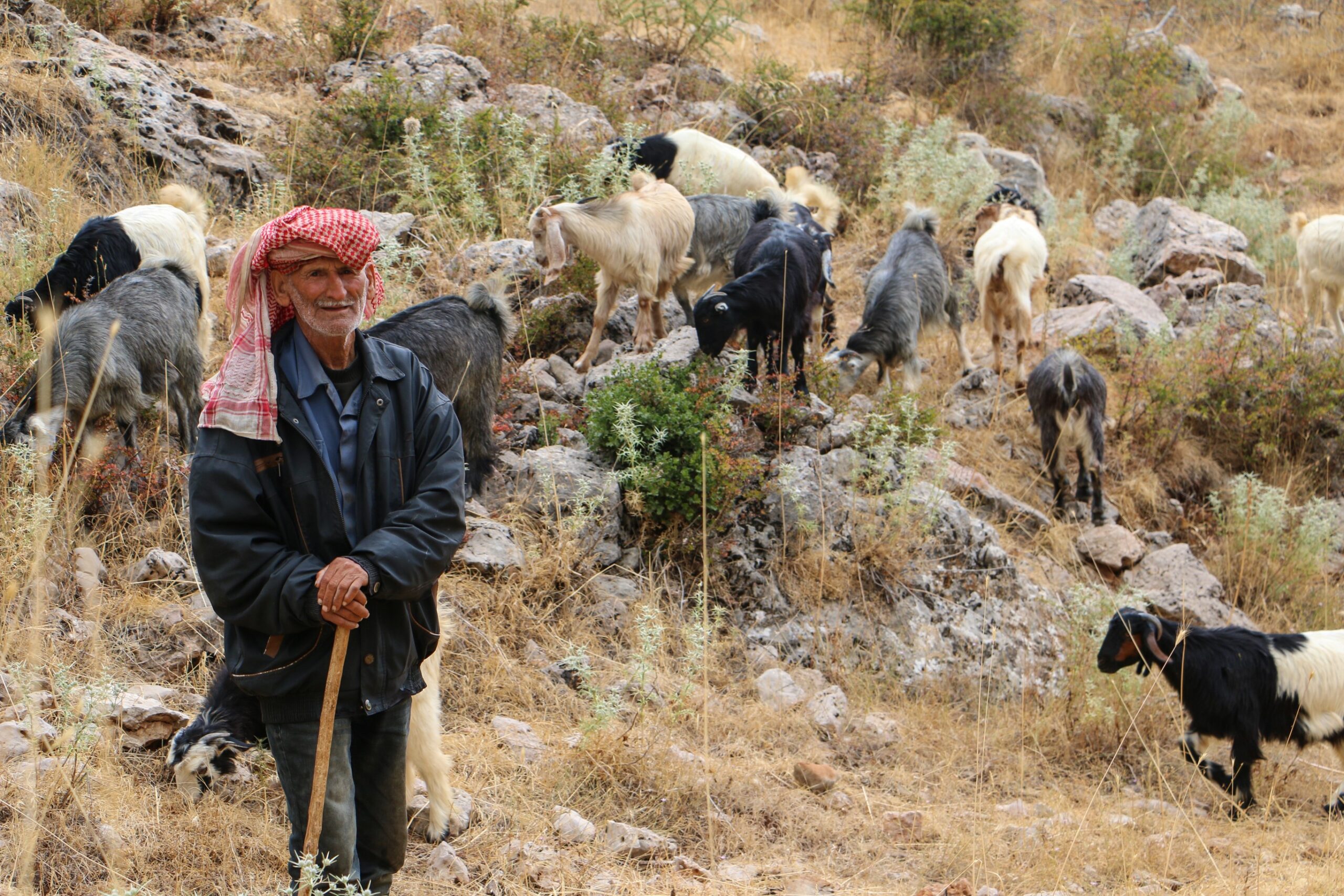
After the pandemic, when tourists travel to Lebanon again, the trail is “well positioned as a destination” that can help bring back the economy of the Lebanese mountains and a message of peace to the country. And just as important, “it gives the Lebanese people, wherever they are, the chance to enjoy nature, to bring their children and to remember where they come from.”
After the explosion: An update on Joseph Karam and his family
On Aug. 4, at the time of the huge explosion in Beirut’s port, the Karam family was at HOME in their apartment about two miles away. Their 13th floor apartment directly faces the explosion site.
After the first blast, Joseph’s wife Roula picked up their daughter Olivia and ran to the stairway; he followed.
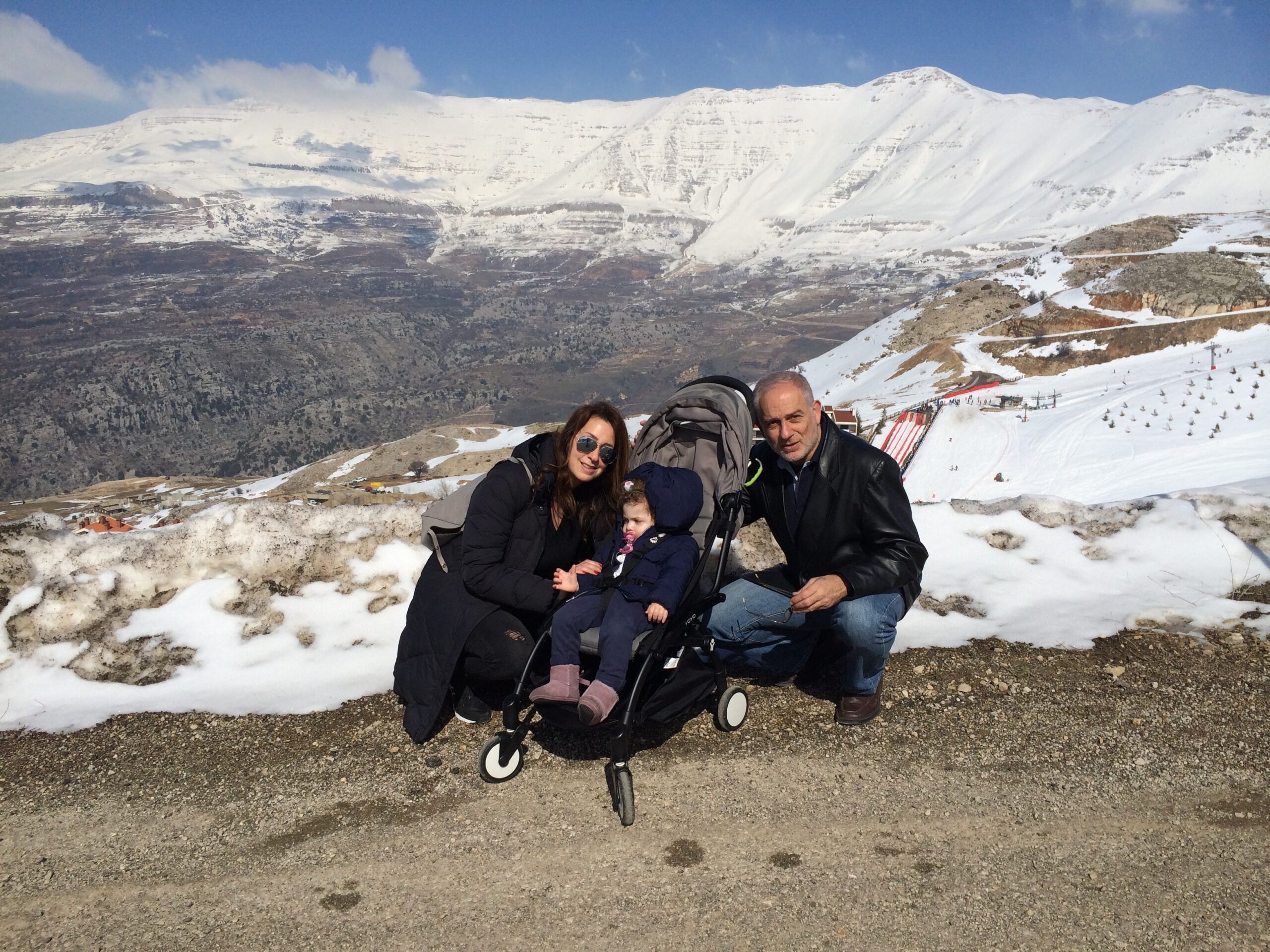
“We were very lucky,” Karam said. Because they were in the stairway, they were safe from being flung into the apartment walls and came out physically unscathed. And they had very minor damage to their HOME because they had their windows and doors open. But most other apartments in their building and in the neighborhood were shattered.
They are in the mountains they love while the minor damage to their HOME is being repaired.


HOMEland THEMES
Coming Soon
HOMEland Events & Collaborations
Coming Soon
 Signature Boutique