In the middle New York City’s chaos—the traffic, the tourists, the skyscrapers, the cold—it’s almost easy to get homesick; to long for Gemmayze’s bar scene, Hamra’s delicious late night spots, Byblos’s serene port, and teta’s cooking. Since hopping on a plane and flying to Beirut is not always the most feasible option, fishing for authentic Lebanese eateries around the Big Apple might be the second best option.
Here are the top places we recommend:
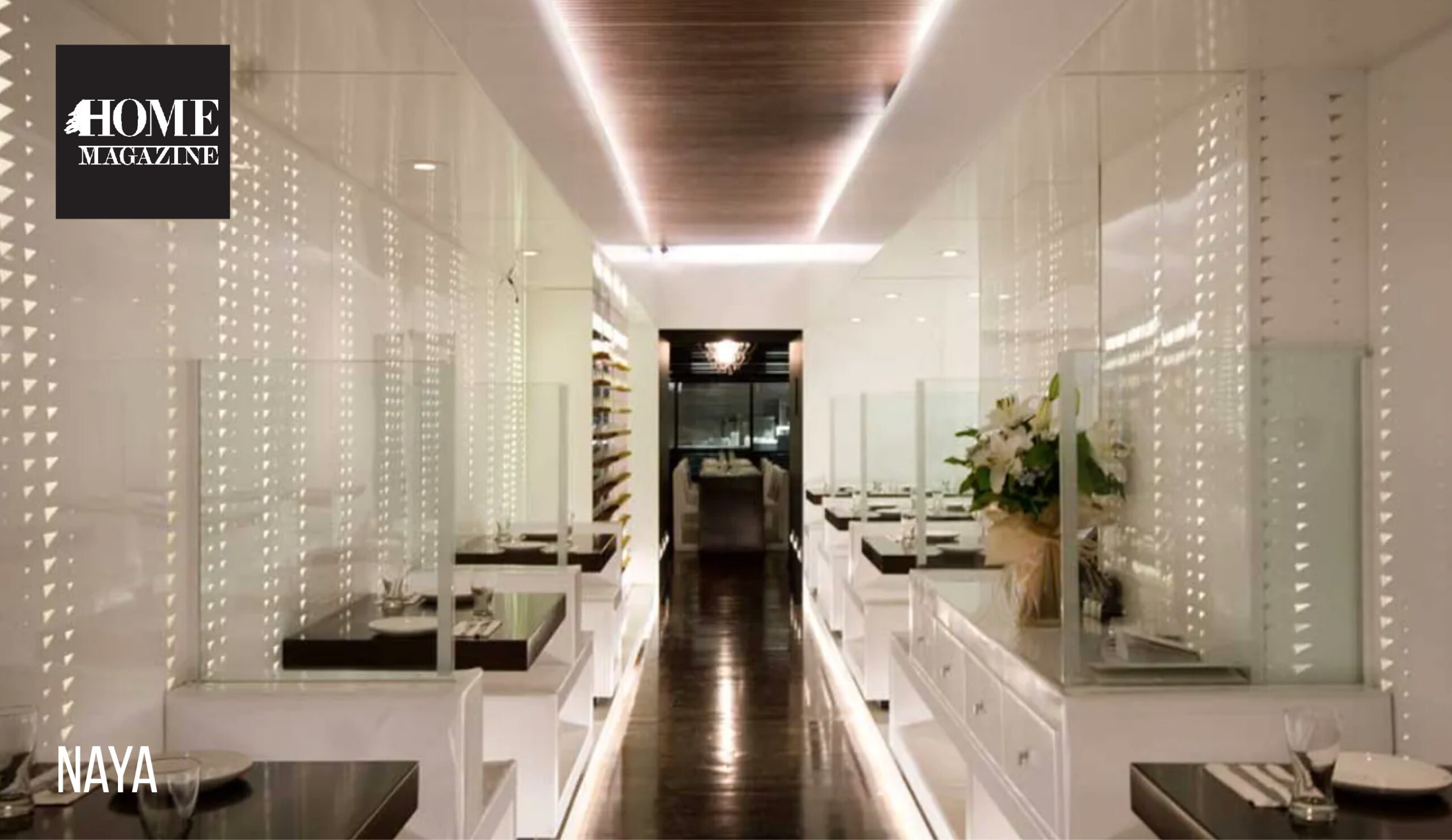
1- NAYA Mezze & Grill:
The chic design of this modern Lebanese-Mediterranean spot has Midtown East buzzing. NAYA is known for its twist on the traditional staples of Lebanese comfort foods, such as the Garlic Labné, Yogurt-Cucumber, Moudardara and Shawarma. NAYA can also be found on Madison Avenue, Midtown West, FiDi, and Garment District.
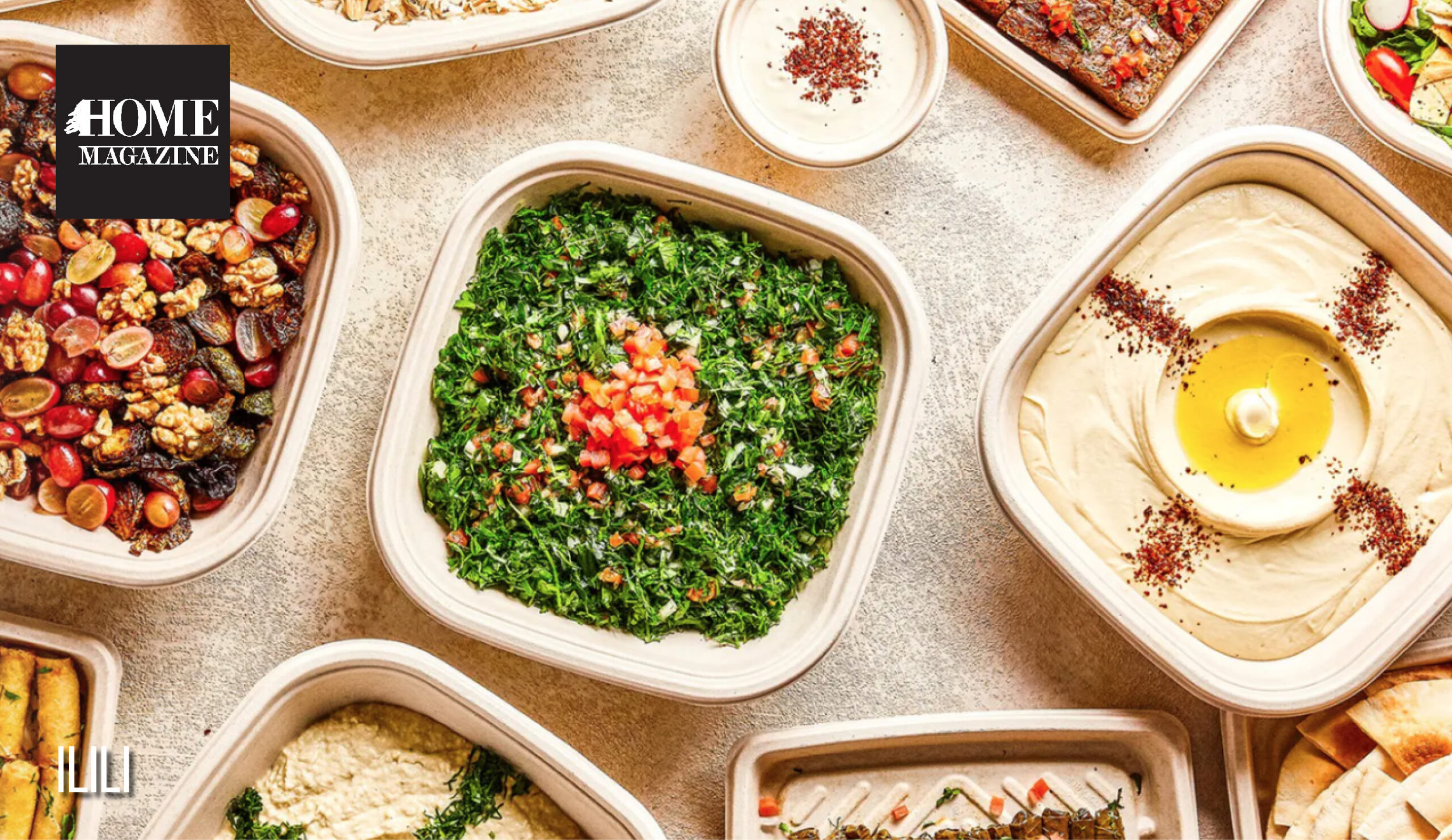
2- ilili:
New York City’s glamorous attitude is reflected in Flatiron District’s ilili; a high-end Lebanese-meets-NYC spot, where the menu is curated to balance the Lebanese and the American tastebuds. Artistic additions are added to the menu by Owner and Executive Chef, Philippe Massoud, making it difficult to choose between the Brussels Sprouts in fig jam and mint yogurt, the Duck Shawarma, or the Lamb Shank with Lebanese rice. ilili is located on 236 Fifth Avenue.
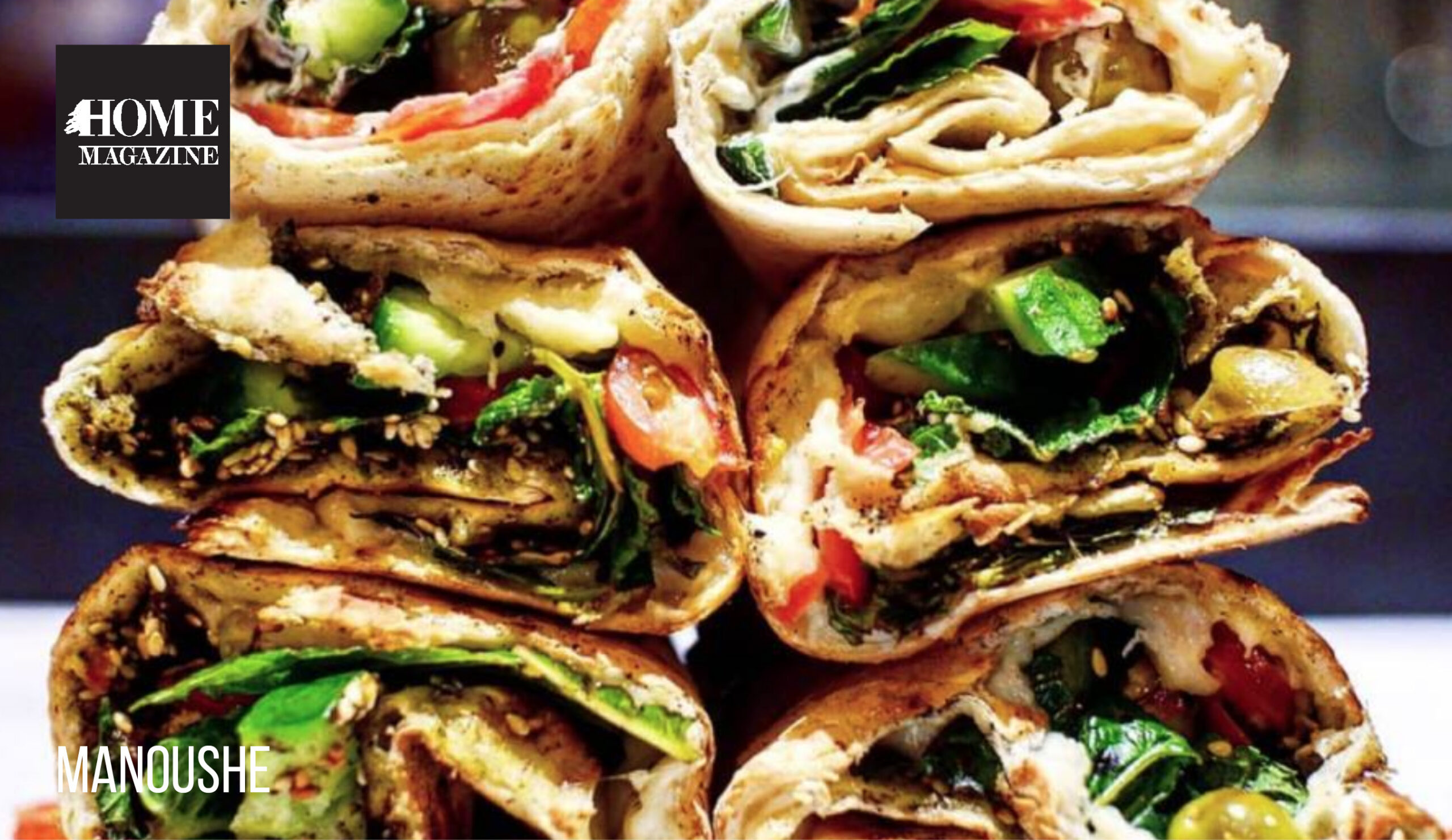
3- Manoushe:
When the intense craving for a real, zaatar-dripping manoushe kicks in, make your way to Bleecker Street in Greenwich Village, to the cozy, home-style bakery, named after the iconic wrap that we all love. Initially opened as a pop-up in 2013, Manoushe instantly grew into an NYC favorite, nailing all of the items on their menu, such as the famous manoushe, falafel, and knefeh.
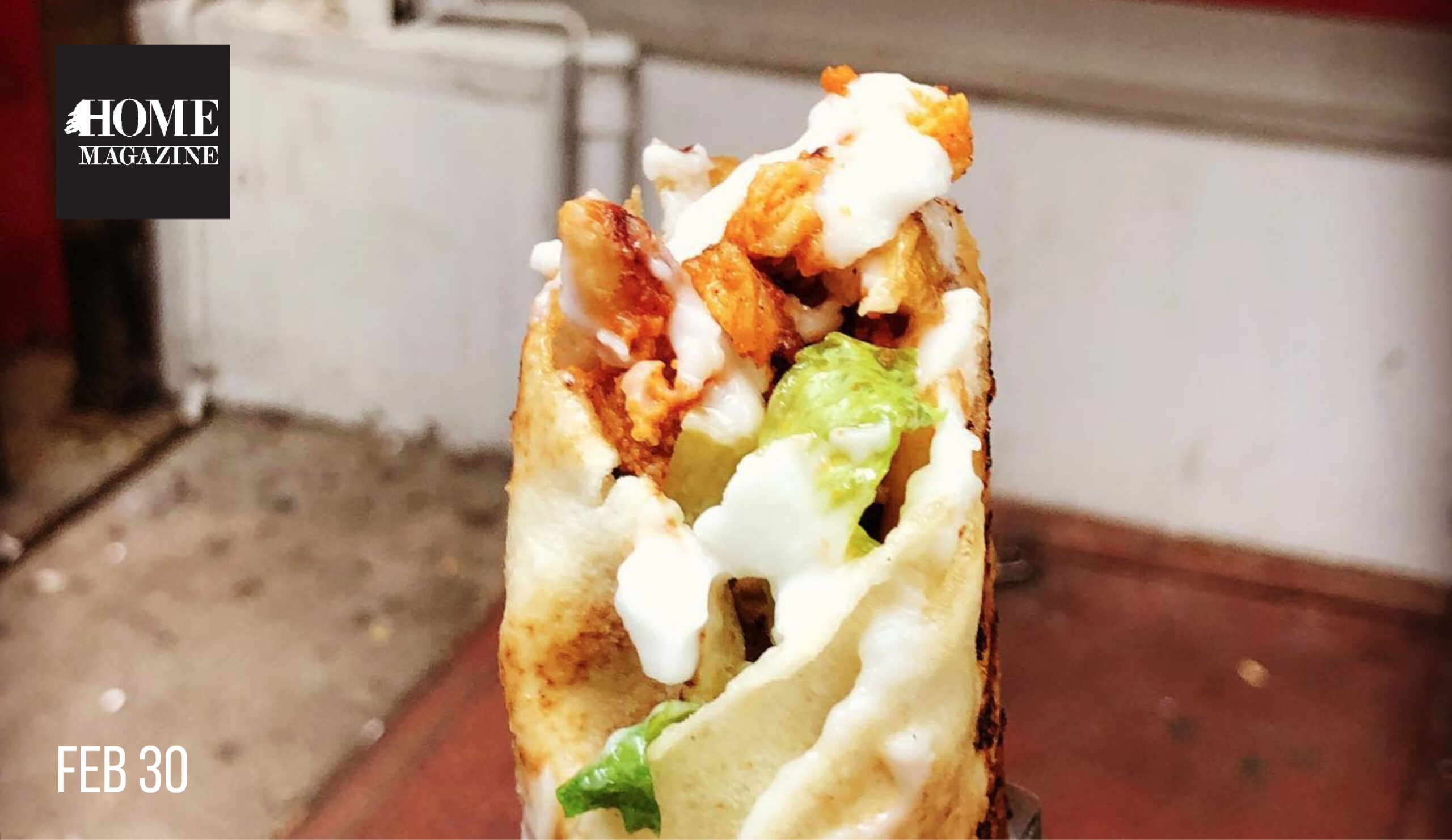
4- Feb 30:
A new addition to the immersive Macdougal Street, Feb 30 is the new kid in town, bringing an inclusive, authentic Shawarma experience to NYC. The menu consists of the beef and chicken classics—with a wrap, shaker, or bowl option—as well as a delicious addition of Vegan choices, to satisfy all post-night-out tastes. Feb 30 is open until 2:00 AM.
5- Balade:
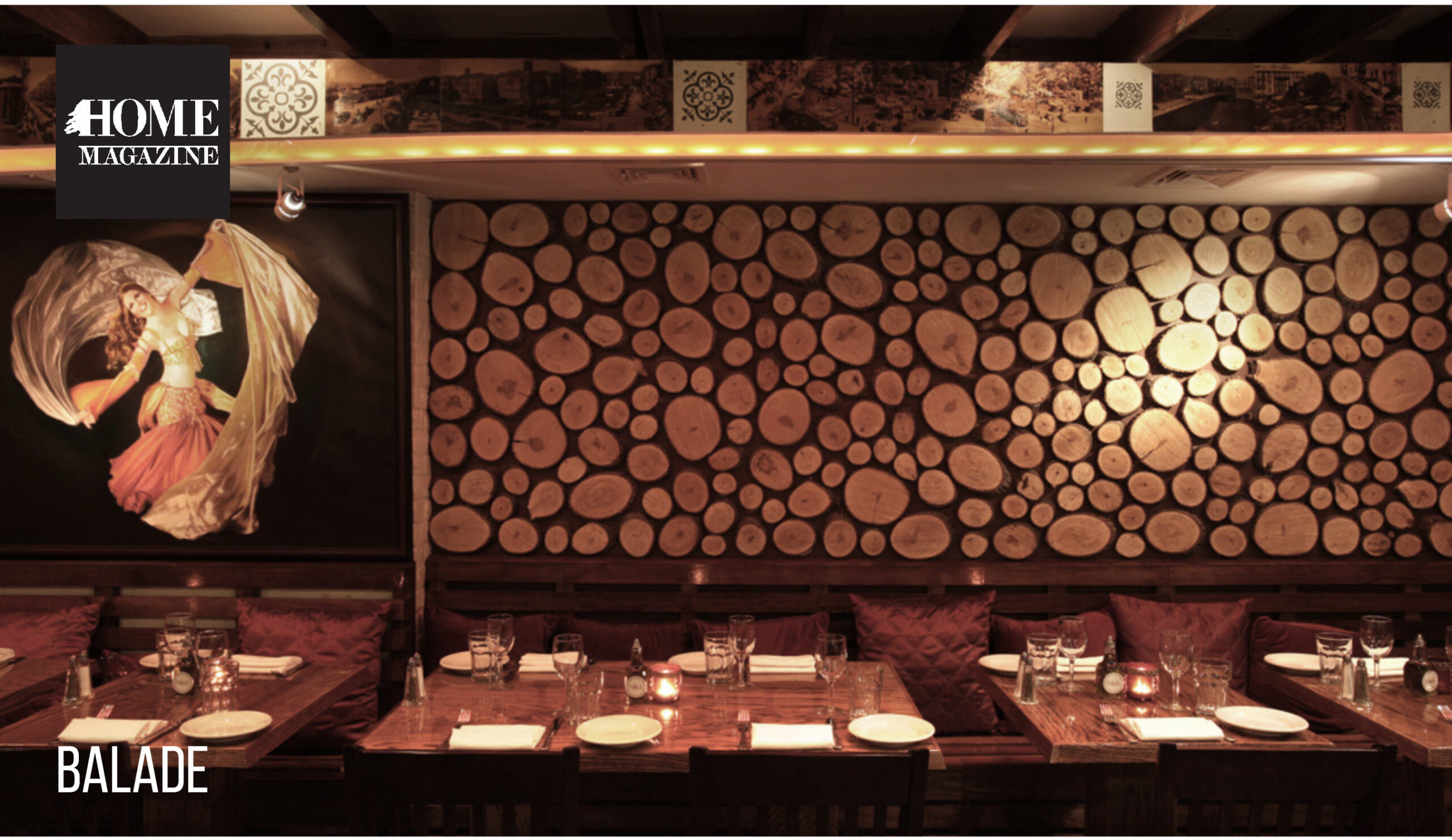
Located in the thriving location of East Village, Balade is a neighborhood gem, with an extensive menu of Lebanese favorites, such as Toum, Batata Harra, and Samke Harra. The restaurant’s authenticity is also expressed with its Arabesque design, exposed brick interiors, and Thursday Oud Nights.. Balade is located in 208 1st
6- Karam:
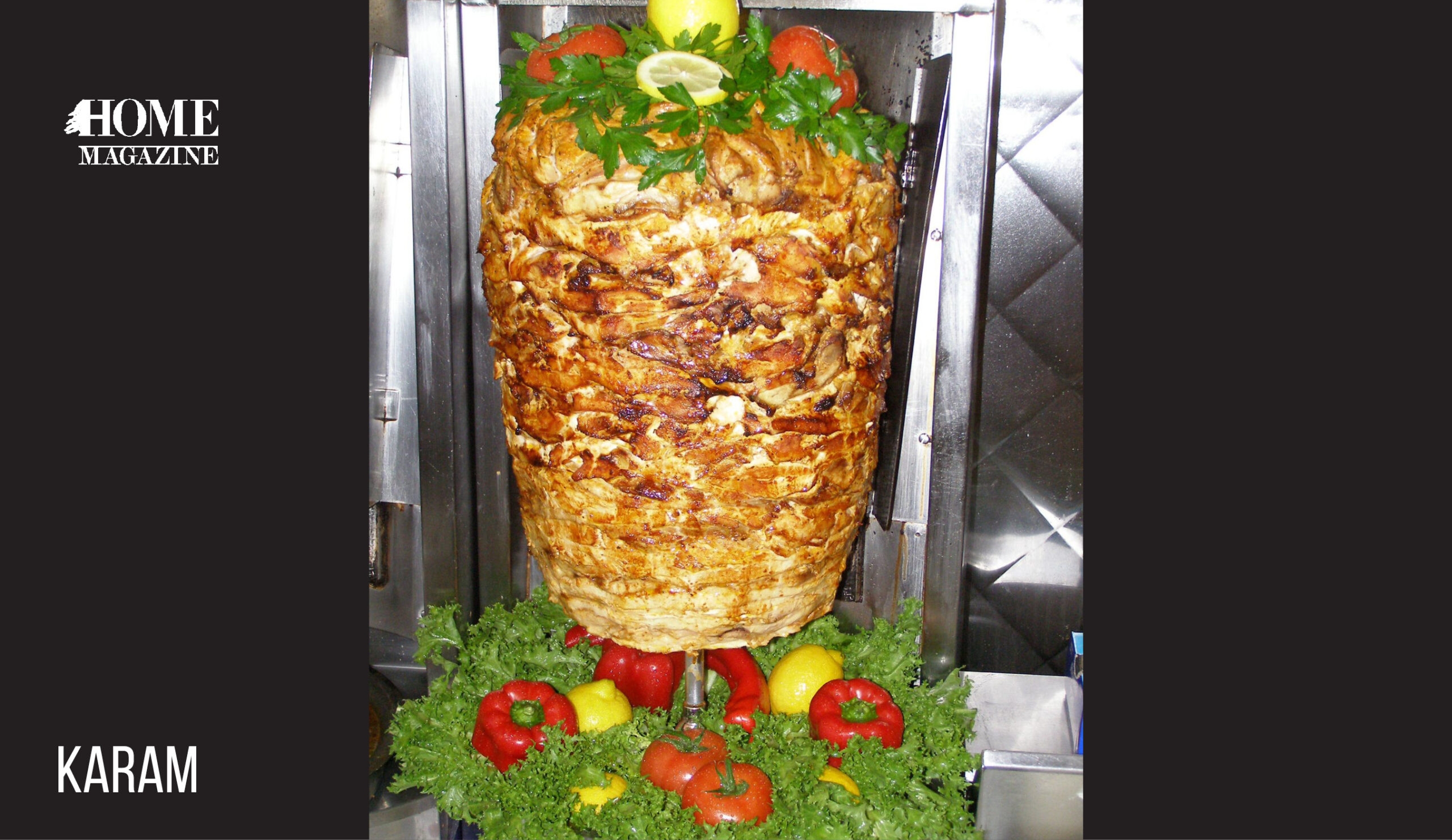
Take the R train, get off at 86 Street Station, and head to Karam for a generous, Lebanese, Brooklyn bite. They offer the mini pizzas a la Libanaise, along with late night favorites such as Shawarma and Chicken Liver. Karam is located in the Bay Ridge area, Brooklyn.
7- Au Zaatar:
Another East Village go-to is Au Zaatar, for a special table side shawarma experience. Reservations are highly recommended, and while waiting for the shawarma to be ready, their small appetizers and hot plates are perfect for making the wait easier.
Embed link: https://www.facebook.com/watch/?ref=external&v=521070011720990
8- Byblos Restaurant:
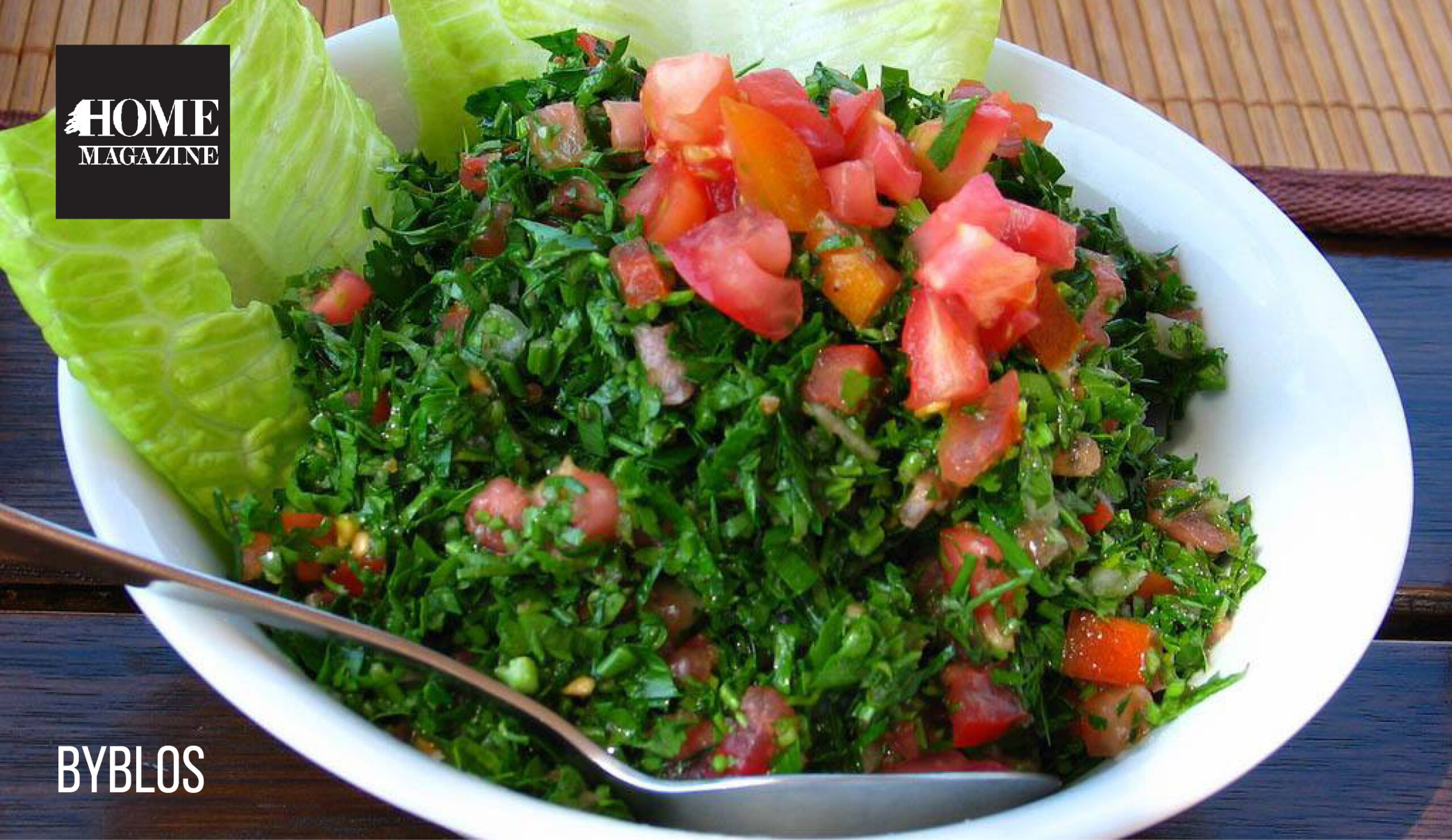
This family-owned restaurant initially opened in 1990, but a fire in the building that hosted the former restaurant forced them to close their doors in 2010. Months later, the latest (and current) location has been open, fully operational, and fantastic. The Chef’s Specials feature home-made favorites, such as baked kibbeh, and stewed okra. Saturday nights feature a live music, and a belly dancing show. Byblos Restaurant is located on 80 Madison Avenue.
9- Le Sajj:
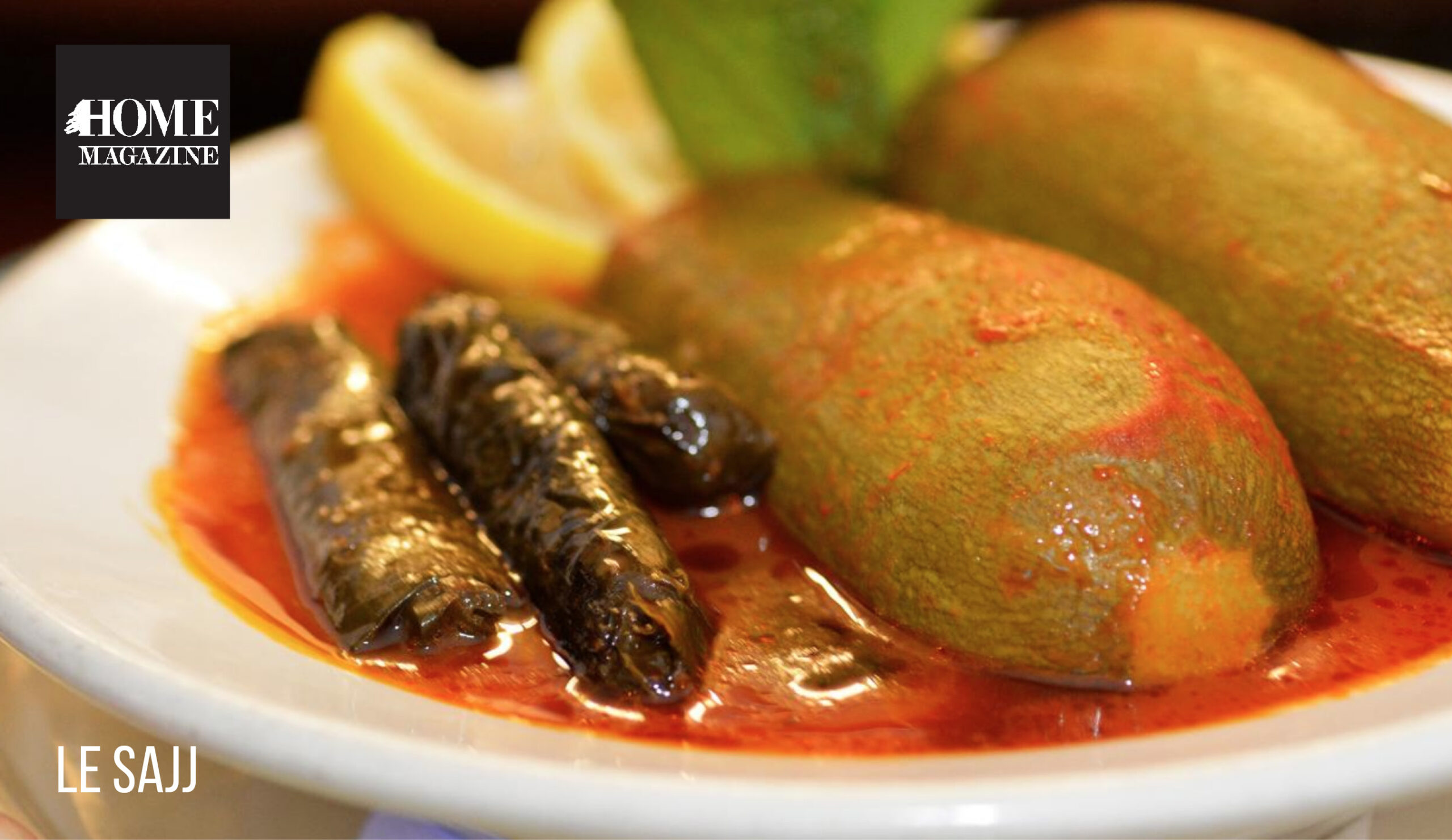
Going back to Brooklyn, Le Sajj is a Bay Ridge classic, being open for over ten years. The Baroque-styled restaurant prides itself with its kibbeh artistry, in addition to a lengthy menu of all-inclusive Lebanese classics such as Shish Barak and habra nayyeh, all made with fresh ingredients.
10- Toum:
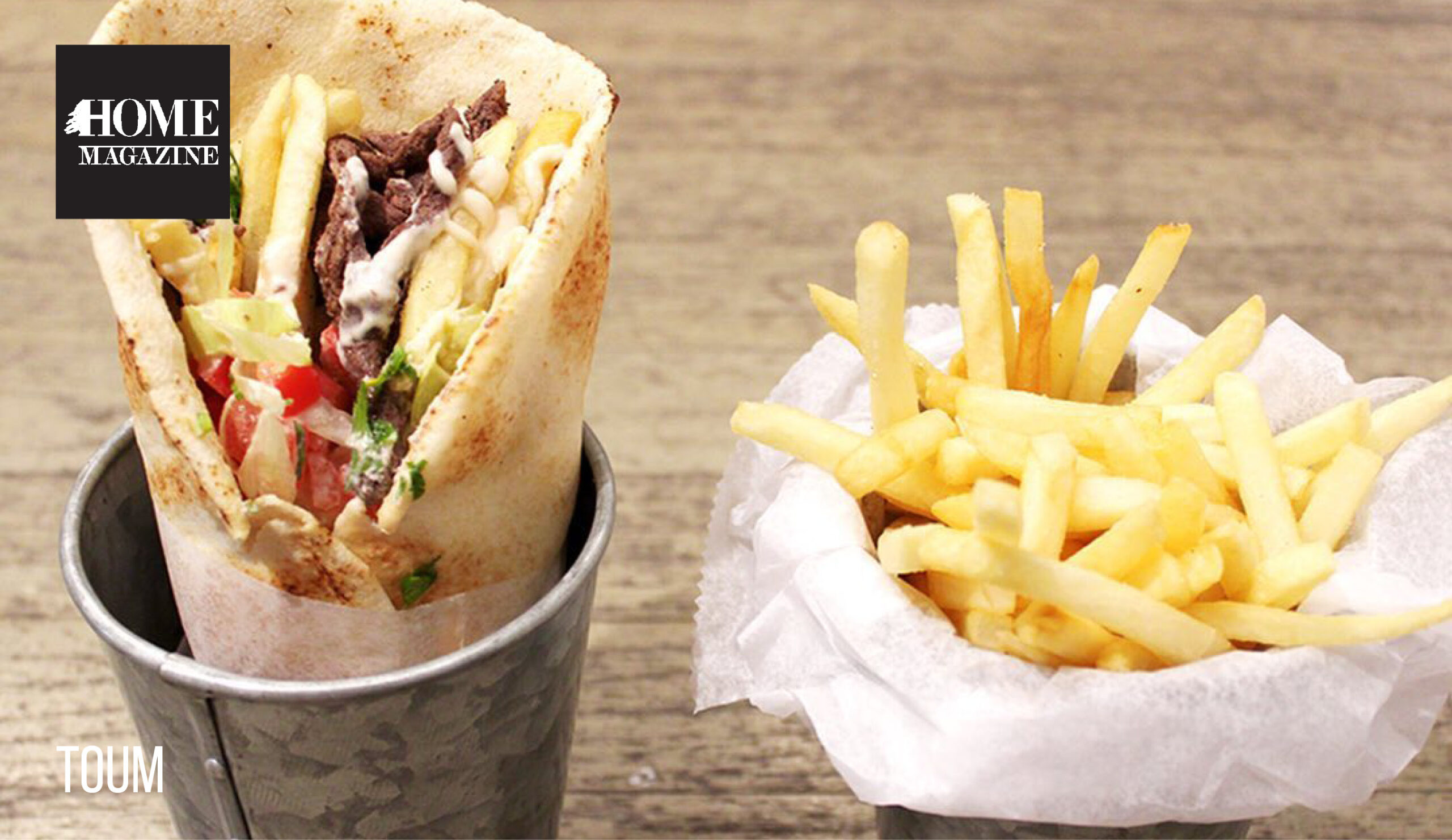
An homage to Lebanon’s favorite dip, Toum is actually a food truck, caterer, pop up, and restauranteur. This establishment is famous for its delicious catering services, as well as their food truck, located on 38 West, 38th Street.
11- Wafa’s:
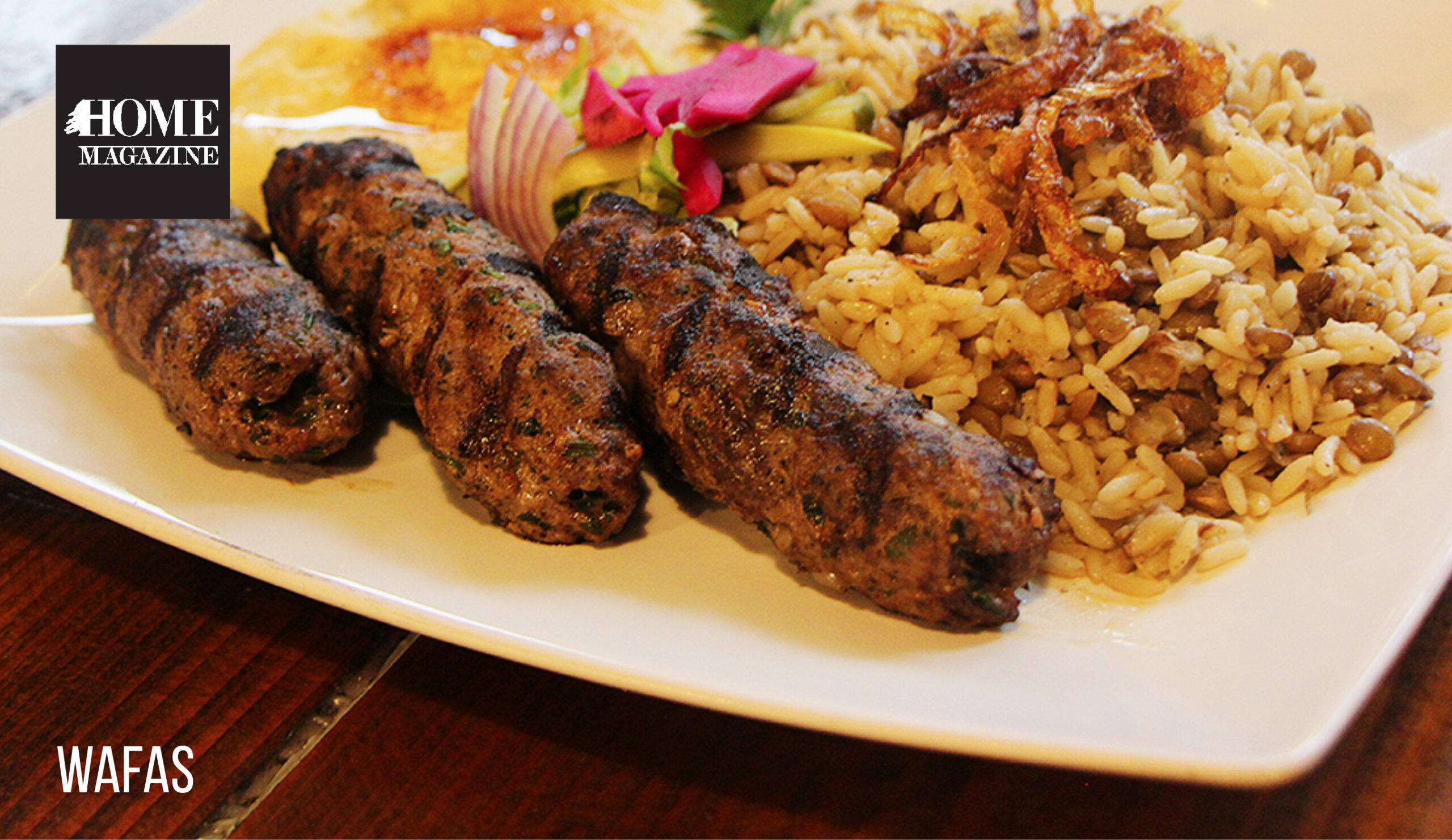
A traditional, tiny eatery, inspired by mom’s recipes, located in Brooklyn. Wafa’s food is consistently healthy, generous, and incredibly nostalgic. Find Wafa’s authentic restaurant in 812 Grand Street, Brooklyn.
12- Almayass:
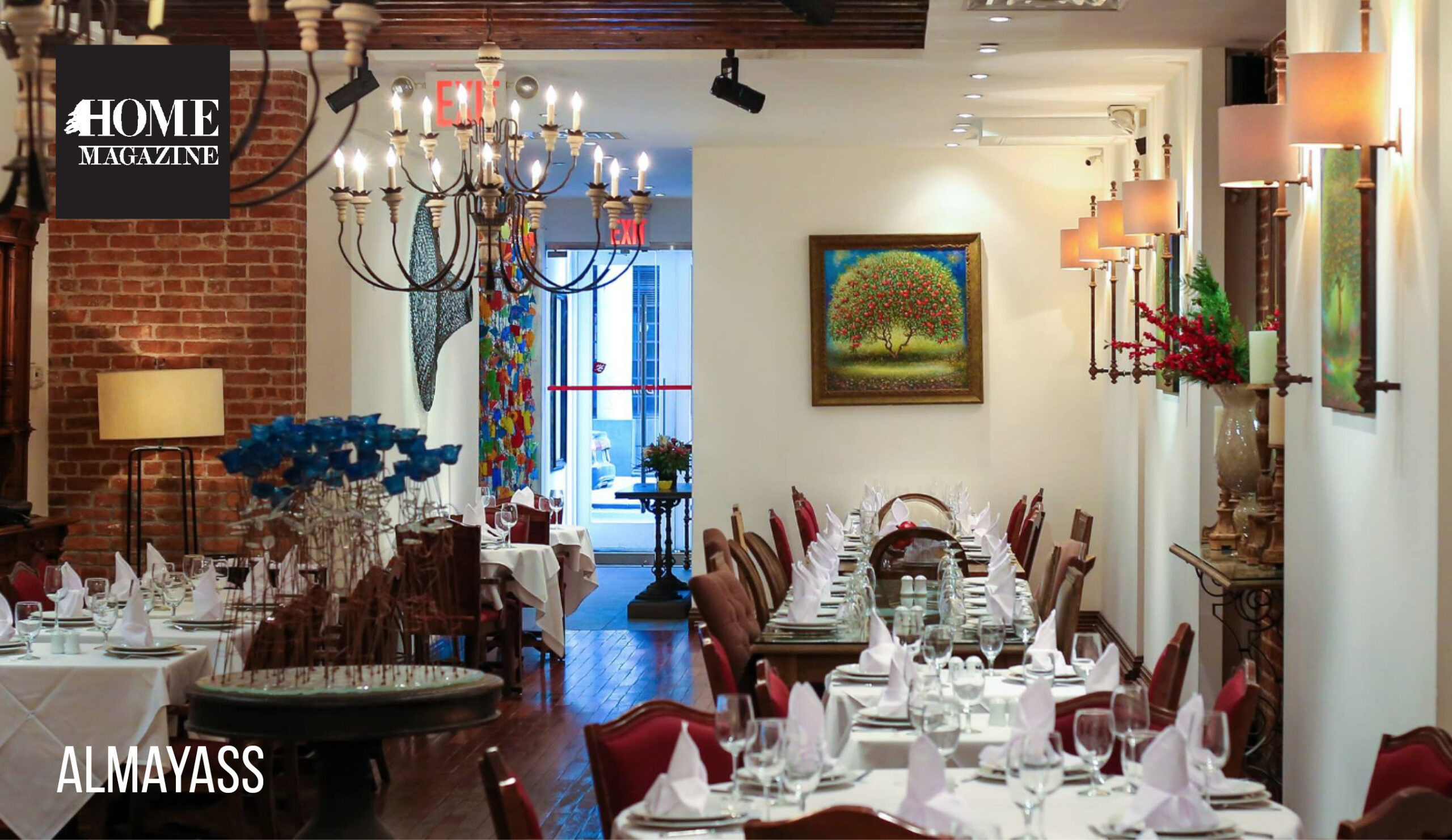
This Lebanese-Armenian hybrid is an icon in the culinary world; Almayass first opened in Beirut in 1996, and expanded into a franchise, branching out to Dubai, Abu Dhabi, Riyadh, Kuwait City, Doha, and New York City. This must-go spot include a special curated selection of Armenian and Lebanese specials, including Subereg, Frog Legs Flambé, Lentil Kafta and a delicious Mixed Grill platter.
Reference Links:
http://www.baladerestaurants.com/#about
http://almayass.com/ and http://almayass.com/NewYork
https://www.facebook.com/feb30ny/
https://www.facebook.com/pg/ToumNYC/photos/?tab=album&album_id=467732043260605&ref=page_internal and https://www.toumnyc.com/contact
https://ny.eater.com/2017/9/27/16357228/le-sajj-bay-ridge-review
http://karam-brooklyn.com/menu.html
HOMEland
Coming Soon
HOMEland Events & Collaborations
Coming Soon
 Signature Boutique