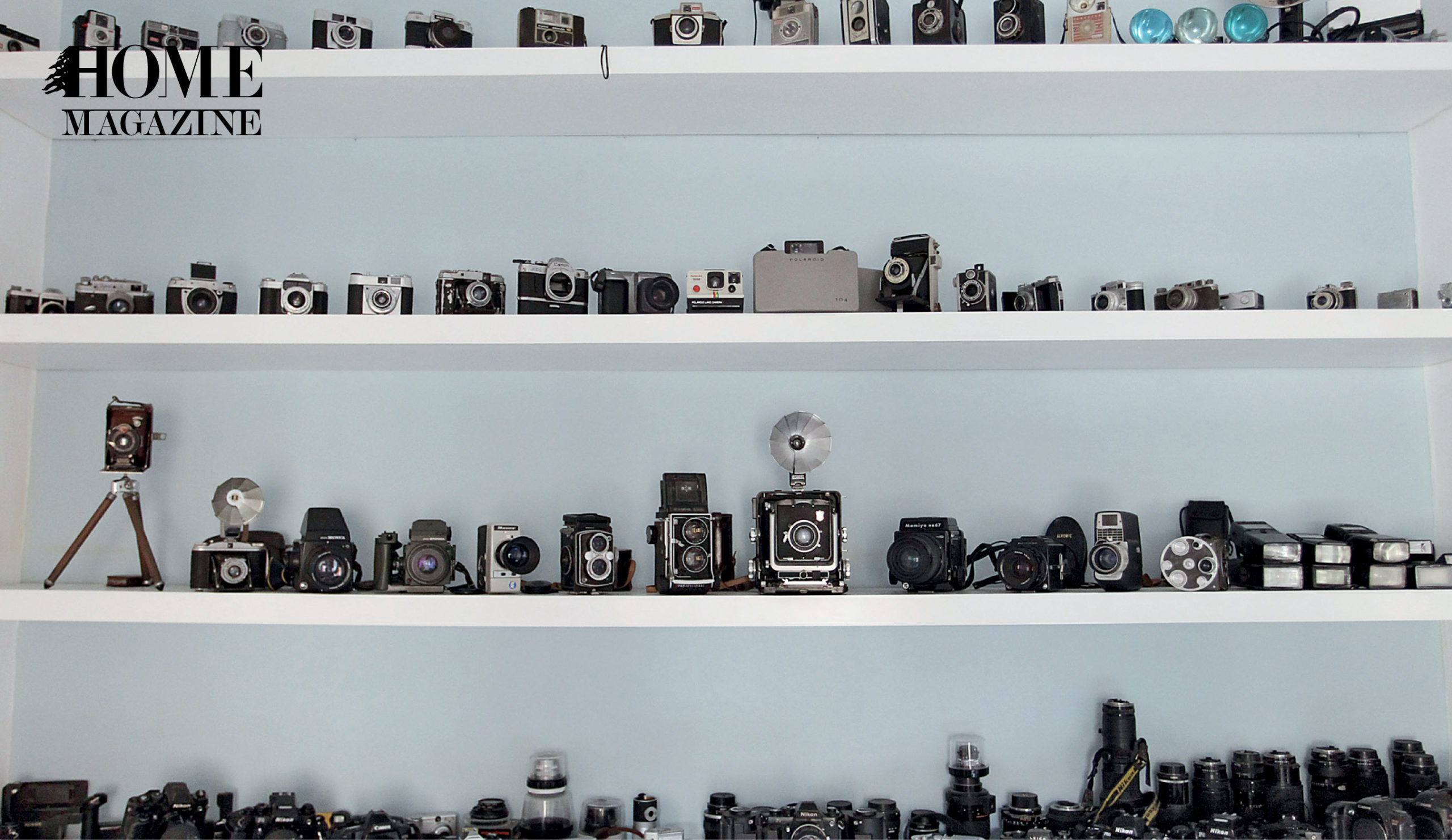
Transmit a memory. Transform a moment. Capture some part of reality. These elements are the essence of photography, but how is an image projected and received by an audience? And what can we understand from these snapshots? Beirut-based Dar al Mussawir is one of the foremost photography spaces in Lebanon and the Middle East whose aim it is to answer such questions. It didn’t come from nothing though.
Award-winning photojournalist and co-founder of the Arab Union of Photographers, Ramzi Haidar, founded The Image Festival Association — Zakira (Arabic for memory) — in 2007. Haidar began considering ways to support children, the most helpless victims of war, who are often entangled in a web of violence. The purpose was to showcase the work of photographers, exchange ideas about the impact of images, and create an open community for all those interested in photography.
“It started with participatory photography in Palestinian refugee camps,” says Ibrahim Dirani, the manager and photography trainer at Dar al Mussawir. “We distributed 500 disposable cameras to 500 Palestinian children in all the refugee camps all over Lebanon. The year after that, we launched a project titled After Lahza, in which we provided five elaborate training workshops to 250 Lebanese and Palestinian youth all over Lebanon, in Beirut, Tripoli, Tyre, Saida, and Baalbeck. Each workshop lasted three months, so the project itself lasted a whole year.”
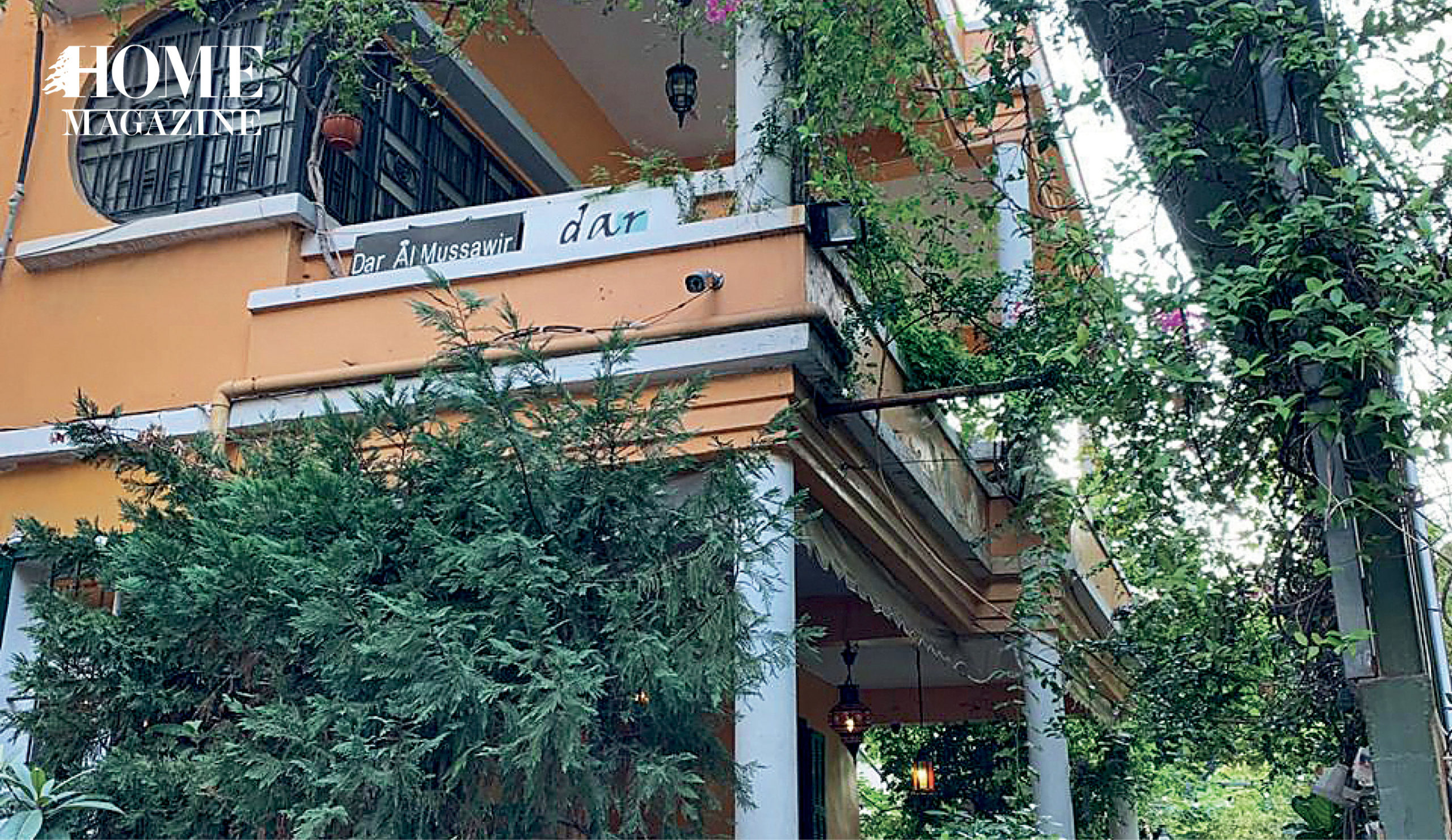
The Arab Union of Photographers helped Zakira attract 700 participants from 36 nationalities for the Beirut Image Festival, which took place in September 2019 and was supported by the Beirut Municipality. The event has been in the works for years. It took place both indoors and outdoors, in the streets and against different backdrops, like the seaside. Photographs from the Albert Kahn collection, which date back to 1919, were exhibited in the Roman Baths near the Grand Serail; spectators could compare before and after photos of the old building, a testament to the passage of time. Key artistic locations around Beirut and greater Lebanon also played host.
“It’s a way to promote Beirut as an artistic, cultural capital of the region,” explains Dirani, who is also co-organizer of events. “It’s a local, regional, and international festival to promote mostly emerging talents in Lebanon and other regions. The goal is to decentralize art, allow access to non-traditional audiences in outdoor exhibitions, explore photography culture and support the artists. The key exhibition was at the National Library on September 5. Our aim is to roll out the experience in subsequent years and deliver similar festivals in other Arab capitals to expand our reach.”
Over the years, Zakira has launched many initiatives and partnered with international bodies. In 2010, Dar al Mussawir, or House of Photographers, came to life. Under its wing, youth in Lebanon can deepen their understanding of photography through a myriad of related disciplines and branches.
Located in a colorfully painted old building with shutters and creaking doors in Hamra, Dar al Mussawir was founded as a self-sustainable photography training space. It provides photography services and workshops at different levels and types, like introduction to photography, photojournalism, documentary photography, retouching, photoshop, printing, and lighting. There’s even an active darkroom.
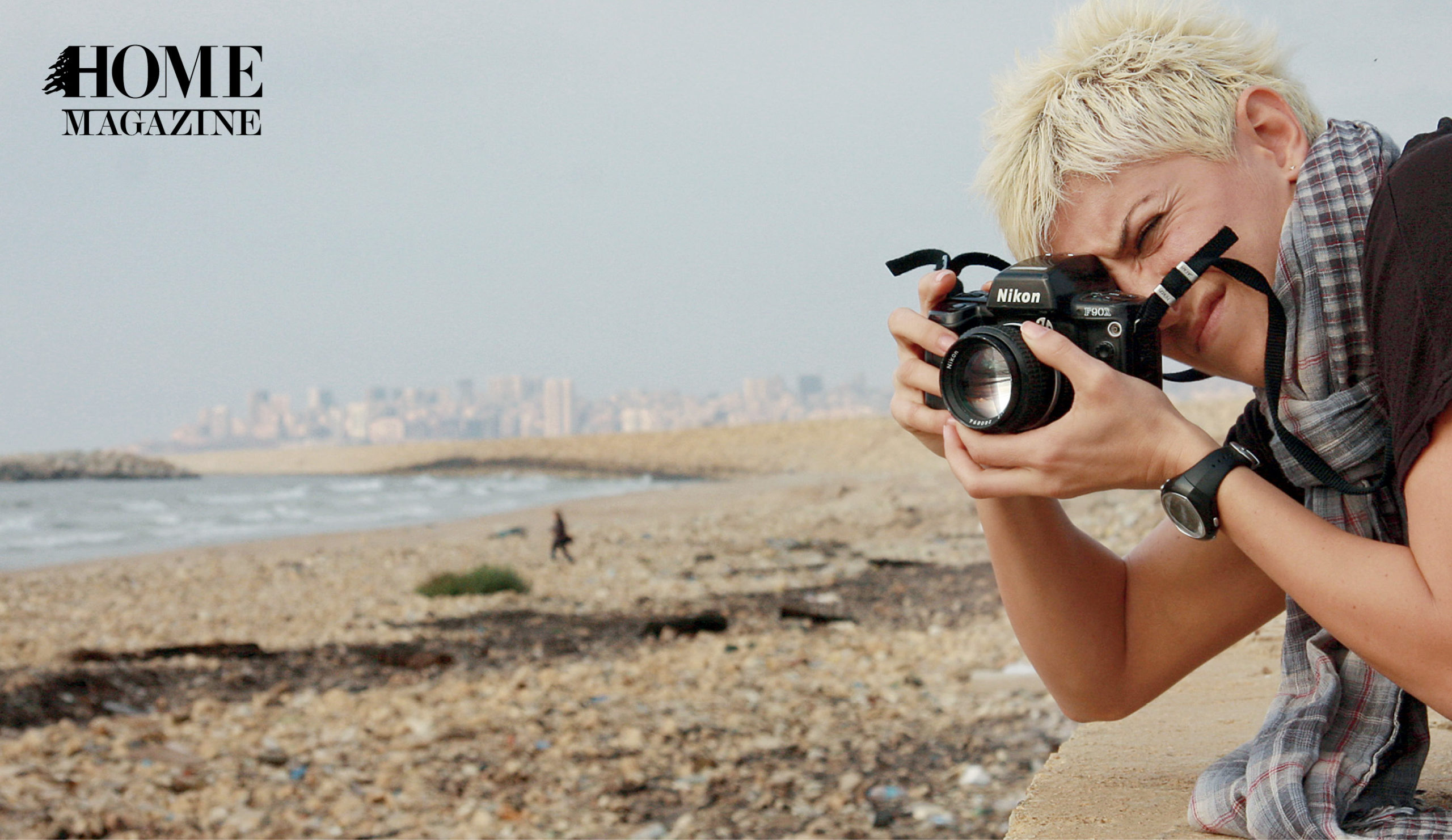
“This photography space isn’t exclusive to professional photographers,” says Dirani. “It’s a general photography audience, including amateurs, those interested in becoming professionals, and those just interested in learning how to shoot their travels, their portraits, their family.”
Dar al Mussawir has organized programs with the British Council and the Swiss Agency for Development and Cooperation, among others. They put together workshops on artistic photography, sustainable environment issues, or photojournalism for aspiring Yemeni, Syrian, Palestinian, and Lebanese photographers.
“The beneficiaries were less than 30 years old, but they sit with photographers who’ve been shooting since the 1970s and 80s. It’s a two-way interaction and a nice dynamic. We’re not teaching; we’re working together and bouncing ideas off each other,” says Dirani.
In an age where digital technology and information are prevalent, it’s refreshing to see the preservation of traditional photography. Millennials, who’ve never seen a roll of film nor shot with a traditional camera nor printed a photograph by hand seem most moved.
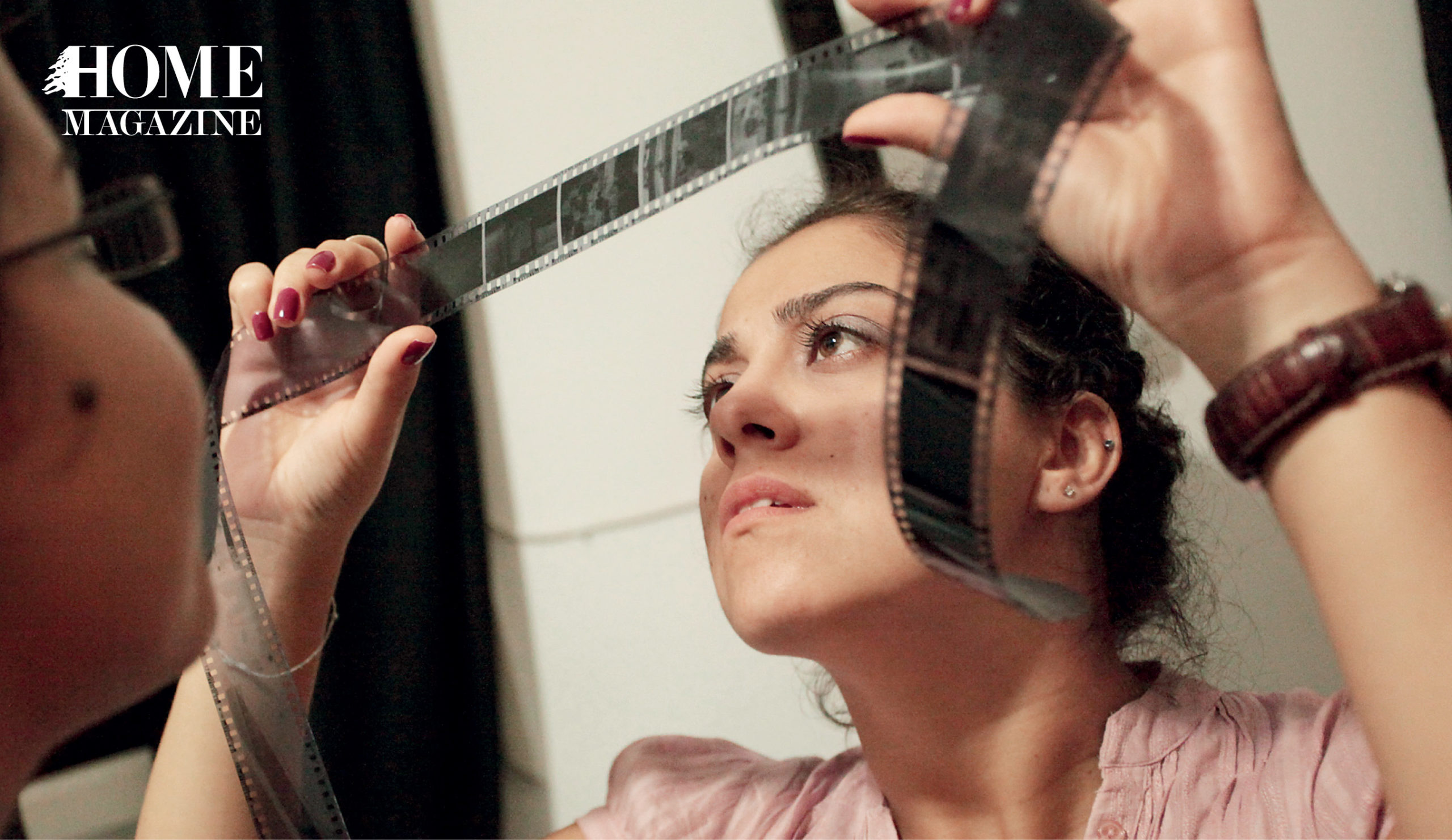
“They’re amazed by having something tangible,” Dirani says. “Something you can hold in your hands and hang on your wall. It adds a specific dimension to the memory and a persistence of the moment that you don’t have in digital photography. The young generation is mostly interested in the chemical process of the darkroom, of feeling the films, the papers, seeing them dry on the rope, having something permanent come out of it.”
Photography is so much more than a mere visual mode of communication. You can hear it, smell it, see it and feel it. From the chemicals being poured, swirled, and dipped, to the images’ development on palpable paper, to a darkroom’s distinct atmosphere, photographs document our world. The evolution of photography has been an adventure. What do you value in a moment?
HOMEland THEMES
Coming Soon
HOMEland Events & Collaborations
Coming Soon
 Signature Boutique