
According to the International Agency for Research on Cancer (IARC), the annual count of new cancer cases worldwide exceeded 18 million in 2018.
The Most Common Cancers Worldwide:
- Lung 11.6% (2.09 million cases)
- Breast 11.6% (2.09 million cases)
- Colorectal 10.2% (1.80 million cases)
- Prostate 7.1% (1.28 million cases)
- Skin cancer (non-melanoma) 5.77%(1.04 million cases)
- Stomach 5.07% (1.03 million cases)
- Liver 4.7% (8.41 million cases)
In 2018, cancer was responsible for an estimated 9.6 million deaths, and is considered the second-leading cause of death globally.
One in six deaths is due to cancer.
More than 40 percent of these deaths can be prevented through risk factor management. Risk factors for developing cancer include age, genetics and exposure to several avoidable lifestyle factors.
The 5 Leading Behavioral and Dietary Risks Are:
• High body mass index
• Low fruit and vegetable intake
• Insufficient physical activity
• Smoking
• Alcohol consumption
Breast cancer:
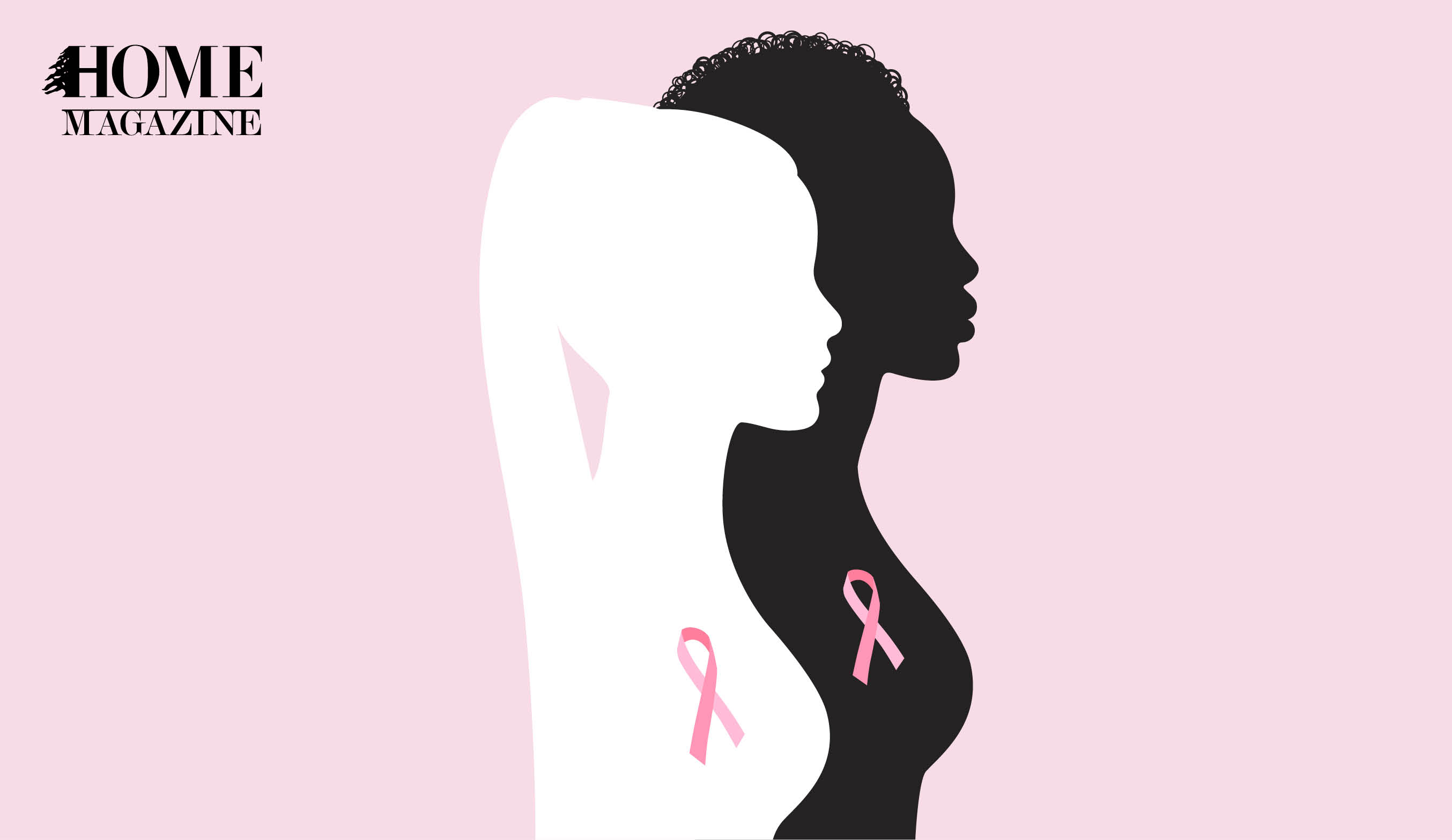
Breast cancer has become the most commonly diagnosed cancer among women and the second-leading cause of cancer death after lung cancer. In Lebanon, breast cancer has been the most frequent cancer among Lebanese women since data started being published in the late 1950s. In 2018, there have been 8,485 registered cancer cases among Lebanese women. The cancer mortality profile reported by the World Health Organization in 2014 in Lebanon shows that 26.2 percent of deaths among Lebanese women were from breast cancer.
Signs of breast cancer:

• Lump or thickening in the breast
• Breast or armpit pain
• Change in the size of the breast
• Change in the shape of the breast
• Change in the breast skin, dimpling or pitting
• Discharge or bleeding from the nipple
• Change in the position or shape of the nipple
• Nipple rash
Screening tests and methods used to diagnose breast cancer:
• Screening mammography
• Breast ultrasound
• Breast MRI
• Clinical breast exam
• Breast self-examination
Early detection through screening is highly recommended all over the world.
The following findings come from my Ph.D. thesis looking at the barriers to Lebanese women’s participation in breast cancer screening services.

These barriers include:
Knowledge and awareness
• Source of information about health and breast cancer.
• Lack of knowledge and awareness about breast cancer and breast cancer screening.
“Even when found, cancer should not be treated with chemotherapy because it will cause its dispersion in the body. It is like fireworks.”
49-year-old participant from Jdaide (Greater Beirut)
Psychological factors, confidence and self-esteem:
• Negligence and not giving importance to one’s own health.
• Worry of how to face breast cancer if ever diagnosed.
“How will I see myself without a breast if it ever happens to me? We always say that loving life is important but it is scary if we think of it happening to us.”
41-year-old participant from Jdaide (Greater Beirut)
Economic factors:
• Worrying about the cost of transportation, medical visits and further required tests or cost of treatment if ever diagnosed with breast cancer.
“If I need to be operated on for breast cancer, my husband would need to sell his house so we can pay the medical expenses including tests and drugs.”
52-year-old participant from Abba (South Lebanon)
Women’s belief of the chances of getting breast cancer:
• Not seeing themselves as targets to breast cancer.
• Stubbornness and denial.
• Not feeling a need to do the mammography.
“I do not do the test. I prefer not to know if I have breast cancer.”
50-year-old participant from Halat (Mount Lebanon)
Social and cultural factors:
• Negative image of breast cancer in society and importance of external appearance.
• Self-medication and acting upon neighbors’ medical advices.
• Embarrassment and shyness.
• Gender inequality and women’s relationship with men.
“Sometimes it is not possible for a woman to go by herself to seek medical care, she needs to be accompanied by a male person.”
59-year-old participant from Bazouriye (South Lebanon)
Geographical factors:
• Location of HOME and distance from medical centers and hospitals.
• Difference between urban and rural areas such as availability of healthcare centers, limited availability, reach or effectiveness of awareness-raising campaigns or initiatives in rural areas.
Healthcare system and experience:
• Lack of trust in the Lebanese medical system and bad previous experiences.
• Burden of doing the paper work for treatment approvals.
• Lack of trust in services during the awareness campaign.
• Different recommendations for mammography from physicians.
• Perceptions of breast cancer therapies.
“You arrive to the hospital for a reason, and you end up sick if not dead from another reason.”
41-year-old participant from Batloun (Chouf governerate)
Religious factors:
• Many women from all religions have a fatalistic relationship with sickness.
• Leaving life in “God’s hands.”
Fear:
• Of physical and psychological pain, uncertainties, death, treatment, medical procedures, leaving family, losing hair, physical change that might occur if diagnosed and losing a spouse after mastectomy.
“Women who are married are more motivated to do the mammography for fear of losing their husband.”
57-year-old participant from Hallaniye (Baalback-Hermel governerate)


HOMEland THEMES
Coming Soon
HOMEland Events & Collaborations
Coming Soon
 Signature Boutique