
When 31 members of a diaspora family return to Lebanon, the experience is magical.
Lebanon prides itself on having many times more people of Lebanese heritage settled abroad than there are in the country itself. But many third-fourth- and fifth-generation Lebanese have never been to Lebanon and have little connection to its culture, or awareness of what aspects of their own family culture have their roots in Lebanon.
Occasionally, a few members of a family make a visit to the old country, but few families take on the challenge to have an extended family reunion in Lebanon.
The Paduas of Mexico, some of whom made a secondary move to Texas, did just that this past summer. Thirtyone members of the family, ranging in age from 8 to 79, made the trip. Their experience can provide valuable insights to other families who would like to do the same.
“Even strangers in Lebanon look like they are family by physical appearance.”
Family history
According to family history, Jirjis “Georges” Badawi, from the village of Tannourine, left Lebanon in the early 1870s to escape conscription in the Ottoman army. He was only 15 years old, had no money, and didn’t know Spanish when he got on a ship headed to Argentina. On its way, the ship landed in Vera Cruz, Mexico. He got off, liked it and decided not to get back on the boat.
He adopted a Mexican name to fit in better, and so he chose Padua, a name reasonably close to his own name, Badawi. And since Mexicans tack on their mother’s last name, he added Bernal, though no one in the family seems to know why. In that way, Jirjis Badawi became Jorge (pronounced “Khurkhi”) Padua Bernal.
Jorge married Juana Lattuf (another Lebanese Mexican), and one of his children, Francisco, was born in Mexico in 1914. Francisco, in turn, married Elena Sayegh from Mashghara.
Francisco and Elena made the trek back to Lebanon to explore their roots in 1954 and stayed at the luxurious Bristol Hotel, then only 3 years old. Around 20 people from the family went to the Bristol to see him, according to one relative, George Yacoub, now 89, who reminisced with the family in 2017. He remembers going down to Beirut to meet his cousin, but missed Francisco by just five minutes.
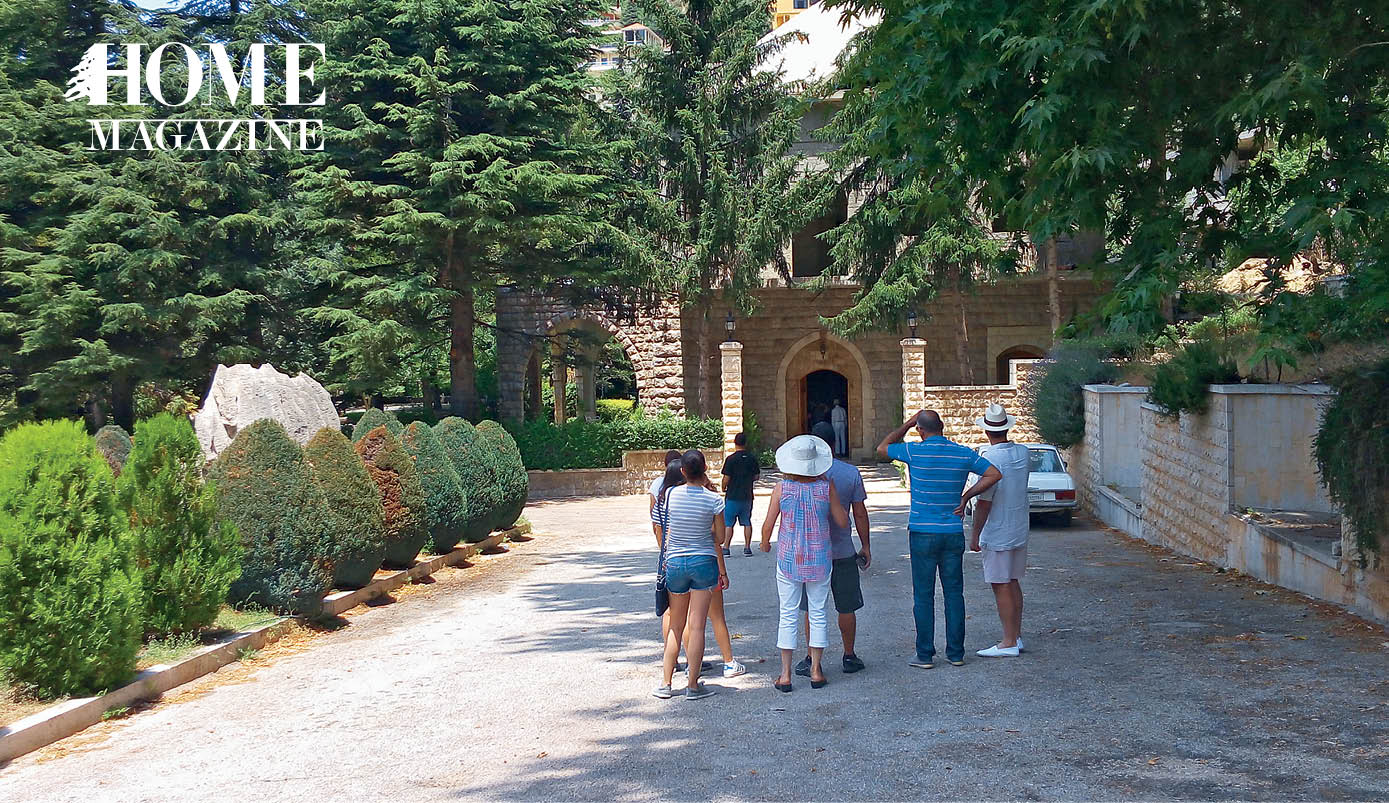
Padua reunion in Lebanon: July 21 – 29, 2017
Three children of Francisco and Elena, Francisco, Elena and Josie (Josefina), along with sundry spouses, children and grandchildren, traveled to Lebanon in July 2017 for a family reunion. They are third-generation Lebanese, the second born outside Lebanon. And that means that their children are fourth generation, and their grandchildren fifth generation, at least from their Padua/Badawi side.
Previous visits
Only nine of the 31 had visited Lebanon before. Francisco, the leader of the group and the grandson of Jirjis/Jorge, is the only one who had been to Lebanon three times. His wife Sara had been twice – once in 1972, at the age of 15, when she was selected to be the representative of Lebanese-Mexican youth for a program in Lebanon, and once with her husband. Their daughter Sara had come on her own one summer to study Arabic at the Lebanese American University. In addition, five of the 13 from Elena’s family subgroup had visited Lebanon once. And Josie had come with her parents when she was 18.
OBJECTIVES OF THE TRIP
There were many objectives to the trip, but four stand out as most important: cultural heritage, family origins, tourism and intra-family bonding.
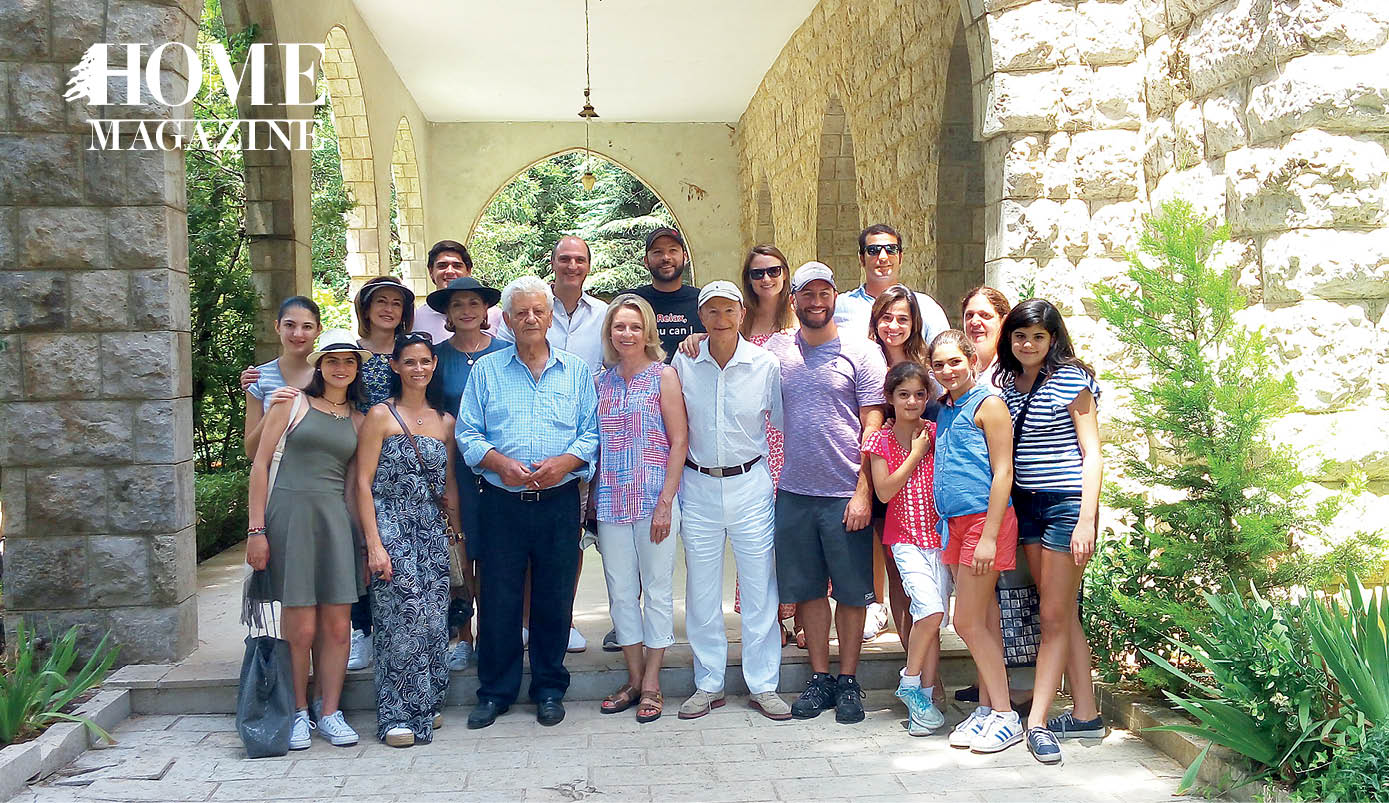
Connecting with cultural heritage
One might call “heritage tourism.” Since none of the participants had emigrated themselves, they were exploring how much of their cultural identity could be traced to Lebanon. There are a lot of people of Lebanese heritage in Mexico, and they tend to socialize together. Francisco, in fact, was one of the founders of the Centro Libanés in Mexico City, where wealthier members of the Lebanese community gather. And even in Houston, his family is part of a fellowship of Lebanese families. It is not surprising then that of the nine marriages represented among the trip participants, five were to other people of Lebanese heritage.
Even those in the family not of Lebanese heritage were often pressed to adopt elements of Lebanese culture. Sara Sr. noted that her mother is not Lebanese, but had to learn to cook Lebanese food. It is also not surprising then that key elements of Lebanese culture were integrated into their lives in Mexico.
While none of the group speaks Arabic except for Francisco’s daughter Sara, who chose to study it one summer, they all eat Lebanese food regularly in Mexico and Texas, and have a much more Lebanese than Mexican approach to hospitality.
Francisco’s son, Francisco, Jr., had lived in Mexico for nine years before his family moved to Houston. Only days after arriving in Lebanon, he reflected on how much he feels at HOME here — that even strangers in Lebanon look like they are family by physical appearance, and that he sees a lot of similarity to his HOME cultural traditions in the decorations in the HOMEs, the food and food names, music, dance and backgammon.
Being of Maronite faith, another part of their heritage tourism was their interest in visiting the hermitage of Mar Charbel, Harisa and a number of Maronite churches.
Tracing family origins
Jirjis, the original emigrant of the Paduas/Badawis was from Tannourine, and his wife was a Lattuf (village of origin unknown). His son Francisco married Elena from Mashghara.
If that had been the sole origin of the 31 travelers, it would have meant the whole group would only need to travel to Tannourine and Mashghara to trace their heritage. But Francisco married Sara, whose father, a Chalita, was from Qnat. Other Lebanese families intermarried with the Paduas/Badawis. Represented on the trip were members of the Aboumrad, Musalem, Chedraui, Shehadi, Haddad and Nehme families. Not all the members of the group wanted to trace their heritage back to their villages of origin, but some did — which necessitated having the group split up for many of the day excursions.
Those family-origin day trips led to some wonderful and very personal experiences. One trip took members of the family to Tannourine (the village of Jorge, the original Badawi emigrant). There some of the group saw a beautiful villa with gardens all around it. The gate and even the door to the HOME were open. Some of the group boldly decided to venture into the gardens and even peek into the HOME. The owner, Said Badawi, came out, surprised at the intruders, only to find that they were relatives! He reminisced about meeting Francisco’s father (also Francisco), a notso- distant cousin, when he had come to Lebanon in 1954.
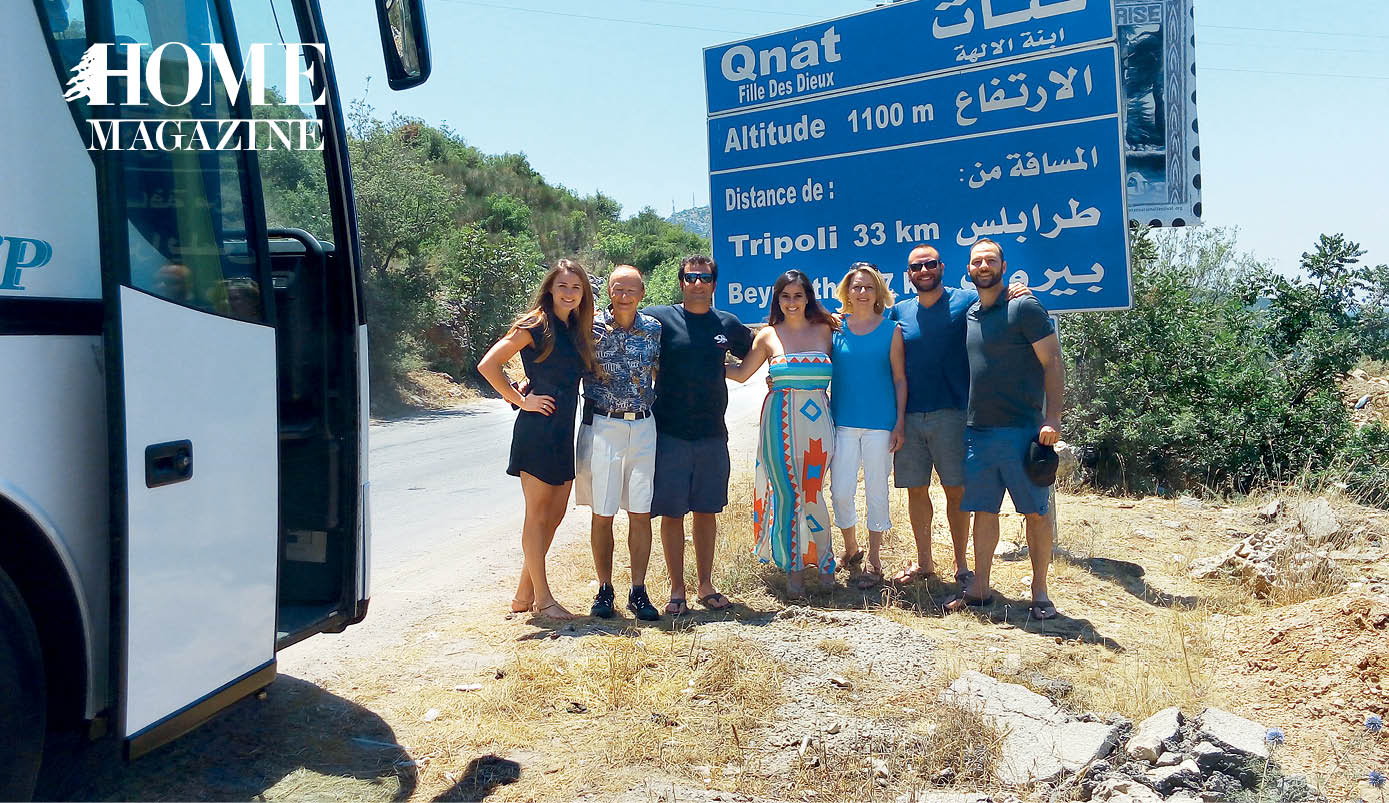
Moving on, the bus stopped and everyone in the Francisco/Sara subgroup got out to take pictures of the sign for Qnat (Sara’s village of origin) at the boundary of the village.
Once inside the village, the group wandered about, stopping villagers to ask questions, finally discovering the HOME where Sara senior’s grandmother was born. The Elena/ Alfredo Aboumrad subgroup went on their own heritage trek to Zahle and Wadi Shahrour, and later met up with relatives at the hotel in Beirut.
Tourism
Just as they would have done on a trip to any foreign country, they set out to see the sights. Members of the group went to Jeita, Byblos and Baalbek. They also went to the National Museum in Beirut.
Intra-family bonding.
Again, this could have happened in any country — but heritage was the main incentive for them to come together for this trip. Whether in the hotel, on the bus or in the various places they traveled each day, they were with cousins, aunts and uncles, nephews and nieces, grandparents and grandchildren. It was a once-in-a-lifetime opportunity to experience heritage with the people who mattered most to them.
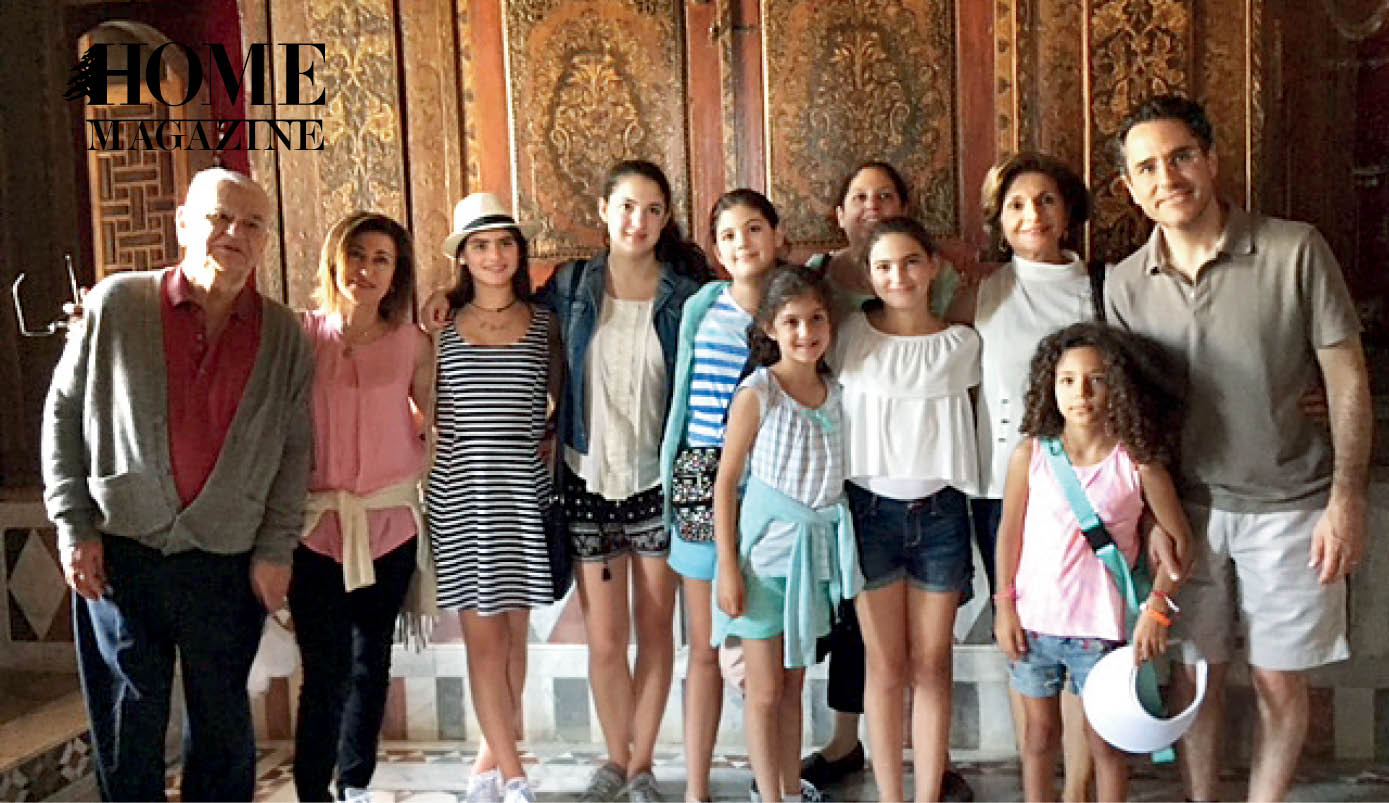
CHALLENGES
Any diaspora family that would like to take such a trip should be aware of the challenges it might face.
Age Span: One such challenge the Paduas experienced was the great age range of the participants —from 8 to 79. How does one plan a trip that accommodates their many different needs and interests? For the Padua trip, the younger ones tended to enjoy the simple pleasures of the hotel swimming pool and being with cousins, which they could have done back in Mexico, though they also liked places like the cable car — the “teleferique” — the castle in Byblos, and the walk and boat ride in Jeita.
Those in their teens and 20s had more appreciation for Lebanon’s historical past as well as for the connection to family heritage. And they went out to nightclubs, where they had a lot of fun dancing and learning the local taste for music. While they felt very Mexican and less Lebanese, they recognized the trip’s value in connecting them to their heritage.
Older members of the group were more interested in connecting with their villages of origin, unraveling the complicated tapestry of their genealogies, and meeting with actual relatives, however distant.
Lebanese geography: Another challenge was Lebanese geography. While the group enjoyed several excursions in the flat coastal lands like Beirut and Byblos, most of their excursions necessitated taking hours of long bus rides on narrow, winding mountain roads. The time they spent on buses was often far longer than the time they spent on solid ground. The scenery was beautiful, but it was hard on the stomach, and boring to some, though being with cousins often made up for the hardships.
Time: Time limitations were also a challenge. Since they were only in Lebanon for a week, there were many sites they didn’t have time to see. They passed by, but did not stop at the cedar forests. They didn’t have time to check out the Diaspora Village in Batroun. And there were many areas of Lebanon they didn’t get to.
Since it was summer, they didn’t see the snow or have a chance to go skiing. And they didn’t have the chance to hike any of the Lebanon Mountain Trail. But hopefully these will be additional incentives for them to return to Lebanon in the future.
Physical strain: Another challenge was the physical strain of such intensive travel. They were not in Lebanon long enough to get over jet lag and often had to begin their day excursions when they had barely had enough time to sleep.
They ate a lot of rich foods and went on exhausting bus rides. As a result, some became sick or were just too exhausted from the previous days’ travels, so that they missed some of the day trips.
Expenses: Inherent to any such trip is the financial challenge, though it was, perhaps, less of a problem to this group that has been financially successful in the diaspora. Such a trip is an expensive undertaking — airfare, hotel accommodations, buses, entrance fees, meals and shopping trips — all cost money. And the greater the number of family members who participate and the longer they stay, the more expensive it is. Needless to say, one can fly first class or economy, stay at three-, four- or – five-star hotels (and even share rooms with relatives and friends), and can enjoy inexpensive street food or gourmet meals at fancy restaurants.
The group can adjust the length of stay to the group’s financial means. Those who are financially better off can help those who are not; and everyone can recognize that this is a once-in-a-lifetime experience, worth whatever is spent. All these choices need to be factored into the planning.
With all the variables of age, interest, village of origin, physical stamina and so much more, the group of 31 was rarely all together in one place, though the subgroups that split off to enjoy their own adventures kept changing — sometimes as age groups, sometimes as sub-families, etc. In fact, it wasn’t until it was all over that the group realized that it didn’t have one picture that included all 31 of them. And yet they had all had an amazing experience together.
“The trip fed my soul, just like I knew it would.”
Vision to the future
Many of the members of the group said they felt this trip would have a significant impact on them in the future. It would give them more of an appreciation of their cultural heritage, and many hoped to come back some day. Most of them qualify for Lebanese citizenship, (only available to those with a direct male line to a citizen) and some plan to take advantage of that.
Some also were enthusiastic about the possibility of attending the next Lebanese Diaspora Energy Conference in Beirut, organized by the Ministry of Foreign Affairs, or at least attending one of the regional LDE conferences.
All 31 members of the family who took this trip felt a clear sense of cultural connection and awareness that this country was somehow an important part of who they were.
But it is often true that there is one person in a diaspora family for whom their Lebanese heritage resonates more. In this group, that was clearly Sara, Francisco’s daughter (33), the same one who had come to Lebanon on her own to study Arabic while in college (and who kept working to improve her Arabic throughout this trip). She reflected on the trip and shared her own deep sense of identity with Lebanon:
I had an ardent longing to return to Lebanon ever since my return from a summer program there at LAU in 2004 when I was 20 years old. I couldn’t wait to explore my and ancestry again, this time together with my parents, and three brothers who had never been before, to whom I wanted to show off Beirut’s incredibly modern culture, and a couple dozen relatives who live in Mexico. The trip fed my soul, just like I knew it would.
What this longing didn’t prepare me for, though, was the profound awakening that I would experience for the first time. The realization that … life is about commemoration of the past as well as active hope for the future. It came to me in missing my grandparents, Chato (Francisco) & Buff (Elena), while getting to know my cousins’ young sons and daughters on a closer level for the first time. It came to me in Baalbek, enjoying Ibrahim Malouf ’s modern jazzy fusion in the ancient Roman Temple of Bacchus, just before young Syrian children were invited on the stage to sing for peace. It came to me on one of the bumpy bus rides to the mountains, where my dad shared a letter he received from a Lebanese relative, Antoine, in 1976 during the war, seeking help, with a conviction that with their will and their youth, “nothing would be impossible.” I felt it again in Qnat, as I watched my mom’s teary eyes when she was led to the very house where her grandmother Saida was born, by a new acquaintance who offered all of us coffee. I felt it in Byblos, as Michel and Hassan translated George Yacoub’s missed connection with my late grandpa Chato just a few minutes after meeting all of us. I felt it again and again on the trip, and just as meaningfully, I’ve continued to feel it since my return, as I embrace the awareness that so many of my experiences are touched by our Lebanese history. It’s a powerful awakening, inspiring me to commemorate my past through increased involvement in the Lebanese diaspora and to hope for the future by one day becoming a contributing citizen of Lebanon.
A guide to the Padua/Badawi travelers
Francisco Padua Sayegh (73), married to Sara Chalita (60)
Francisco “Franjo” Padua Chalita (38)
Alejandro “Alex” Padua Chalita (37), married to Meghan (30) (American)
Antonio “Tony” Padua Chalita (35)
Sara Padua Chalita (33)
Alfredo Aboumrad Shehadi (79), married to Elena Padua Aboumrad (72)
Jaqueline Aboumrad Musalem (51), married to Eduardo Musalem
Christiane Musalem Aboumrad (21)
Michelle Musalem Aboumrad (19)
Alfredo Aboumrad Padua(49), married to Gloria Lopez
Alfredo Aboumrad Lopez (13)
Lucia Aboumrad Lopez (8)
Francisco Aboumrad Padua (45), married to Silvia Chedraui (40)
Francisco Aboumrad Chedraui (15)
Elena Aboumrad Chedraui (13)
Diego Aboumrad Chedraui (11)
Ernesto Aboumrad Padua and family
Roberto Haddad, divorced from Josefina/Josie Padua (70)
Jorge Haddad Padua(49), married to Pillar (45)
Jose Pablo Haddad (21)
Ander Haddad (19)
Ana Sofia Haddad (15)
Isabel Haddad (13)
Josefina Haddad Padua (45), married to Fernando Alcala (Spanish)
Alejandra Alcala Haddad (17)
Mariana Alcala Haddad (14)
Daniela Alcala Haddad (9)
Red means not from Padua line; underline means they didn’t come on this trip; blue means they are not of Lebanese heritage. Mother’s last name, if known, is in italics, and is written after the father’s last name according to the Mexican naming practice


HOMEland THEMES
Coming Soon
HOMEland Events & Collaborations
Coming Soon
 Signature Boutique