
Interviewed by: Patricia Bitar Cherfan, Editor-in-Chief
One in a hundred babies is born with a heart defect. That amounts to 600 cases per year in Lebanon. Most of these children can be saved. An outstanding 95 percent can go on to lead normal lives, if they receive proper treatment, and if they can pay for it.
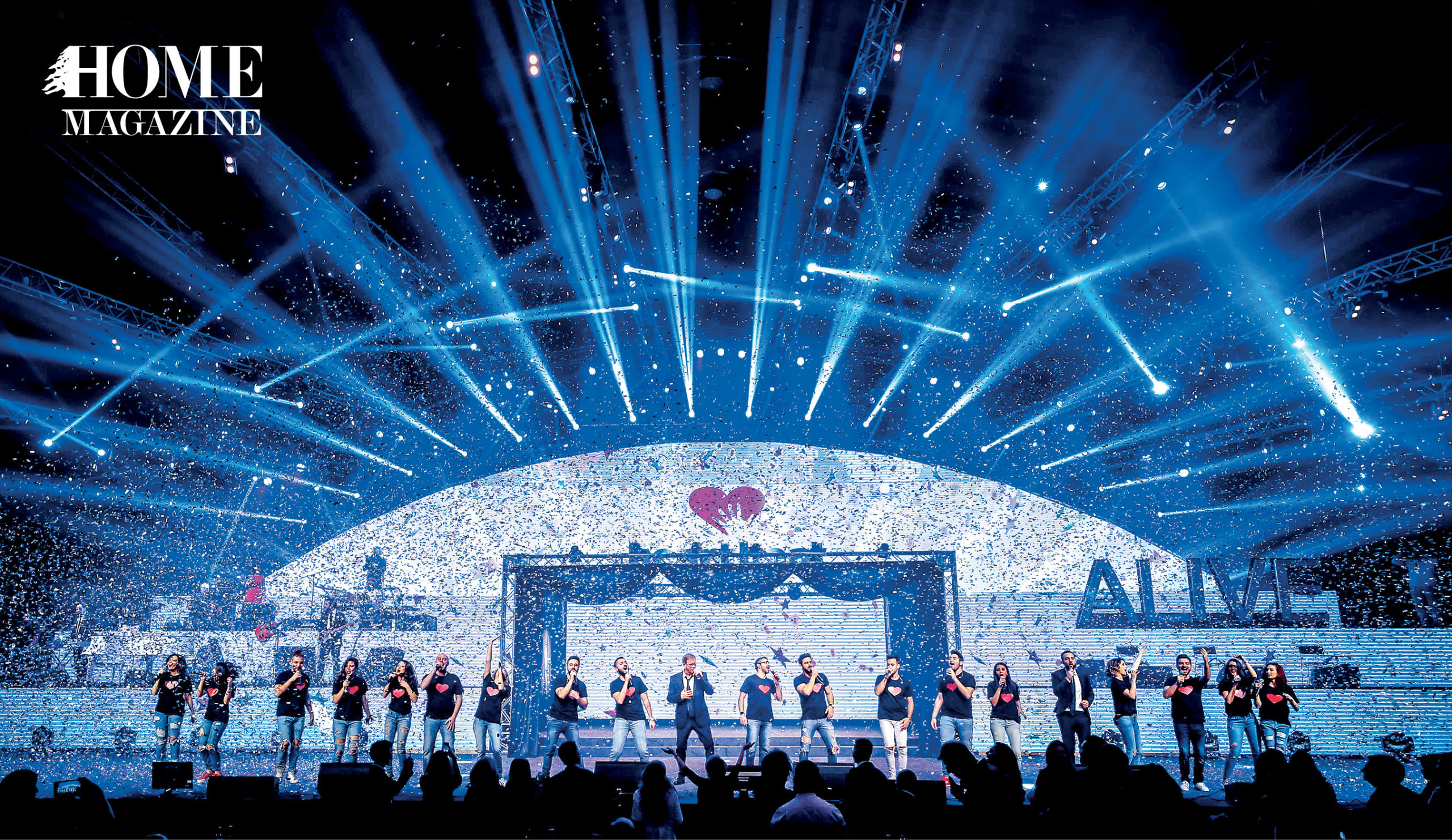
Music saves lives — says the slogan of Heartbeat, a humanitarian association founded by doctors that treats children with congenital heart failure. Since it was founded in 2005, Heartbeat has helped raise funds to treat more than 3,000 children in Lebanon. Its concerts and dinners are brilliant artistic productions attended by thousands. The music really does bring people together to save lives.
Heartbeat’s story began in the early 1990s, when doctors Ramzi Ashoush and Victor Jebara returned HOME to Lebanon to practice cardiac surgery after specializing abroad.
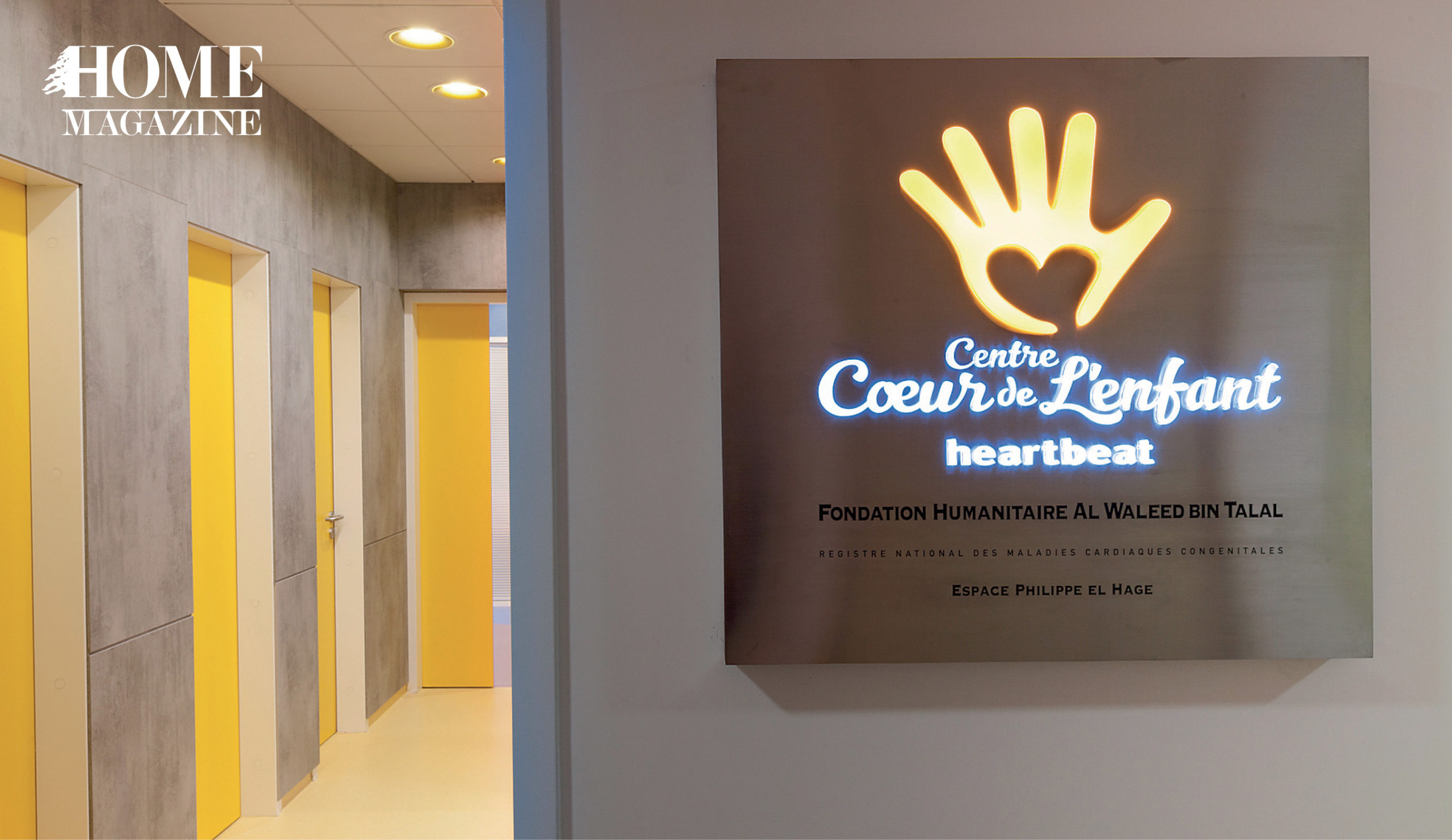
They were soon confronted with a problem they had not faced before: a lack of money to treat patients. Dr. Ashoush tells of a boy he met who needed surgery. His father was crying; his child was going to die because he could not pay the fees.
It was not right. It is not right. Money could not, should not, be the reason a child lives or dies. Dr. Ashoush tells the father, “Your responsibility is to look after your son. Give him your love and care. Our responsibility is to heal him and worry about finances.”
Reparative cardiac surgery for children, though partly covered by the Ministry of Health or Social Security, costs the family around $5,000 in Lebanon. That cost, which does not include pre- and post-operative care nor the medicines, can reach $25,000 to $30,000 per child in the event of complications. In Lebanon, very few families can afford this cost.
When he was a medical student, Dr. Ashoush used to play music along with some of his colleagues. Together, they pulled out their instruments again and decided to put on a concert.
“Let’s sing again for these children.”
They would offer their skills as doctors and raise the rest of the money as musicians. Others joined. Heartbeat was born.
“Money could not, should not, be the reason a child lives or dies.”
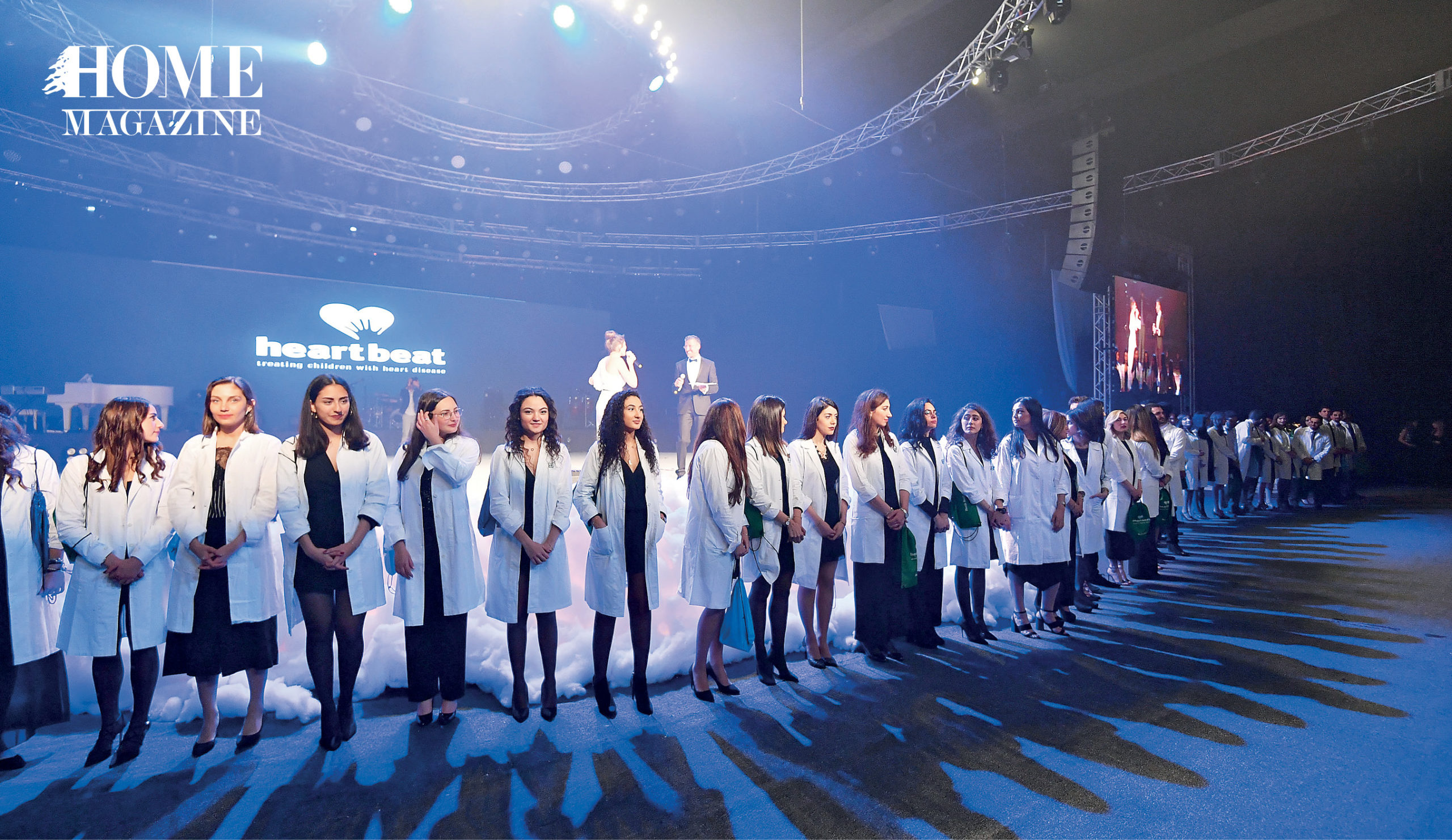
Fifty volunteer singers, musicians, and dancers comprised of doctors and medical students take the stage every year, with new people joining regularly. On top of his role as president and director of the show, Dr. Ashoush sings and plays the guitar.
While the singers rotate from one concert to the next, a group of doctors who moonlight as musicians perform during the show.
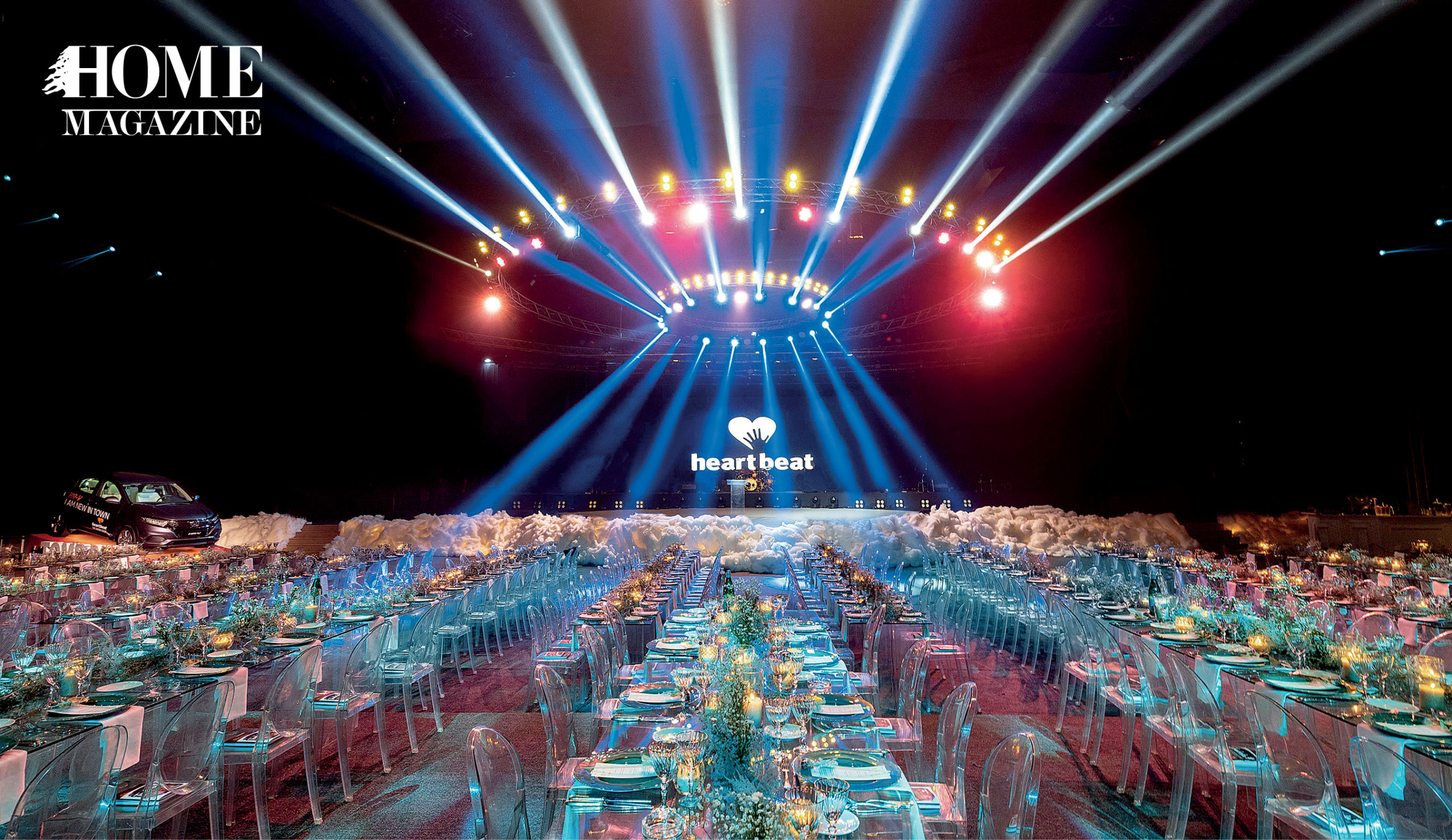
One of their first and biggest concerts was held in 2006 in BIEL, Beirut International Exhibition and Leisure Center. It was instantly popular and a masterpiece of a show. Awareness and funding followed.
Since then, the events have grown to a complete show with a gala dinner, an annual event people have come to wait for over the past fifteen years.
Heartbeat unveils a new theme during each of their grandiose yearly productions. In their 2016 show entitled “Around the World in a Heartbeat,” an animated video telling the story of a child at the hospital was projected onto a large screen while performers sang ballads in different languages as the protagonist traveled from country to country in his sleep. “A Heartbeat Story” in 2018 — one of their best concerts to date — told the heartfelt journey of a couple falling in love and the anticipated bright future when their daughter is born. The story takes a dark turn when their baby is diagnosed with a deadly heart disease. But hope is restored with the presence and help of Heartbeat. The child undergoes surgery and goes on to live a healthy and joyful life.
These concerts are organized and produced entirely by Heartbeat. Run by a small team, the NGO is operated by a project manager, Rim Baltaji, and a medical coordinator, Rim Hitti. The board is made up of Dr. Ashoush (president), Dr. Jebara (vice president), Carla Zahlan (secretary), Dr. Gabriel Menassa (treasurer), Toni Fadel, Ramzi El Hafez, and Maya Maatalani Fayad, among many other members. Its three branches work closely together: medical, artistic, organizational. These people are volunteers; they meet twice a week to plan and practice six months before every show. They donate their time and talent and, with the help of other volunteers and sponsors, create a fantastic experience.
“Heartbeat has helped raise funds to treat more than 3,000 children in Lebanon.”
“It is about sharing our passion for this cause, and getting people involved and committed. We want everyone to sing and dance,” says Dr. Ashoush.
Heartbeat has never said no to any child who has asked for help with treatment. It now fundraises through fashion shows that spotlight Lebanese designers, distributing Heartbeat boxes in schools and other institutions and continuously relying on private donations. It also orchestrates campaigns to raise public awareness.
Looking to the future and at Lebanon, its founders hope that one day, healthcare services will be fully available to all. Until then, they will keep playing.
For more info:
[instalink id=”21″]
https://www.instagram.com/heartbeatlb/
https://www.facebook.com/heartbeatLB/
Youtube: @heartbeatLB
www.heartbeat.ngo
HOMEland
Coming Soon
HOMEland Events & Collaborations
Coming Soon
 Signature Boutique




Speaking Truth to Power: Pierre Sadek Foundation