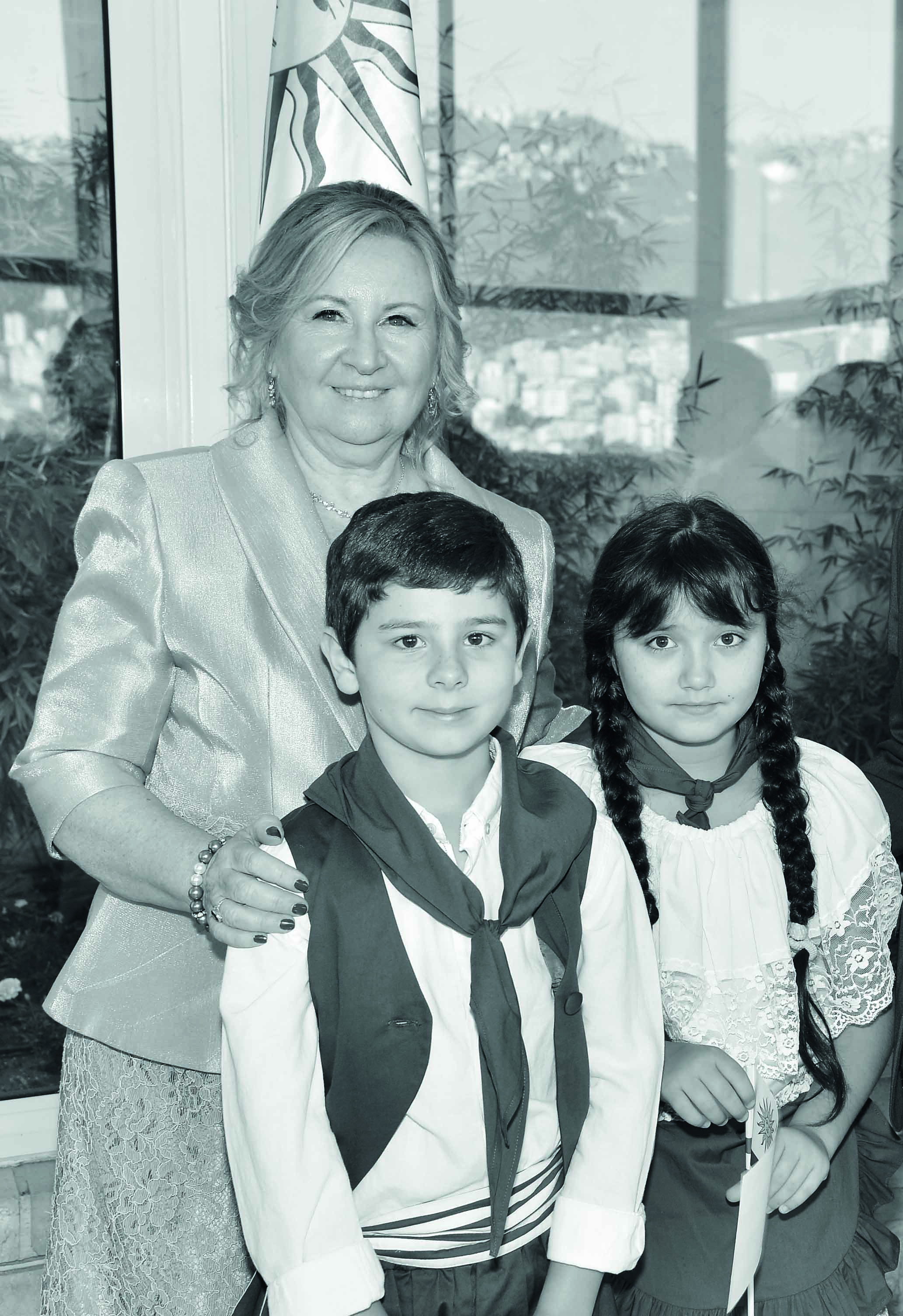
Marta Ines Pizzaneli shares her experience as Ambassador of Uruguay to Lebanon, which she has done for three years now. She talks about her future projects in strengthening the relationship between the two countries as she addresses the Lebanese people with her warm words.
Ambassador Pizzaneli starts off by describing her impressions of Lebanon and the Lebanese people. Although Lebanon is geographically small, it is a powerful country, because of the diversity, energy and capacity of its people, their attachment and love to their country and their determination to live in freedom, democracy and peace. Lebanese people at all levels have a fantastic openness towards representatives of foreign countries. Their attitude helps building bridges between countries and cultures. The Lebanese are avid learners. They are keen on traveling, doing business with other countries, and enjoy foreign music and art. This makes them very receptive members of the global village. Lebanese speak three languages fluently, switching easily from one language to another. They are open minded and willing to interact with others from all paths of life.
Uruguay established diplomatic relations with the Republic of Lebanon 70 years ago, two years after its creation in 1943. It is worth noting that the Lebanese in my country are the third immigrant group, after the Spanish and Italians, who worked together to construct the Uruguayan society.
How did your diplomatic career take you to Lebanon?
Before coming to Lebanon I was the Director of the Direction of Middle East Affairs at the Ministry of Foreign Affairs in Montevideo. I came on an official mission to Lebanon and other countries within the region. This position prepared me to better understand the diversity of views in this part of the world, which I’ve followed closely since the beginning of my diplomatic career at the Diplomatic Academy IASE – “Instituto Artigas del Servicio Exterior” (Artigas Foreign Service Institute) at the ministry. The Middle East is a unique and challenging experience.
What objectives does the Embassy of Uruguay have in Lebanon?
As Ambassador of Uruguay to Lebanon I feel privileged to contribute in developing and strengthening the excellent relations between my country and Lebanon. My embassy is part of the network set up by the Ministry of Foreign Affairs in Montevideo, whose objective is to enable and foster contacts between the private sectors of both countries and to facilitate the exchange of information. In Lebanon we find platforms for bilateral collaboration at the government level, including the important role of the municipalities, and within the private sector.
What are your future plans for strengthening the relationship between Lebanon and Uruguay? What cultural events have you initiated in Lebanon, and which events would you like to see happening in the future?
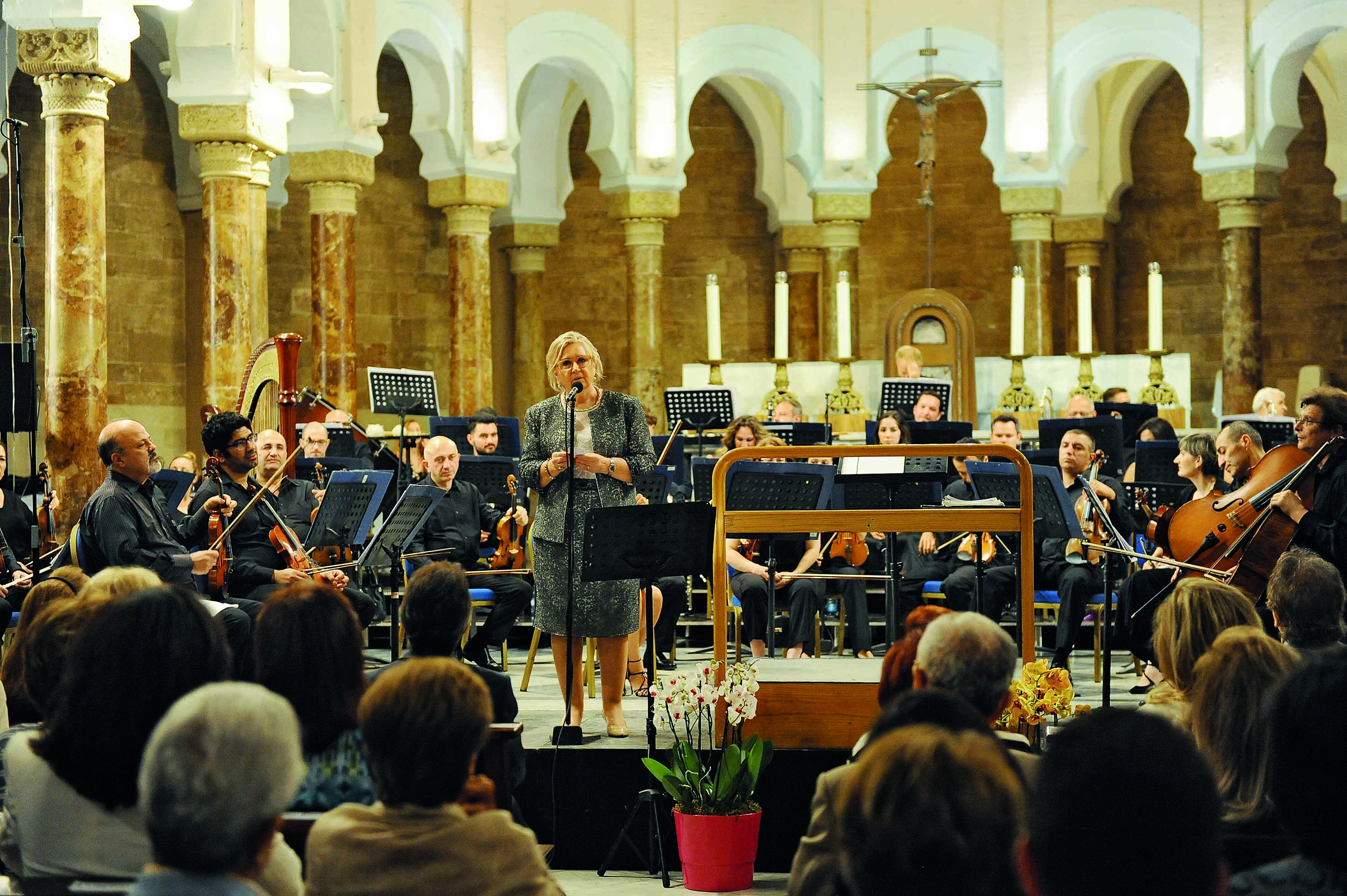
I am happy that the Embassy of Uruguay is active and present on many levels, helping to strengthen relations with Lebanon. We will keep actively promoting cooperation at all possible levels, according to the needs of both countries through the participation of the Embassy of Uruguay and the organization of events, either on a cultural, economic or commercial level. Cultural diplomacy is in fact a great tool to build bridges between people of different countries, bringing them closer to a better understand each other, and working towards the achievement of global peace. It’s considered a part of education and helps in understanding other people’s problems and views.
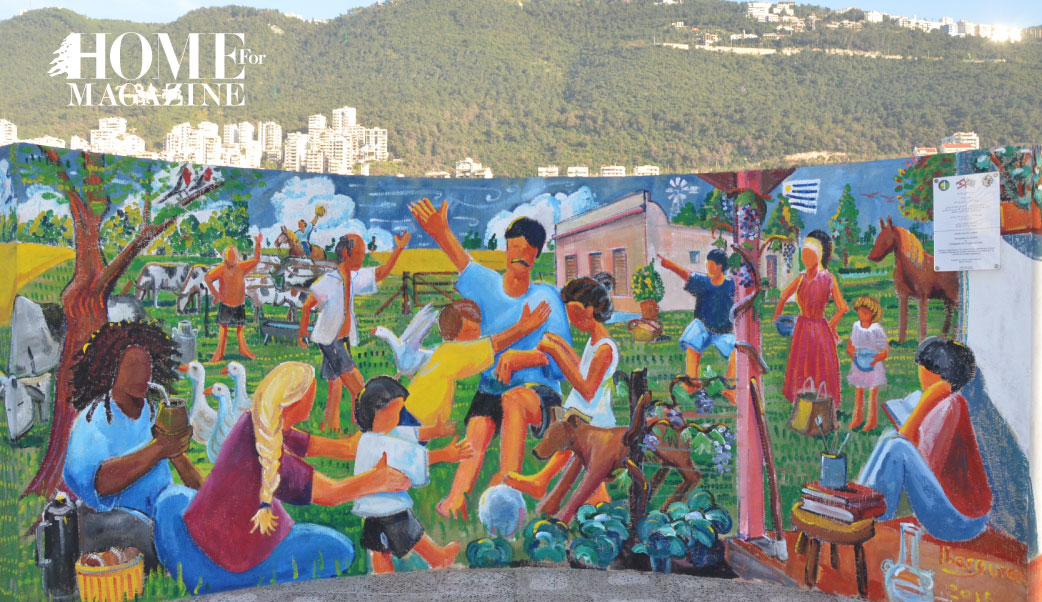
Next September, a Uruguayan musician will come to play sacred music on the pipe organ for the first time in Lebanon, and also to give a master class at the university. I also would like to see more Uruguayan products in the Lebanese market. Our Uruguayan products are of very good quality, and are internationally recognized. The Embassy has organized, in coordination with my Ministry of Foreign Affairs, many cultural events in different regions of Lebanon. Talented Uruguayan artists of diverse disciplines, such as tango singers and dancers, tenors, pianists, painters, caricaturists among others, were pleased to come to Lebanon and participate in events showing our culture. They all wish to come back to Lebanon after their successful experience. It is worth mentioning that this year Uruguay participated for the first time in Lebanon at “La Fête de la Musique” on June 21. Among these outstanding cultural activities are the “living wall paintings” painted in different villages and cities in Lebanon, by an Uruguayan artist. The paintings illustrate the daily life in Uruguay, reflecting the integration of the Lebanese emigrant in the traditional and cultural life of Uruguayan society.
You were a keynote speaker during LDE 2016, what is your opinion of such a conference?
The Lebanese Diaspora Energy Conference (LDE) 2016 that took place in Beirut last May, was the third consecutive event of its kind, An important number of representatives from the Lebanese diaspora have participated from all over the world, and of course among them Uruguayan citizens of Lebanese descent. This conference helps to strengthen ties between the Lebanese and the extended diaspora, and to update crucial information. It is very fruitful to all parties involved. My intervention this year focused on updating information concerning the – Mercosur Lebanon Agreement -that has started to be negotiated after the signature in December 2014 of a Memorandum of Understanding between Lebanon and Mercosur countries (Argentina, Brazil, Paraguay, Uruguay and Venezuela) towards the establishment of a free trade zone. At the LDE 2016, the Ambassador of Brazil announced that the first Conference of the Latin American Diaspora will take place in Sao Paulo on November 2016.

What are the Lebanese diaspora platforms that exist in Uruguay?
There is an important network between the Lebanese community in Uruguay, where prominent entities are established. They mainly involve the Lebanese Club, the Lebanese Society, the Lebanese Feminine Association, the “Sons of Darbeshtar”, Association of Lebanese Youth, World Lebanese Cultural Union, the Mariamite Maronite Order and many other Lebanese Associations scattered all over the country. Other than those entities, the Lebanese community shares and reports their activities through their own media, with two radio programs broadcasted every Sunday morning throughout the year: La Voz Libanesa (The Lebanese Voice) and Líbano de Fiesta (Lebanon in Celebration). They also publish periodical bulletins: “Hoja de Cedro” (Cedar Leave) monthly distributed via e-mail, and “Los hijos de Darbeshtar’ (Sons of Darbeshtar) published every two months. The magazine of the Lebanese Club is published quarterly.
Recently, the First National Congress of Lebanese and Lebanese descendants took place on June 11, 2016 in Uruguay, organized by the Embassy of Lebanon. It was an important event where all Lebanese groups participated in order to organize the Lebanese community, form new coordination councils, create cultural and commercial institutions, strengthen communication between entities, and promote Lebanese culture.
What are the things you would like to do before your duty in Lebanon comes to an end?
My term of duty in Lebanon will come to an end in a year and a half, and I am hoping to achieve during my mission more scheduled projects that will deepen the cooperation between both countries.

HOMEland THEMES
Coming Soon
HOMEland Events & Collaborations
Coming Soon
 Signature Boutique