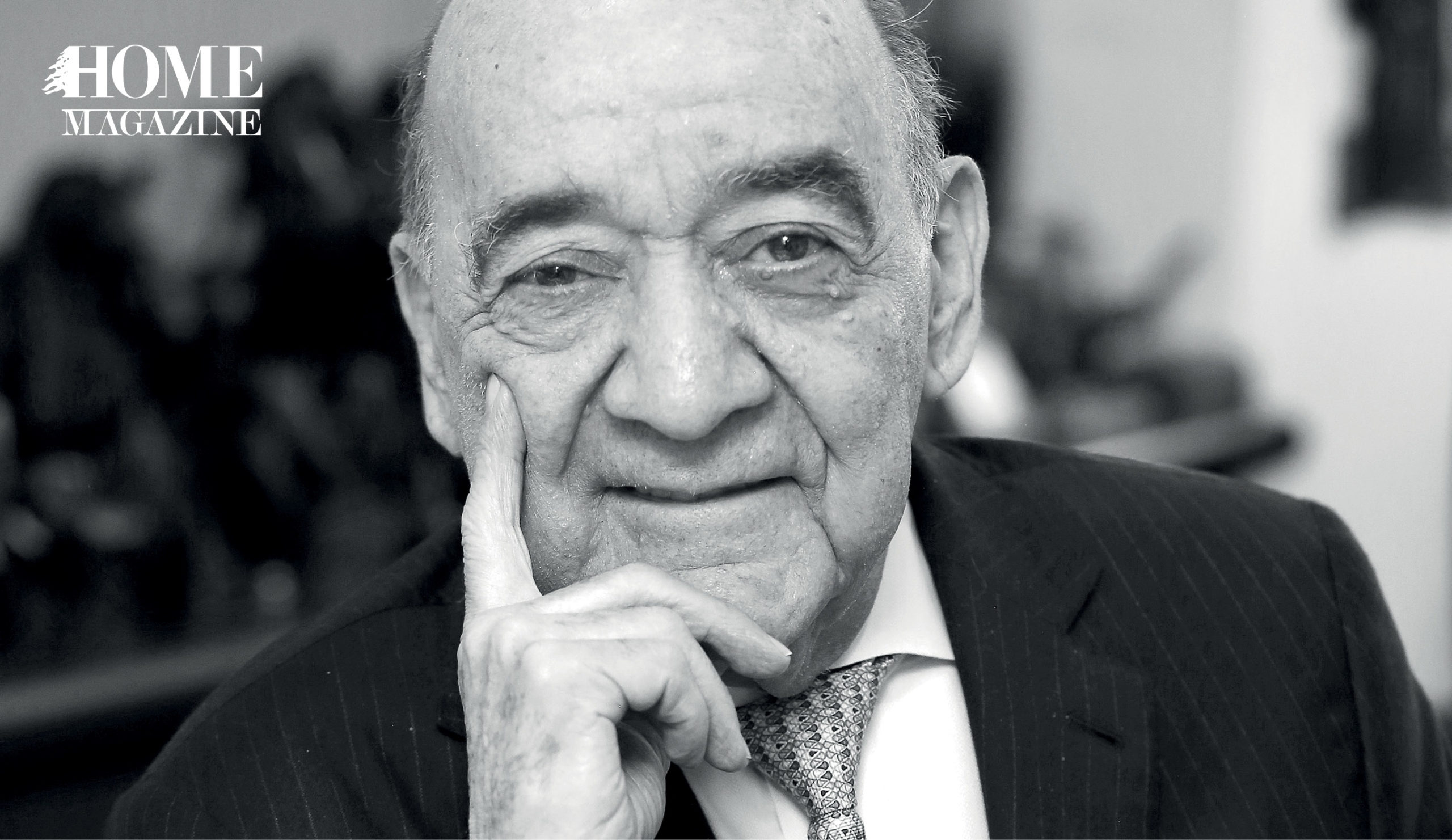
A view of the Lebanese Emigration Research Center, which preserves the heritage of those who have migrated from, to, and through Lebanon.
Countries like the United States, Australia and most of Latin America have become global nations largely due to the in gathering of emigrants from around the world, whether the tired, the poor, the hungry and the yearning to be free, or those who simply see those countries as lands of expanding opportunities.
Lebanon is a global nation in the reverse. Its small size and the limited carrying capacity caused by its land, wars, famine and foreign educational missions, its role as a site for rest and rehabilitation center for the Allies during World War II, its Phoenician heritage of adventure and wanderlust, and a host of other factors have led Lebanese to migrate to countries throughout the world. While Greeks, Irish, Chinese and many others have had a significant history of emigration, it is arguable that Lebanon has exported a greater percentage of emigrants relative to its base population, and they have gone to a far more diverse spectrum of countries, have had a greater impact on their host countries, and have had a more significant influence on their home country than any other country in the world.
“Lebanon is a global nation in the reverse”
The Lebanese Emigration Research Center of Notre Dame University-Louaize has sought to safeguard the collective memory of that heritage. LERC was established in 2003 as an academic center – and while its name refers to its primary focus on emigration from Lebanon, as Guita Hourani, the director of LERC, explains, “the center documents migration from, to and through Lebanon.”
LERC’s facilities include a resource library of books, memoirs, village histories and ethnographies authored by or on subjects related to the Lebanese across the world in a broad range of languages.
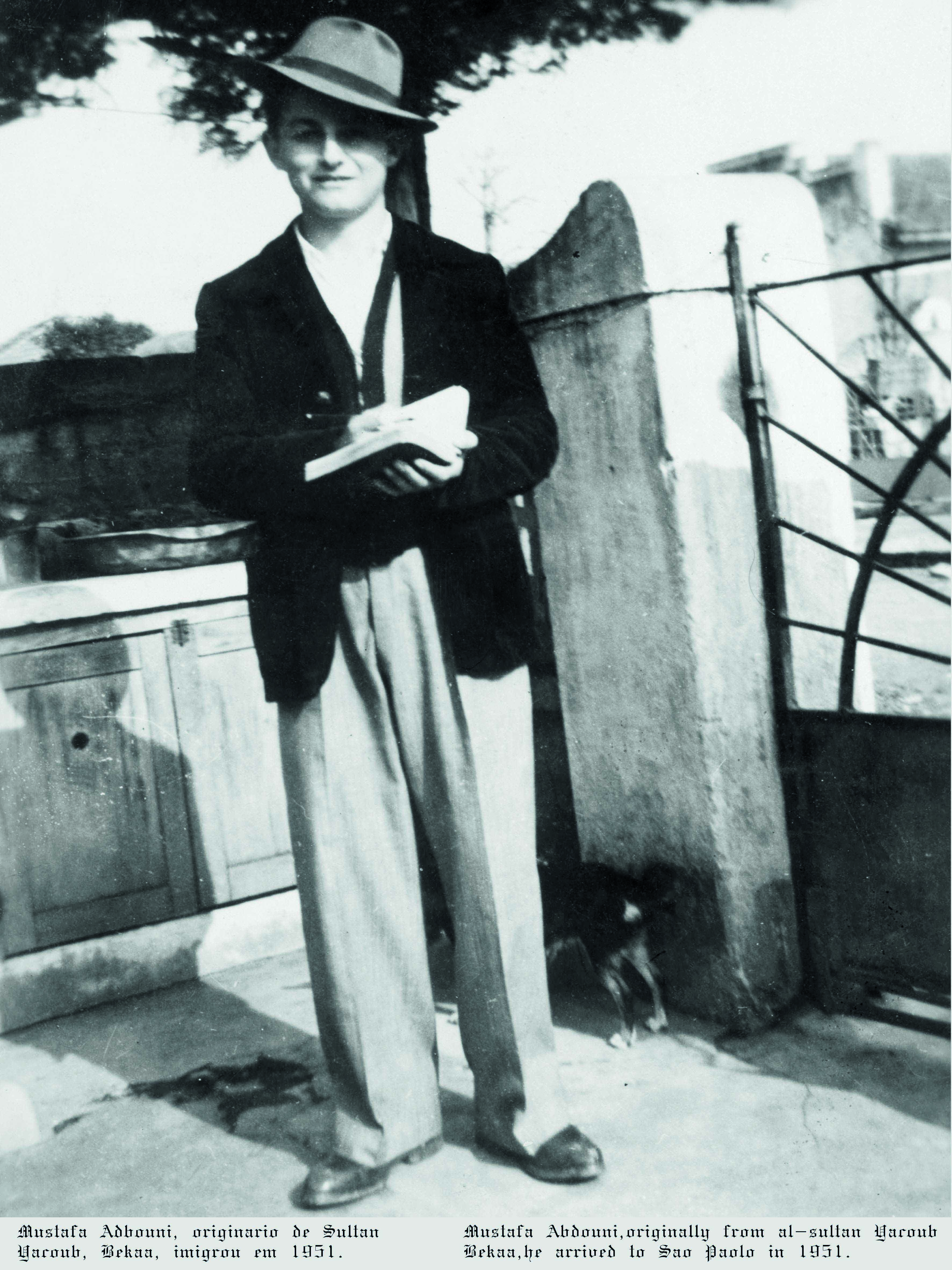
LERC’s archival collection includes pictures, family genealogies, official documents, letters, newspapers, material artifacts and audio-visual recordings, as well as a database of Lebanese organizations, businesses and prominent individuals abroad.
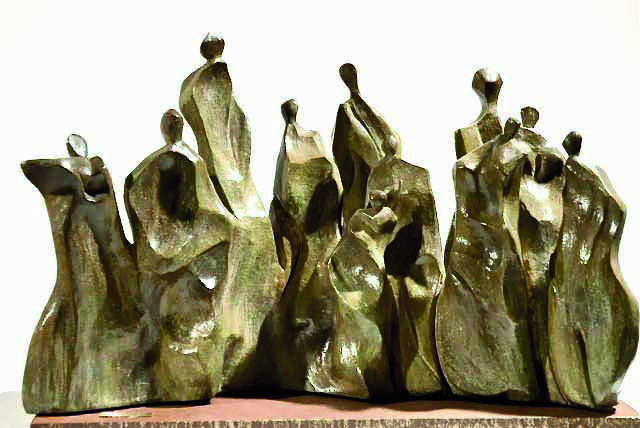
The small museum includes photographs, artifacts and works of art. The art collection includes art pieces about the perception of the self in migration, as well as the way “others” perceive Lebanese immigrants.
The center has helped thousands of local and international students, researchers, Lebanese descendants, artists, governments, organizations and businessmen with their research on Lebanese migration.
LERC has inspired the establishment of a number of other centers of Lebanese migration in the world. One of these is the Moise A. Khayrallah Center for Lebanese Diaspora Studies at North Carolina State University in Raleigh, North Carolina, in the United States, and the Centro Argentino de Investigacion de la Inmigracion Libanesa in Rosario, Argentina.
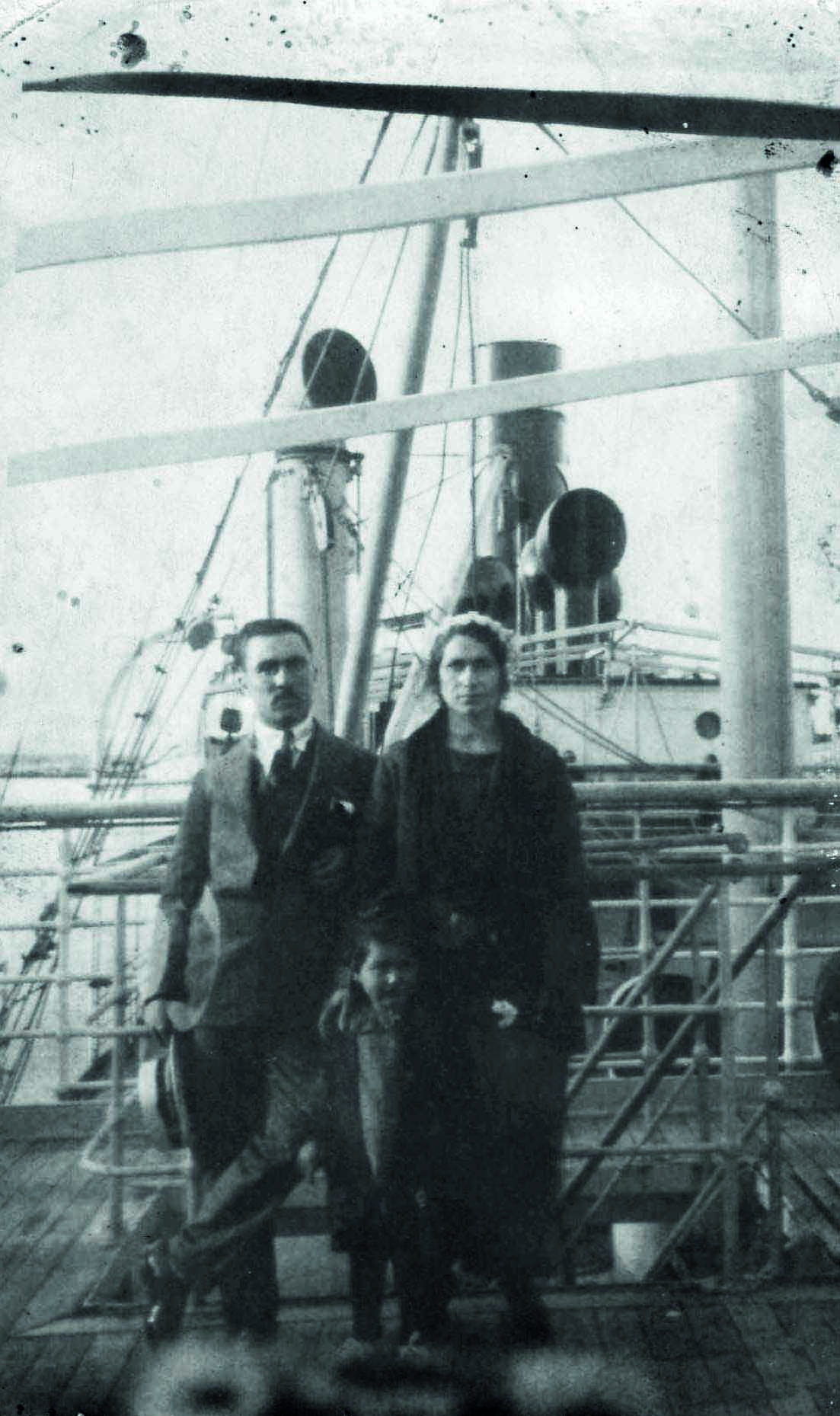
The director of LERC recounts the story of Nestor Hajj, whose father left from Rmeish in southern Lebanon to go to Argentina in the late 1960s and was unable to return. In 2012 Nestor, who was volunteering as a translator for his tour group of Lebanese descendants, was showing them the pictures when he came across one of himself as a baby carried by his mother and father. He was overcome with emotions and tears, and indicated that by having the picture of his parents exhibited in LERC museum, his parents have metaphorically returned to Lebanon.
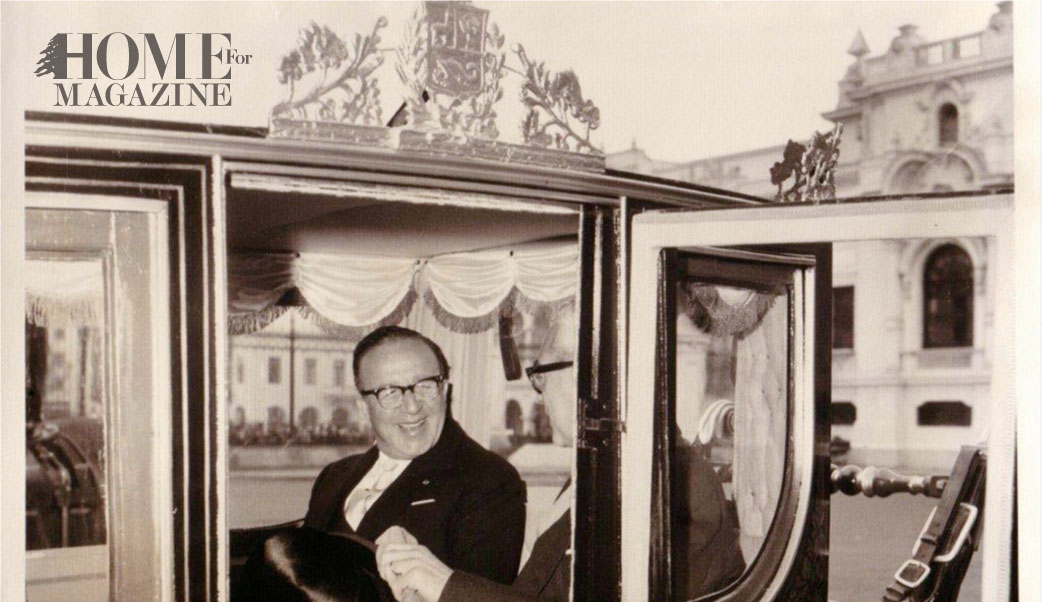
In another story Dr. Hourani speaks of Melhem Talhouk, who was one of the first ambassadors to many countries of Latin America in the 1950s. In 2009 his daughter Mrs. Nadia Talhouk-Assaf and son Mr. Toufic Talhouk, then in their 60s and 70s, gave a gift to the center of 53 pristine photographs. These included pictures of their father and Yusuf al-Sawda, who was then the ambassador to Brazil, as well as pictures of their father presenting his credentials to presidents of different countries of Latin America.
Those who have private letters, pictures, documents, business correspondence, travel and citizenship documentation, and other artifacts related to Lebanon’s migration history are encouraged to contribute these materials to LERC for preservation and safekeeping. Alternatively, donors can contribute high-resolution digitized copies of these items to LERC.

HOMEland Magazine
We firmly believe that the internet should be available and accessible to anyone, and are committed to providing a website that is accessible to the widest possible audience, regardless of circumstance and ability.
To fulfill this, we aim to adhere as strictly as possible to the World Wide Web Consortium’s (W3C) Web Content Accessibility Guidelines 2.1 (WCAG 2.1) at the AA level. These guidelines explain how to make web content accessible to people with a wide array of disabilities. Complying with those guidelines helps us ensure that the website is accessible to all people: blind people, people with motor impairments, visual impairment, cognitive disabilities, and more.
This website utilizes various technologies that are meant to make it as accessible as possible at all times. We utilize an accessibility interface that allows persons with specific disabilities to adjust the website’s UI (user interface) and design it to their personal needs.
Additionally, the website utilizes an AI-based application that runs in the background and optimizes its accessibility level constantly. This application remediates the website’s HTML, adapts Its functionality and behavior for screen-readers used by the blind users, and for keyboard functions used by individuals with motor impairments.
If you’ve found a malfunction or have ideas for improvement, we’ll be happy to hear from you. You can reach out to the website’s operators by using the following email
Our website implements the ARIA attributes (Accessible Rich Internet Applications) technique, alongside various different behavioral changes, to ensure blind users visiting with screen-readers are able to read, comprehend, and enjoy the website’s functions. As soon as a user with a screen-reader enters your site, they immediately receive a prompt to enter the Screen-Reader Profile so they can browse and operate your site effectively. Here’s how our website covers some of the most important screen-reader requirements, alongside console screenshots of code examples:
Screen-reader optimization: we run a background process that learns the website’s components from top to bottom, to ensure ongoing compliance even when updating the website. In this process, we provide screen-readers with meaningful data using the ARIA set of attributes. For example, we provide accurate form labels; descriptions for actionable icons (social media icons, search icons, cart icons, etc.); validation guidance for form inputs; element roles such as buttons, menus, modal dialogues (popups), and others. Additionally, the background process scans all the website’s images and provides an accurate and meaningful image-object-recognition-based description as an ALT (alternate text) tag for images that are not described. It will also extract texts that are embedded within the image, using an OCR (optical character recognition) technology. To turn on screen-reader adjustments at any time, users need only to press the Alt+1 keyboard combination. Screen-reader users also get automatic announcements to turn the Screen-reader mode on as soon as they enter the website.
These adjustments are compatible with all popular screen readers, including JAWS and NVDA.
Keyboard navigation optimization: The background process also adjusts the website’s HTML, and adds various behaviors using JavaScript code to make the website operable by the keyboard. This includes the ability to navigate the website using the Tab and Shift+Tab keys, operate dropdowns with the arrow keys, close them with Esc, trigger buttons and links using the Enter key, navigate between radio and checkbox elements using the arrow keys, and fill them in with the Spacebar or Enter key.Additionally, keyboard users will find quick-navigation and content-skip menus, available at any time by clicking Alt+1, or as the first elements of the site while navigating with the keyboard. The background process also handles triggered popups by moving the keyboard focus towards them as soon as they appear, and not allow the focus drift outside it.
Users can also use shortcuts such as “M” (menus), “H” (headings), “F” (forms), “B” (buttons), and “G” (graphics) to jump to specific elements.
We aim to support the widest array of browsers and assistive technologies as possible, so our users can choose the best fitting tools for them, with as few limitations as possible. Therefore, we have worked very hard to be able to support all major systems that comprise over 95% of the user market share including Google Chrome, Mozilla Firefox, Apple Safari, Opera and Microsoft Edge, JAWS and NVDA (screen readers).
Despite our very best efforts to allow anybody to adjust the website to their needs. There may still be pages or sections that are not fully accessible, are in the process of becoming accessible, or are lacking an adequate technological solution to make them accessible. Still, we are continually improving our accessibility, adding, updating and improving its options and features, and developing and adopting new technologies. All this is meant to reach the optimal level of accessibility, following technological advancements. For any assistance, please reach out to