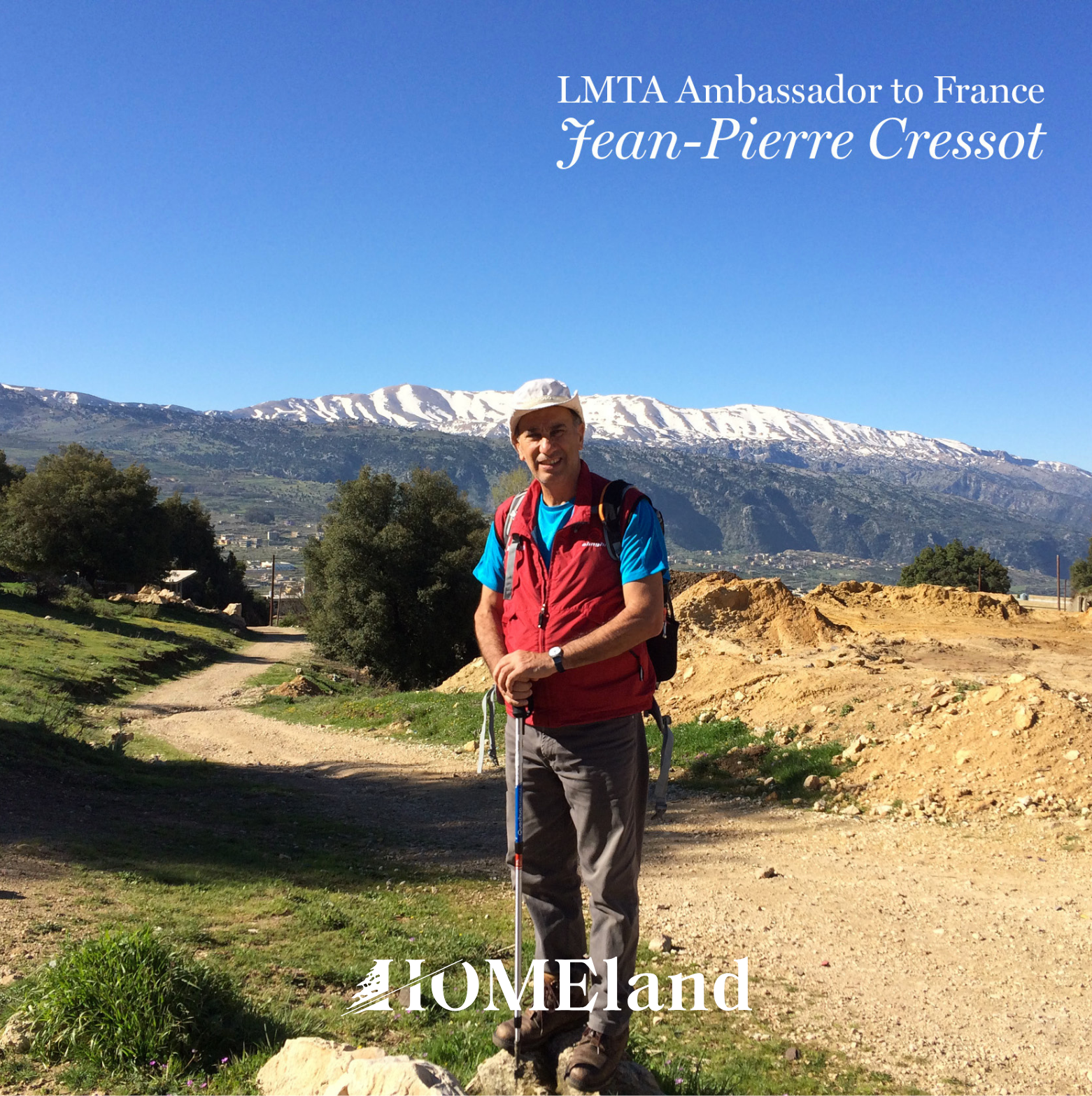
Born in Beirut to a French father and a Lebanese mother, Jean-Pierre Cressot, 65, lives in the suburbs of Paris, where he established his own public relations and communication agency. He relishes every chance to leave city life behind and explore Lebanon’s wilderness.
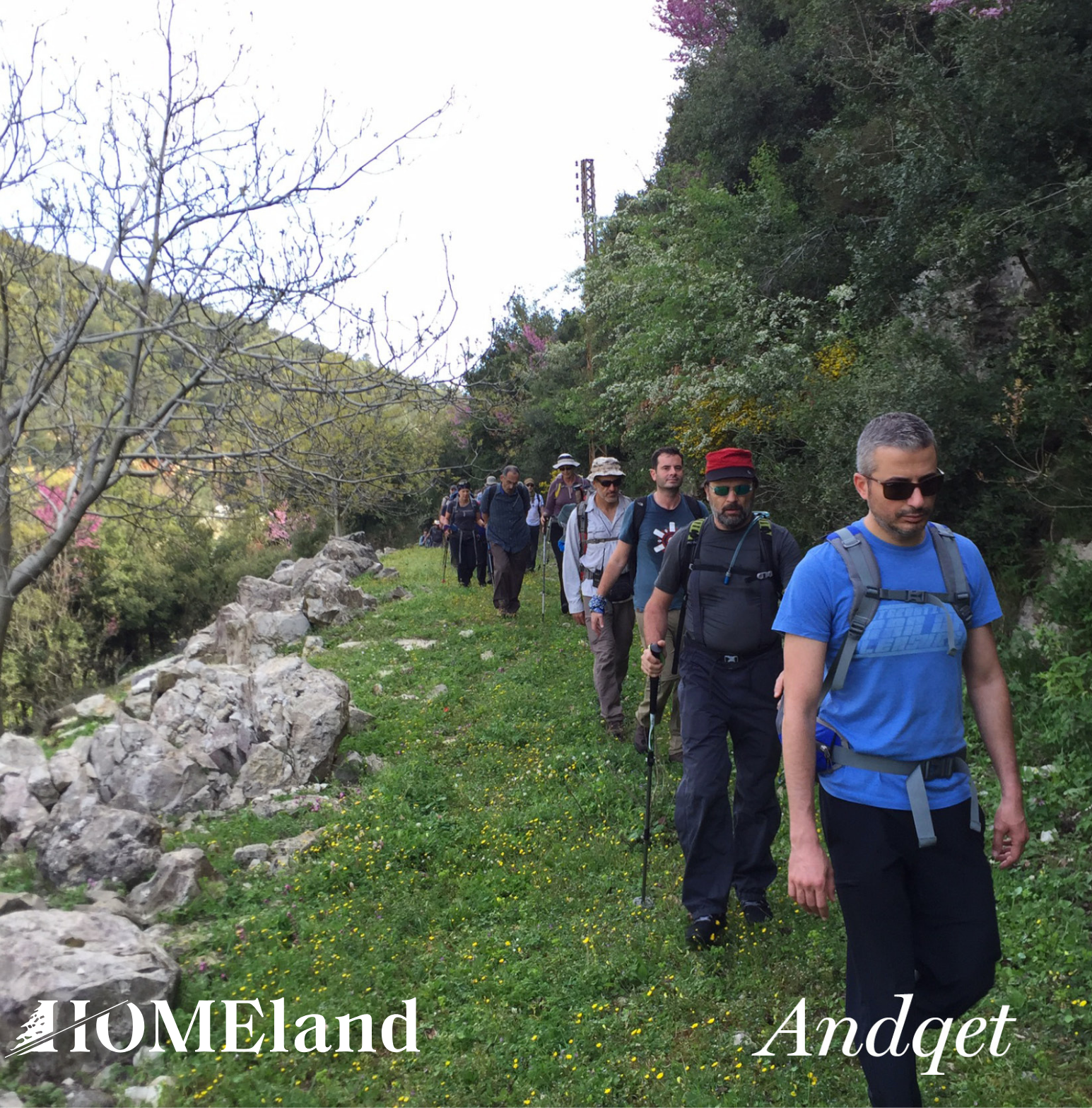
Since 2014, Cressot has hiked on the Lebanon Mountain Trail (LMT), a high path along the spine of the mountain range that stretches north to south across the country, parallel to its Mediterranean coast. Its altitudes range from 570 meters to 2,073 meters (about 1,840-6,800 feet) above sea level. In 2016, he walked the full 470-kilometer trail.
Enhancing economic opportunities in villages along the trail through responsible eco-tourism
Cressot visits Lebanon twice a year to hike with the Lebanon Mountain Trail Association (LMTA), an NGO dedicated to protecting and maintaining the trail and Lebanon’s mountains, and enhancing economic opportunities in villages along the trail through responsible eco-tourism, The LMTA organizes two hikes per year to promote the LMT: a 30-day hike in April that it calls the “Thru-Walk” and in a 16-day Fall Trek in October.
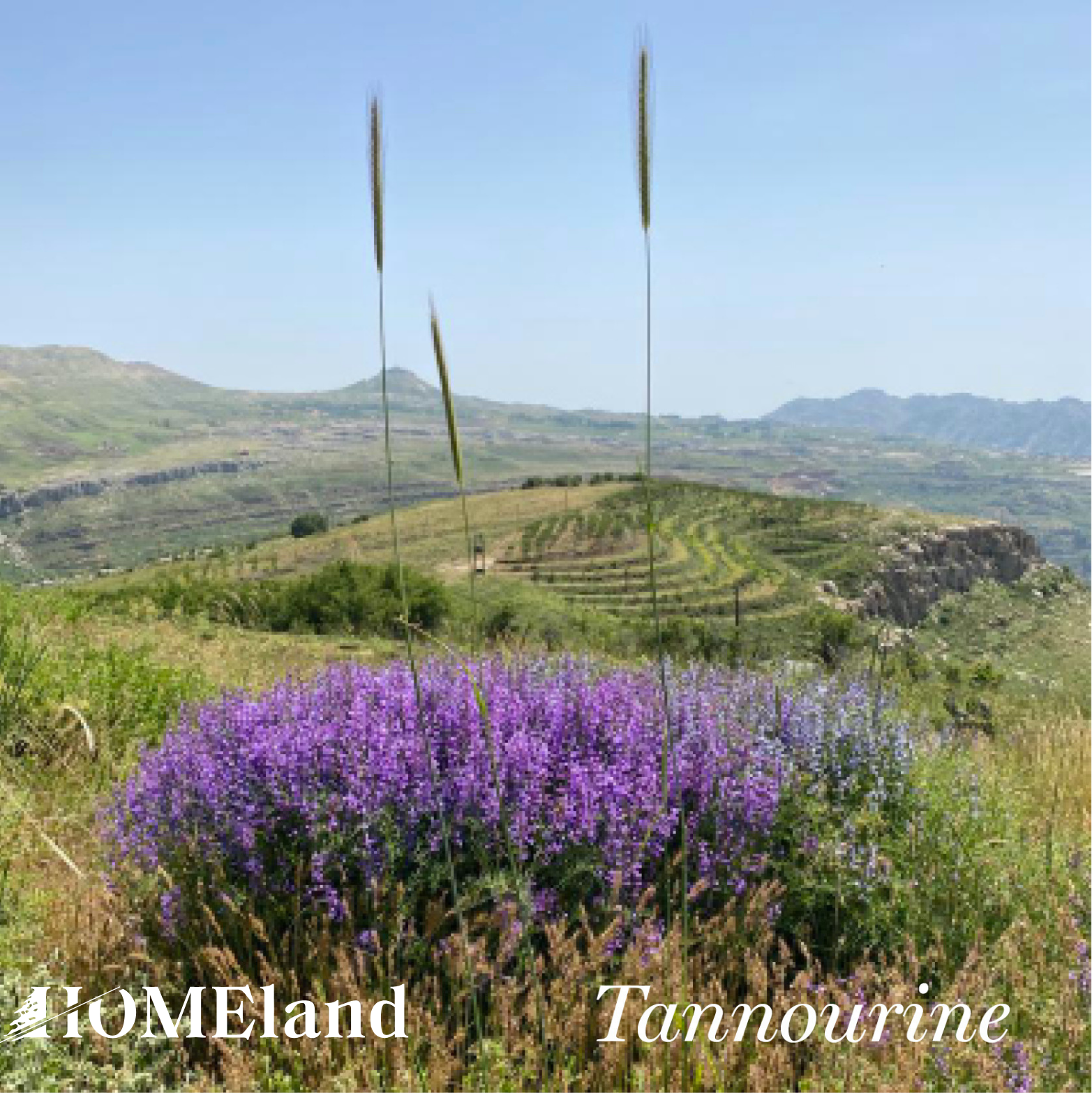
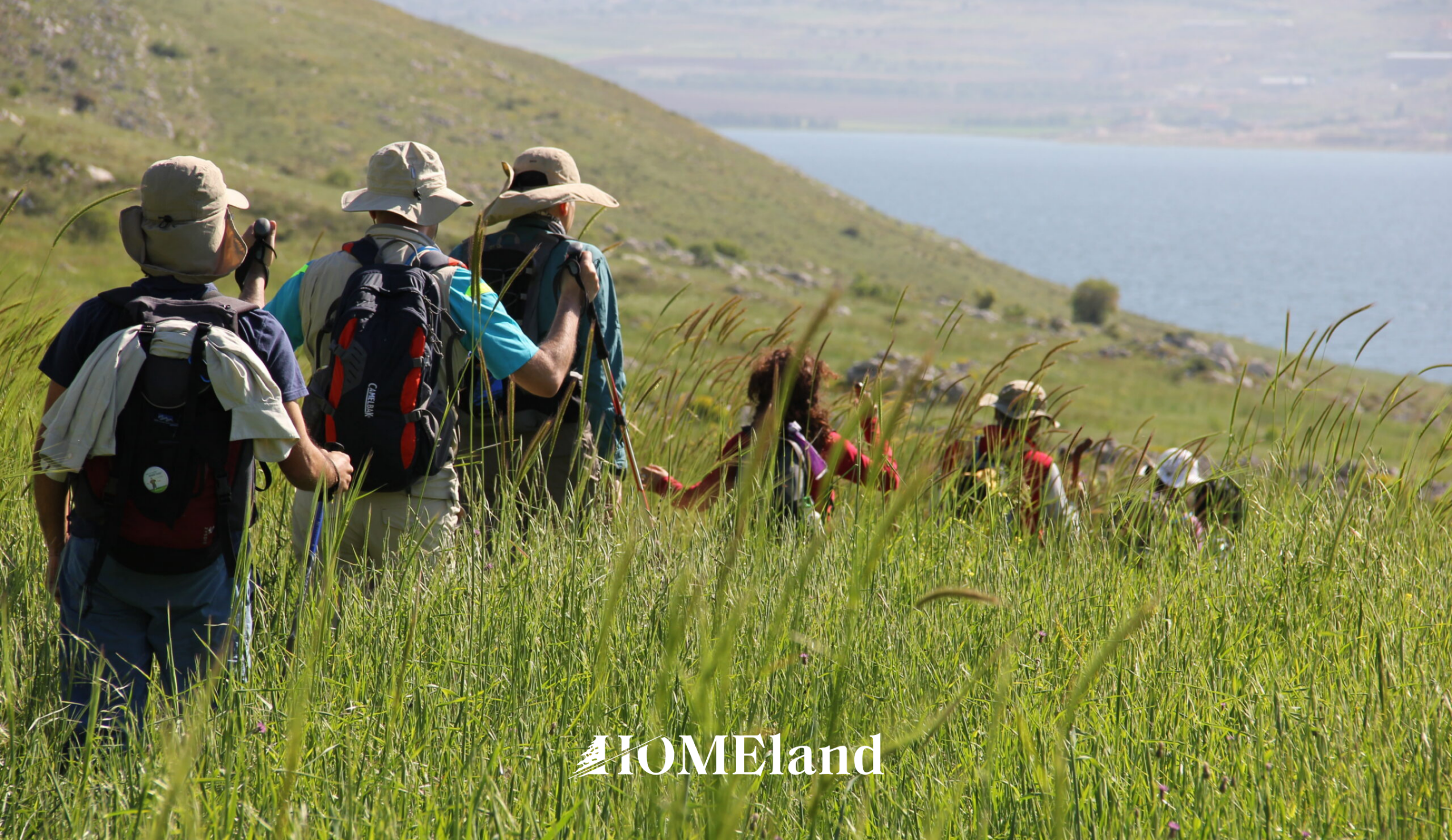
Along the way, hikers pass waterfalls and streams, natural springs and breathtaking valleys, rugged peaks and ancient ruins, cedar forests and grassy slopes speckled with bright flowers.
People from across the world participate. Cressot has hiked with groups including as many as 10 nationalities, united by their desire to discover the wonders of Lebanon. “I never see that mix of people when hiking in France,” he said. “Hiking the mountain trail has no age limit. You have people from all age groups and levels of hiking abilities.” Yet, every group includes Lebanese from the diaspora who want to rediscover their ancestral HOME.
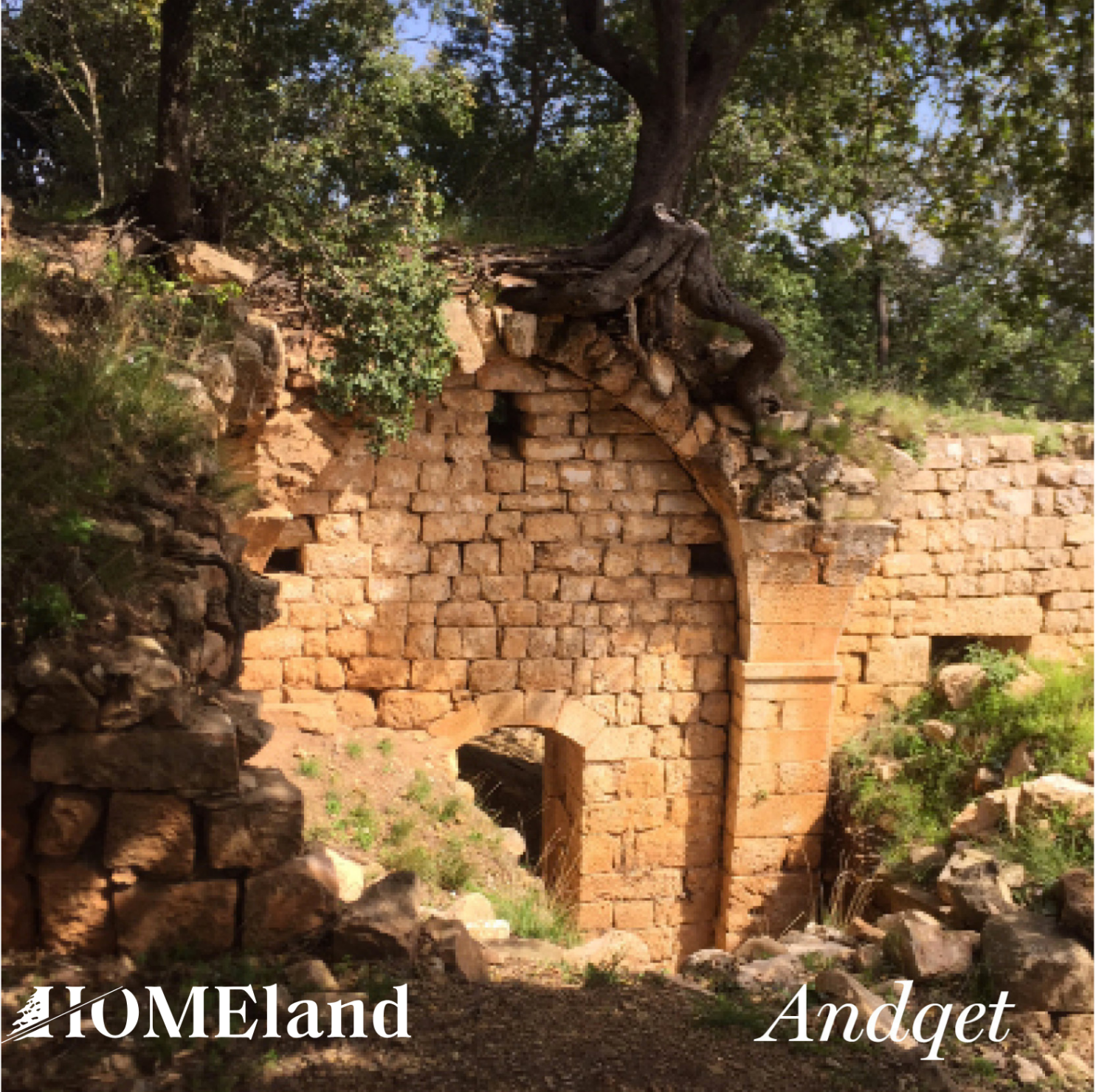
“Hiking the LMT is for those who want to experience Lebanon’s natural wonders,” he said. Its 27 sections traverse the country from Andqet in the far north to Marjjayoun in its southern-most region, crossing more than 75 traditional towns and villages, each with its own distinctive character and cuisine. Along the way, hikers pass waterfalls and streams, natural springs and breathtaking valleys, rugged peaks and ancient ruins, cedar forests and grassy slopes speckled with bright flowers.
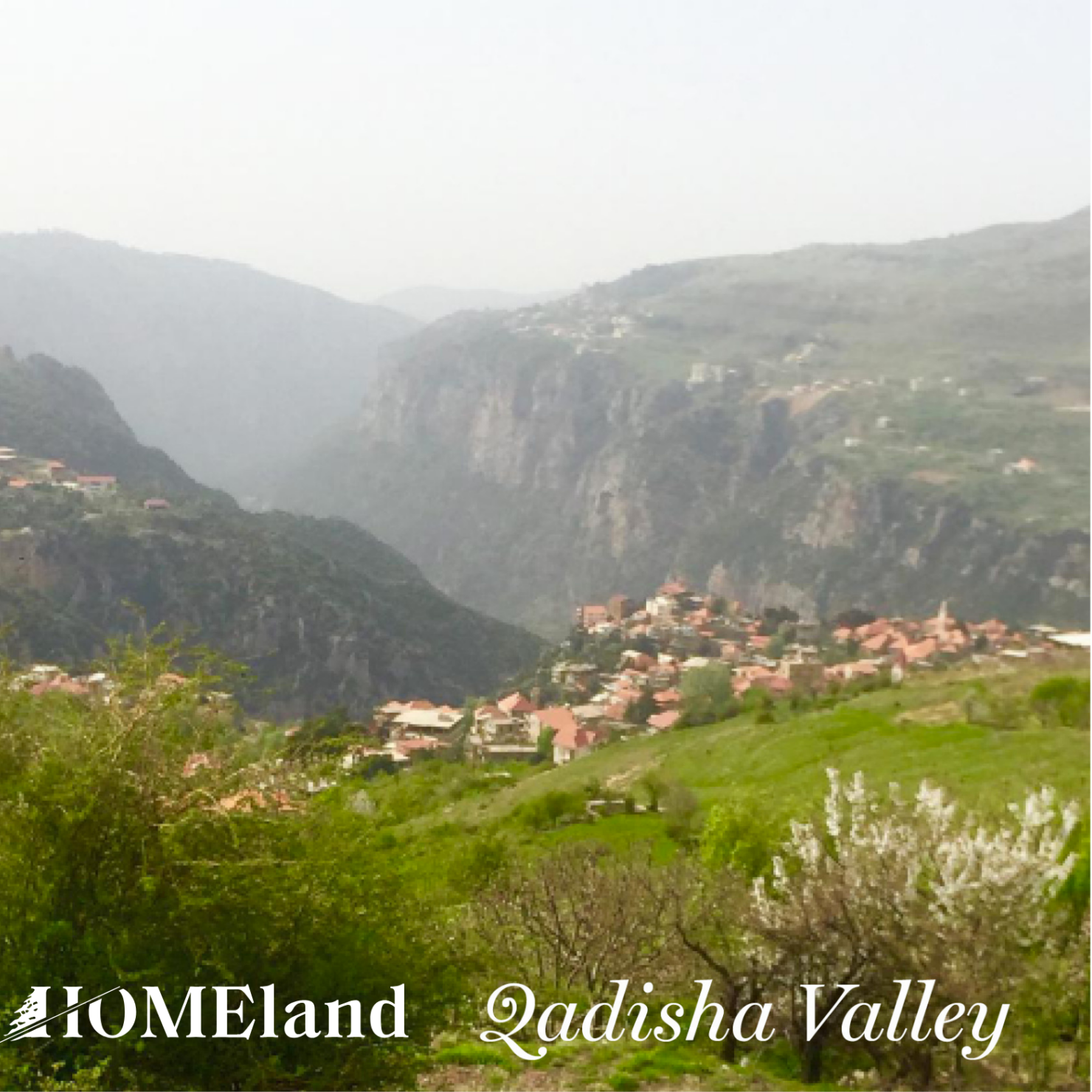
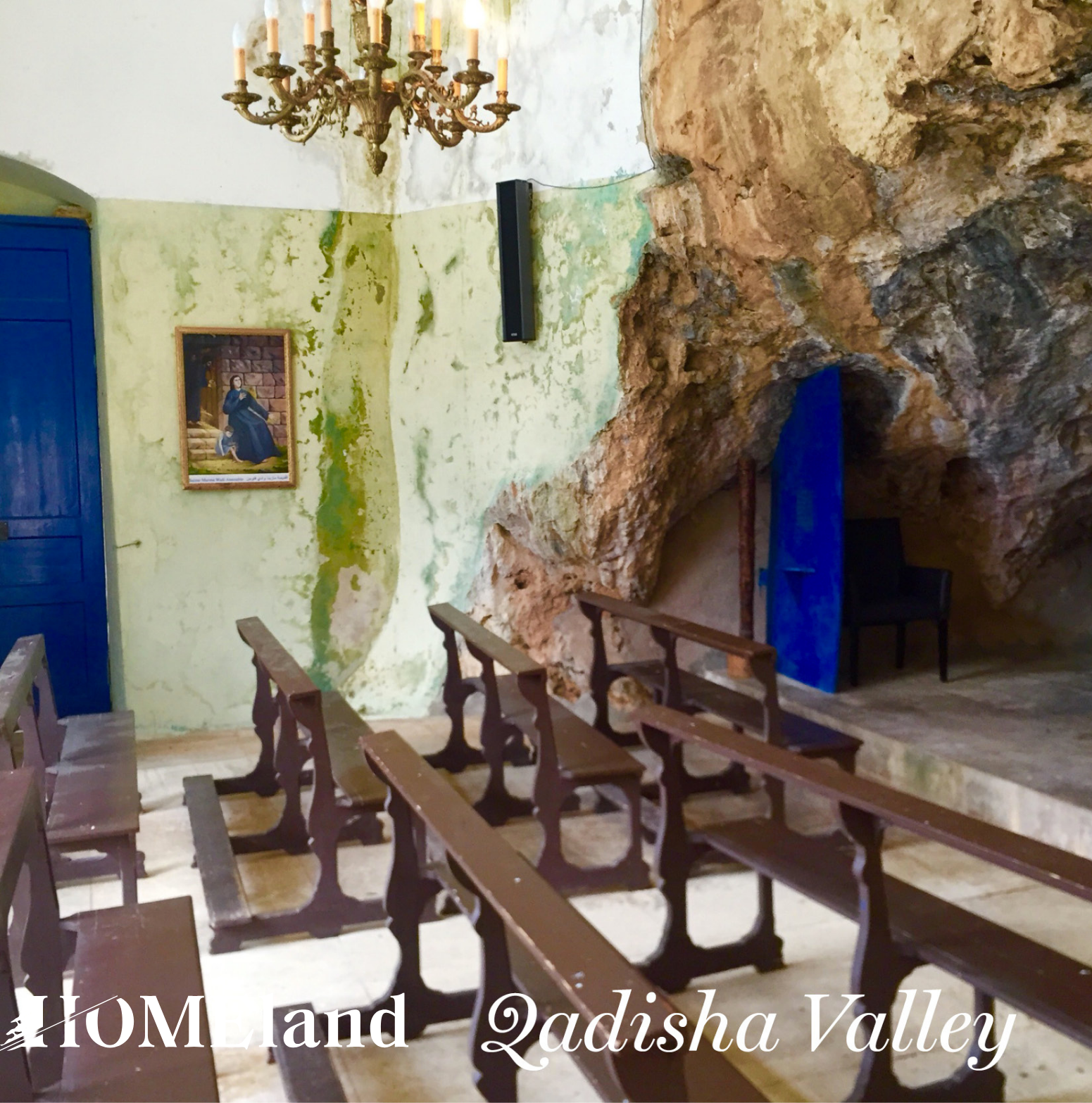
Cressot is awed by the mountain tops’ spectacular views and the trail’s vast variety of landscapes. Among them is the unique Qadisha Valley, often called, The most beautiful place in the world. A UNESCO World Heritage site, it is HOME to monasteries from the earliest days of Christianity. Some have compared it to heaven, a place where you leave the worries of the world behind and experience inner peace.
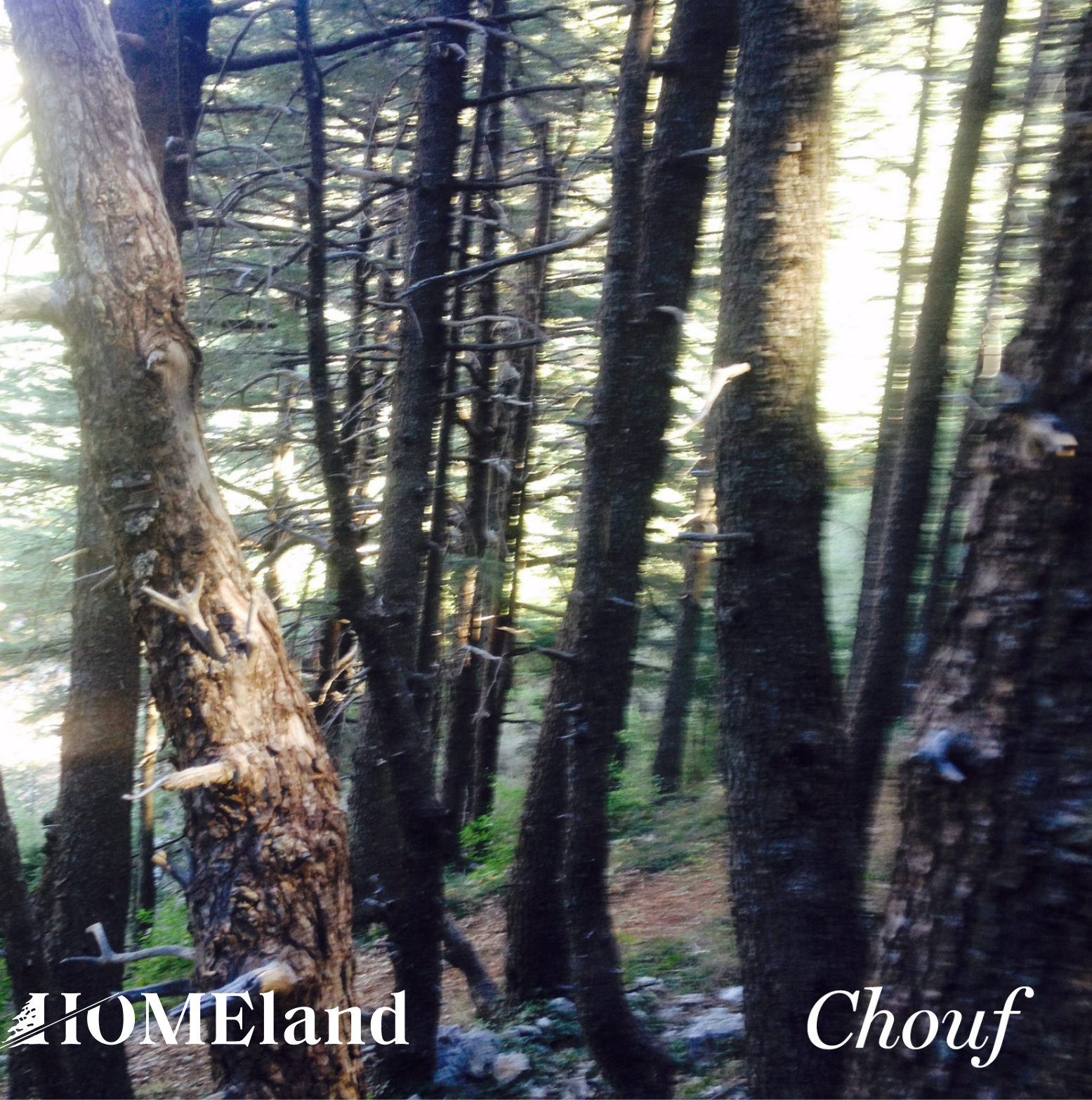
Likewise, the trek through the Al Chouf Biosphere Reserve, where the morning midst rises in Lebanon’s famous cedar forests, is magical. Deemed by UNESCO to include plants and animals of exceptional scientific and natural interests, the reserve protects the bulk of Lebanon’s ancient cedars—some more than 2,000 years old—that have become a symbol of the country.
“And the hospitality! This is so unusual for many foreigners that sometimes tears fill their eyes.”
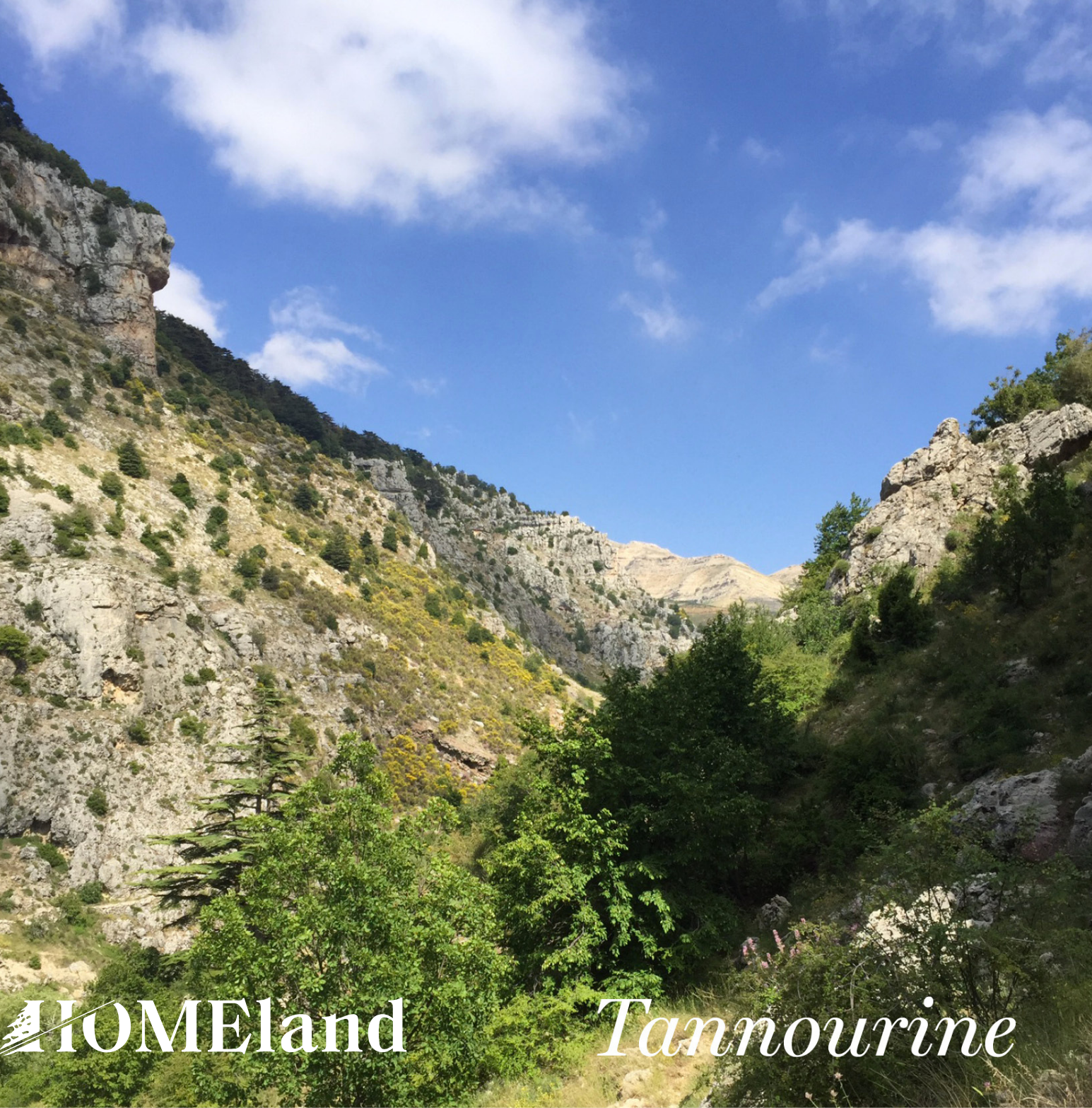
Then there is Horsh Ehden, with its wide variety of plants and animals; Tannourine Cedar Forest Nature Reserve; the Afqa spring and cave; several bird conservation areas; ruins of crusader fortresses, so many views you could never anticipate, said Cressot, who enjoys observing and photographing the scenes. “Every day you go through a different landscape.”
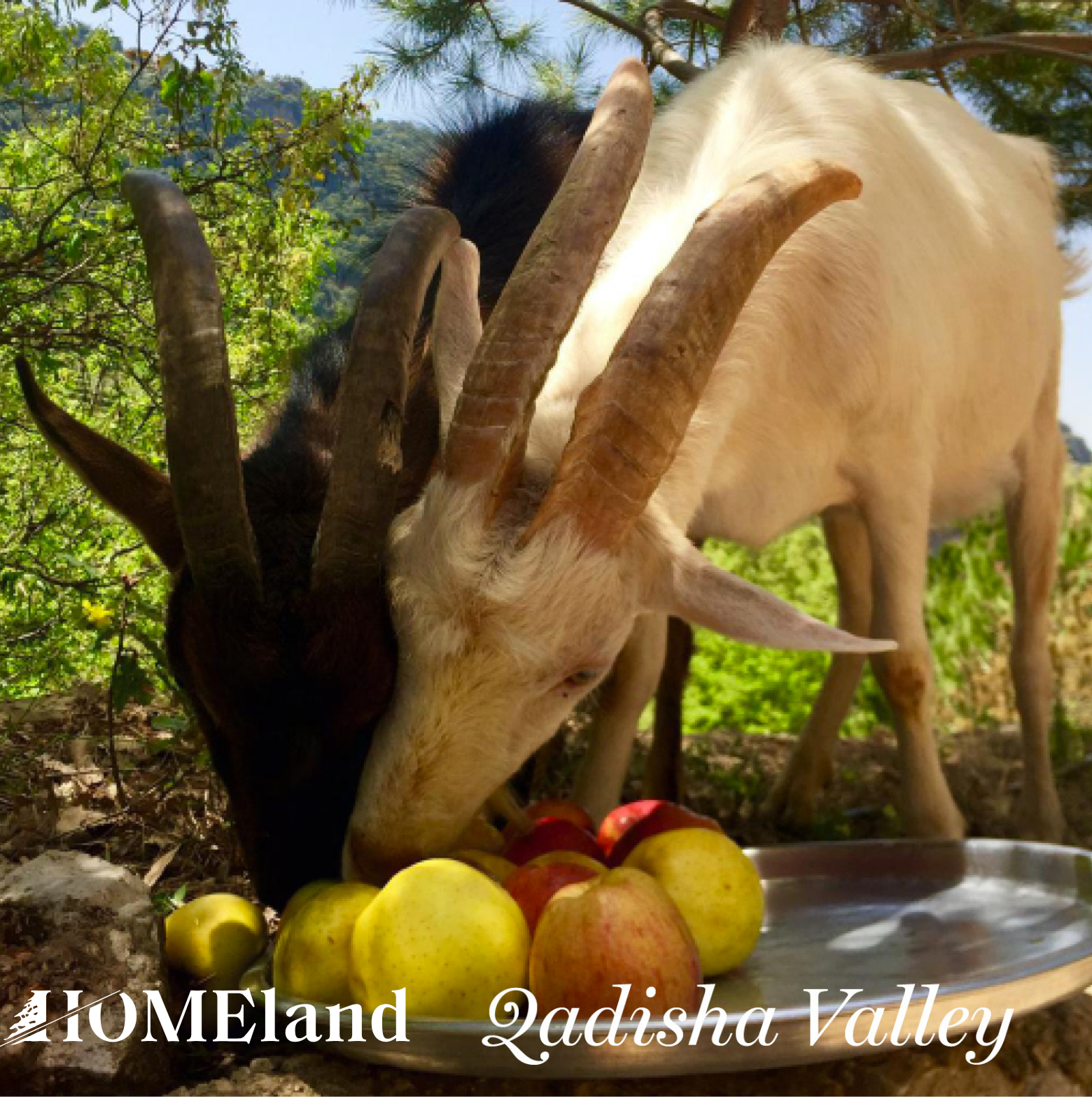
“And the hospitality!” he exclaimed. “Villagers often offer food along the trail or invite hikers to eat directly from their fruit trees—apples, grapes—this is so unusual for many foreigners that sometimes tears fill their eyes,” he said.
Locals provide food and guest houses to the hikers, as well as serve as knowledgeable guides, trained by the LMTA. In return, the hikes create jobs for villagers, giving them sustainable incomes.
“The local guides are outstanding,” said Cressot. “They give information about flora and fauna, archeology and local traditions. They know how to put people at ease.
“It is through the LMT that I have learned more about Lebanon and came to love it more deeply.”
This mode enables people with epilepsy to use the website safely by eliminating the risk of seizures that result from flashing or blinking animations and risky color combinations.
Visually Impaired Mode
Improves website's visuals
This mode adjusts the website for the convenience of users with visual impairments such as Degrading Eyesight, Tunnel Vision, Cataract, Glaucoma, and others.
Cognitive Disability Mode
Helps to focus on specific content
This mode provides different assistive options to help users with cognitive impairments such as Dyslexia, Autism, CVA, and others, to focus on the essential elements of the website more easily.
Blindness Mode
Allows using the site with your screen-reader
This mode configures the website to be compatible with screen-readers such as JAWS, NVDA, VoiceOver, and TalkBack. A screen-reader is software for blind users that is installed on a computer and smartphone, and websites must be compatible with it.
Online Dictionary
Readable Experience
Content Scaling
Default
Text Magnifier
Readable Font
Highlight Titles
Highlight Links
Font Sizing
Default
Line Height
Default
Letter Spacing
Default
Left Aligned
Center Aligned
Right Aligned
Visually Pleasing Experience
Dark Contrast
Light Contrast
Monochrome
High Contrast
High Saturation
Low Saturation
Adjust Text Colors
Adjust Title Colors
Adjust Background Colors
Easy Orientation
Mute Sounds
Hide Images
Hide Emoji
Reading Guide
Stop Animations
Reading Mask
Highlight Hover
Highlight Focus
Big Dark Cursor
Big Light Cursor
Cognitive Reading
Virtual Keyboard
Navigation Keys
Voice Navigation
Accessibility Statement
homelandlebanon.com
November 19, 2026
Compliance status
We firmly believe that the internet should be available and accessible to anyone, and are committed to providing a website that is accessible to the widest possible audience,
regardless of circumstance and ability.
To fulfill this, we aim to adhere as strictly as possible to the World Wide Web Consortium’s (W3C) Web Content Accessibility Guidelines 2.1 (WCAG 2.1) at the AA level.
These guidelines explain how to make web content accessible to people with a wide array of disabilities. Complying with those guidelines helps us ensure that the website is accessible
to all people: blind people, people with motor impairments, visual impairment, cognitive disabilities, and more.
This website utilizes various technologies that are meant to make it as accessible as possible at all times. We utilize an accessibility interface that allows persons with specific
disabilities to adjust the website’s UI (user interface) and design it to their personal needs.
Additionally, the website utilizes an AI-based application that runs in the background and optimizes its accessibility level constantly. This application remediates the website’s HTML,
adapts Its functionality and behavior for screen-readers used by the blind users, and for keyboard functions used by individuals with motor impairments.
If you’ve found a malfunction or have ideas for improvement, we’ll be happy to hear from you. You can reach out to the website’s operators by using the following email
Screen-reader and keyboard navigation
Our website implements the ARIA attributes (Accessible Rich Internet Applications) technique, alongside various different behavioral changes, to ensure blind users visiting with
screen-readers are able to read, comprehend, and enjoy the website’s functions. As soon as a user with a screen-reader enters your site, they immediately receive
a prompt to enter the Screen-Reader Profile so they can browse and operate your site effectively. Here’s how our website covers some of the most important screen-reader requirements,
alongside console screenshots of code examples:
Screen-reader optimization: we run a background process that learns the website’s components from top to bottom, to ensure ongoing compliance even when updating the website.
In this process, we provide screen-readers with meaningful data using the ARIA set of attributes. For example, we provide accurate form labels;
descriptions for actionable icons (social media icons, search icons, cart icons, etc.); validation guidance for form inputs; element roles such as buttons, menus, modal dialogues (popups),
and others. Additionally, the background process scans all the website’s images and provides an accurate and meaningful image-object-recognition-based description as an ALT (alternate text) tag
for images that are not described. It will also extract texts that are embedded within the image, using an OCR (optical character recognition) technology.
To turn on screen-reader adjustments at any time, users need only to press the Alt+1 keyboard combination. Screen-reader users also get automatic announcements to turn the Screen-reader mode on
as soon as they enter the website.
These adjustments are compatible with all popular screen readers, including JAWS and NVDA.
Keyboard navigation optimization: The background process also adjusts the website’s HTML, and adds various behaviors using JavaScript code to make the website operable by the keyboard. This includes the ability to navigate the website using the Tab and Shift+Tab keys, operate dropdowns with the arrow keys, close them with Esc, trigger buttons and links using the Enter key, navigate between radio and checkbox elements using the arrow keys, and fill them in with the Spacebar or Enter key.Additionally, keyboard users will find quick-navigation and content-skip menus, available at any time by clicking Alt+1, or as the first elements of the site while navigating with the keyboard. The background process also handles triggered popups by moving the keyboard focus towards them as soon as they appear, and not allow the focus drift outside it.
Users can also use shortcuts such as “M” (menus), “H” (headings), “F” (forms), “B” (buttons), and “G” (graphics) to jump to specific elements.
Disability profiles supported in our website
Epilepsy Safe Mode: this profile enables people with epilepsy to use the website safely by eliminating the risk of seizures that result from flashing or blinking animations and risky color combinations.
Visually Impaired Mode: this mode adjusts the website for the convenience of users with visual impairments such as Degrading Eyesight, Tunnel Vision, Cataract, Glaucoma, and others.
Cognitive Disability Mode: this mode provides different assistive options to help users with cognitive impairments such as Dyslexia, Autism, CVA, and others, to focus on the essential elements of the website more easily.
ADHD Friendly Mode: this mode helps users with ADHD and Neurodevelopmental disorders to read, browse, and focus on the main website elements more easily while significantly reducing distractions.
Blindness Mode: this mode configures the website to be compatible with screen-readers such as JAWS, NVDA, VoiceOver, and TalkBack. A screen-reader is software for blind users that is installed on a computer and smartphone, and websites must be compatible with it.
Keyboard Navigation Profile (Motor-Impaired): this profile enables motor-impaired persons to operate the website using the keyboard Tab, Shift+Tab, and the Enter keys. Users can also use shortcuts such as “M” (menus), “H” (headings), “F” (forms), “B” (buttons), and “G” (graphics) to jump to specific elements.
Additional UI, design, and readability adjustments
Font adjustments – users, can increase and decrease its size, change its family (type), adjust the spacing, alignment, line height, and more.
Color adjustments – users can select various color contrast profiles such as light, dark, inverted, and monochrome. Additionally, users can swap color schemes of titles, texts, and backgrounds, with over seven different coloring options.
Animations – person with epilepsy can stop all running animations with the click of a button. Animations controlled by the interface include videos, GIFs, and CSS flashing transitions.
Content highlighting – users can choose to emphasize important elements such as links and titles. They can also choose to highlight focused or hovered elements only.
Audio muting – users with hearing devices may experience headaches or other issues due to automatic audio playing. This option lets users mute the entire website instantly.
Cognitive disorders – we utilize a search engine that is linked to Wikipedia and Wiktionary, allowing people with cognitive disorders to decipher meanings of phrases, initials, slang, and others.
Additional functions – we provide users the option to change cursor color and size, use a printing mode, enable a virtual keyboard, and many other functions.
Browser and assistive technology compatibility
We aim to support the widest array of browsers and assistive technologies as possible, so our users can choose the best fitting tools for them, with as few limitations as possible. Therefore, we have worked very hard to be able to support all major systems that comprise over 95% of the user market share including Google Chrome, Mozilla Firefox, Apple Safari, Opera and Microsoft Edge, JAWS and NVDA (screen readers).
Notes, comments, and feedback
Despite our very best efforts to allow anybody to adjust the website to their needs. There may still be pages or sections that are not fully accessible, are in the process of becoming accessible, or are lacking an adequate technological solution to make them accessible. Still, we are continually improving our accessibility, adding, updating and improving its options and features, and developing and adopting new technologies. All this is meant to reach the optimal level of accessibility, following technological advancements. For any assistance, please reach out to
Jeddo
Ask about HOMEland
👋 Marhaba. Welcome to HOMEland Lebanon.
Here we share stories about Lebanon, its people, its heritage, and the Lebanese diaspora across the world. What would you like to explore today?




 Signature Boutique