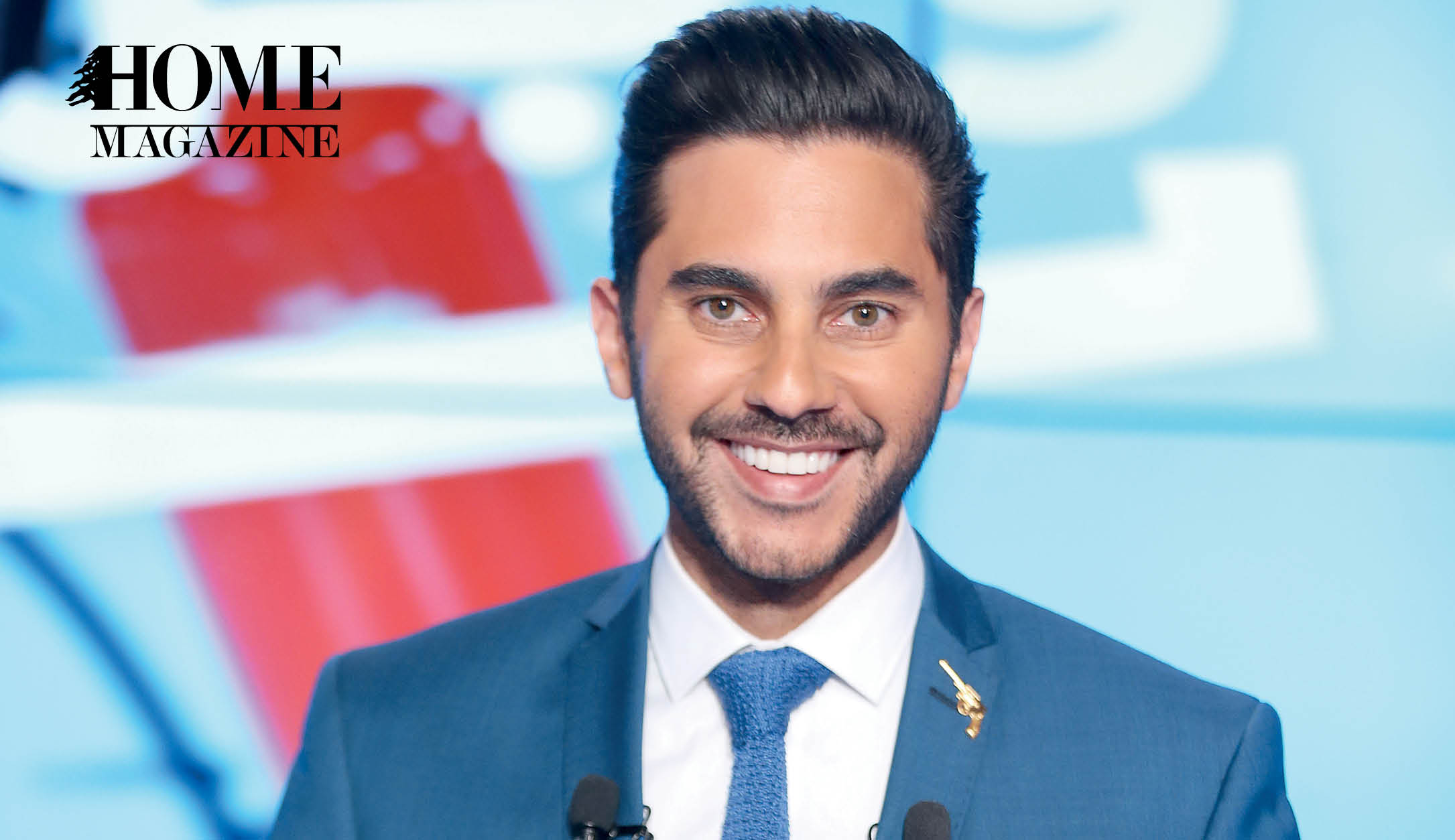
Photo by: Chady Feghaly
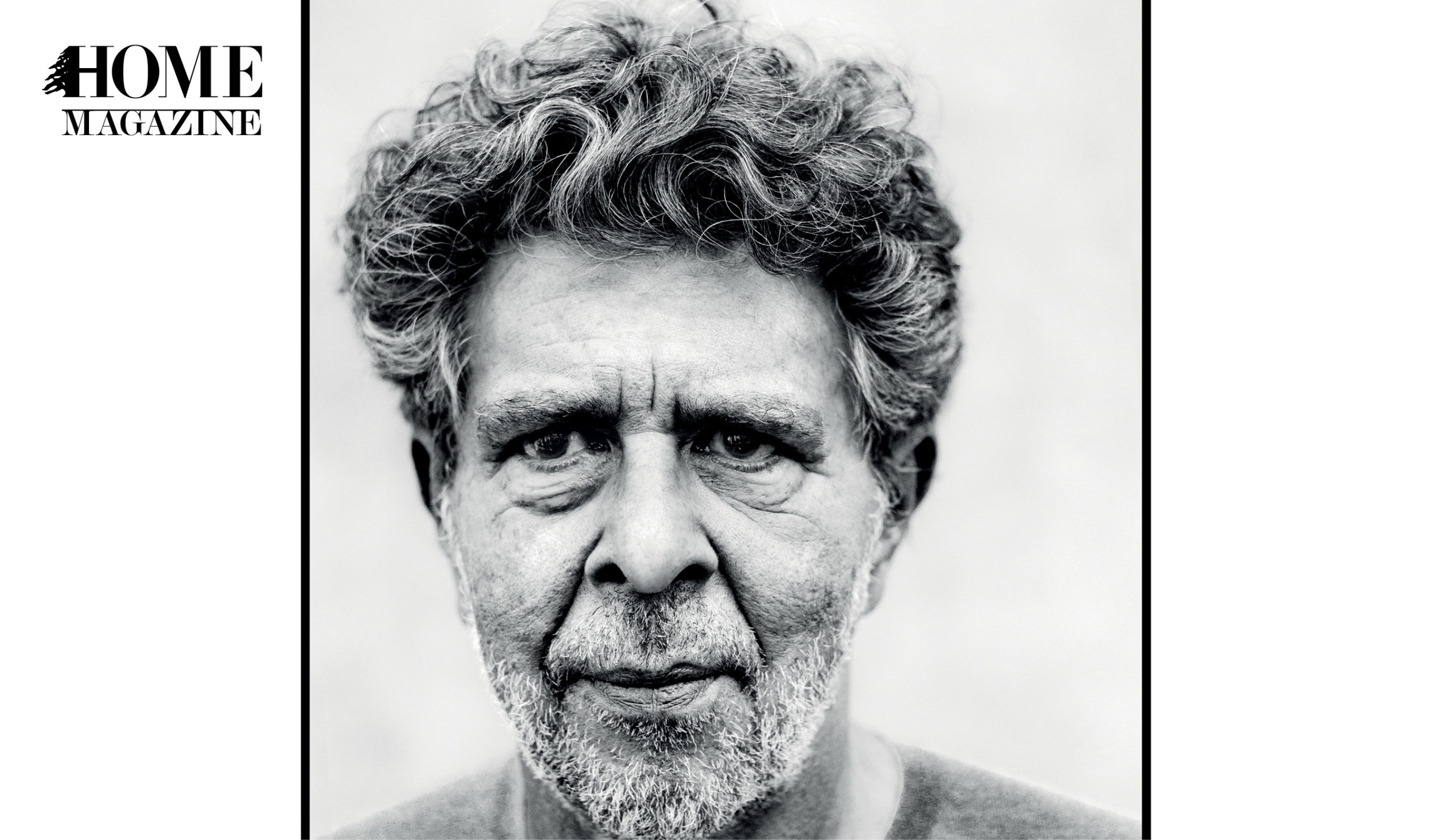
Quick-witted and handsome with a winning smile, Pierre Rabbat might have the key qualities that make a charming TV host, but there is so much more than meets the eye.
Shaking the status quo
TV host and executive producer Pierre Rabbat’s Menna W Jerr was a true game changer. It was the first time a show openly mentioned names of other networks in Lebanon while critiquing them. “While the Lebanese criticize all the time, they find it hard to accept when it is done to them so openly,” says Rabbat.
An entertaining and varied weekly prime time talk show on MTV, Menna W Jerr features a regular panel of six co-hosts and special guests from different art, media and political fields and, with Rabbat’s lead, they cover entertaining themes and discuss other shows with light-hearted humor. Rabbat says that his show, now running for three years, is not about putting other networks down, but rather commenting on them constructively.
When asked how much television Lebanese are watching these days, Rabbat is quick to point out that while it is less than before, it is more about being consumed in different formats now than just on the TV set. “People are watching shows more on apps. While my audience may not all tune in religiously to my show on Monday nights, they do watch on demand, which can be on social media,” he says. Menna W Jerr is also watched a lot abroad. “We have many viewers from Brazil, North America, Canada and Europe,” continues Rabbat. “The Lebanese expats love to watch the show because it’s a piece of HOME for them, plus it’s fun.”
When Rabbat began his TV hosting career, he admits that he was more niche in his approach and appeal with his audience. Coming from a francophone education (he is a graduate of Notre Dame de Jamhour and later Université Saint-Joseph) and having spent some time abroad, he was not speaking directly to the masses and was selecting co-hosts mainly representing the cultural elite. Today however, he is focused on reaching everyone and he is thankful that he is closer to the mass audience.
“I had to adapt and find a way to make my show appeal to Lebanese from all walks of life,” he says. He even carefully selected his co-hosts to get a good balance of Lebanese household names and make sure they all have great chemistry together. The show has completed three seasons so far and even reached number one on the ratings.
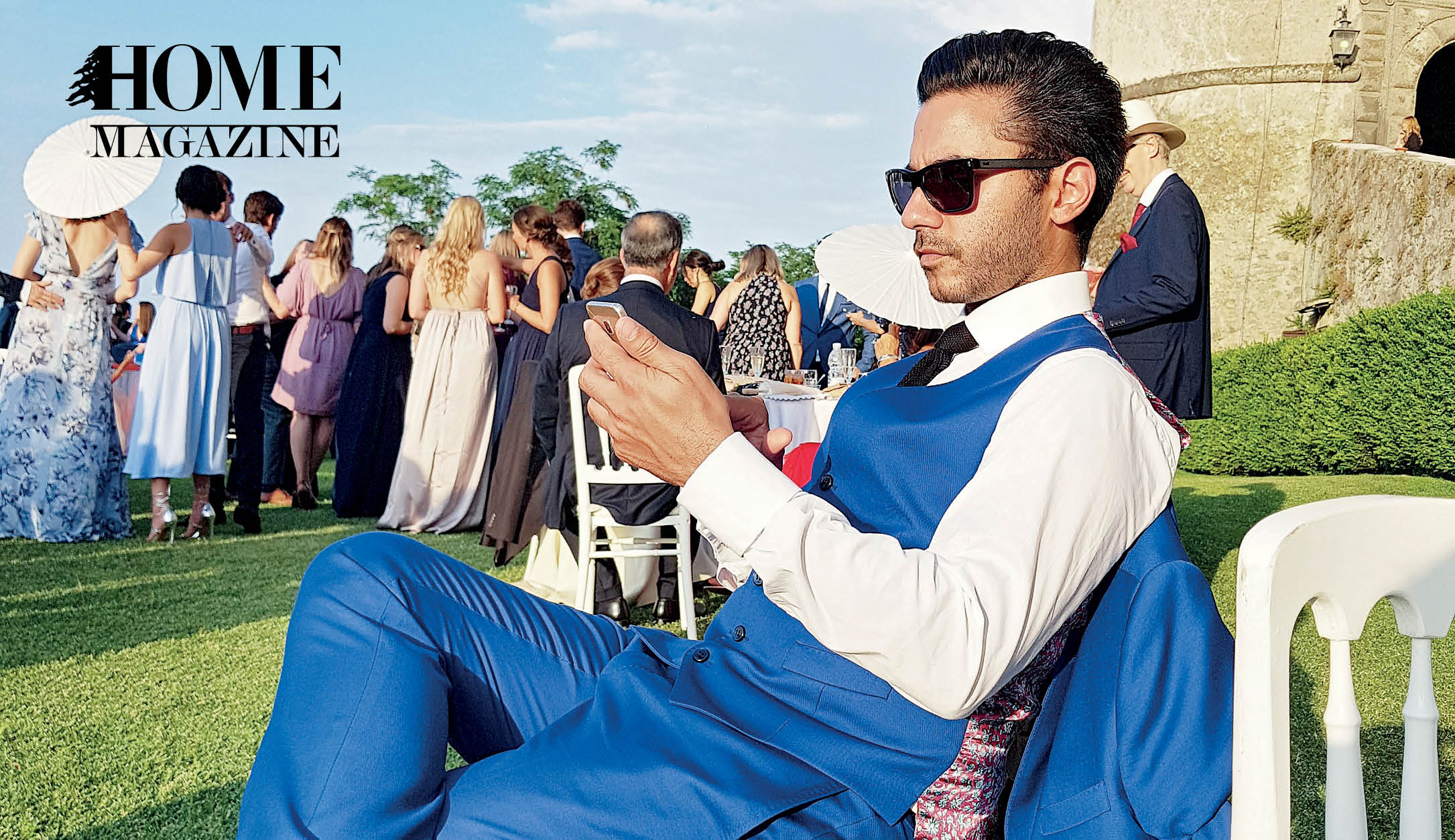
Photos by: Jana Doumani
A strong and consistent vision
Rabbat credits Michel El Murr, the founder and CEO of MTV, with having the right vision to bring the audience to the network through quality programming that is also educational. “It takes a lot of intelligence and vision to know how to reach all audiences and give them entertainment without resorting to easy commercial programs or even crude banter,” he says. He gives the example of the show Dancing with the Stars on MTV. “It’s an entertaining show that introduced the culture of dancing – tango, the waltz and other ballroom dances – to the audience in an Arabic speaking format, which was the first of its kind.”
To stay updated, Rabbat reads up on many subjects. “I am curious by nature, so wherever I go I tend to ask lots of questions and do research, whether it’s related to the environment or about startups or even stocks,” he says.
Rabbat has flattering words for the veteran Lebanese TV host Marcel Ghanem. “I admire that he had the same show for 27 years. Other hosts moved around, but he has been stable and always highly professional.” Rabbat strives for the same kind of longevity and consistency. “It’s important for anyone to create an identity. You become a brand over time and this has high value.”
To give another example on the value of specialization, Rabbat mentioned a story: “I once hired the production team of the popular British motor show Top Gear to film a show in Abu Dhabi. I noticed the assistant cameraman, aged 54, was considerably older than both the cameraman and director in the crew and commanded a significantly higher fee. It turned out that he was the most sought-after assistant cameraman in London.”
In contrast, in Lebanon, the opposite takes place. “Typically, a 25-year-old assistant cameraman wants to be promoted to lead cameraman within a year,” he laments. “We should be more specialized in one skill, stick to it and let our value grow with time.”
Another one of his pet peeves about the Lebanese is how they are so quick to find faults in everything, or as he puts it more succinctly in French, “chercher la petite bête’.”
“The problem with Lebanon, if I compare it to a computer, is that the hardware is essentially good, but the software is bad. The Lebanese are resilient and hard working in general. However, the minute a Lebanese person lands at the airport, he is rushing to be the first person out. He doesn’t stand in line; he tries to outsmart the customs officer, etc. But if you see the same person at the airport in France, he behaves impeccably and follows the rules.”

From behind the scenes to the face of prime time television
Rabbat’s foothold in the world of media began while he was still pursuing a master’s degree in telecommunications and network engineering. During his studies, he spent five months in France to complete an internship at Radio France. While his studies focused on the technical side of production, Rabbat later found himself much more interested in developing programs and began creating show concepts for Studiovision, the production hub for MTV (Murr Television) in Lebanon.
In fact, one of his programs, Who Will You Trust, was shortlisted in 2015 at MIPTV (Marché International des Programmes de Télévision), one of the leading international trade shows for television and media in Cannes. Rabbat pitched his quiz show idea to a packed hall of TV executives from around the world and came in second place (out of 800 applicants). “This was great exposure for me. After that, dealing with different media companies became much easier,” says Rabbat.
Rabbat also went on to host one of the programs he developed, Men El Ekhir, an entertainment multi-guest talk show also for MTV. The show was later sold to DMTV, a Dubai-based TV station, and ended its Lebanon run. When this deal took place, MTV gave Rabbat the copyrights to the show, which brought him revenue for each episode that aired. “I soon realized that there is no such thing as plagiarism,” explains Rabbat, as he knew then that one should never make a show loosely based on something else that exists. “I prefer to create a new show or buy the existing format.” Buying a format from abroad is also a risk, according to Rabbat, as foreign programs often derive from a completely different culture and might fail in Lebanon. He gives a few examples of shows that were dropped soon after airing, such as Survivor and La Ferme Célébrités.
However, his current show Menna W Jerr is the first one that he produces and hosts that is not original and was adapted from a French show. During his internship in France, Rabbat became a fan of the TV show Touche Pas à Mon Poste! hosted by Cyril Hanouna. Later Rabbat began working on bringing it to Lebanon and adapting it for the local audience.
Rabbat traveled to France and met Hanouna with whom he had great chemistry. The producers of the show were willing to give the adaptation rights for Lebanon, but as this show was never intended for export, it did not have a bible for adaptation. Rabbat explains that all the major shows, such as The Voice, develop a show bible from the start so that it can be provided to other countries that want to recreate the program.
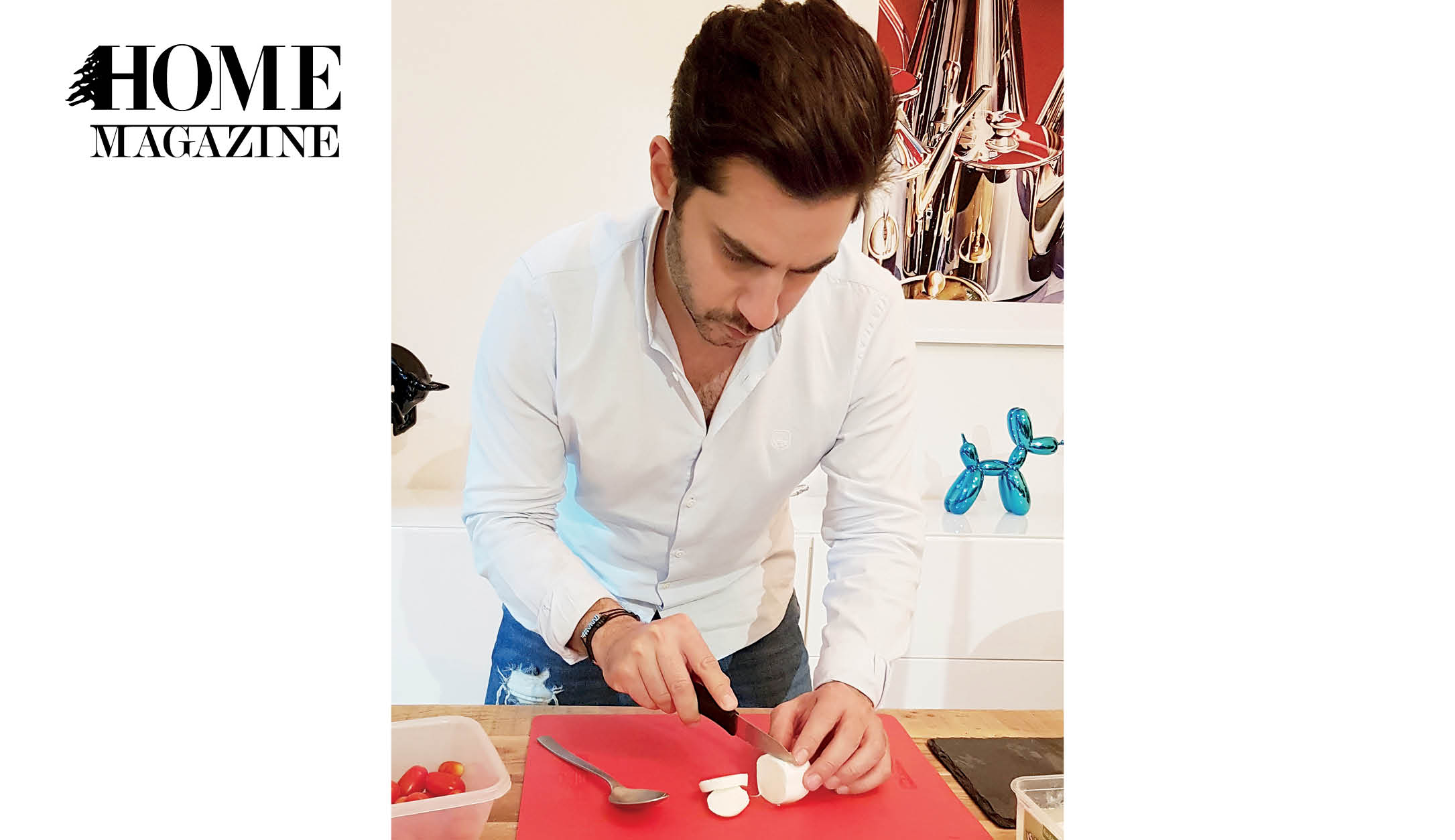
@TheFamousRecipe
Throughout the interview Rabbat is upbeat and animated when he talks. He emanates a kind of energy that draws you in and makes you feel like you are talking to an old friend. He credits his wife Jana and one- year- old daughter Audrey for giving him a sense of HOME. He also strives to have a balanced married life and strongly supports his wife. He and his wife give each other space, and life together is casual and relaxed.
When asked if she works, he replies without missing a beat, “is there any woman who doesn’t work now?” A former advertising executive, his wife is currently the marketing manager for a French start-up company in Lebanon, he explains proudly.
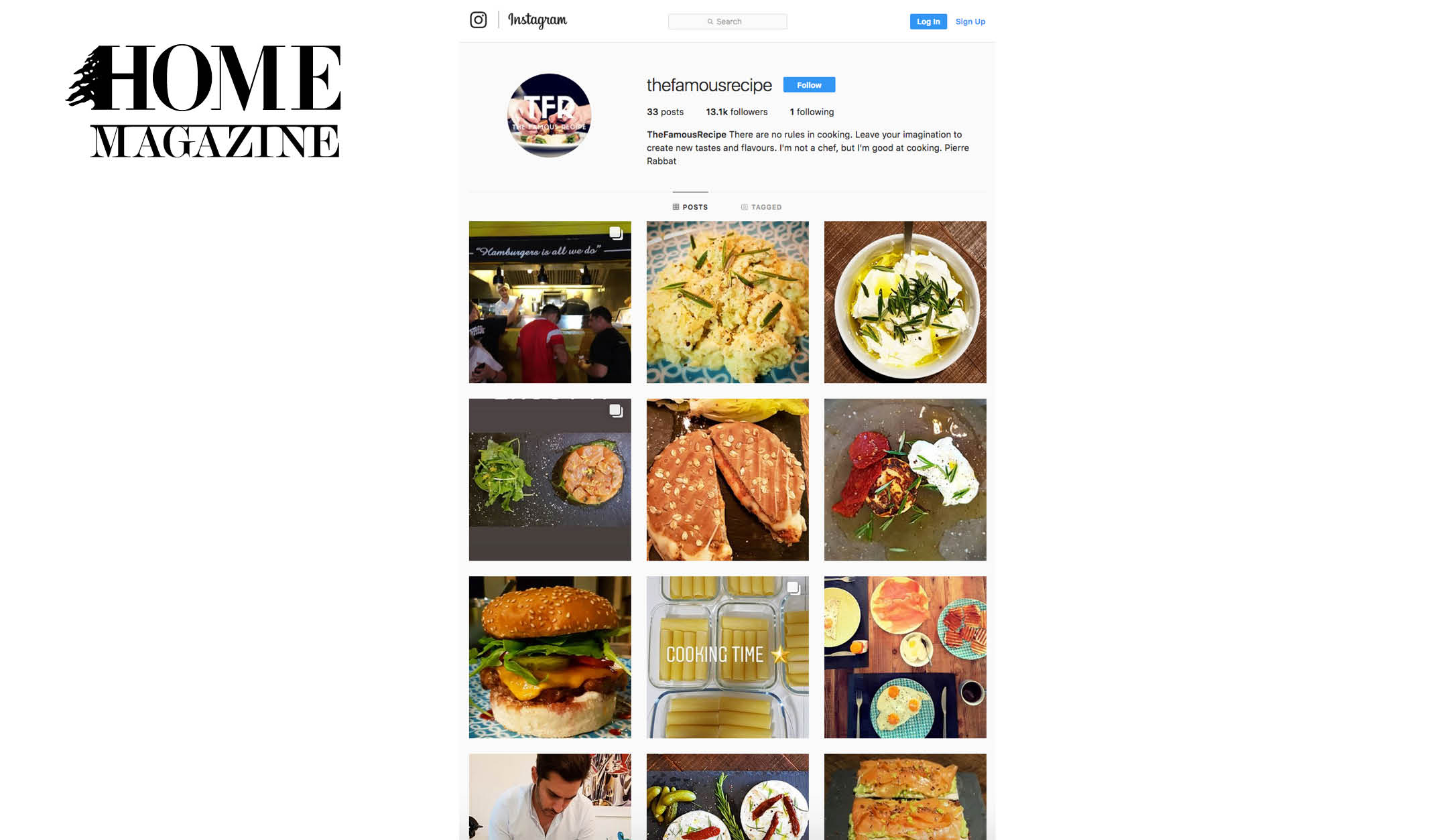
When asked what other profession would he have chosen, Rabbat is quick to say he would have been a cook. “I love cooking,” he beams. Rabbat enthusiastically shows HOME his new page on Instagram called @TheFamousRecipe, where he posts every new dish he tries. From cannelloni pasta to pizza and juicy burgers, each dish is impeccably presented, making you believe Rabbat could easily quit his current day job for the kitchen if he puts his mind to it.
However, something tells us he is going to stick to television, and he will keep enthralling and entertaining audiences for a long time to come.
For more info:
Facebook: pierrerabbath
Instagram: pierrerabbat
Twitter: @pierrerabbat
HOMEland
Coming Soon
HOMEland Events & Collaborations
Coming Soon
 Signature Boutique