The Lebanese Movie Awards: Believing in the Magic of Local Cinema
Capernaum swept six awards as the Lebanese Movie Awards returned for a sixth glittering edition honoring the country's cinematic talent.

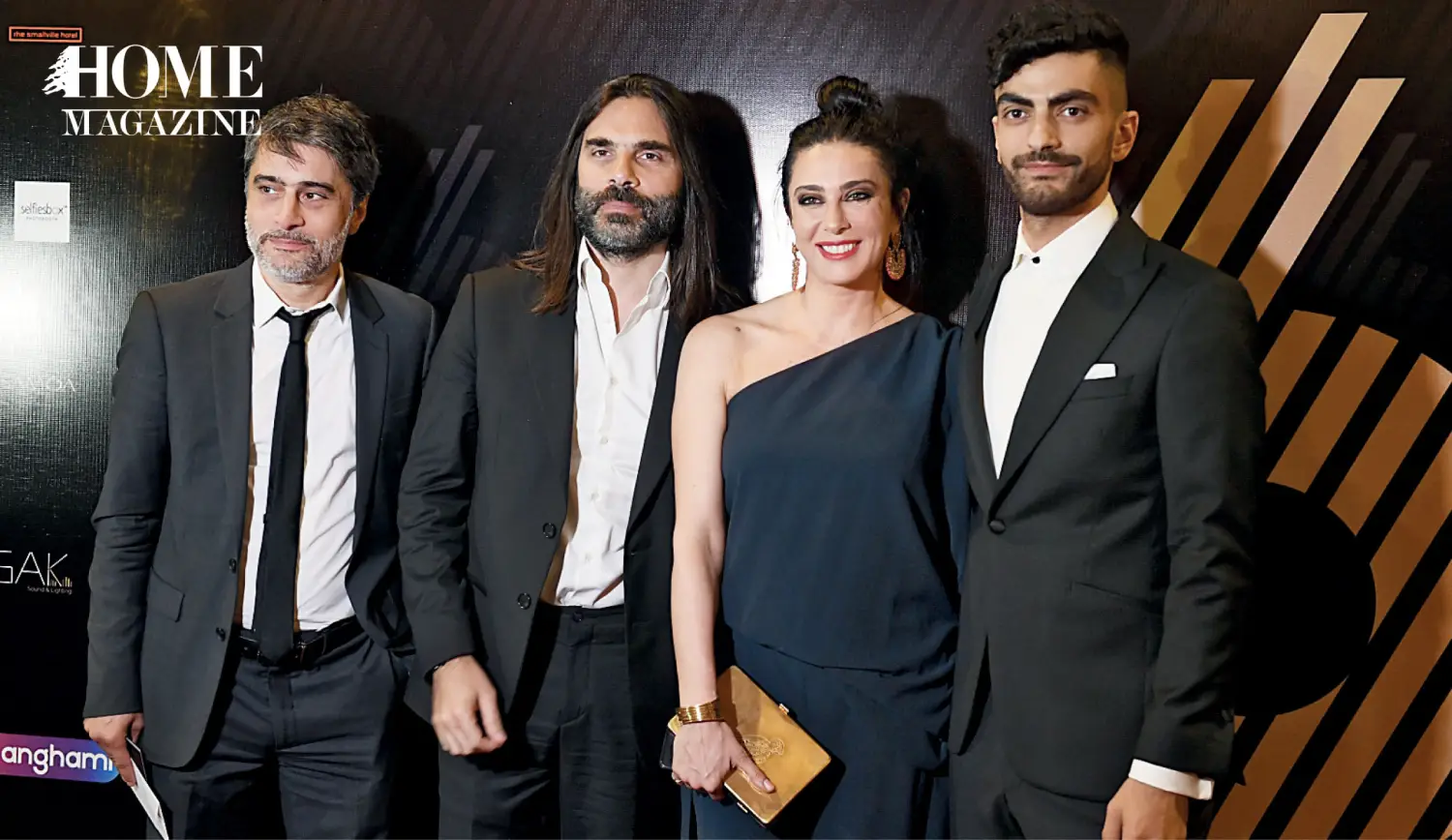
Team of Capernaum with LMAs founder Emilio Eid left to right: Pierre Sarraf, Khaled Mouzanar, Nadine Labake, Emilio Eid
Photos by Alain Francis and Celine Dagher
The who’s who of the Lebanese movie scene graced the Casino du Liban in their most dazzling soirée attire for a yearly celebration of cinema. Starlets robed in designer gowns and men donning tuxedos posed for the cameras, while others interacted with the press or socialized with each other. Electricity filled the air for the sixth edition of the Lebanese Movie Awards (LMAs) — an initiative with one mission in mind: “to believe in the magic of Lebanese movies, and to honor those films who made us believe.”
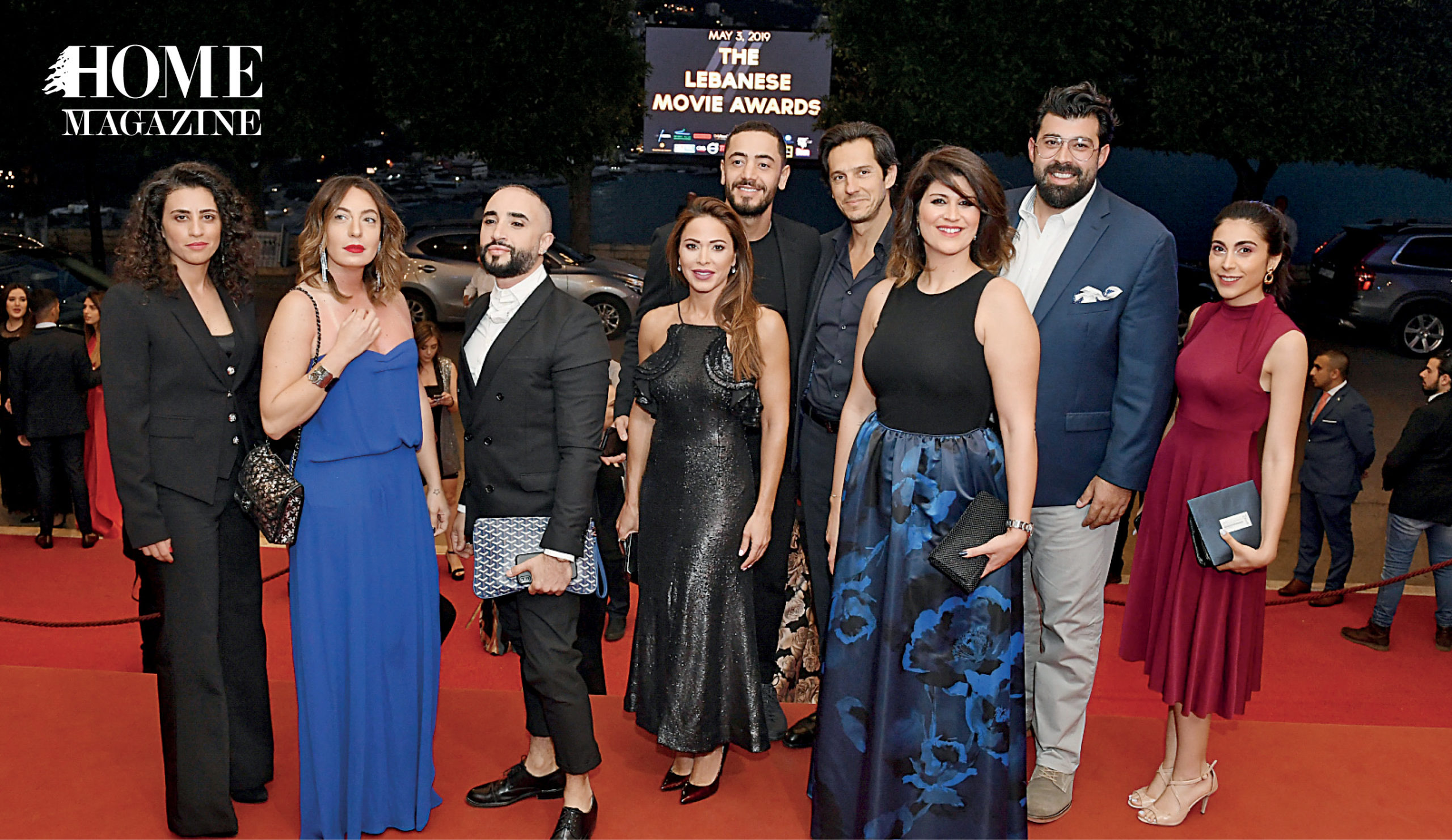 Cast & Crew of Khabsa arriving on the red carpet of the sixth edition of The LMAs. Matteo Khodr, Rola Beksmati, Junaid Zeinldine, Abboudy Mallah, Tanya Nasr, Nadine Rizk
“The industry is booming. There are Lebanese movies at the Oscars and the film festivals all around the world,” said the LMAs founder, Emilio Eid, who believed it was high time to start appreciating cinematic excellence. “I love to give back to the hardworking people in the movie industry. Those behind the scenes, not only the director and actors,” adds Eid. Surprisingly, Eid launched the very first LMAs while still a teenager. Six years later, the LMAs has grown into a much-anticipated yearly ceremony.
“More often than not, Lebanese artists struggle to find sponsors to support their creative endeavors.”
Much like the Oscars, the soirée takes place in a theater, rather than over a dinner banquet. The guest list is exclusive; attendance is limited to industry insiders and is by invitation only. In order to avoid outside influence, TV reportage is only permitted so long as it does not compromise the credibility of the event nor interfere with its creative output. “No one has control of the ceremony as this might make it lose credibility,” says Eid. “I do everything with transparency.” However, finding financial backing can be problematic in a country that is thirsty for public funding. More often than not, Lebanese artists struggle to find sponsors to support their creative endeavors. The LMAs covers its overhead through the generosity of friends and partners.
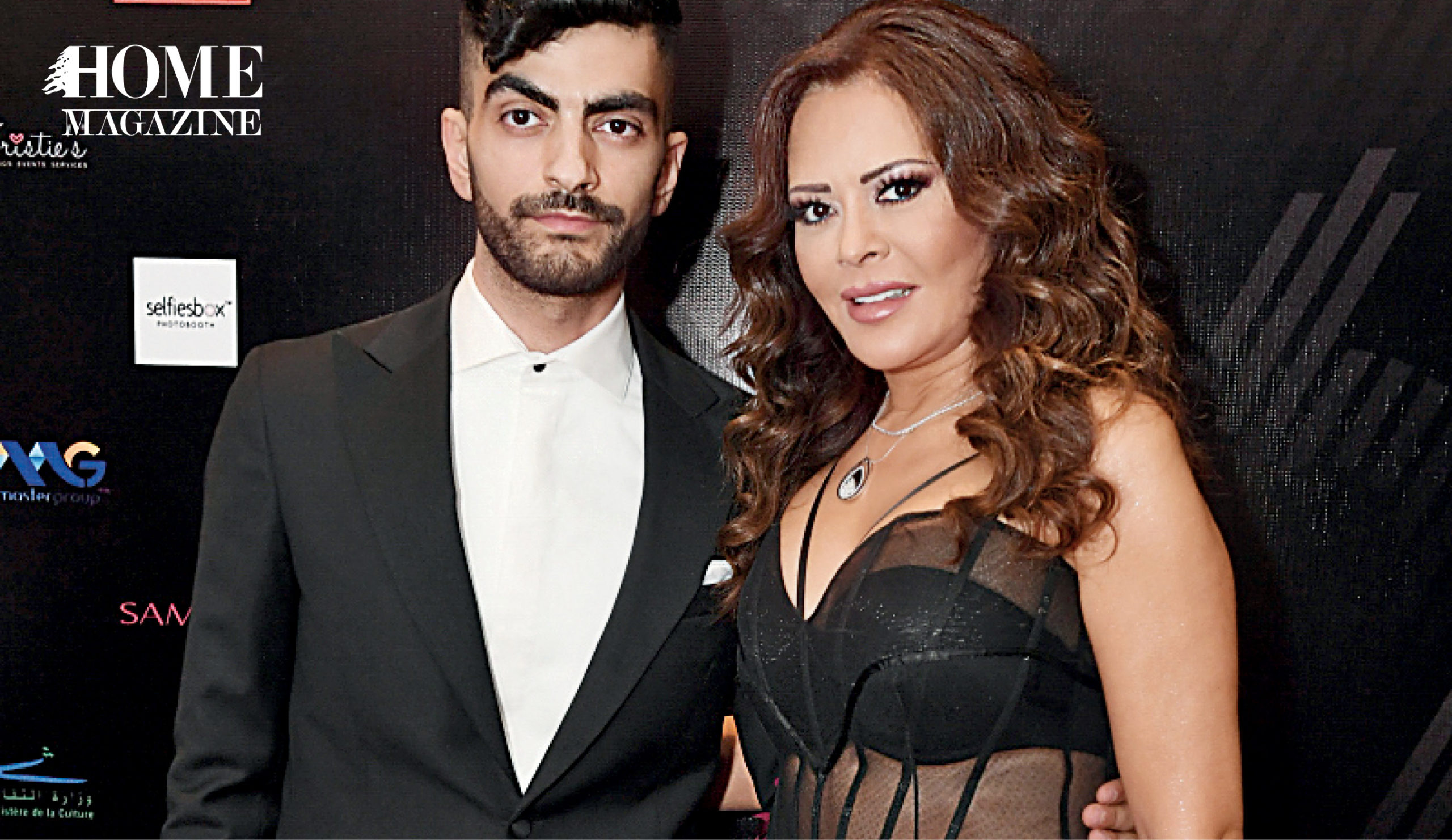 President & Founder Emilio Eid, with Jury Member and Presenter Carmen Lebbos
Presenters took turns announcing the nominees and winners of the night to the around 700 invitees who enjoyed the two-hour proceeding. Lara Rain, Rita Hayek, Nada Abou Farhat, Carmen Lebbos, and Julie Gayet among others introduced the nine feature films, three documentaries, and five short movies to the public.
Nadine Labaki’s global phenomenon, Capernaum (2018), stood out as the big winner with 11 nominations across all categories, taking HOME six awards in total. Tony Farjallah’s Morine (2018), received nine nominations and won three awards. Lucien Bourjeily’s drama, Heaven Without People (2017), and Shady Hanna’s romantic comedy, Khabsa (2018), tied at seven nominations each. Rana Eid’s nomination for best documentary for Panoptic (2017), was a strong statement, seeing how the film failed to pass censorship and was officially banned from theaters. Last year, Ziad Doueiri’s The Insult (2017), went HOME with five awards. It would be uplifting to see this platform also develop into a launch pad for smaller productions that could truly benefit from the exposure. Emilio expressed optimism for the future.
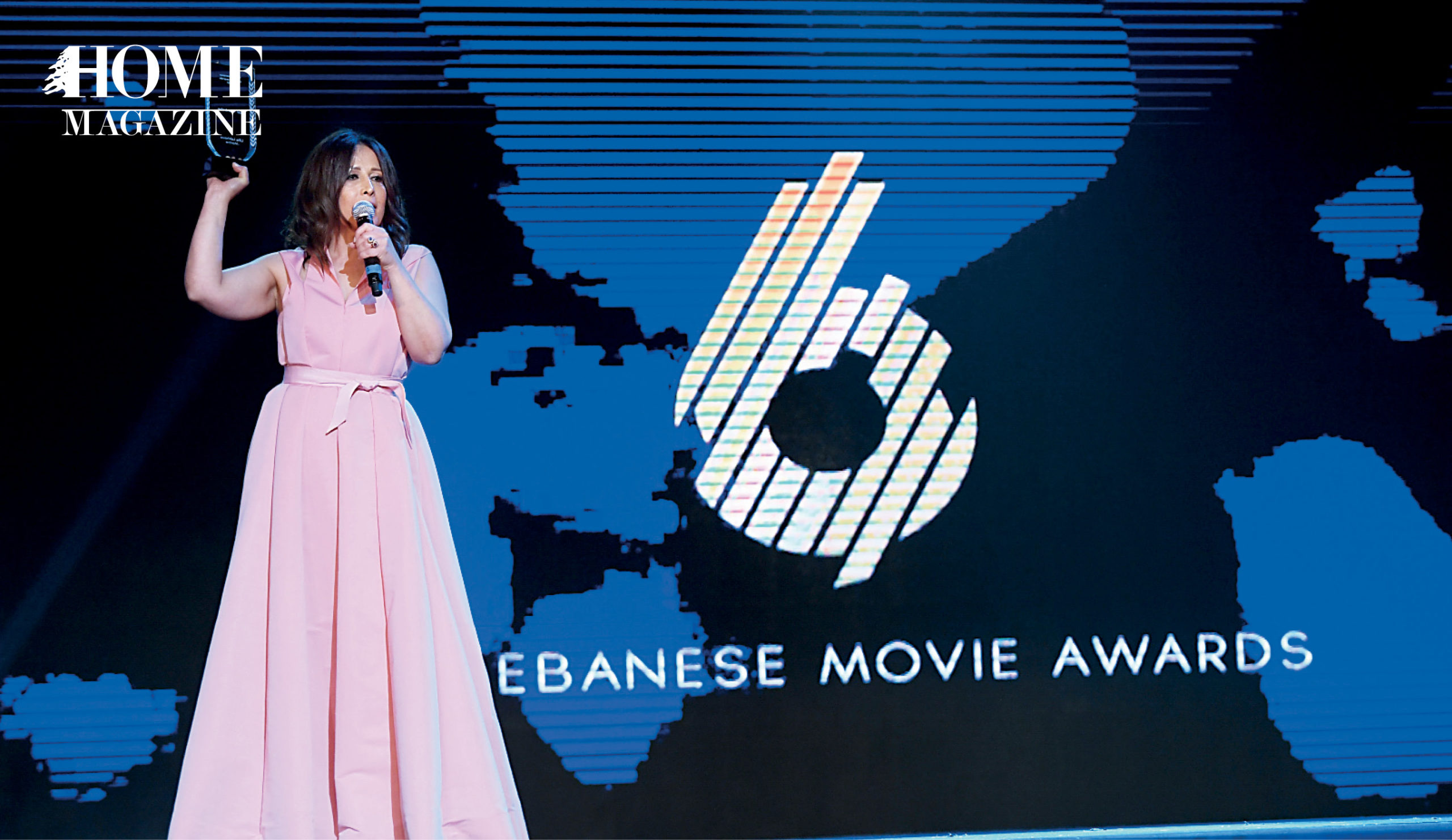 Takla Chamoun accepting the award for Wardrobe for the movie Morine
The films were selected based on their artistic and technical excellence. Categories include best motion picture, best directing, best production design, and best soundtrack. Best documentary, best short film, and best hair styling & makeup were newly introduced to the panel this year. Members of this year jury were Emile Chahine, Lynn Tehini, Muriel Aboulrouss, Assad Fouladkar, Badih Abou Chacra, Nicolas Blanc, Raya Abi Rached, and Carmen Lebbos.
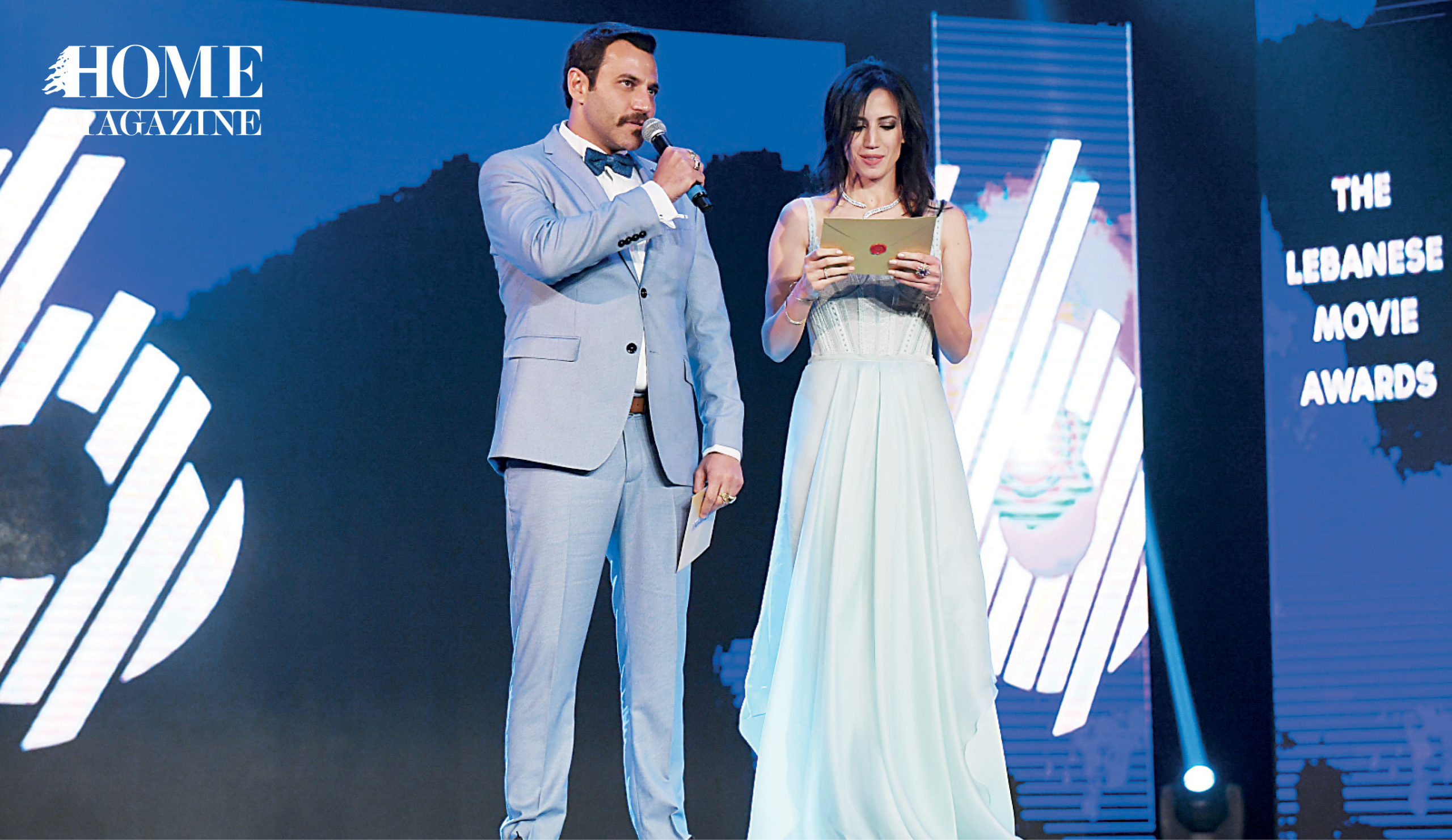 Nicolas Mouawad & Lara Rain presenting the awards for Best Sound Design & Soundtrack
“The Casino du Liban is our main partner, and I am grateful for their support,” says Eid. So far, the initiative has been represented by Eid as an individual, not an officially recognized body. Since the ceremony has expanded, so have his dreams. “I just handed in the papers to the Ministry of Interior to turn it into an NGO,” beams Eid.
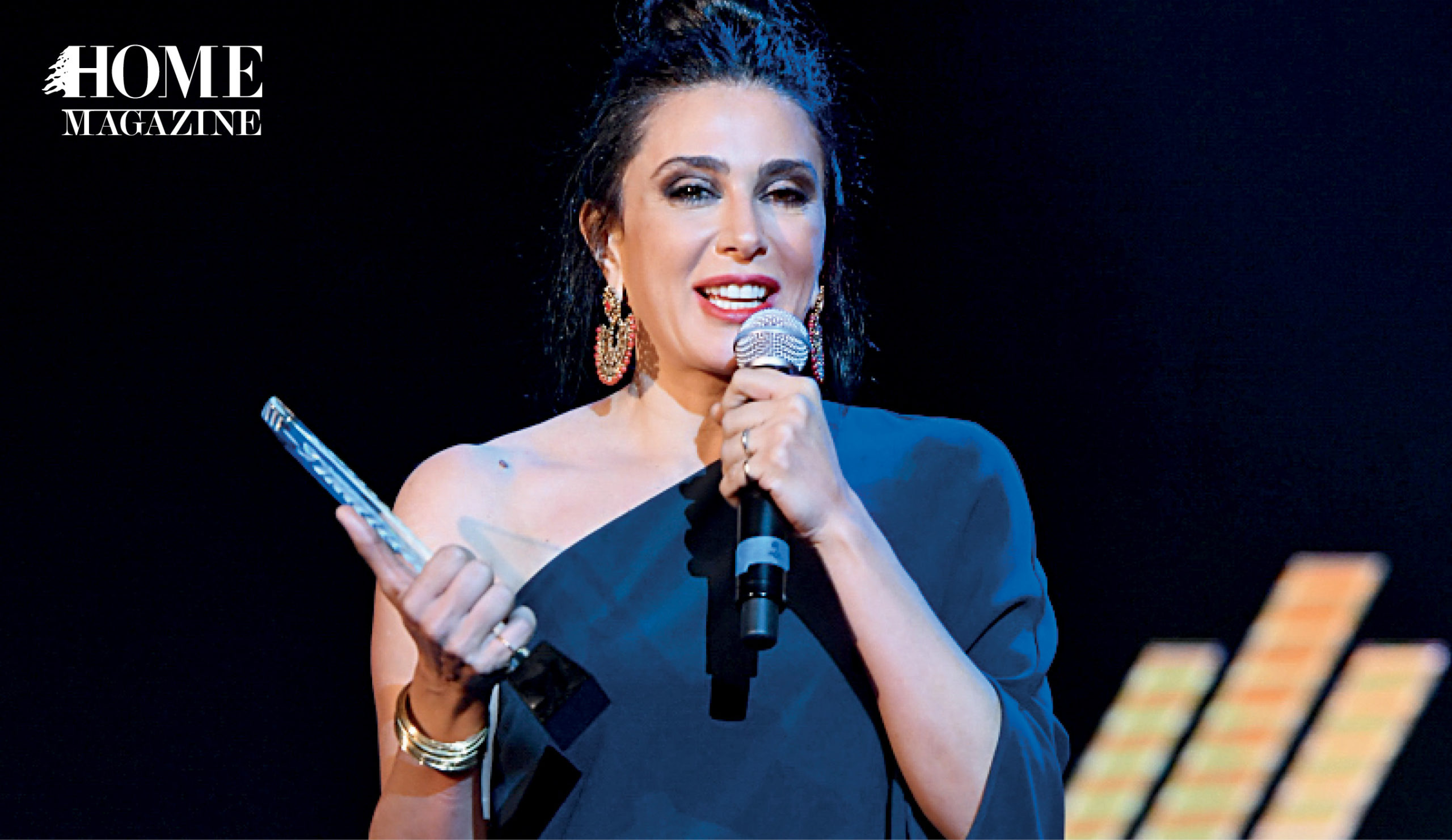 Nadine Labake accepting the award for Best Director for a Lebanese Motion Picture.
While an estimated 30 film festivals pop up across the country, the LMAs stands out from the rest as an award ceremony that honors Lebanese films. Most famously, the Murex D’Or award ceremony at the Casino du Liban takes a more general Pan Arab and regional interest. Other film-related initiatives have become a part of the cultural sphere, such as the popular, open air Cabriolet Film Festival which screens short films on the stairs of Gemmayzeh, and the Maskoun Fantastic Film Festival, the first in the region that focuses on horror, thriller, and science-fiction movies, and the Batroun Mediterranean Film Festival which showcases short films from the 21 countries along the Mediterranean Sea. Elsewhere, the Lebanese Film Festival in Canada — an annual overseas celebration of Lebanese motion pictures — made its breakthrough in 2017.
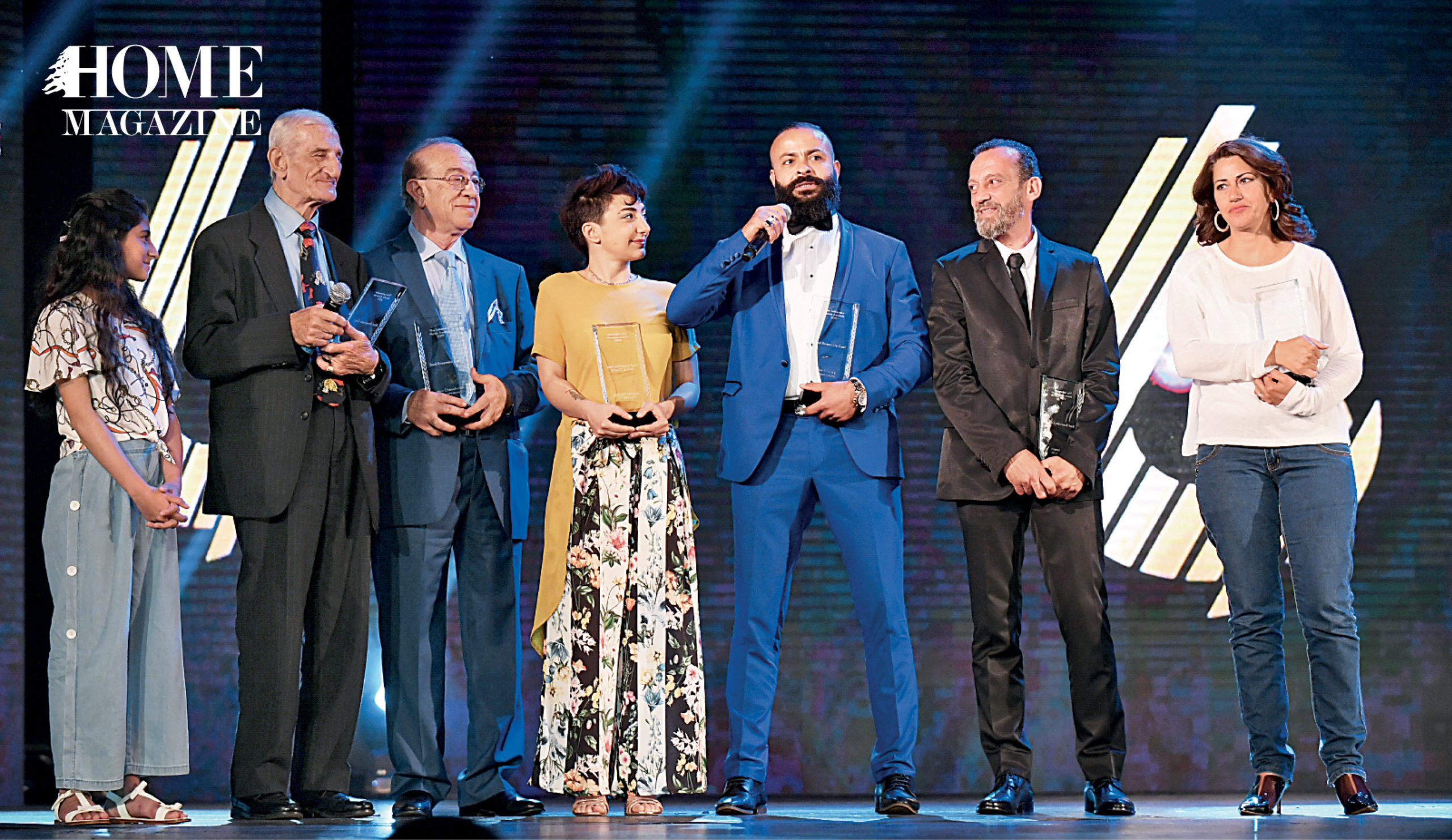 Cast of Capernaum accepting the award for Best Ensemble Cast along with the casting director. Cedra Izzam, Joseph Jimbazian, Elias Khoury Jennifer Haddad, Alaa Chouchnieh, Fadi Youssef, Kawsar El Haddad
Cinephile Eid shared with HOME his favorite films: Life of Pi (2012), Au Revoir La Haut (2017), Gravity (2013), Réparer Les Vivants (2016) and Juste La Fin du Monde (2016). He adds that everyone should be watching the weekly online show, Pose (2018), that brings the latest news from the world of film. Now, Eid is writing his first TV show set in Paris. “The show is in English. It’s more tailored toward a Netflix than Arte audience,” he says. Currently, Eid shuttles between Lebanon and Strasbourg, France.
For more info:
[instalink id=”30″]
https://www.instagram.com/lbmovieawards/
https://www.facebook.com/lbmovieawards/
 Signature Boutique