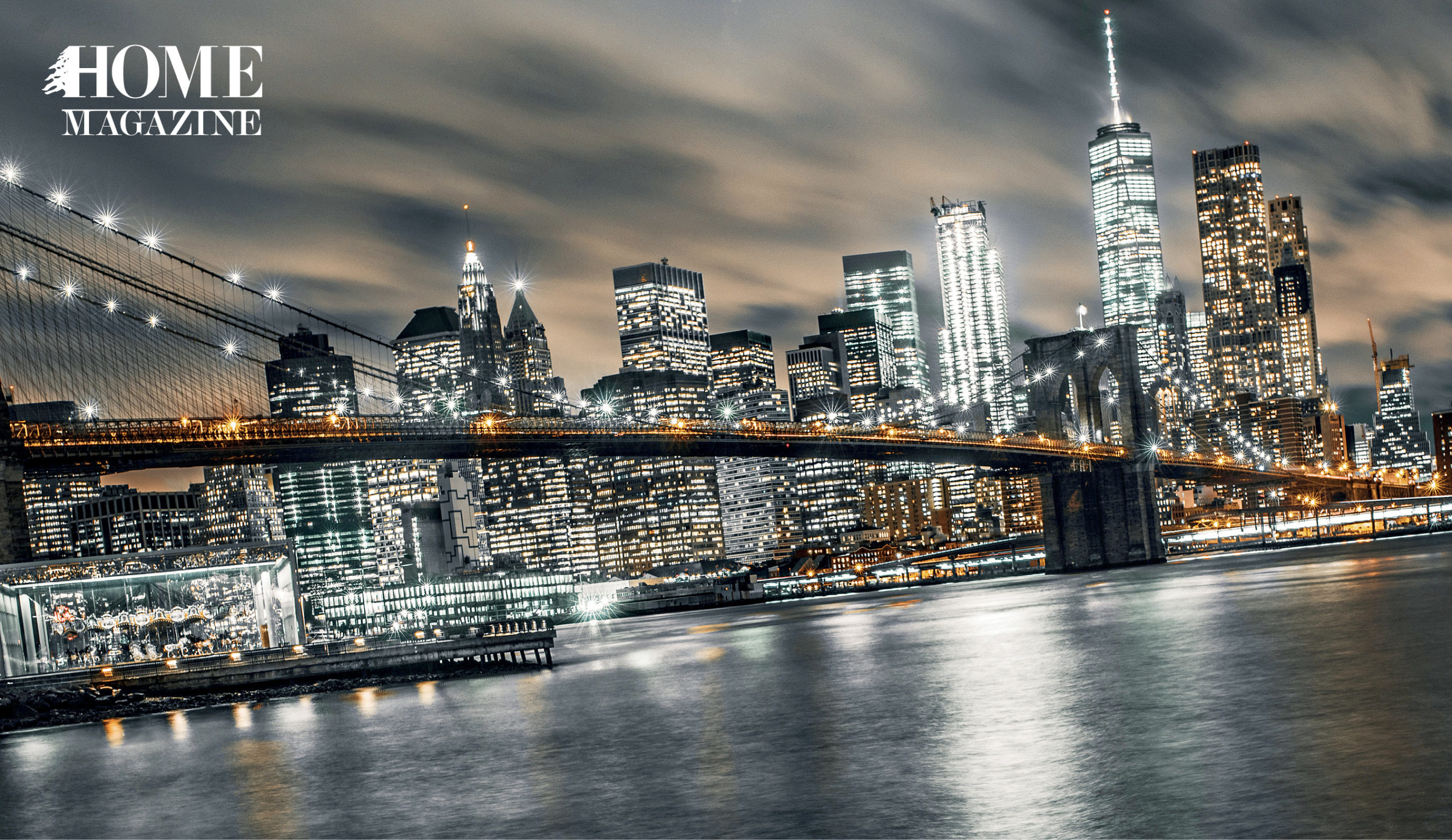
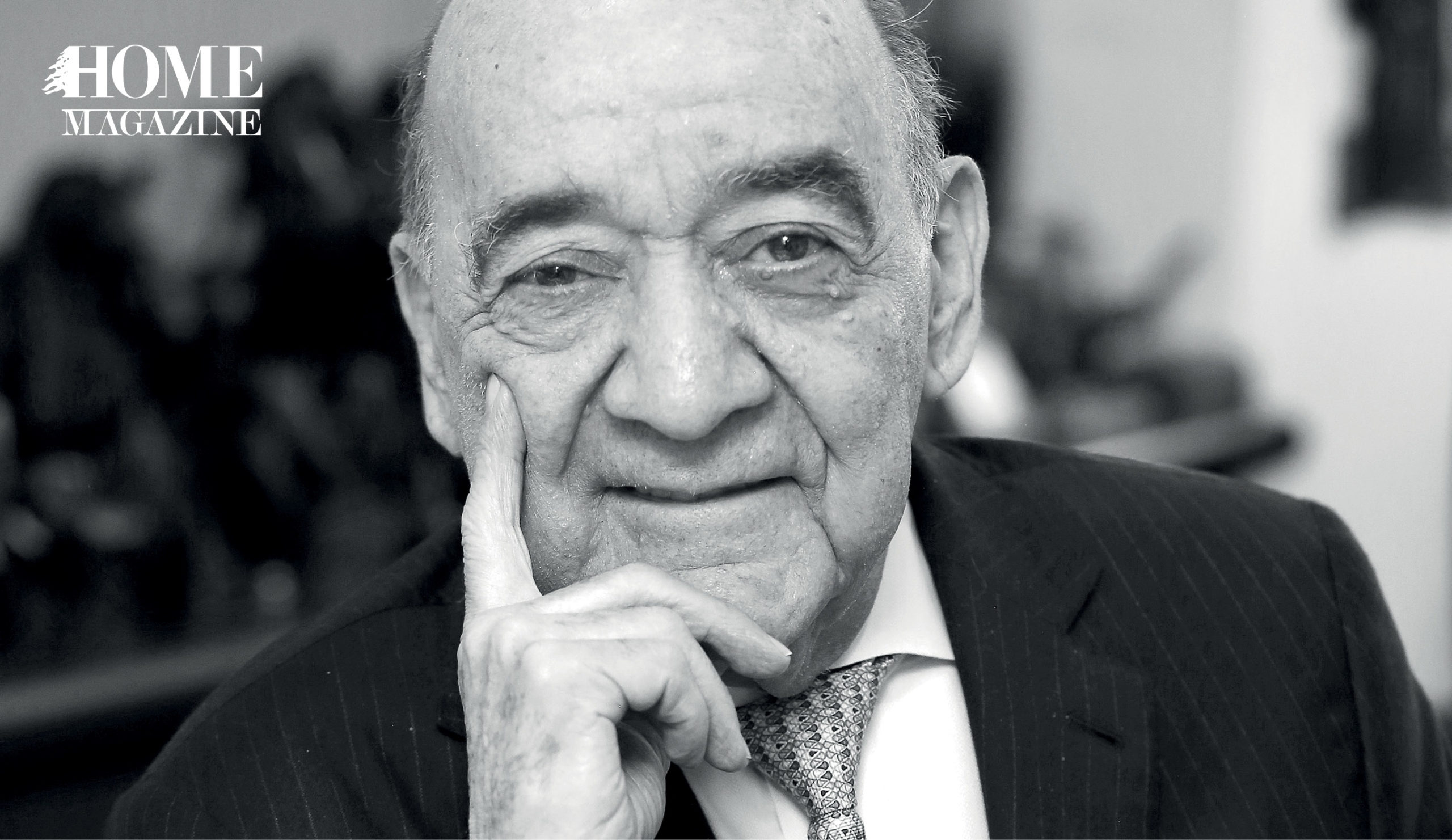
With HOME etched into their hearts and souls, Lebanese diplomats represent Lebanon everywhere in the world. Majdi Ramadan is one such example of an individual. As Consul General of Lebanon in New York, Ramadan’s diplomatic role brings pride and recognition to his country. In his earlier years, Ramadan majored in political studies at the American University of Beirut, and then attended the Lebanese University, obtaining his law degree while working as a diplomat. He also earned an MBA from Columbia University in New York in 2007. Ramadan transformed the historic consulate in New York into a HOME away from HOME for all Lebanese. He has been in New York City for 16 years.
Can you tell us about your career trajectory?
After receiving my law degree, I was sent to Ghana for three years and then to Liberia for less than a year. In 2002, I was appointed to work for the Permanent Mission of Lebanon to the United Nations until 2009, and then I went back to Lebanon to work at the Ministry of Foreign Affairs and was the Head of the Section of the Americas and the UN. In 2010, Lebanon joined the Security Council, and there was a need for UN-experienced people so I was chosen to take over the Security Council team of the Middle East covering Syria, Palestine, Libya, and Iraq in 2012.
Afterward, I was appointed as a Consul General here in New York.
What do you think contributed to your success as a diplomat?
I try not to talk about politics and that was the key to any success I had here . I try as much as I can to shy away from anything that might break the Lebanese people apart. There is no added value in that and it’s helpless. I would rather focus on what brings them together, on social, economic, and developmental levels.
What role does the consulate play in America today?
We support as much as we can all the local initiatives and programs launched by the city. Last New Year’s Eve and Christmas, a gift drive was organized to distribute presents to orphanages. We don’t only deal with the members of the Lebanese community but also with the so-called American friends of Lebanon. In fact, 10 to 15 percent of people attending our events consist of Americans who have Lebanese friends or have visited Lebanon once.
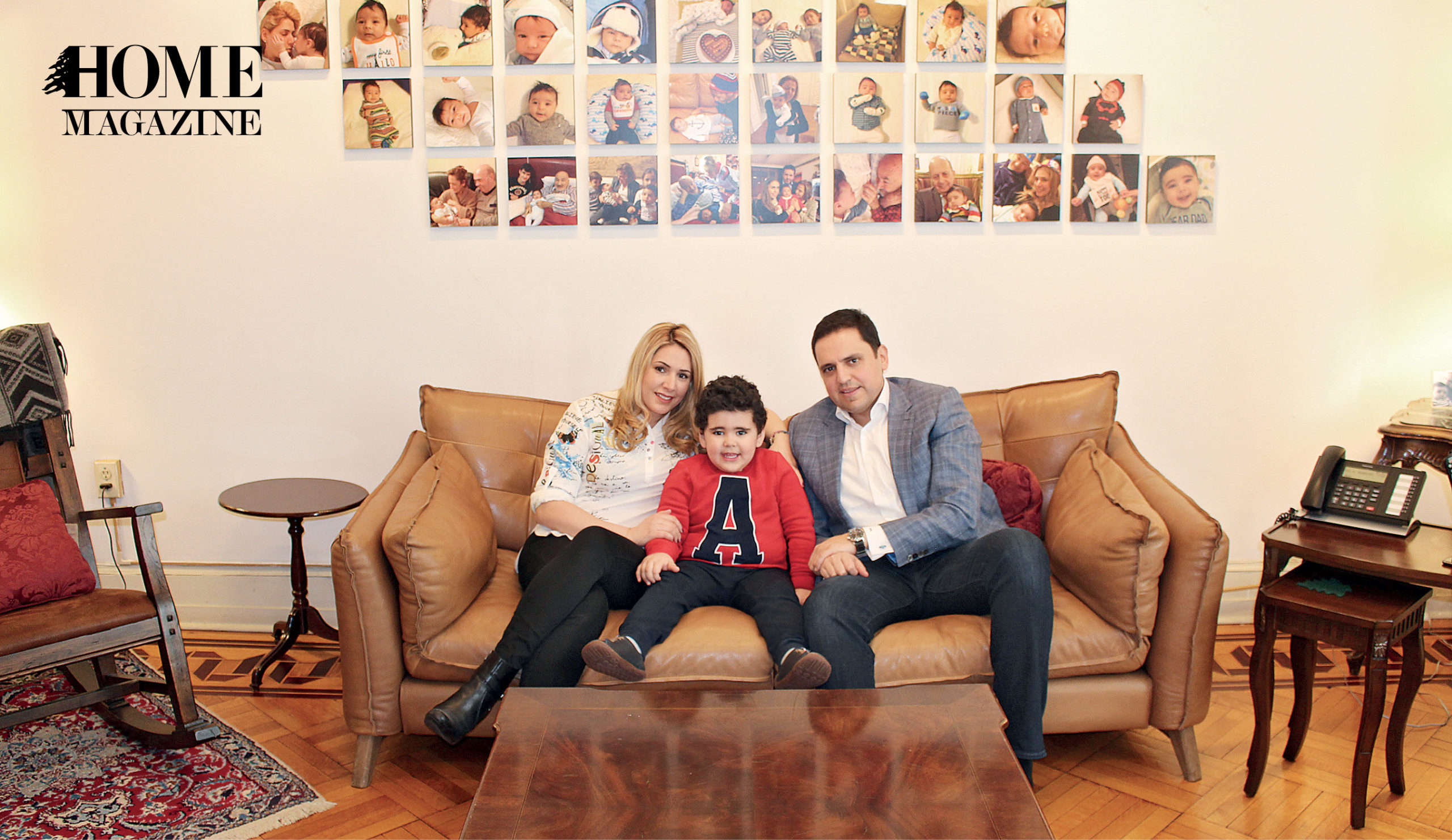
As a couple, my wife Vanessa and I are engaged in public service. You don’t have to be a hero to serve. The community needs average people, like you and me, to listen to members of the community and to their problems. It’s really not more than small random acts of kindness.
Vanessa and I held a lot of fundraising events for nonprofit organizations that serve Lebanon in the northeast and are still doing so. We cover all types of social activities — food tasting, wine tasting, movie screenings. We then try as much as we can to reach out to all the Lebanese in the northeast.
“To integrate while preserving what is unique about you — this is amazing.”
The church also plays a leading role in preserving Lebanese identity and the values. Through activities held by the church, Lebanese people come together, share their stories and build strong ties. Assimilating into America is very easy and fast, yet the Lebanese never relinquish their identity, their values, and the traditions instilled by their parents. To integrate while preserving what is unique about you — this is amazing.
What values do you adhere to?
I was raised in Beirut, yet we are originally from Marjeyoun. Since the town was under occupation, we’ve always lived in Beirut. Despite that, we have inherited all the values that are rooted in the culture of any village like honesty and respect to your elders. Living in the city, we never abandoned those values because my parents made sure to ingrain them in us. Losing my father was the worst thing that ever happened to me, especially that I wasn’t in Lebanon when he passed.
My dad was a lawyer and a notary. It seems to be a trend in our family. My uncle, my sisters, and my cousins are judges and lawyers. It was quite unusual to them that I chose not to practice law.
From an expat’s perspective, what observations can you share with our readers about life abroad?
It is true that stability in Lebanon is hard to come by, which makes it difficult to plan ahead for even the simplest of things like planning a holiday or taking out a car loan. However, people mistakenly believe that when they will emigrate, they will have money in bags. There’s even an Arabic saying that expresses this. The truth is most Lebanese succeed in the diaspora but not all of them gather huge fortunes and make it big. While life is more predictable in North America, one downside of living here without a family social safety net is that life can quickly turn sour for middle class hard working people if they become jobless or are out of business for a few months. They can easily default on payments including mortgages.
Many people complain that Lebanon suffers from heavy traffic but don’t take into consideration that, in America, people often have to spend hours commuting, sometimes taking several means of transportation, to make it to work every day. In Lebanon, the extended family offers full support in raising the children — even the neighbors would volunteer to help if you need it. There’s also more flexibility in social settings. For example, you can call some friends and casually meet them after work without previous planning. In North America, that’s not how things work. People are very busy all the time and you need to plan things well in advance.
What do you tell your son about Lebanon?
I do talk to him about Lebanon, but most importantly, I encourage him to discover Lebanon on his own. Every year, during summer vacation, we go to Lebanon. He meets his cousins and grandparents. I think he’s happy because they show him love and affection, and of course they also spoil him. It’s very important to make him feel he has a HOME in Lebanon. He feels it through the human interaction that he experiences there.
What is HOME for you?
HOME, for me, is my family and Beirut. Also, HOME is a country without sectarianism. All things considered, Lebanon is the most beautiful country in the world. Its people, its diversity, and its nature is what makes it an especially unique place. Its mountains, beach and weather make it a HOME like no other place.
In the late 1980s, I was supposed to study in the United States, but my mom refused. She didn’t want us to grow apart. During the war, I remember that we changed houses at least four times. We lived in Hamra, Ras el-Nabee, and even Aley. It was not easy but we stayed because my parents were against emigrating.
There is a dilemma that I think every first generation Lebanese emigrant faces. Never fully one thing or another, they will always be torn between their Lebanese identity and their American one. It’s the cruse of leaving your motherland and the blessing of a new world of opportunities.
“You don’t have to be a hero to serve. The community needs average people, like you and me. It’s really not more than small random acts of kindness.”
Is Lebanon your final destination?
I have lived the best days of my life in Beirut and I am definitely happy here in New York, and yet I would love to go back to Lebanon as part of my career. Lebanon is part of my daily life. Wherever I am I always feel that every Lebanese person’s success abroad contributes to Lebanon’s true emancipation. Even if you’re living abroad, you can still forge strong bonds with your country through your achievements.
How would you describe the Lebanese Diaspora Energy (LDE) held in New York?
The New York LDE edition September 2016 was the very first to be held outside Lebanon. The point of the conference is to make Lebanon an integral part of the diaspora’s daily life. The panels were very interactive, involving the most successful Lebanese in education, banking, literature, and more. Yet, during the presidential vacuum in Lebanon, things were unfortunately stalled and we felt that implementation would have been extremely difficult at the time.
Every Lebanese in the United States is truly an ambassador for Lebanon capable of spreading a beautiful image of his country. While it’s true that Lebanon is a small country, its voice resonates on American soil through these ambassadors.
For more info: https://www.facebook.com/majdi.ramadan

HOMEland THEMES
Coming Soon
HOMEland Events & Collaborations
Coming Soon
 Signature Boutique