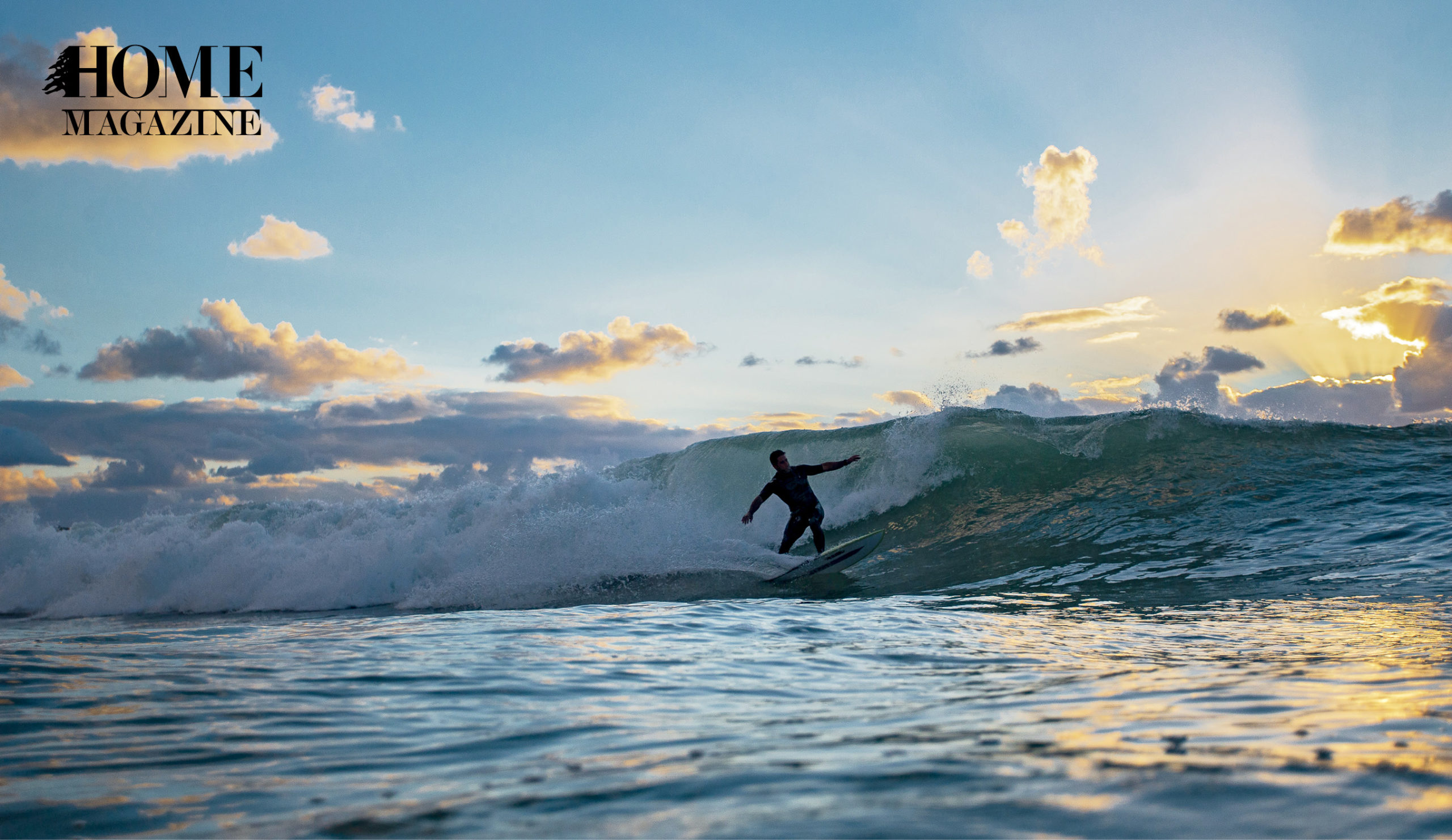
Photo by Mohamad Chehimi
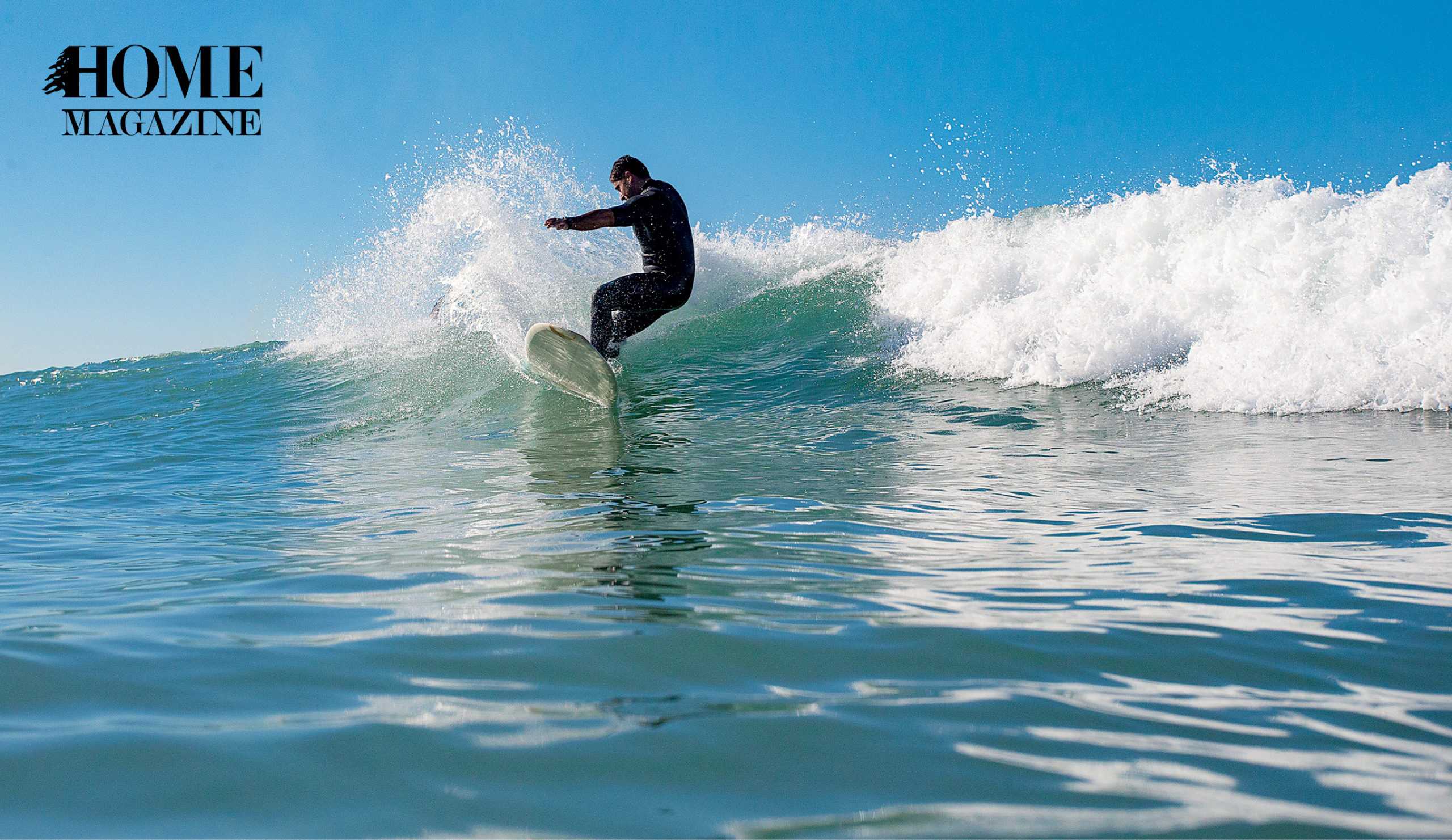
Like a wave, Lebanon has observed the slow and steady rise of surfing over the last two decades. In order to better understand this phenomenon, I sat down with Ali El Amine and Karim Flouti — two people who have been dedicated to the sport since their teenage years. El Amine holds the honor of kickstarting the surf community in Lebanon once he moved back from California, while Flouti has been hitting the waves since the age of 14 in the Canary Islands in Spain.
What was the surf community like when you came to Lebanon?
Ali: The scene was made up of a few people here and there — a group of surfers who were always on the lookout for a good wave. Motivated to find the same thing, I went up and down Jiyeh looking for a good spot to surf. That’s when I met Moustapha.
Karim: It was the same for me. It seemed to me when everybody had started kiteboarding and stopped surfing. I was surfing alone one day in the beginning of Jiyeh when a man came up to me on his boat and invited me to surf his wave. That man was Moustapha.
Who is Moustapha?
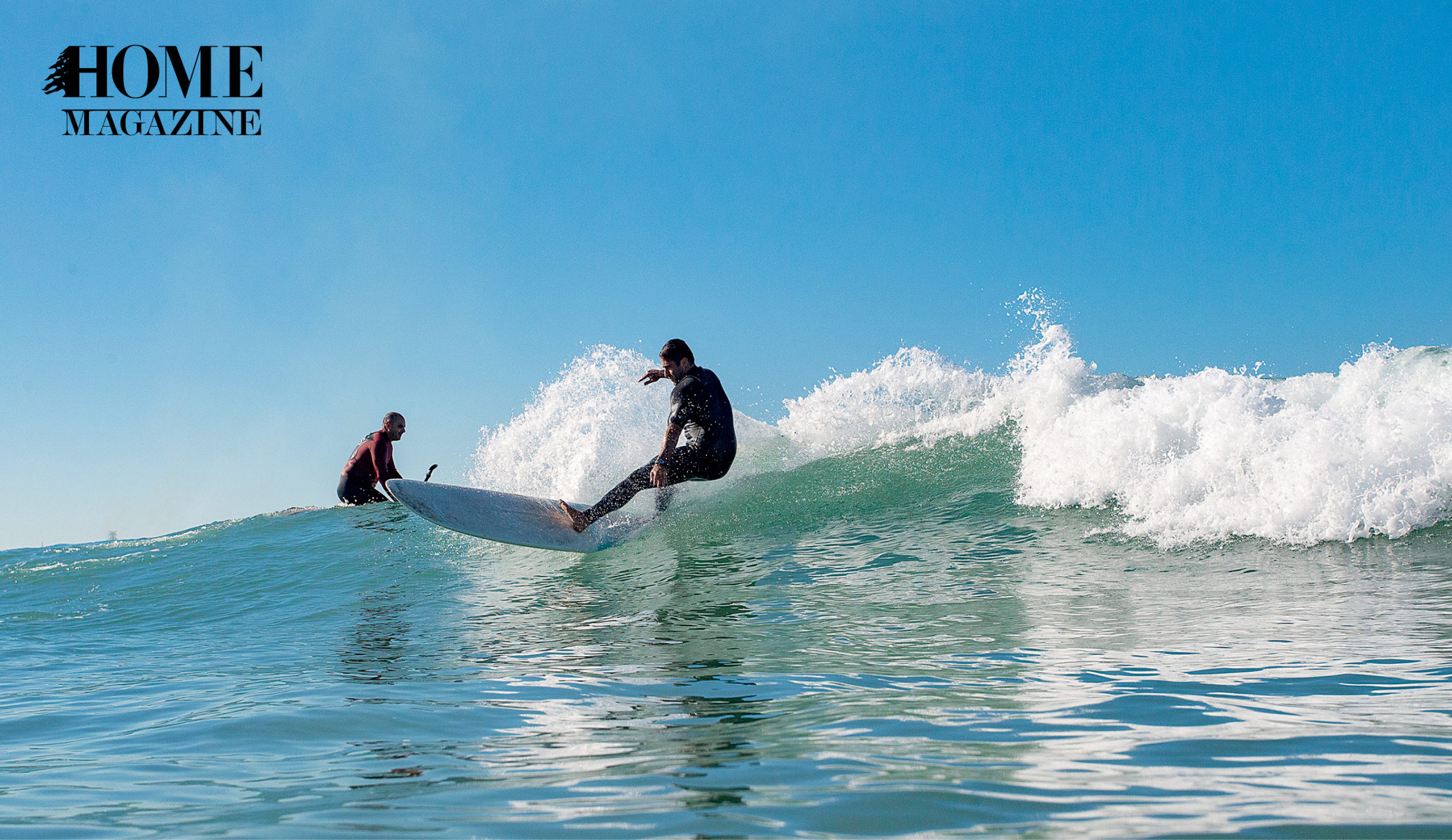
Ali: Moustapha is a legend. The surf scene had started in Lebanon before the war, but after the war it had died down. Moustapha is a nearly blind mechanic who worked on fixing boats. For a long while, he was the person responsible for surfing in Lebanon. He fixed boats so he learned how to kind of fix boards and he would invite people into his wave and help them in case of anything.
Karim: Moustapha’s A-Frame is what we call this small stretch of beach that happens to catch some pretty good waves, that was the beach in front of where Moustapha lives. He invited people to surf there, people from all over. He gave surfers a meeting point.
When did surfing pick up in Lebanon?
Karim: You can thank Ali for that. When he came back here and saw how many people were interested in the sport, he started showing them how to properly surf and how to actually fix their boards. His involvement encouraged more and more people to take up surfing.
Ali: Everyone that I have met so far has shown a genuine interest in this sport. I made sure that they could start off somewhere. It began to grow from there. However, it didn’t happen instantly. The schools and shops weren’t investing in businesses, they were investing in this community by teaching these kids and adults how to surf. There are nine year olds with enough skill to amaze anyone.
“Surfing teaches you that no matter how good you are, how competitive you are, you cannot compete with nature.”
In your opinion, what does it mean to be a surfer?
Ali: It means to be humble. Surfing teaches you that no matter how good you are, how competitive you are, you cannot compete with nature.
Karim: Everyone will get wiped out by a wave. You can be better than another surfer but you can’t be better than Mother Nature.
Do you think of it is as a communal or competitive sport?
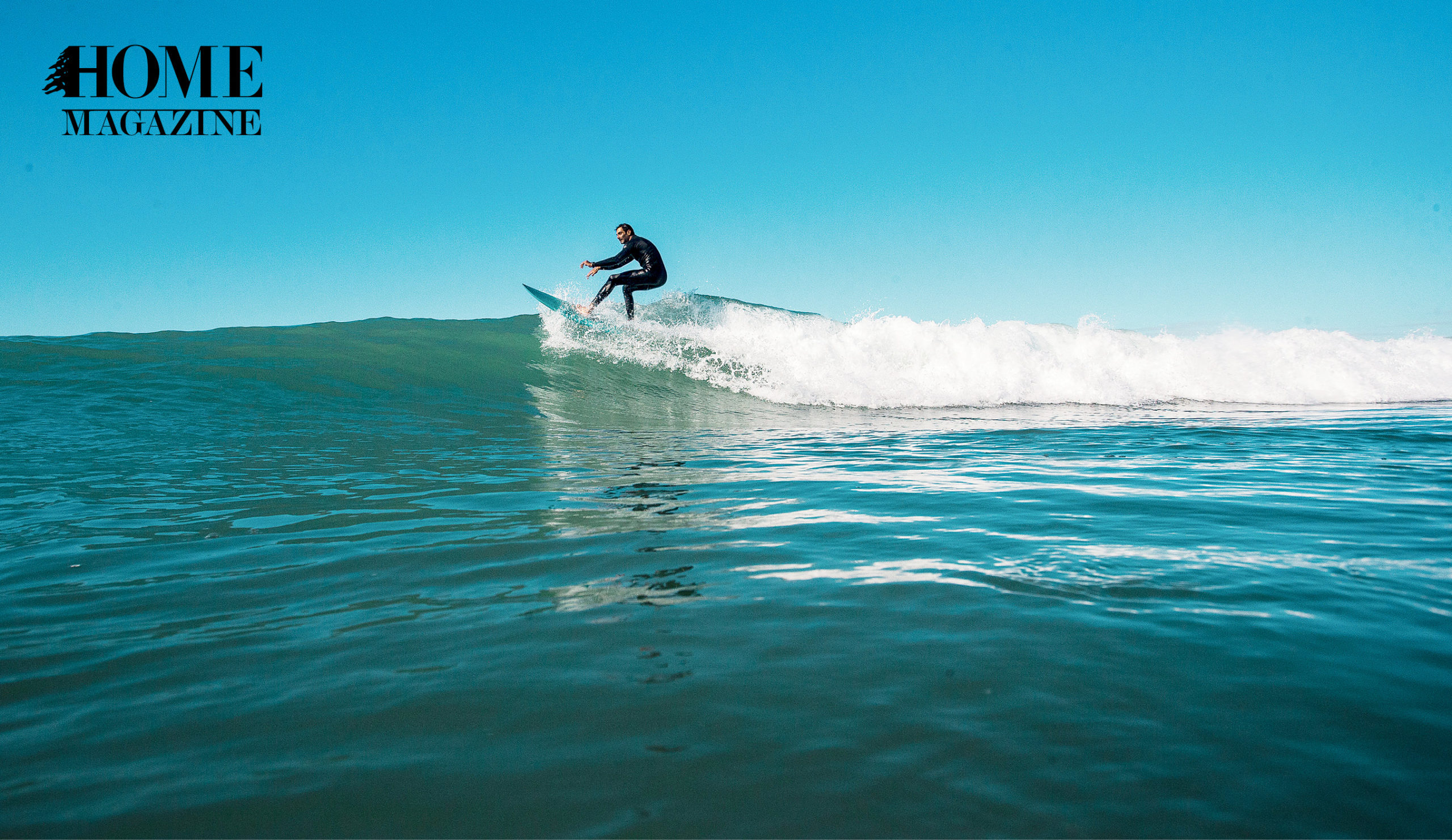
Ali: It’s both. Everyone helps each other out by showing them around to good surfing spots. However, the moment a wave shows up, it’s each to their own. There are rules you follow when you surf. For example, you can always see if someone has priority over a wave and, once it become theirs to surf, you aren’t supposed to steal it from them.
Karim: Not everyone is as competitive as Ali, but the wave tends to bring out the competitive aspect in you. Everyone wants to have a good session out there and they try their best to get it even if it means beating someone else to it. Yet again, nobody likes to surf alone which makes it a communal sport. We tend to keep an eye out for each other to make sure that nobody gets injured when they’re out there, and whenever somebody catches a great wave, we all cheer that person on. That’s the spirit of the sport.
How long does it take to become a surfer?
Ali: It depends. Practicing and observing others regularly allows you to learn how to behave in the water. And the bigger the wave, the more experience you need.
Karim: You can become a surfer. In fact, anyone can become one. Our commitment is to teach you how to catch a wave from your very first lesson. At that point, you won’t be a surfer but you will have experienced what it means to surf. Learning how to catch and ride a wave is not enough. It’s a matter of who you are in the water. Regardless of social class, having good vibes and the right attitude are what ultimately matter when you hit the water. It takes years of progression where you learn how to understand the ocean. Every wave is different. If you spend your whole life surfing in Jbeil for instance, you’ll never learn. I take people to Sri Lanka every year to become familiar with different environments.
When is the best time to surf?
Karim: The waves come randomly. Winter has bigger waves of course but it all depends on the wind and the currents. You keep an eye on forecasts and wait and see when a good wave is about to hit.
What is an obstacle you face when surfing in Lebanon?
Ali: The fact that Lebanon didn’t have a surf scene in the beginning was difficult. Getting the community to flourish took a lot of effort, but we eventually were able to build a committed group of surfers who took the sport seriously. Finding places to surf in the start was also challenging but the more people joined the community, the more people were on the lookout for waves. This is how we were ultimately able to pinpoint a few dependable spots to surf on the map.
Finally, what is one surf memory you won’t forget?
Karim: I remember all the great sessions I’ve had. The great waves in Sri Lanka or Canary Islands. Even great waves here. When you have a good session it’s tough to forget it, but all you want to do after it is have another one.
Ali: I remember a wipe out I once had. I got hit hard by a wave and didn’t know what was down and what was up. I saw the light. I saw the face of my daughter. That was a huge example of how humbling nature is.
The following Saturday, I took a trip to Ali’s surf shop and to Moustapha’s A-frame. In the early hours between 6 a.m. and 10 a.m., I witnessed a dozen or so individuals being brought together by the sea’s tides. People were surfing together in an environment that simultaneously fostered competition and mutual aid.
Despite Ali’s moment of fright, he persevered with his passion by establishing a surf school in Jiyeh named “Surf Lebanon” with an adjacent surf shop. He imports the paraphernalia needed for surfing and has been teaching more and more generations how to confidently hit the waves. In the north, Karim Flouti launched Board’n’Surf at Le Phoenix de Byblos in Jbeil where he instructs board enthusiasts on the basics of surfing.
Ali’s shop remains open year-round while Karim’s school closes during the wintertime because he also teaches snowboarding. Becoming part of the ever-growing surf community comprises a lifestyle choice — one which promises to bring its members closer to nature.
[instalink id=”24″]
For more info:
https://www.instagram.com/surflebanon/
https://www.facebook.com/surflebanon1/
https://www.instagram.com/lebanese_surfing_federation/
https://www.facebook.com/Lebanesesurfingfederation/
https://www.instagram.com/boardnsurfleb/
https://www.facebook.com/BoardnSurfLebanon/
HOMEland THEMES
Coming Soon
HOMEland Events & Collaborations
Coming Soon
 Signature Boutique