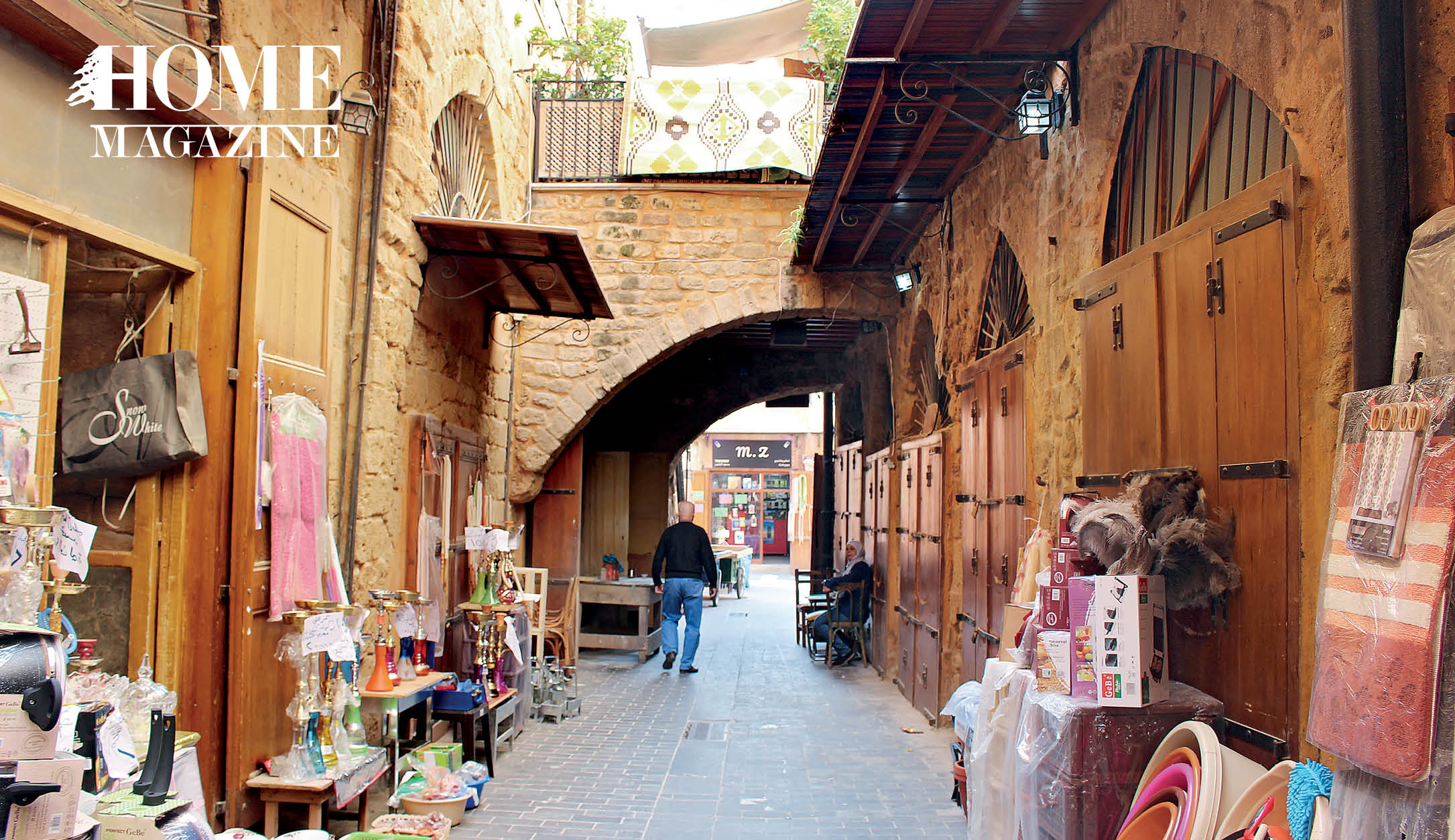
Traces of Lebanon’s history are widespread in the port city of Saida, with its medieval structures like St. Nicolas Cathedral, the Crusader Sea Castle, the Khan al-Franj courtyard and terrace, the old soap factory, Debbaneh Palace and the traditional Arabic souk.
Step back to the 18th century in the heart of Saida’s Old Town. Its cobbled roads once accommodated donkey-drawn carts. Today, hundreds of locals and tourists in search of colorful and exotic goods, souvenirs and a friendly atmosphere walk them, following scents that penetrate these streets, evoking memories and images of a carefree and simpler time. Aromas of dozens of restaurants, food stands and Arabic dessert shops galore waft through the air.
Allow them to captivate and guide you through the labyrinth-like alleyways. Roam the vaulted stalls and feel at HOME in the traditional marketplace. Follow me as I show you what Lebanon tastes like.
Coming around the first corner, delicious smells from Foul Abou al- Aaz lure you in. Middle Eastern foul mdammas is drenched with olive oil, sprinkled with freshly chopped parsley and served with soft pita bread, tomatoes and pickles of all varieties. It’s nearly impossible to resist ordering a communal bowl of this enticing breakfast to share with friends and family. The fava beans have a lovely, chewy consistency that pairs perfectly with the garlic, cumin and lemon juice used to season the dish. This small cafe also serves Lebanese staples such as hummus, mshawshe, fatteh and zaytun msabbah (spicy olives). Be sure to leave room, though, for there is much more to sample throughout the day!
Down another side road, the earthy colors of the Al-Malek wild honey stand are a pleasant sight amid its darker surroundings. The jars glisten with reddish-yellow and brownish-orange hues. Fresh from the hive, the honey releases a sweet, nourishing and therapeutic perfume that soothes the soul. A small spoon of this delectable, sticky substance slides slow and warm down our throats, creating a symphony of magical nectars with nutty, woody and floral undertones. Let’s move on.
Falafel Abou Rami is famous across Lebanon for its massive sandwiches and affordable prices. Moist, crumbly falafel balls are made from a deep-fried paste of chickpeas and fava beans with a mix of green and yellow onions, herbs and spices. The outer layer of the falafel ball is crisp and firm, but once you bite into it, a soft, grainy cacophony of cumin, coriander, garlic, parsley and red chili pepper explodes on your taste buds.
As the weight of the food we’ve consumed causes drowsiness and lethargy, a wandering coffee vendor happens upon us coincidentally. He clangs together small ceramic fenjen ahwe to attract attention from passersby. He smiles as he elegantly and expertly pours the pungent, dark brown drink from a special Arabic coffee pot called dallah into a plastic cup. Roasted coffee beans, ground with a hint of cardamom, make a rich beverage that awakens the senses and boosts our energy.
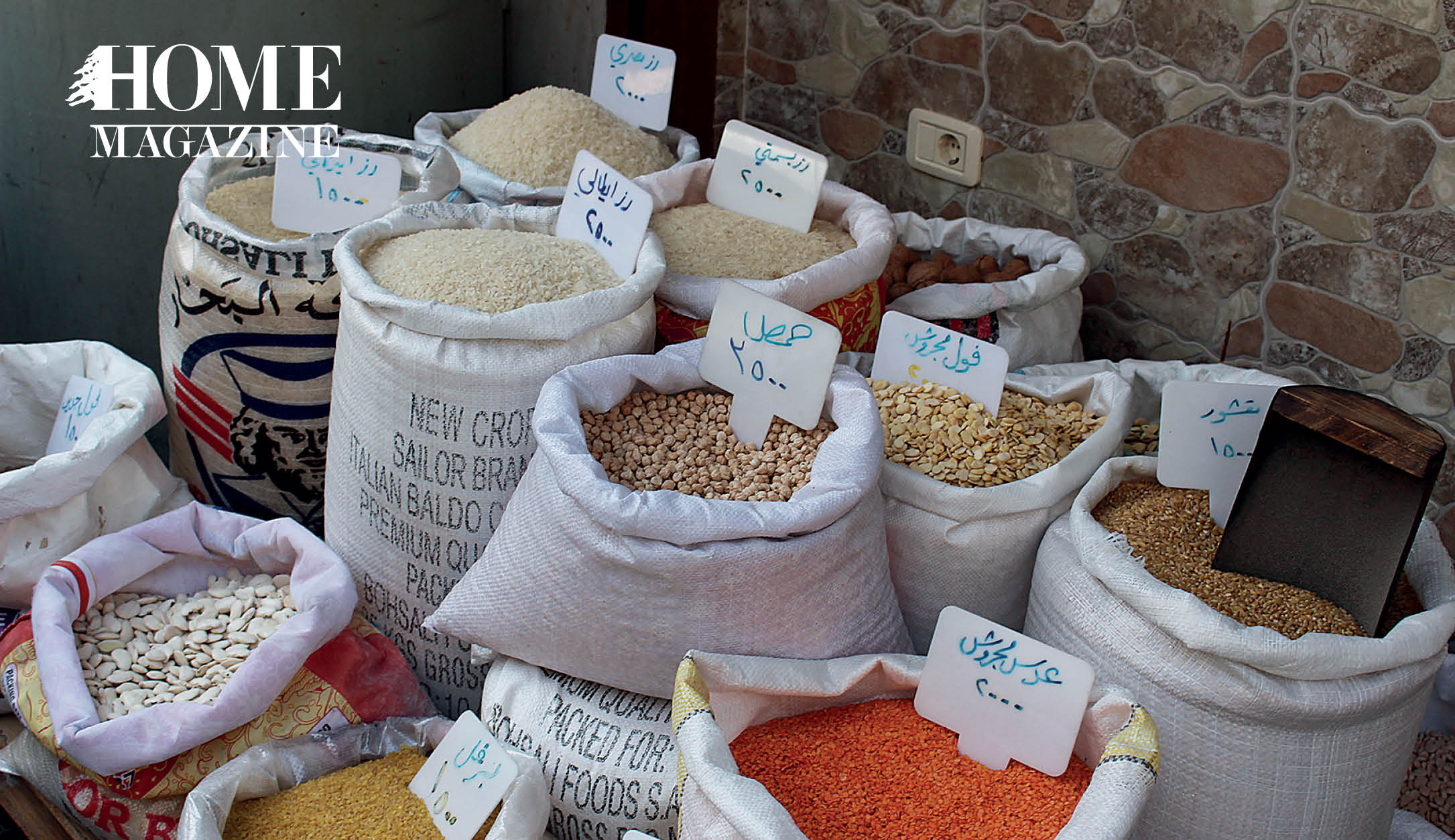
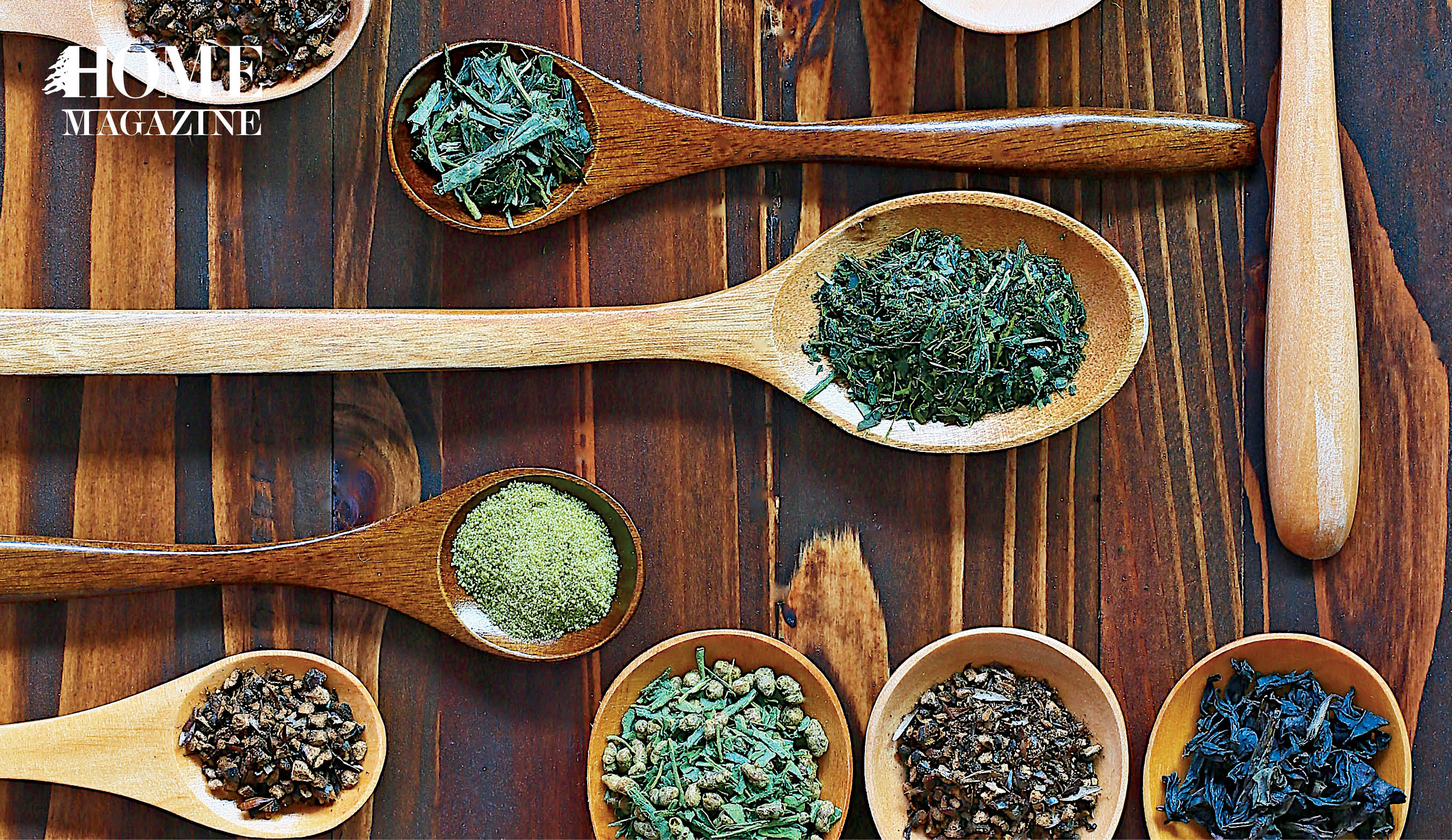
Assorted nuts, grains, rice, beans, dried okra, herbs, sour and tangy zaatar and flamboyant spices can be seen in various stalls, their Arabic-inscribed labels and prices per kilogram sticking out of the tops of the sacks. The old souks of Saida are an ideal location for local vegetable merchants to sell their produce and fishermen to sell fresh fish. Spring almonds, or loz, are piled high on a rolling wagon; when in season, the fuzzy outer layer of the green loz, picked and eaten straight from the tree, is a crunchy fruit to snack on wherever you are.
Across the way, two carts with steaming pots of boiled corn and foul beans sprinkled with cumin and mixed with salt and lemon wedges are spotted.
This is a traditional and healthy street food alternative to the hearty and lazy-inducing dish served in back-street restaurants. It’s served on rectangular white plastic plates and is accompanied with a miniature disposable fork so that people can enjoy every bite as they tour the rest of the souks.
The mouthwatering smell of freshly baked baguettes, crunchy kaak from a blue-painted cart, and crispy, yet fluffy man’ousha invites you to nibble Lebanon’s varying kinds of bread. Ice cold jallab is handy for those who need a quick, sweet refreshment.
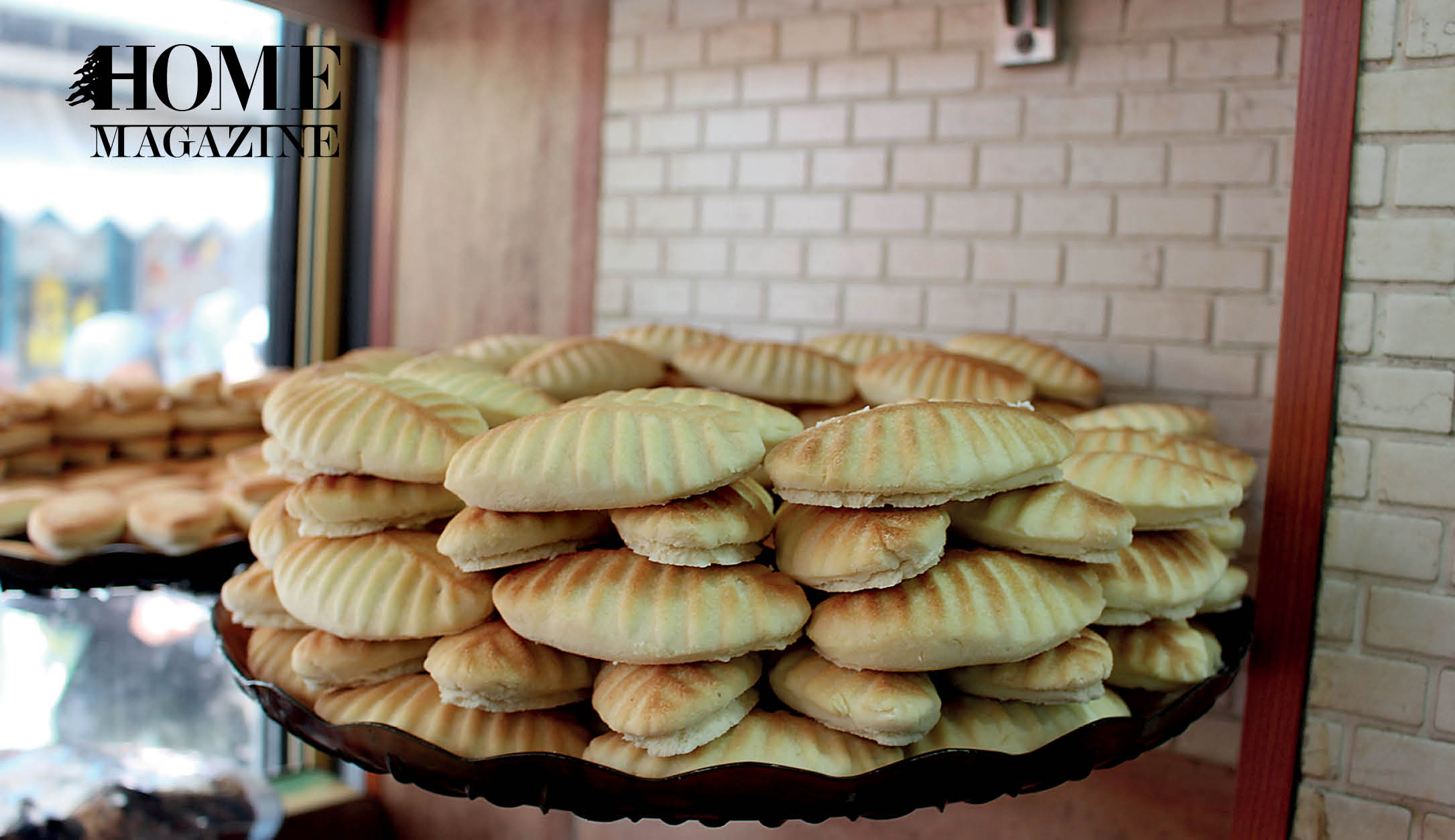
A day in the souks of Old Saida wouldn’t be complete without a taste of scrumptious Lebanese sweets. Coconut cookies are presented on a large tray to pedestrians. Gooey, warm knefe, sfouf, walnut and pistachio baklawa, and maamoul are displayed in neat rows in one of the sweetshops. The owners eagerly offer samples with a welcoming smile to customers.
Fruity Lebanese ice cream that stretches when you lick it from the cone is a mus-have; the flavors of mango, strawberry, chocolate, ashta, blackberry, lemon, and honeydew juxtapose in an inimitable combination of tangy and sugary.
Just as you’re about to head toward the exit, one last unexpected surprise awaits you. It’s a small shop so secluded, you almost miss it. Fresh gelatin and rose water, hot and bubbling, are being mixed, stirred and dusted with powdered sugar and cornflour – the makings of raha, or Turkish Delight. The little pink squares literally melt in your mouth.
Our tour of the Old Saida Souks is brought to a perfect conclusion. Our ancient heritage and soul has been preserved and kept alive on these cool, shaded streets.
HOMEland THEMES
Coming Soon
HOMEland Events & Collaborations
Coming Soon
 Signature Boutique