Photos by: Ruth Moucharafieh
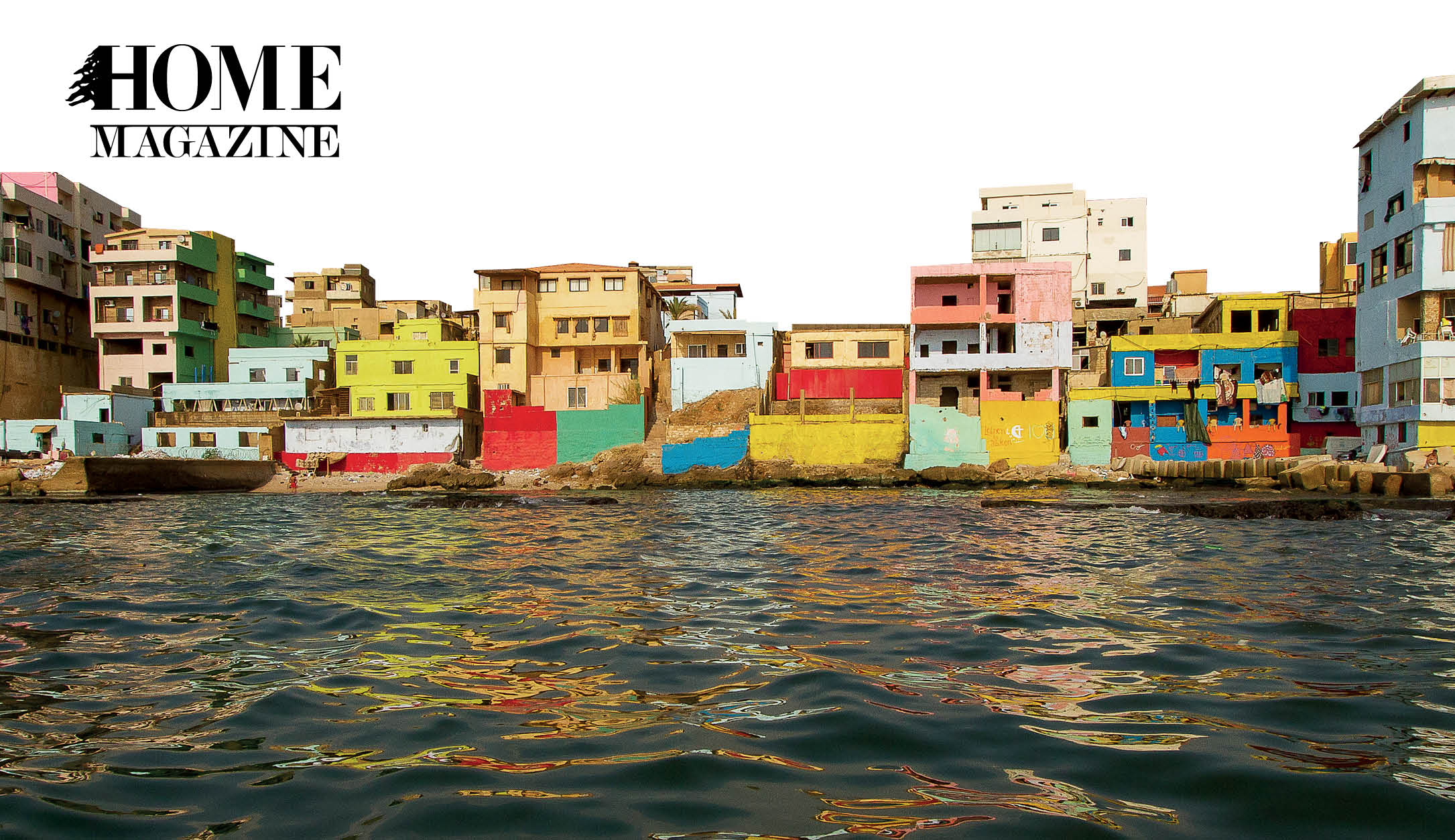
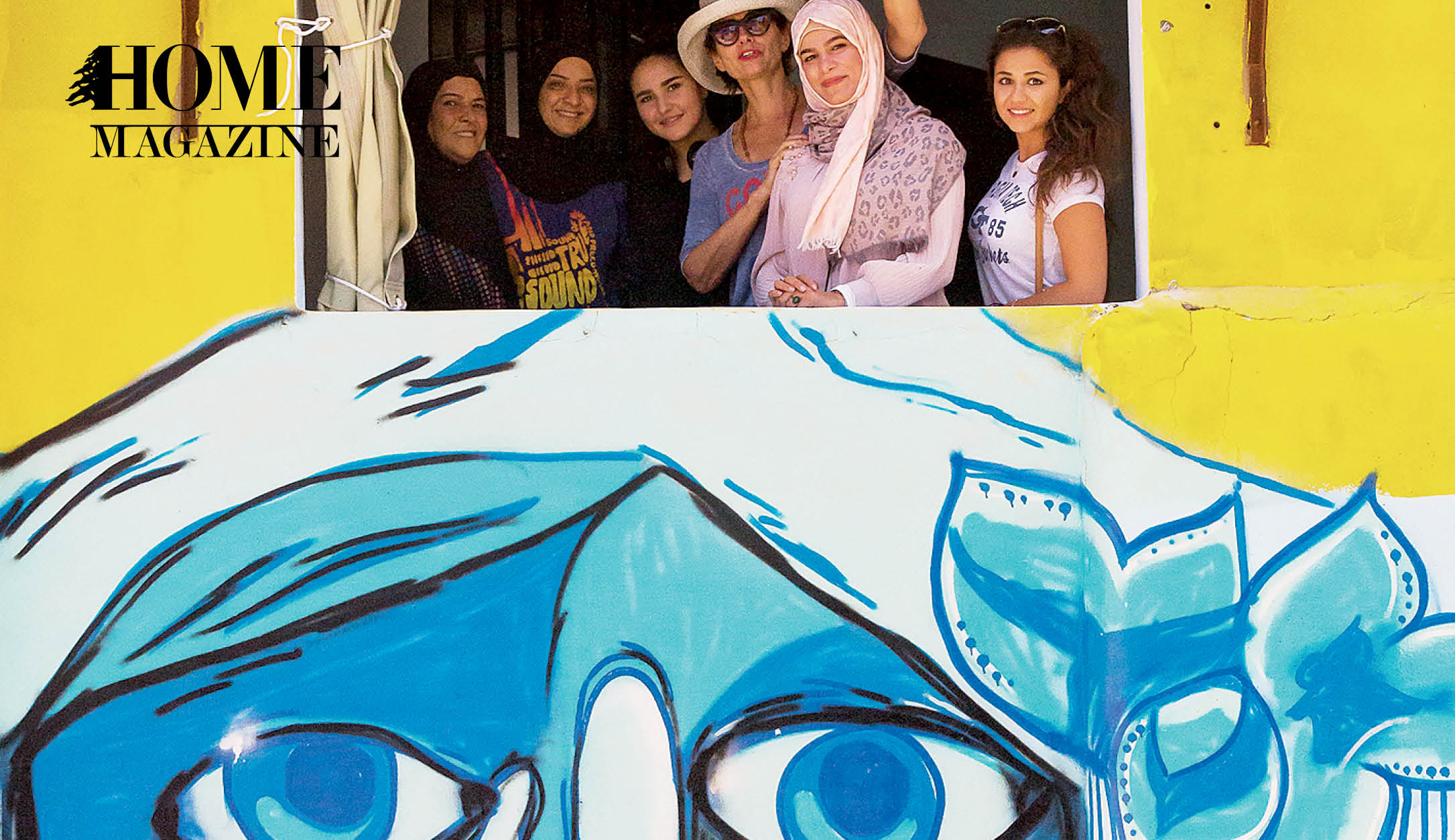
Flying into Beirut recently, I was surprised to discover Ouzai had turned into a hip display of colors. Just south of Beirut, Ouzai is the first glimpse Lebanon visitors see as their planes circle to land at Rafic Hariri International Airport. It has been a congested, run-down area since the Civil War, when it became a squatters-ville of displaced people.
The passenger next to me, seeing my bedazzlement, explained, “This has become Ouzville. A mad man decided to paint the whole neighborhood. And voilà! From Ouzai to Ouzville!”
As I headed HOME from the airport, one relentless question occupied my mind: Who is the man behind this brilliant initiative?

Welcome to Ouzville
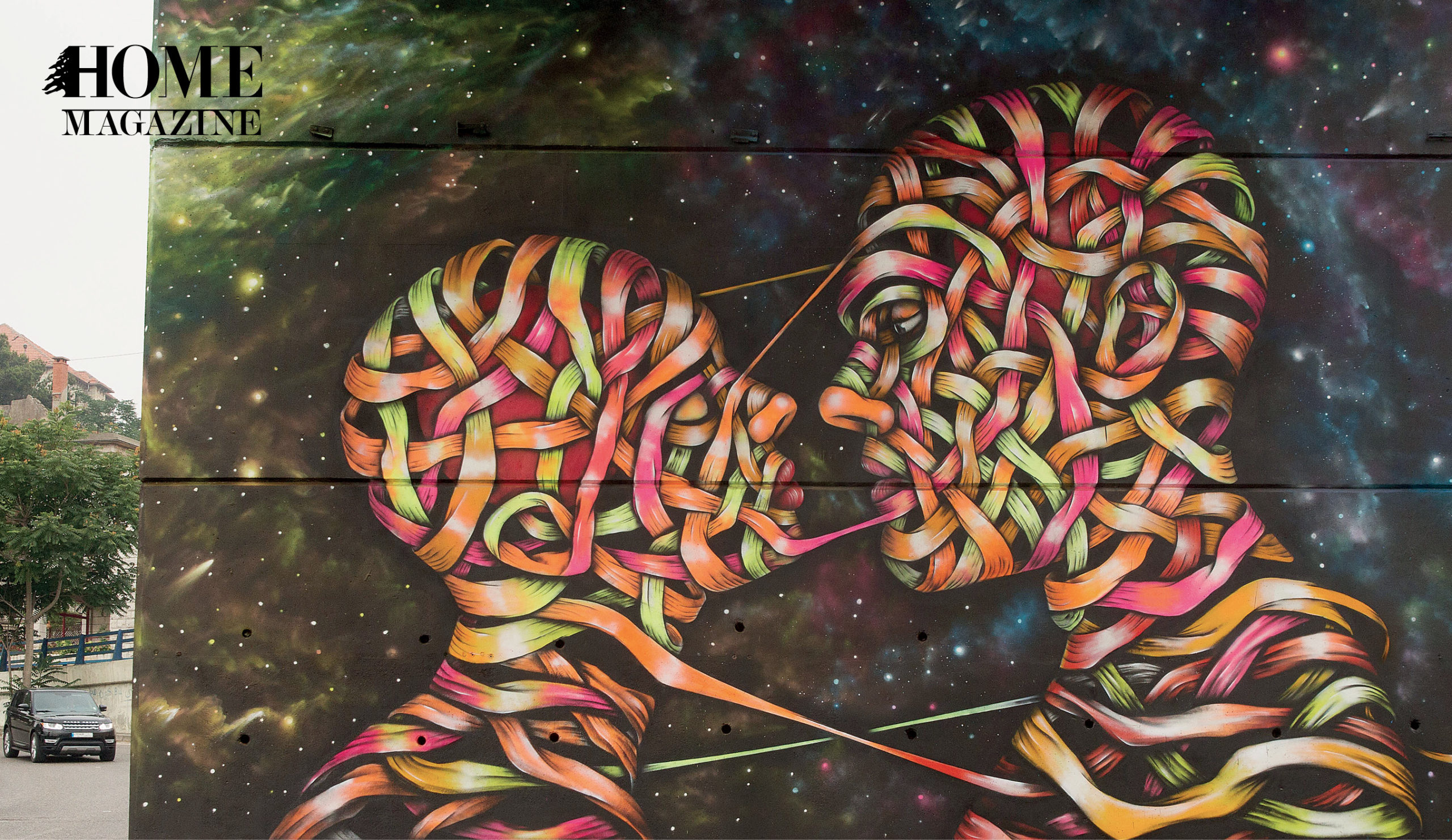
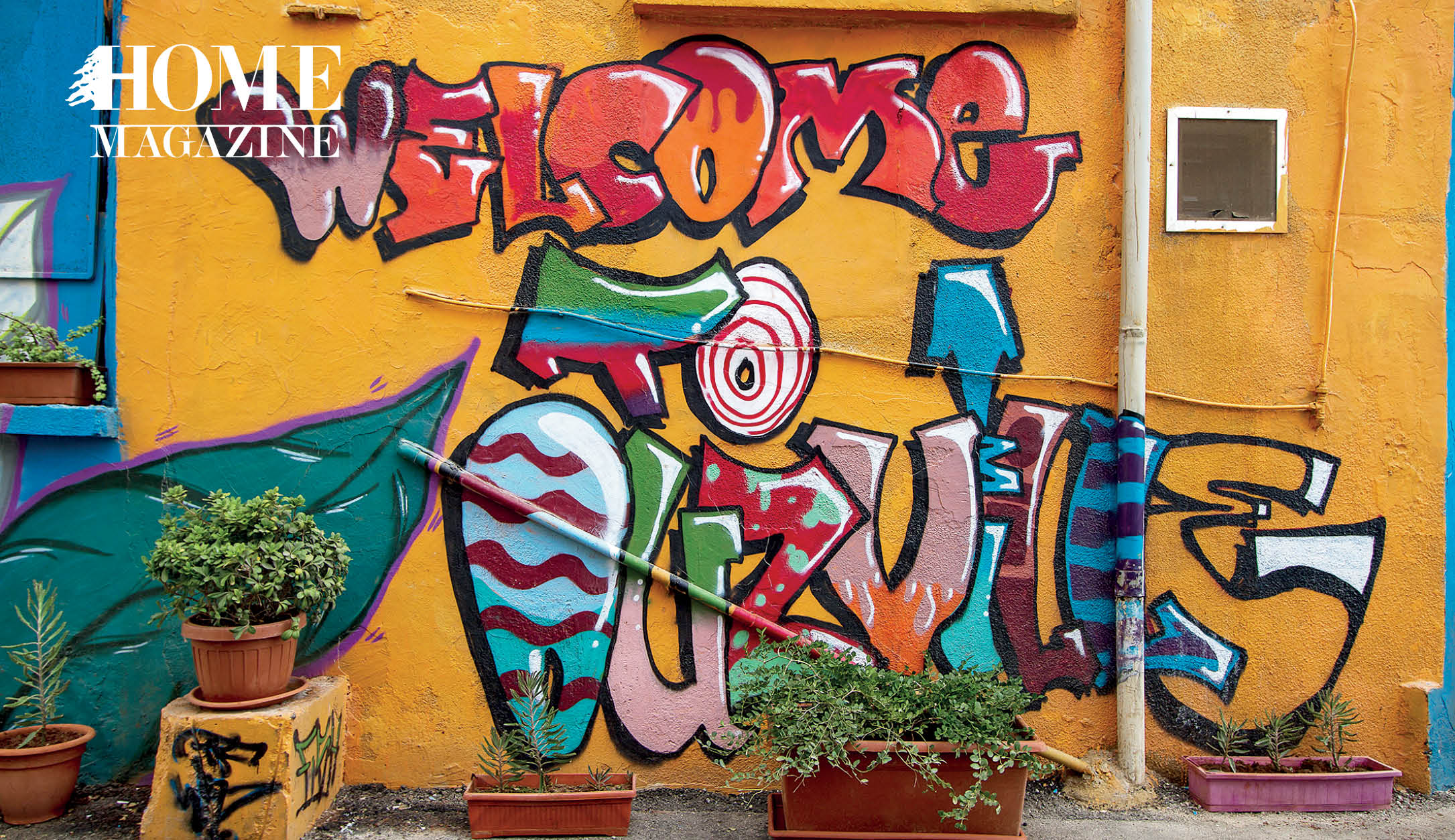
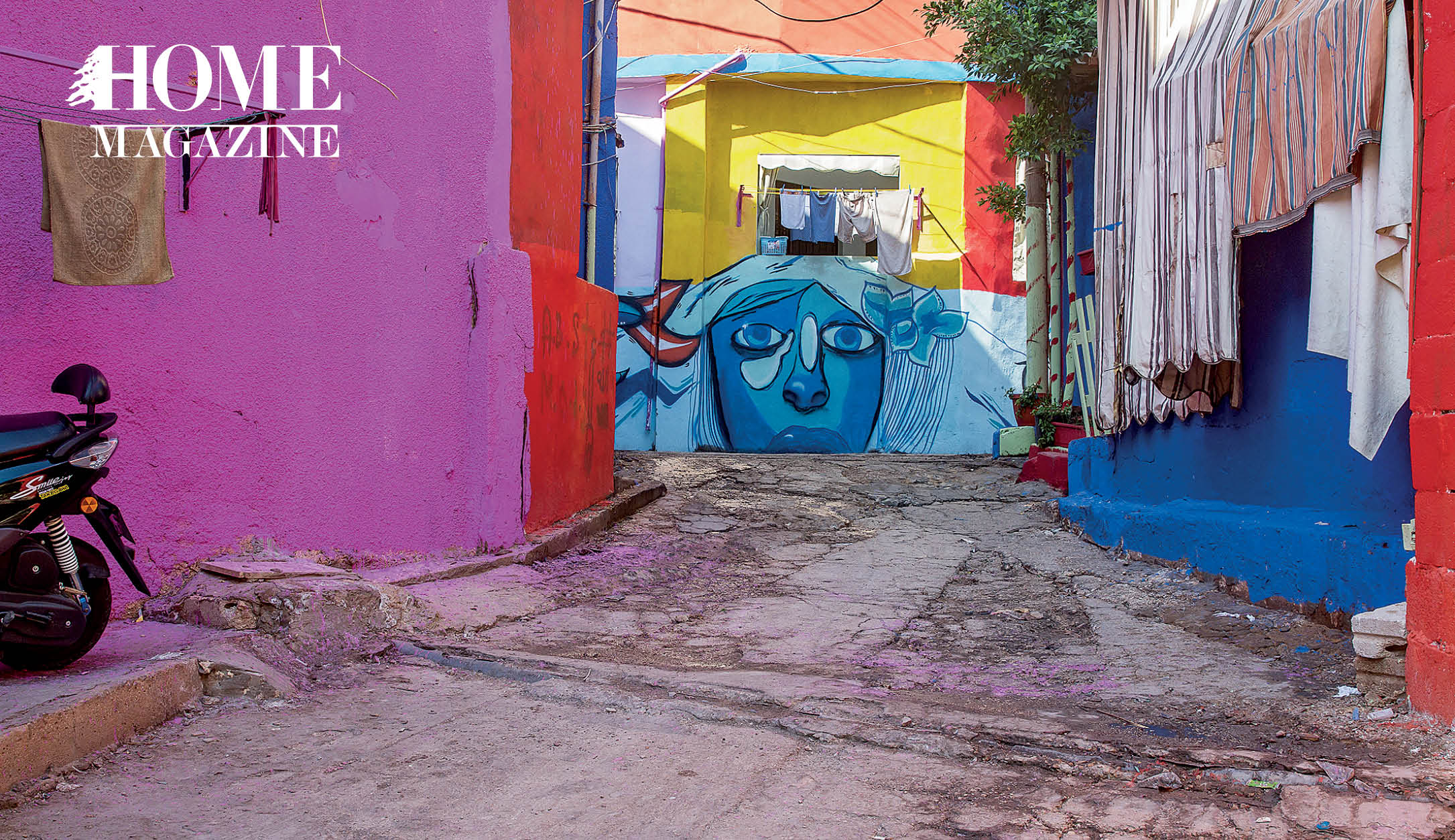
In its transformation from Ouzai to Ouzville, Beirut’s southern suburb has become a clean and colorful neighborhood with bright murals crafted by local and international artists.
How did this happen?
Ayad Nasser, an investor in Lebanon and abroad, feeling desperate for his country in front of the growing mountains of garbage that took over Lebanon in the summer of 2015, had the brilliant idea to fly in renowned street artists to create art on the piles of garbage slowly taking over Lebanon’s streets. By the time the artists arrived, the garbage was thankfully being cleared. So, Nasser looked for an area that would be open to urban art.
He thought of his childhood HOME – Ouzai.
Born in Ouzai, abandoned by his mother when he was only 5 years old, Nasser knew his share of hardship. Through difficult years of feeling alone and on his own, he realized he would have to work hard, he said.
He moved to France after finishing high school and found himself juggling several jobs to earn a living. He worked as a waiter, bartender and a model in ads. But it didn’t take him long to realize his passion.
While selling insurance policies to HOMEowners and hearing them complain about the uselessness of buying insurance for their low-market value houses, he decided to personally renovate the houses in an attempt to increase their property values. He liked taking run-down properties and making them beautiful.
Nasser returned to Lebanon in 1993 and bought a house in Baabda, improving all the green space surrounding it. In 1998, he traveled abroad again, but soon felt that Lebanon needed him and that he had a lot to give back to his country.
Once again, Nasser returned to Lebanon. This time he created Loft Investments, with his partner buying pieces of land in declining areas and working with international architects to revitalize them.
“But it wasn’t enough. The country needed so much more,” he explained. It didn’t take him long to figure out what he could do – give Ouzai some color. He’d bring artists to paint murals on building walls. Nasser contacted Victoria Latysheva, owner of curator 19.90, an international project that organizes exhibitions while also promoting artists and curators from around the world, to bring Urban Dawn 2, a group of artists, to Lebanon.
But these murals should be drawn on clean buildings in clean streets, Nasser thought. So, with a group of volunteers and staff, he started beautifying Ouzai, picking up trash from Ouzai’s streets one by one, then painting its buildings.
And this is how Ouzville was born.
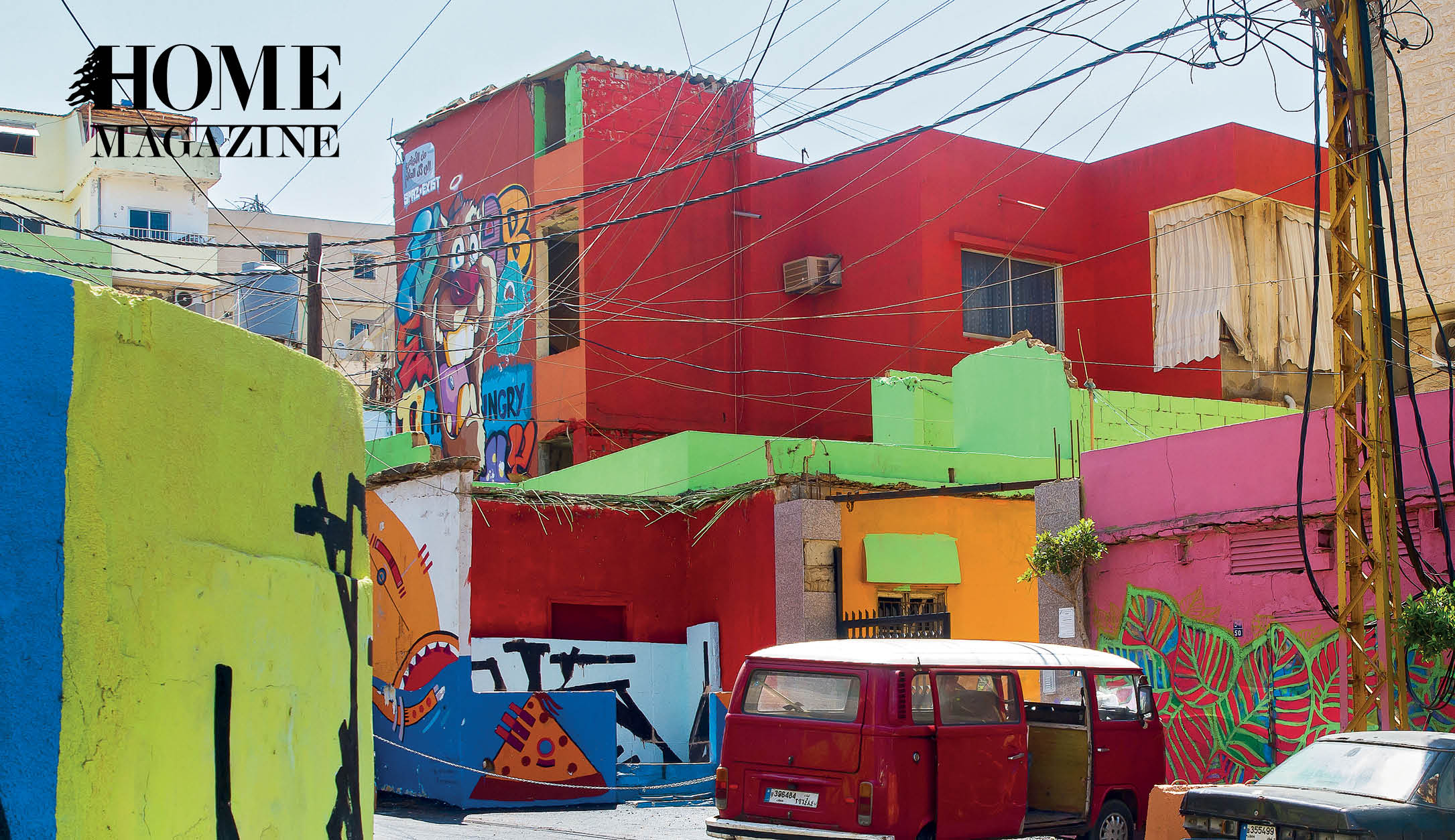
The transformation received international attention, including stories in The New York Times, Voice of America, the Financial Times, Le Parisian and others.
There has been some controversy around the project that dates back to the influx of refugees into the area during the Civil War. Many of the HOMEs are inhabited by people who do not own the properties they are on. Some say beautifying those properties encourages illegal settlements. Others complain that Nasser’s investment in painting buildings would have been better spent in infrastructure or supporting jobs.
But Nasser said it is a start.
What’s next?
The success of his Ouzville initiative prompted the philanthropist to start replicating his initiative in other areas such as Tariq el Jdideh, Tripoli, Saida and several other locations.
He has had opportunities to collaborate with municipalities that were encouraged to participate upon seeing the success of the Ouzville project.
To Nasser, this initiative is not merely about beautifying Lebanon; it’s about uniting its people, “to teach them that you cannot wait for the government to take care of your own country, that you should start yourself.”
“You shouldn’t complain,” Nasser said. “Start doing what you can to give back to a country that needs you. Be a doer, a giver and not merely a receiver.
If you want to see the change in this country, start fixing it, cleaning it, cleaning the beaches and the streets.
“This is how you save your country and this is how, in turn, you save the planet.”
Lebanon, in your inbox
HOMEland Magazine
We firmly believe that the internet should be available and accessible to anyone, and are committed to providing a website that is accessible to the widest possible audience, regardless of circumstance and ability.
To fulfill this, we aim to adhere as strictly as possible to the World Wide Web Consortium’s (W3C) Web Content Accessibility Guidelines 2.1 (WCAG 2.1) at the AA level. These guidelines explain how to make web content accessible to people with a wide array of disabilities. Complying with those guidelines helps us ensure that the website is accessible to all people: blind people, people with motor impairments, visual impairment, cognitive disabilities, and more.
This website utilizes various technologies that are meant to make it as accessible as possible at all times. We utilize an accessibility interface that allows persons with specific disabilities to adjust the website’s UI (user interface) and design it to their personal needs.
Additionally, the website utilizes an AI-based application that runs in the background and optimizes its accessibility level constantly. This application remediates the website’s HTML, adapts Its functionality and behavior for screen-readers used by the blind users, and for keyboard functions used by individuals with motor impairments.
If you’ve found a malfunction or have ideas for improvement, we’ll be happy to hear from you. You can reach out to the website’s operators by using the following email
Our website implements the ARIA attributes (Accessible Rich Internet Applications) technique, alongside various different behavioral changes, to ensure blind users visiting with screen-readers are able to read, comprehend, and enjoy the website’s functions. As soon as a user with a screen-reader enters your site, they immediately receive a prompt to enter the Screen-Reader Profile so they can browse and operate your site effectively. Here’s how our website covers some of the most important screen-reader requirements, alongside console screenshots of code examples:
Screen-reader optimization: we run a background process that learns the website’s components from top to bottom, to ensure ongoing compliance even when updating the website. In this process, we provide screen-readers with meaningful data using the ARIA set of attributes. For example, we provide accurate form labels; descriptions for actionable icons (social media icons, search icons, cart icons, etc.); validation guidance for form inputs; element roles such as buttons, menus, modal dialogues (popups), and others. Additionally, the background process scans all the website’s images and provides an accurate and meaningful image-object-recognition-based description as an ALT (alternate text) tag for images that are not described. It will also extract texts that are embedded within the image, using an OCR (optical character recognition) technology. To turn on screen-reader adjustments at any time, users need only to press the Alt+1 keyboard combination. Screen-reader users also get automatic announcements to turn the Screen-reader mode on as soon as they enter the website.
These adjustments are compatible with all popular screen readers, including JAWS and NVDA.
Keyboard navigation optimization: The background process also adjusts the website’s HTML, and adds various behaviors using JavaScript code to make the website operable by the keyboard. This includes the ability to navigate the website using the Tab and Shift+Tab keys, operate dropdowns with the arrow keys, close them with Esc, trigger buttons and links using the Enter key, navigate between radio and checkbox elements using the arrow keys, and fill them in with the Spacebar or Enter key.Additionally, keyboard users will find quick-navigation and content-skip menus, available at any time by clicking Alt+1, or as the first elements of the site while navigating with the keyboard. The background process also handles triggered popups by moving the keyboard focus towards them as soon as they appear, and not allow the focus drift outside it.
Users can also use shortcuts such as “M” (menus), “H” (headings), “F” (forms), “B” (buttons), and “G” (graphics) to jump to specific elements.
We aim to support the widest array of browsers and assistive technologies as possible, so our users can choose the best fitting tools for them, with as few limitations as possible. Therefore, we have worked very hard to be able to support all major systems that comprise over 95% of the user market share including Google Chrome, Mozilla Firefox, Apple Safari, Opera and Microsoft Edge, JAWS and NVDA (screen readers).
Despite our very best efforts to allow anybody to adjust the website to their needs. There may still be pages or sections that are not fully accessible, are in the process of becoming accessible, or are lacking an adequate technological solution to make them accessible. Still, we are continually improving our accessibility, adding, updating and improving its options and features, and developing and adopting new technologies. All this is meant to reach the optimal level of accessibility, following technological advancements. For any assistance, please reach out to