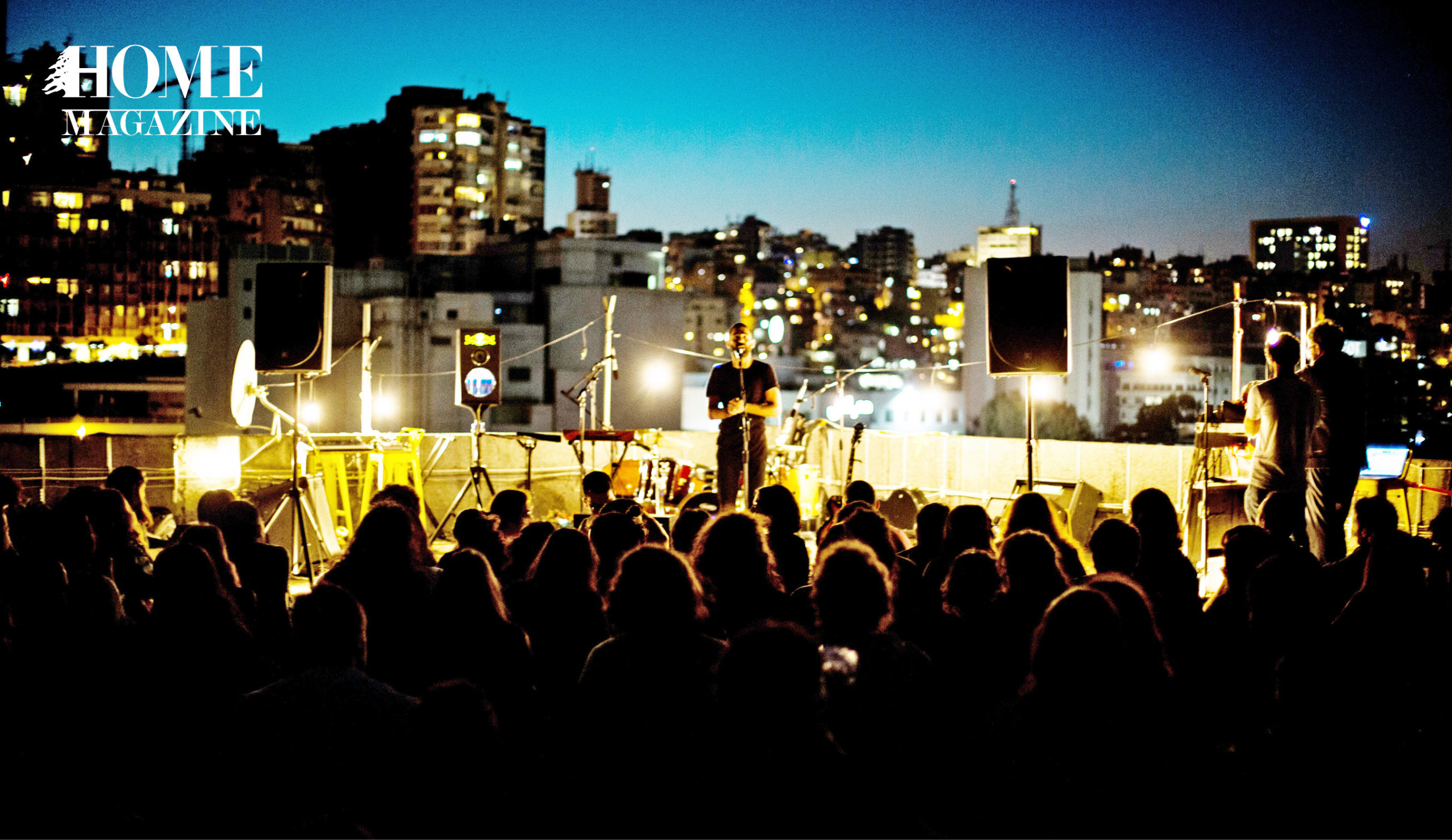
Sofar Sounds is a secret music initiative that is perfected down to the last detail, weaving a magical melodic night, from the intimacy factor to the listening experience.
In celebration of Sofar’s 10th anniversary, they held a show at Feel22’s building rooftop in Jisr el-Wati on May 12. The 22nd show overlooked Beirut by night while three artists played away. Safar’s romantic music slowly transitioned to GURUMIRAN’s (Miran Gurunian) storytelling melodies and ended with an exhilarating performance by Kinematik. Local musicians, take note of Sofar’s artist exchange: Our local city leader will contact another Sofar group to send artists from Beirut overseas. Providing this cross-cultural service is costly, which is why Maria Antoun, Sofar Sounds Beirut’s city leader, is constantly looking for investors to help take care of the expenses.
Founded on the premise of enjoying live music in the most unlikely of places, Sofar Sounds began simple, with Rafe Offer, the cofounder and executive chair, inviting his friends to his London apartment for a private musical show.
Quickly becoming a tradition since 2009, many other shows of the like started to sprout all over, ultimately spreading onto 435 cities around the world. In Lebanon, the concept of hosting public concerts in private living spaces is foreign. Introducing such a humble hush-hush initiative is an attempt to reshape the scene and encourage others to tune into an alternative mode of appreciating music.
Lebanon has long celebrated music, often with drinks and mezza. The noisiness of people mingling and talking often overpowers the live performance; the singer’s voice fades into the background. Sofar Sounds provides a counterbalance by giving Beirut an authentic experience where audience members watch the performances, quietly and enraptured. From alternative rock to rap, the three acts perform in an up-close and personal fashion. “Bands practice for weeks to perform and we honor their hard work through being attentive and listening,” says Antoun. Antoun was a middle school English teacher who chose to branch out into the music industry, dedicating her time and energy to reaching people on both artistic and emotional levels.
Where the search for music matters and the mystery factor is controversial, Sofar Sounds is no underground project. Those interested must apply through their website and then wait to be selected. A random computer-generated system sifts through hundreds of applicants per month to make its pick.
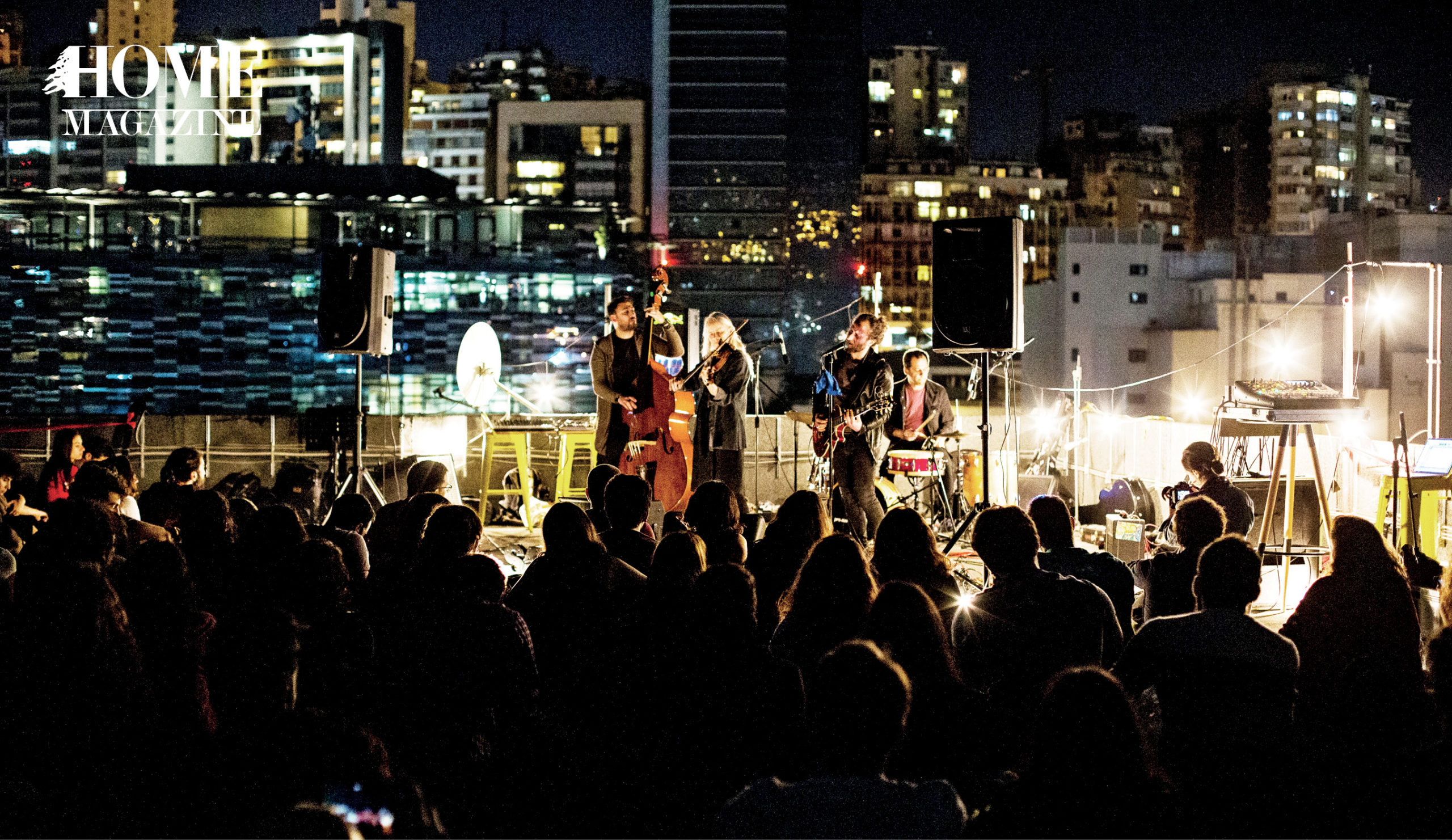
In an interview, Antoun revealed that 50 guests attended the very first show in 2016, which was held at artist and photographer Ayla Hibri’s apartment in Zoukak el-Blat. The size of the crowd was perfect to evoke intimacy and create a mellow atmosphere. Three years later, the crowd had swelled to around 200 to 300 music enthusiasts per show, creating a community.
Only the date is immediately revealed to the audience. The location is made public a day before the concert and the performing acts are revealed at the show. Why the secrecy? Sofar wants people to come for the listening experience and for the sheer love of music, rather than to support a specific band. “Having no idea who’s playing is an incentive to go. There are some people that attend for the exclusivity of it, and some that are hungry for the experience or passionate about the music. So, it balances itself out and combines people of different mindsets,” says Antoun.
Fadi Tabbal, Sofar Sounds’ sound engineer, says “It’s weird to talk about intimacy when you have such a large number of people attending. It somehow detached itself from the outside scene of Sofar.” The concerts have a cozy feeling to them that Antoun, and many other city leaders make an effort to maintain. A difficulty would be finding spaces that would hone intimacy. “I think lighting is very important because it plays a role too,” Antoun confessed.
Tabbal delved into the technicalities of his work for each show. Although the sound system is first level, it employs multi-track recording. This means that each instrument is recorded separately instead of a stereo recording during the live show. The mixing is professional although the sound team needs to work with what they have. “For example, you would have a band of six and with the placing of two monitors on stage; the gear is limited,” says Tabbal. “Another challenge would be asking the artists to keep in mind that their gig is about 20 minutes long and not two hours. Within that time span, quick sound check and transition needs to happen.” He hopes that Sofar Sounds’ technical abilities can improve through sponsorship, and he credits the hard work that the team puts into every detail for each show’s success.
Sofar is completely volunteer-based, carried forward by a team full of passion. “They stay from noon till almost midnight doing the heavy lifting and trying to perfect the sound,” testifies Antoun. Fadi Tabbal and the TuneFork Recording studios handle acoustics while Joy Moughanni from GIZZMO takes care of videography.
As a musician and producer, Tabbal appreciates Sofar’s contribution to the longevity of the music scene. He says, “We’re here to link the small bridges on this huge timeline of music.” Tabbal remarks that the music scene is constantly regenerating and self-sustaining. Antoun finds that this is an act of service to the city and a way to push forward emerging Lebanese artists and bands. “With every new location and band, it’s an introduction of what Lebanon is to the outside world. There’s so much to see,” Antoun says.
For more info:
www.sofarsounds.com
https://www.facebook.com/SofarSoundsBeirut/
https://www.instagram.com/sofarsoundsbeirut/
HOMEland THEMES
Coming Soon
HOMEland Events & Collaborations
Coming Soon
 Signature Boutique