The Giving Trees of AUBotanic
Explore the AUB Botanical Garden, an ancillary green space at the American University of Beirut protecting Lebanon's trees, plants, and biodiversity.

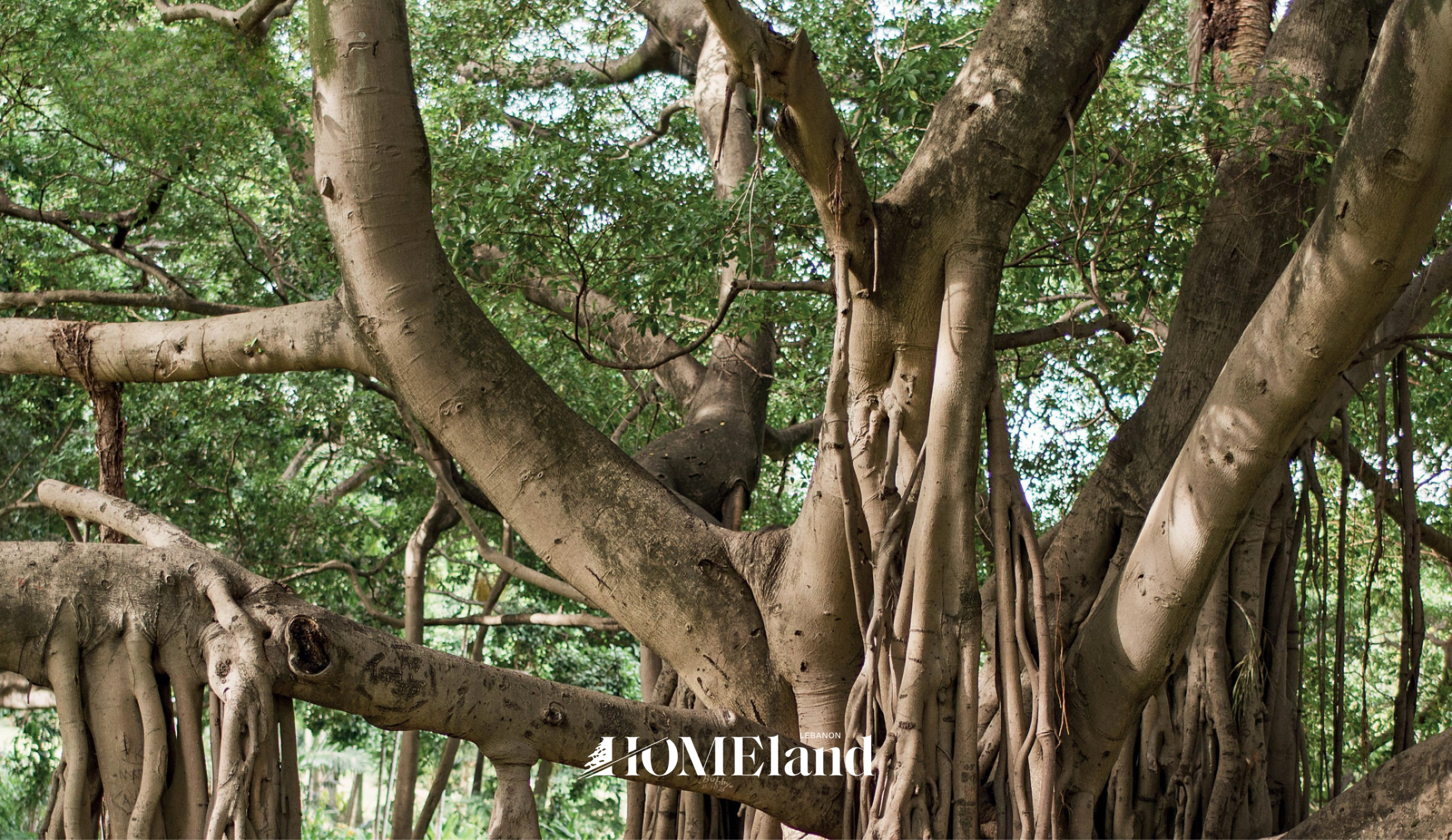
Walking through the gates of the American University of Beirut (AUB) is like a breath of fresh air — literally. The temperature seems to drop slightly, the breeze kisses your cheek in gentle bliss, and the refreshing scent and feeling of peace only nature can evoke lifts your mood to new heights. Birds sing the tunes of their HOMEland and insects flit from leaf to leaf, executing their pollination duties. Tree branches sway in the enclosure of the campus. A haven for numerous flora and fauna in their most basic and natural forms, AUB is an established and certified botanical garden — one of the first of its kind in Lebanon, but hopefully, not the last.
For years, the university endeavored to transform itself into a botanical garden for the purpose of researching the medicinal properties of plants. When Salma Talhouk, Ph.D., professor in the Department of Landscape Design and Ecosystem Management spearheaded the AUB Botanical Garden this dream began to come to fruition. AUBotanic was made official in the Spring of 2016. Due to the deteriorating landscape on campus, the lack of fresh water conservation, and the decline of unique plant species, Talhouk aimed to showcase AUB’s environmental resilience, preserve its biodiversity, and move toward more sustainable methods of conservation.
AUBotanic is an ancillary botanical garden — a concept pioneered by Talhouk in 2014. Simply put, these gardens are meant to increase the overall well-being of the community through green spaces. For AUB, its primary purpose is to provide an academic and educational environment, while its secondary function is to be a botanical garden. Students, faculty, and visitors to the campus are invited to learn about trees, plants, flowers, insects, and nature’s many essential properties in an informal setting, thereby increasing their connection with nature. However, an ancillary botanical garden could apply to any space or community that has significant greenery on its grounds and could potentially help us connect more readily with nature, such as a hotel resort or archaeological ruins.
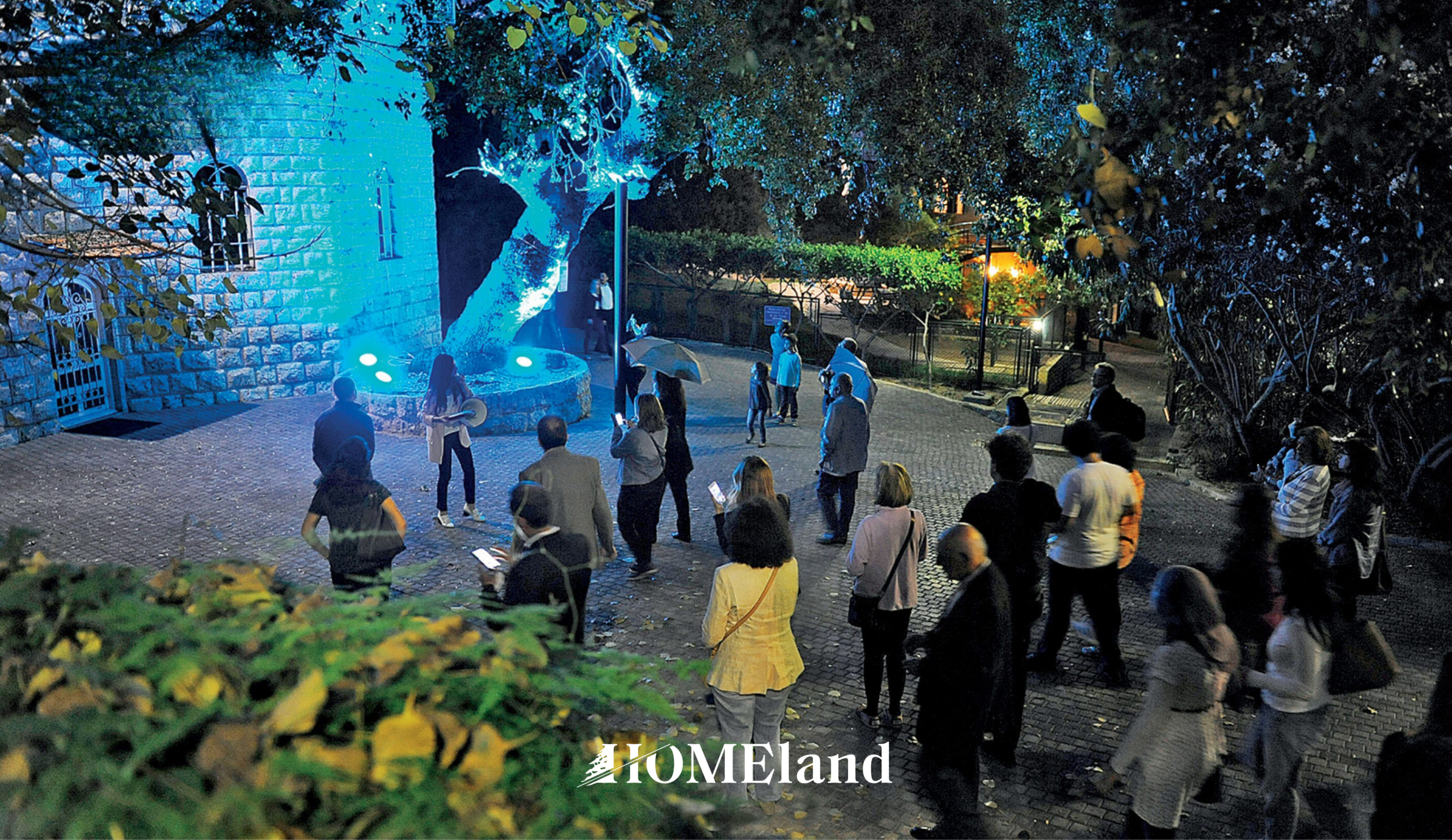 Photo by Maya Melhem
AUBotanic hopes that the term, ancillary botanical garden, will be officially approved by the Botanical Garden Conservation International by the end of 2019. Efforts to introduce the title of ancillary botanical gardens would open vast opportunities for existing gardens in Lebanon and abroad to be turned into something more substantial.
“Rather than plant new trees, why not take care of existing ones?”
“We would be able to officially encourage different landscape sites like archaeological sites, schools, churches, and religious sites to join this initiative,” says Monika Fabian, instructor of landscape horticulture. “Rather than plant new trees, why not take care of existing ones? We have trees that are hundreds of years old! The point is to hold onto the greenery, protect it, and manage it properly.”
Of course, not any spit of land can be classified a botanical garden — there are specific regulations and criteria to be fulfilled. First, there must be a considerable amount of plant and/or tree species occupying the garden. AUB had 165 different species — enough to meet Botanical Garden Conservation International standards. They have now expanded to over 200 established specimens. Secondly, there must be a seed bank on site to collect seeds and exchange with other botanical gardens. The third condition is that a herbarium for classifying and listing dried plants must be available. Lastly, all plants must be individually labeled. Fabian told HOME Magazine, “Out of these four conditions, we checked all but one, and we promised to label all our trees.”
AUBotanic created a regional plant database that electronically matches up each botanical label around campus through a scanning system. “Doors opened to participate in conferences, and we started connecting with other gardens … It’s a perfect platform for all the botanical gardens to share and learn from each other,” says Fabian.
Botanical gardens are a new idea in Lebanon. Children from local schools visit the garden for tours, workshops, and activities related to plants, biodiversity, and plant ecosystems.Fabian hosts these tours. The moment when children begin to show curiosity and to learn brings her immense joy. “I can see a change take place within the hour; they look around and relate to their surroundings differently than when they first came in,” she adds. “This is the most rewarding part of the job.”
Management of the ancillary botanical garden is very complex, as AUBotanic coordinator Ranim Abi Ali explains, “Lebanon is gradually becoming an arid desert.” This will eventually take a toll on AUB — one of the very few green spots in Beirut.
“Everyone takes for granted the greenery on campus, but our practices have changed in the past 50 years,” says Abi Ali. “If we don’t change our ways, this system is going to collapse. This is why it’s important to establish AUBotanic. We’re starting very small, but we’re going to get bigger.”
“The university lies on an important migration route. Participants watched a video whereby they experienced migration from a bird’s eye view.”
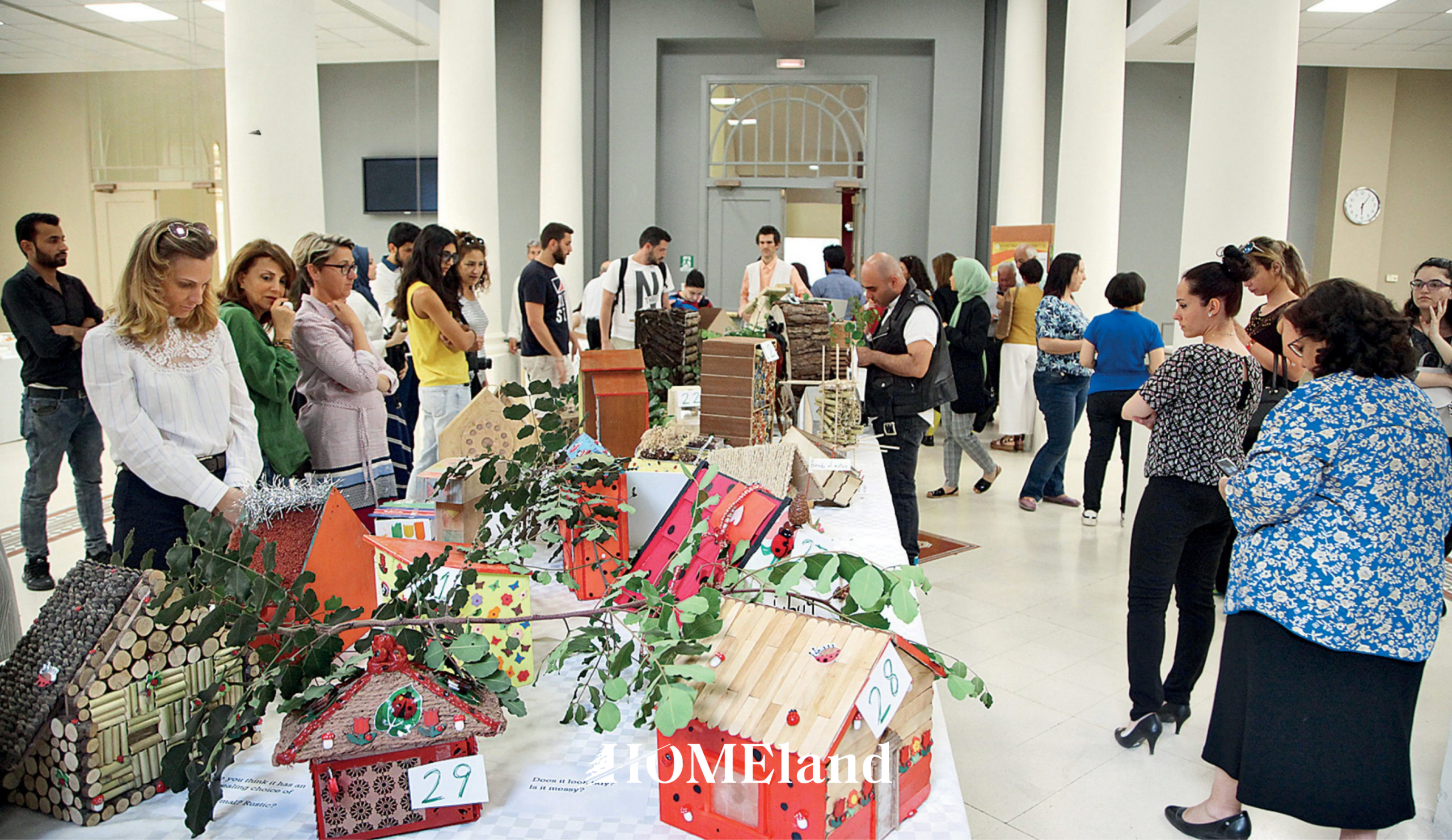
Last year, AUBotanic held an event that highlighted the campus as a bird sanctuary. A little known fact: The university lies on an important migration route. Participants watched a video whereby they experienced migration from a bird’s eye view, traveling from South Africa through AUB before continuing on their journey. In 2019, they held a Ladybug Hotel Competition, which fell under the umbrella of paying homage to insects and the important roles they play in nature. Contrary to popular belief, they are not all pests.
“The vast majority of insects, around 99.5 percent, are actually beneficial for plants,” Abi Ali explains. “There were about 29 bug hotels, mostly made of wood and recyclable material. We want to use these bug hotels on campus to monitor the insect population so that we can know which bug hotel actually works so that we can use it.”
What would AUB be without its trees, without its greenery, without the small but significant lives that thrive because of them? Where would we be without this urban forest, this refuge for natural life amidst the vibrancy of Beirut? Thanks to AUBotanic, we need not fret. The dedicated committee will continue on its mission and as Abi Ali puts it, “I want to give back to AUB what it gave me.”
To learn more about AUBotanic’s events and programs, please visit https://www.aub.edu.lb/botanicgarden/Pages/default.aspx

 Signature Boutique