A young girl sits in a booth at a Volunteer Opportunities Fair teaching other children how to make artificial flowers.
A woman provides skilled support to a professional association.
An orchestra and chorus perform at a fundraiser for a non-profit organization.
Three things make these scenarios remarkable:
1) The incidents happened in Lebanon.
2) The people involved were all volunteers.
3) They all have significant disabilities.
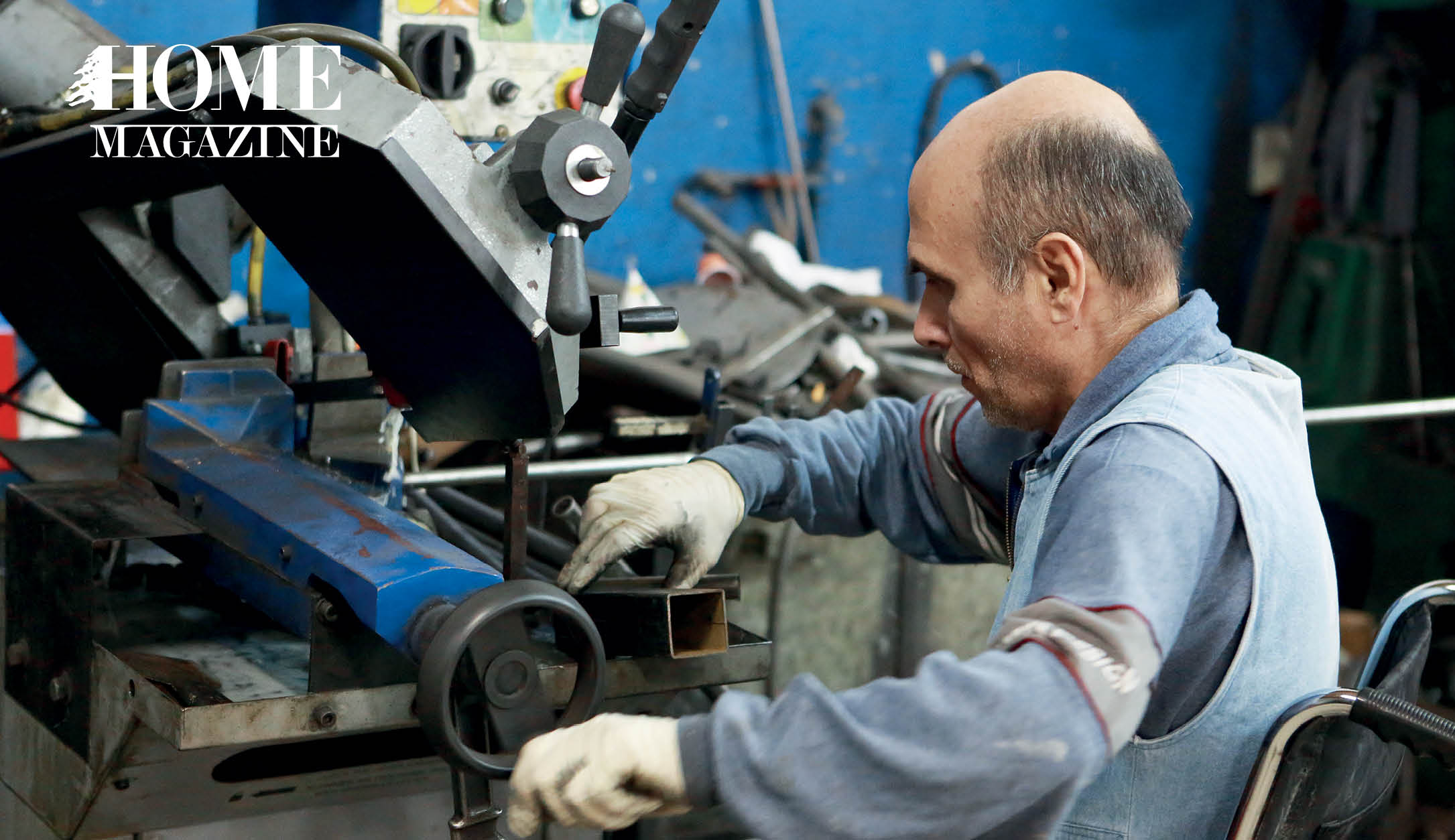
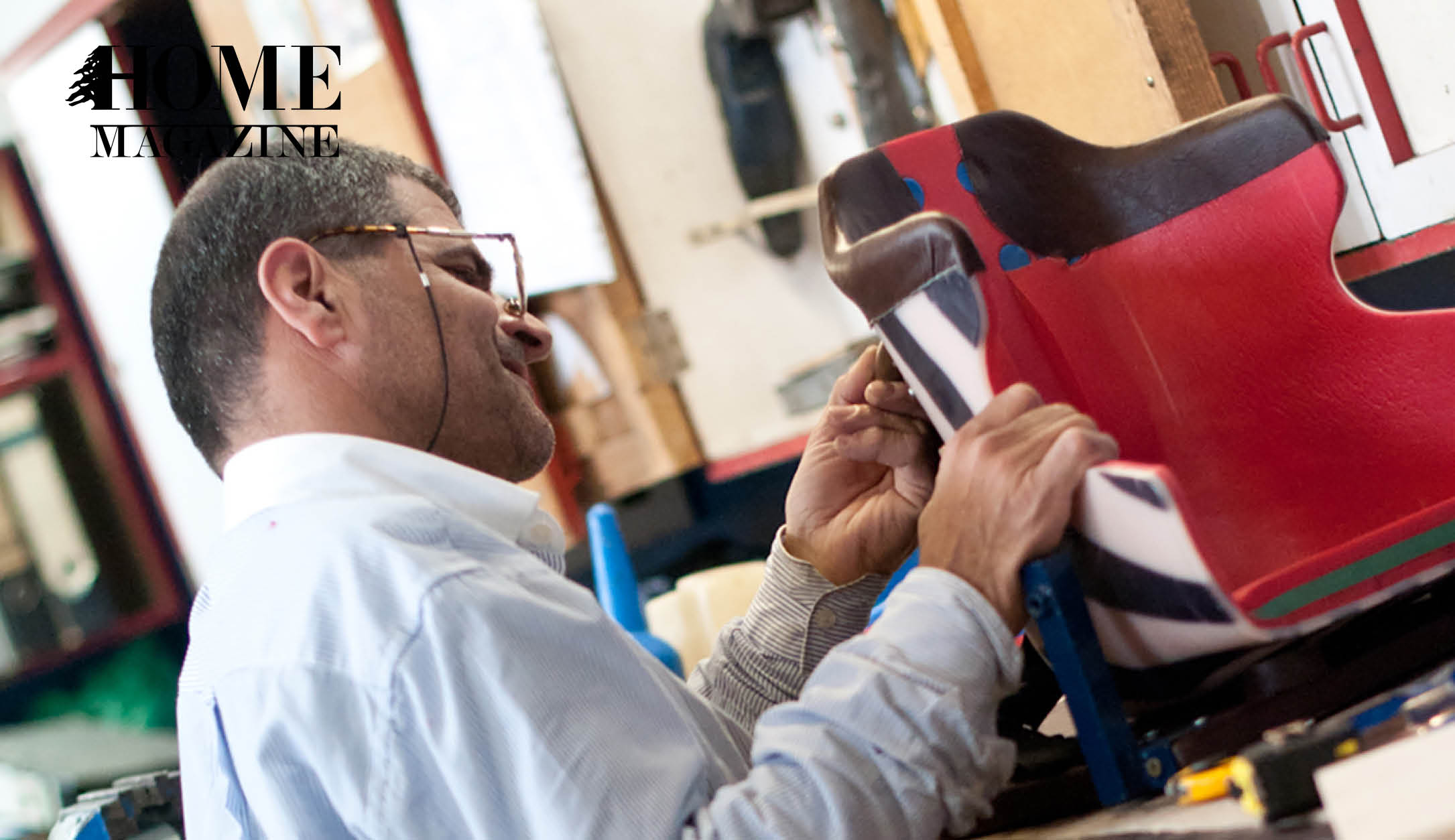
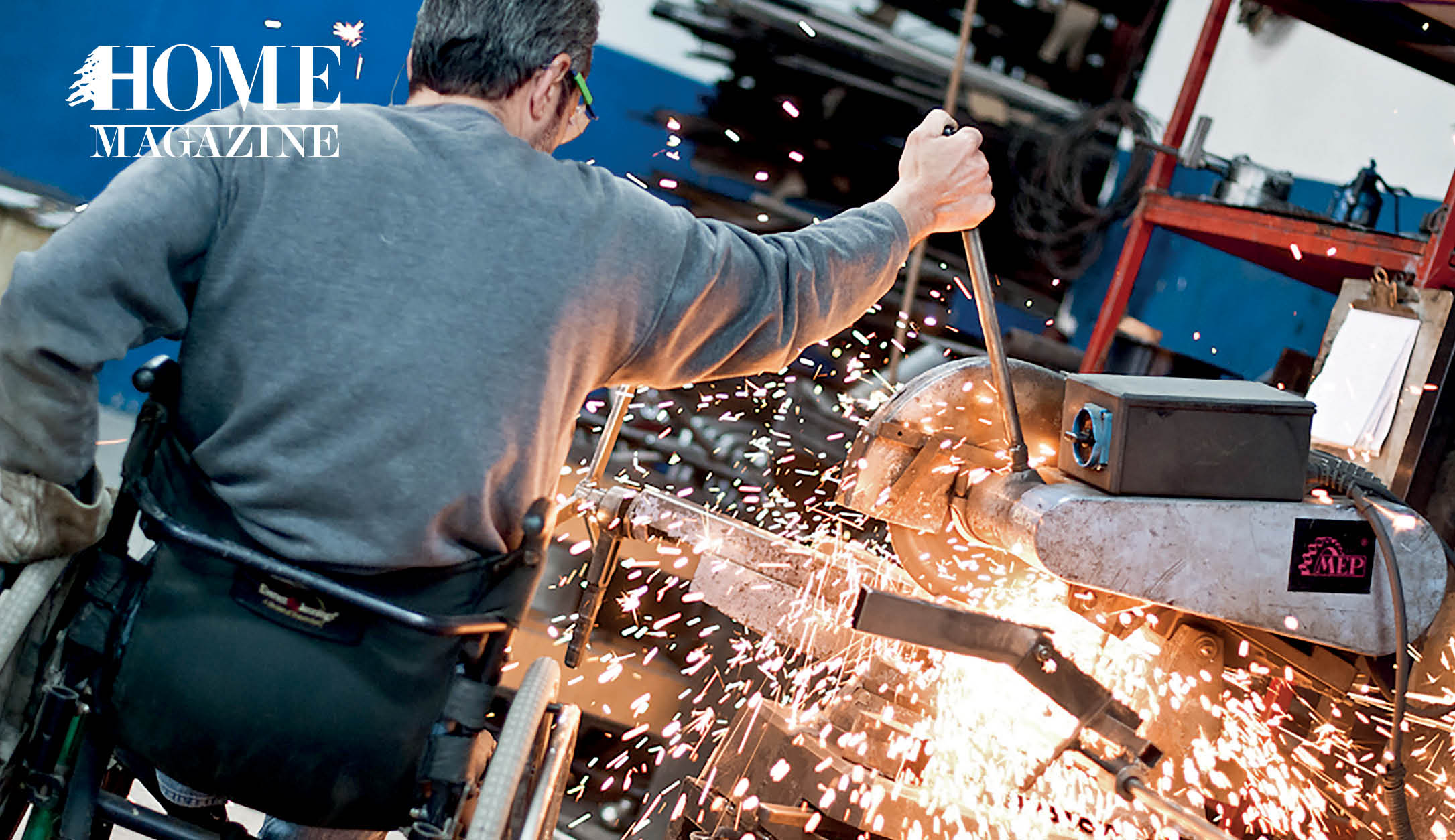
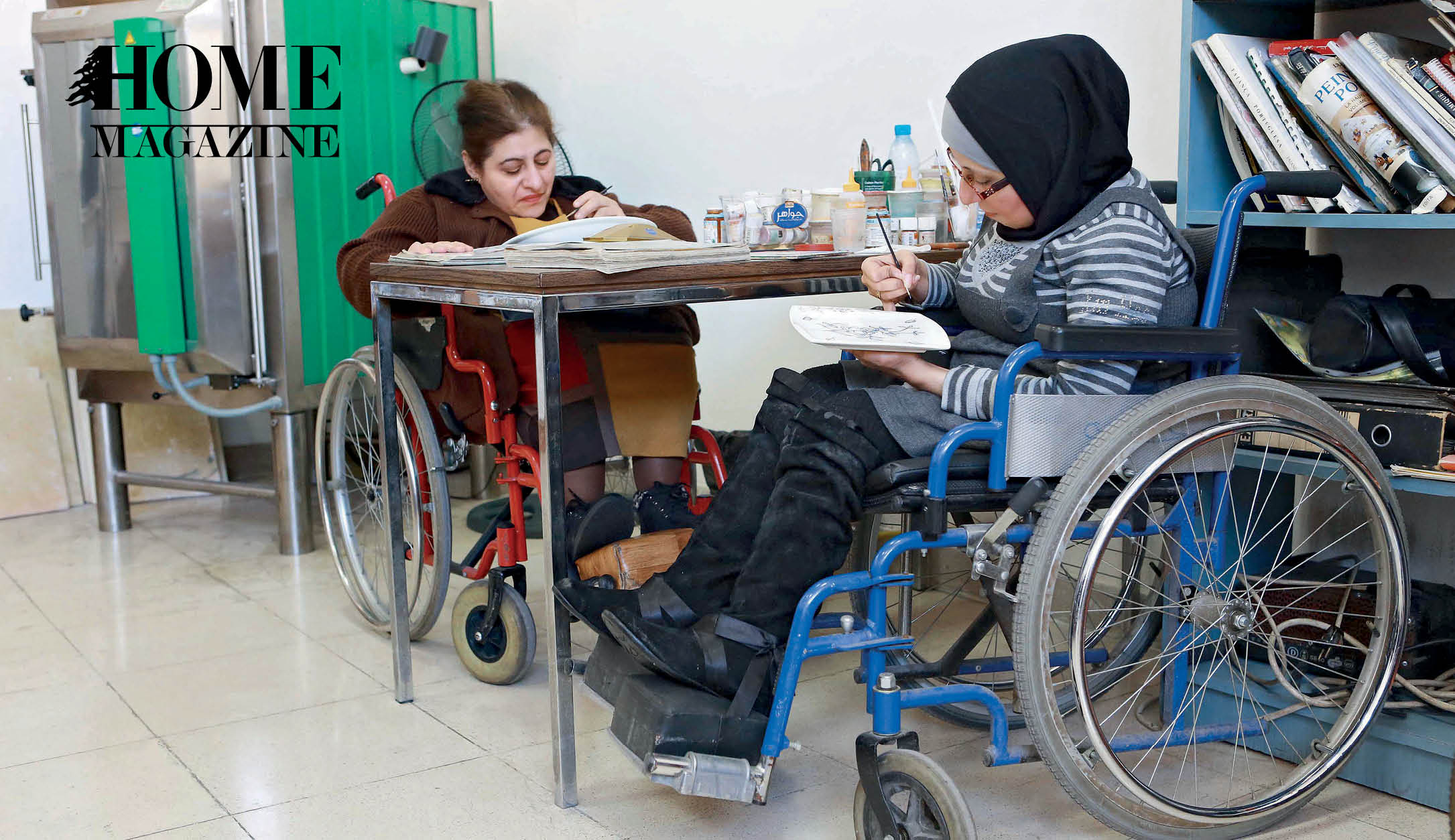
The girl has Down’s syndrome; the woman is in a wheelchair; and the orchestra and chorus members are all visually impaired.
While there are other examples in Lebanon of the volunteering of those with disabilities, relatively few people with disabilities volunteer and very few organizations even consider recruiting or placing people with disabilities as volunteers.
Four truths about disabilities When we speak of people with disabilities, we tend to see the matter in terms of “we” and “they” based on whether we have disabilities or we don’t.
But I suggest that we frame the issue differently. With that in mind, I suggest four relevant truths:
Truth 1: We all have disabilities.
Truth 2: All disabilities are situational.
Truth 3: We all have abilities.
Truth 4: All abilities are situational.
To illustrate these truths, when I speak about volunteering to people with disabilities in Lebanon, I note to them that my own limitations in speaking Arabic constitute a more relevant disability in that situation than the disabilities of the visually impaired and wheelchair users listening to me.
The key is to focus on a person’s abilities, and create situations in which those abilities can be nurtured and used, while assuring that the disabilities do not place insurmountable barriers in the way.
In fact, it is worth considering whether it is the disability that is the problem or the barriers that can’t be surmounted. Ramps, elevators, larger print, clear signage, multiple languages, and wider walkways can all provide an environment that serves a broader range of people and situations.
Our interest here is not a legal one. In 2000, Lebanon enacted Law 220 on the Rights of Persons with Disabilities, which guarantees people with disabilities the right to employment, education and social integration. It did not mention volunteering.
Organizations and service institutions, however, should not need a law to motivate them to add to their objectives the empowerment of persons with disabilities through volunteering. Whatever the cause, a diversity of people with disabilities can help them achieve it.
People with a wide range of mental and physical disabilities can clean beaches or paint murals. Those with disabilities are likely to have more empathy when they visit the elderly, disabled, orphans and the sick. And many people have special talents that are not limited by their disabilities – blind people who serve as interpreters, deaf people who organize events or write proposals, and people with mobility constraints who can do a whole range of tasks as virtual volunteers through their computers and smart phones.
What constitutes a disability?
Disabilities are the physical, mental, developmental and psychological conditions that cause a limitation of function in comparison to most other people.
They include:
• Learning difficulties, such as weakness in certain academic skills, like reading or math
• Blindness or visual impairment
• Deafness or hearing impairment
• Mobility impairment
• Intellectual impairment (having a low I.Q.)
• Cognitive impairment (conditions such as Down syndrome, traumatic brain injury, dementia, attention deficit disorder and other conditions)
• Chronic physical and psychological conditions
Some of these are visible, while others are invisible and may not be revealed to volunteer-enabling organizations. For each of these, there is diversity in the causes, the types of impairment and the range of severity. And a person may have more than one of these disabilities. In some cases, the impairment remains the same over time, while for others there is gradual improvement or degeneration. All of these factors contribute to the fact that each person’s spectrum of disabilities is unique – just as each person’s spectrum of abilities is unique, and should be considered in relation to the volunteer opportunities available and the accommodations needed.
Why should those with disabilities volunteer? Why would they want to? Volunteering can provide many benefits to the volunteer.
To name a few, a volunteer can:
• Develop and practice new professional skills
• Develop and practice career readiness skills like punctuality, listening and teamwork
• Expand contacts and social networks
• Explore different career paths
• Meet new friends
• Increase self-confidence and self-satisfaction
• Feel needed and appreciated
• Gain work experience
• Establish a record of achievement
• Experience general improvement in health, well-being and happiness
For a person with disabilities who may feel inadequate and marginalized, these benefits of volunteering can be of particular importance, whether to improve the quality of their lives or to serve as a bridge to meaningful employment.
In the United States, recognition of the special value of volunteering to those with disabilities led to the creation of the National Service Inclusion Project. Similarly, in England, the Disability Action Alliance issued the Volunteer Charter in order “to increase the number, value and accessibility of opportunities for disabled people to volunteer their time, skills and experience.”
Each person’s spectrum of disabilities is unique – just as each person’s spectrum of abilities is unique.
Benefits to volunteer enabling NGOs and service institutions
There are important benefits to the volunteer-enabling organization that should encourage them to proactively recruit people with disabilities:
• It increases their pool of volunteers.
• Those with disabilities have experience in problem solving out of necessity.
• They generally empathize with beneficiaries who have disabilities due to their own experiences.
• Their presence in organizations can break down barriers due to false perceptions or stereotypes, provide motivation, and help staff and other volunteers learn how to work with people with disabilities.
Many people with disabilities initially volunteer for organizations that have served them in order to give back to those associations and to help those who face similar problems to their own. They can expand their horizons, however, and possibly have a greater impact on society by moving into volunteer opportunities for other social causes.
Benefits to society
Expanding volunteer opportunities for those with disabilities not only helps organizations and disabled volunteers, it also provides special benefits to society as a whole. It can help those who work with them as well as the beneficiaries of their efforts to learn how to interact with people who have different human limitations. They can learn how full a life can be with a disability. And they can feel more assured that they and their loved ones will be accepted and accommodated if they are disabled in the future.
Highlighting a few examples in Lebanon
The Lebanese School for the Blind and Deaf is committed to teaching its students they should not only receive help, but should also contribute to others. From age 10 through 17, the visually and hearing impaired children participate in service activities in prisons and institutions for the elderly and orphans. They clean beaches. And their chorus and orchestra (with participants from age 6 to 40) perform for these institutions as well as doing fundraising concerts for organizations like the Red Cross.
Three students of the Lebanese School for the Blind and Deaf returned to South Lebanon and established the South Lebanese Society for the Blind (SLSB) in Nabatieh, which supports visually impaired persons across the south of Lebanon. The leaders of SLSB are and have always been visually impaired volunteers who have spent almost 22 years in continuous volunteering, enjoying helping others in similar situations.
Another model for enabling those with disabilities, both as paid staff and volunteers, is the NGO arcenciel. As its website notes, 51 percent of the more than 500 volunteers at arcenciel are living with disabilities or other difficulties. In addition, there are some amazing individuals who contribute to Lebanese society as both professionals and volunteers, who have one disability or another.
It is hoped that through this article more people with disabilities in Lebanon and abroad will seek to volunteer and more organizations will provide volunteer opportunities for them. We encourage them to tell both Volunteer for Lebanon and HOME Magazine their stories so that they can inspire others in the future.
Additional Resources:
Inclusive Volunteering: For People with Disabilities: https://www.thearc.org/inclusive-volunteering/forpeople-with-disabilities
Job Accommodations Network: https://askjan.org/
U.K. Disability Action Alliance: http://disabilityactionalliance.org.uk/projects-3/volunteering/volunteer-charter/
Pathway to Employment for Youth with Disabilities: https://www.nationalservice.gov/about/pathway-toemployment
Volunteering Matters: Disabled People: https://volunteeringmatters.org.uk/pillars/disabled-people/
Supported Volunteering for Adults with Disabilities: https://knowhownonprofit.org/case-studies/supportedvolunteering-for-adults-with-disabilities
E-Book: Volunteering by People with Disabilities: A Route to Opportunity By Filiz Niyazi: https://www.energizeinc.com/store/volunteering_people_disabilities
HOMEland THEMES
Coming Soon
HOMEland Events & Collaborations
Coming Soon
 Signature Boutique