Holy Spirit University of Kaslik’s library preserves and displays Lebanon’s past in a modern, casual atmosphere.
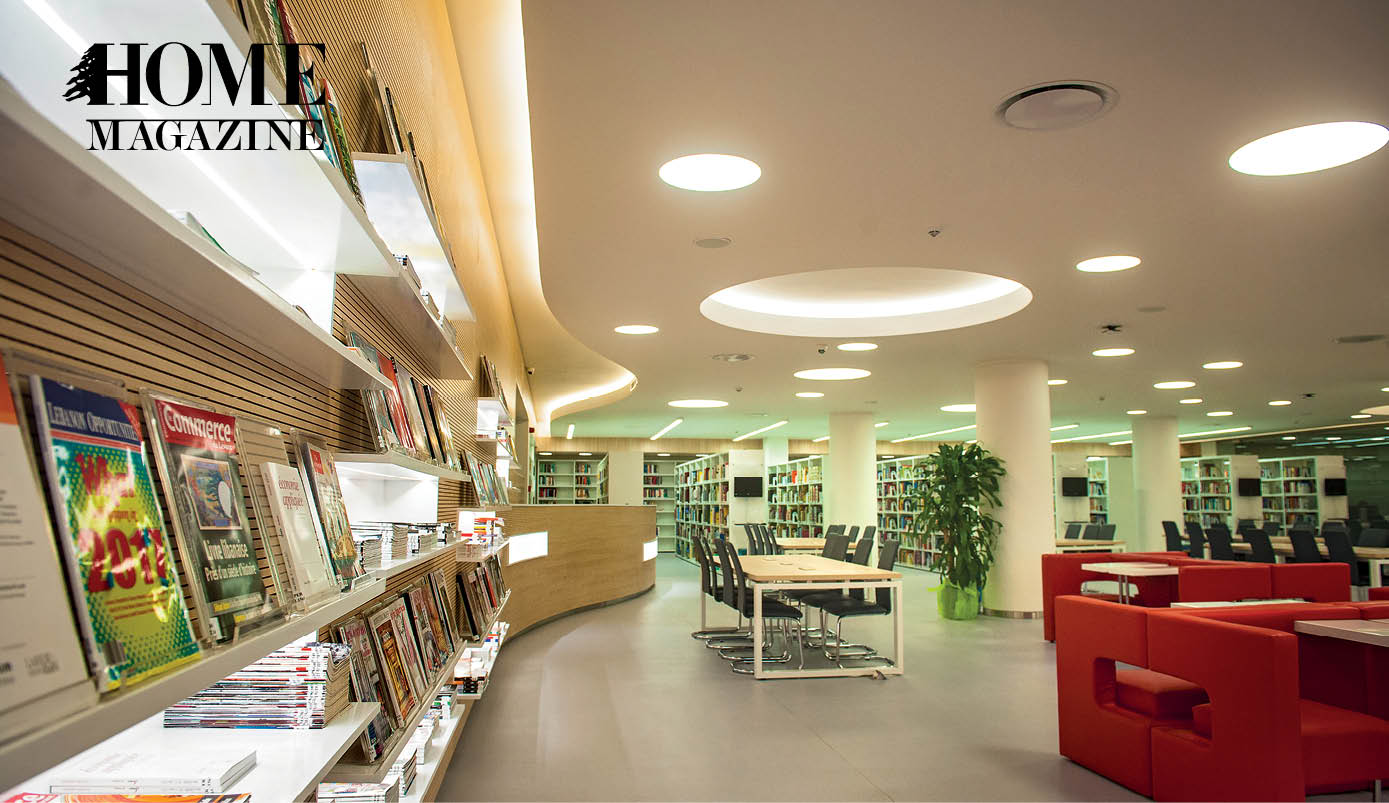
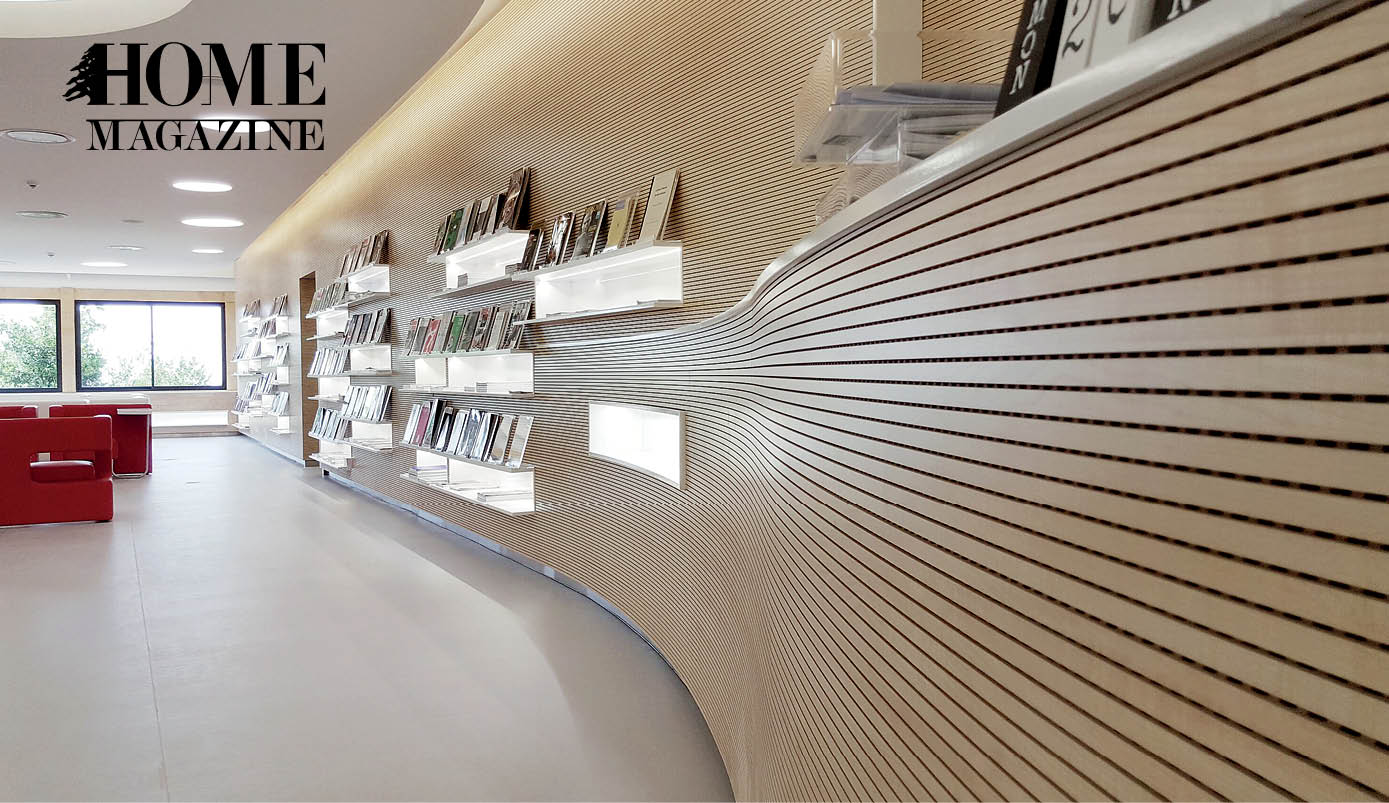
In the reading room of the library at the Holy Spirit University of Kaslik, a private Catholic university more commonly known as USEK, the feel of a stern “Silence, please!” atmosphere is absent. Instead, you’ll find a white-walled, well-lit space with comfy red chairs that might best be described as a “coffee-less coffee shop.” At 12 p.m. on a Wednesday, a constant low-level hum filled the room as students talked quietly while they studied.
They are encouraged to think of the library as more than a place to find resources for essays and to cram for exams, said its executive director, Randa Al Chidiac. It is also “to relax … to take it easy.” In spite of its modern style, an eye to the past is also apparent on the walls, as well as in its Digital Development Center and Conservation and Restoration Center, both of which were established in 2003.
“Here, conservationists in white lab coats work slowly and painstakingly to preserve damaged books, many of them centuries old.”
On the one hand, USEK is on a mission to change the traditional perception of a library from a stuffy, silent place to a space where university students, researchers and, indeed, members of the outside community can join through a guest membership to study and explore resources. On the other hand, USEK library has a passion for the past. In collaboration with the university’s Phoenix Center for Lebanese Studies, the library “has a special mission in preserving the heritage of Lebanon,” Chidiac said.
As Fr. Joseph Moukarzel, director of the USEK library, puts it, the mission is to “exist beyond time. By preserving the archives of our heritage, we immortalize the history of our ancestors and culture.”
To enter the main room of the library, students pass a display from the library’s rare book collection, including a reproduction of what is believed to be the first printed book in the Orient — a 1610 edition of “Psalter of David, Prophet and King,” which was printed in Syriac and Garshuni in the monastery of St. Anthony of Qozhaya. The original, which Chidiac calls “the treasure of USEK,” is safely stored away.
The area also features a signature wall showcasing the signatures of significant figures whose archives USEK holds. The artist, poet and writer Gibran Khalil Gibran’s signature is a highlight.
In USEK’s state-of-the-art digitization center, a team works with specialized cameras and other equipment to preserve digital copies of precious works. Among them are those of poet and writer Elias Abou Chabké; Youssef Bey Karam, who led a rebellion in the 1860s against the Ottoman Empire rule in Mount Lebanon; and the Sursock family, an aristocratic Christian family that has been living in Lebanon since the early 1700s.
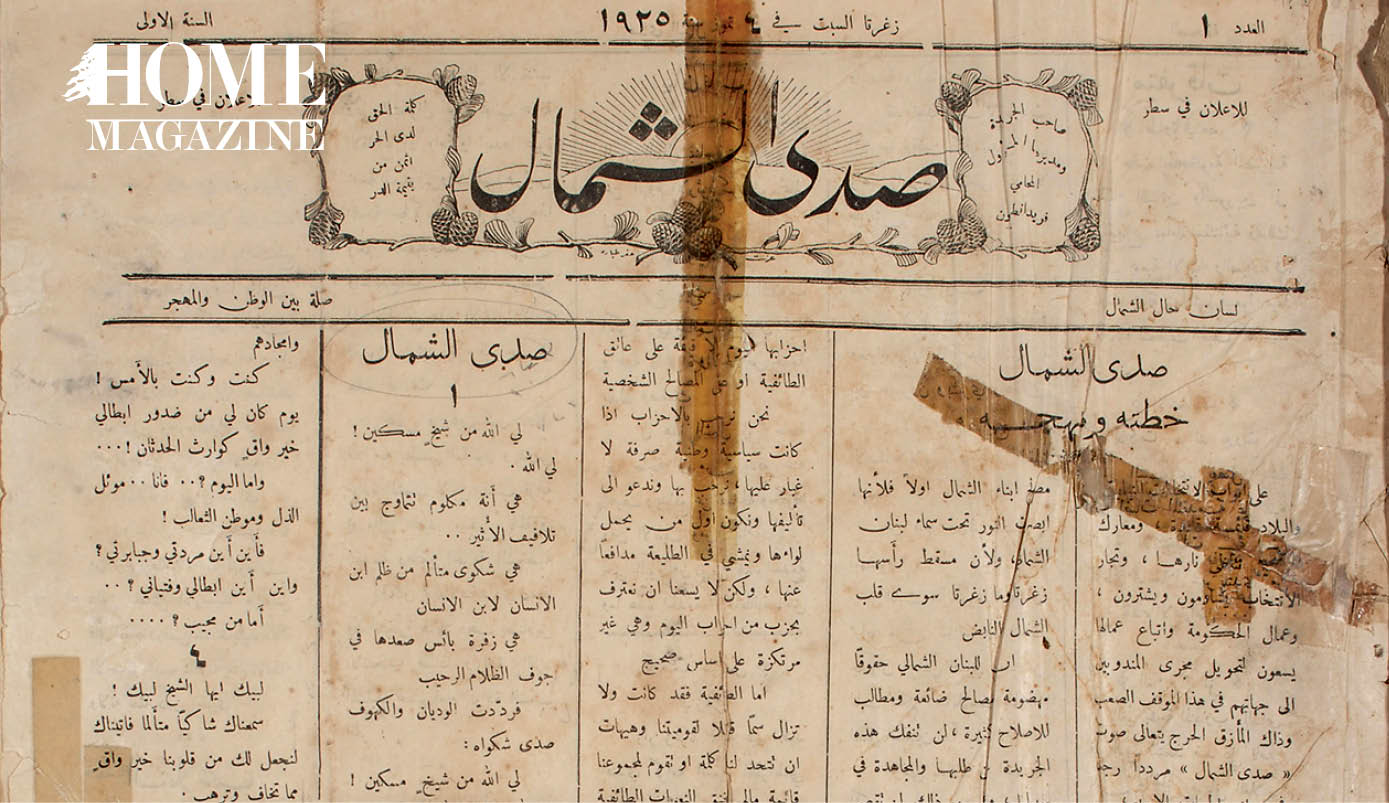
The center has also digitized newspapers and other publications, such as Ad-Dabbour (1923), Al-‘Andalib (1935), Sada al-Shimal (1925) and Az-Zajal Al-Lubnani (1933).
For a fee, the university offers digitization and preservation services to anyone who would like their personal archives made accessible in a digital format.
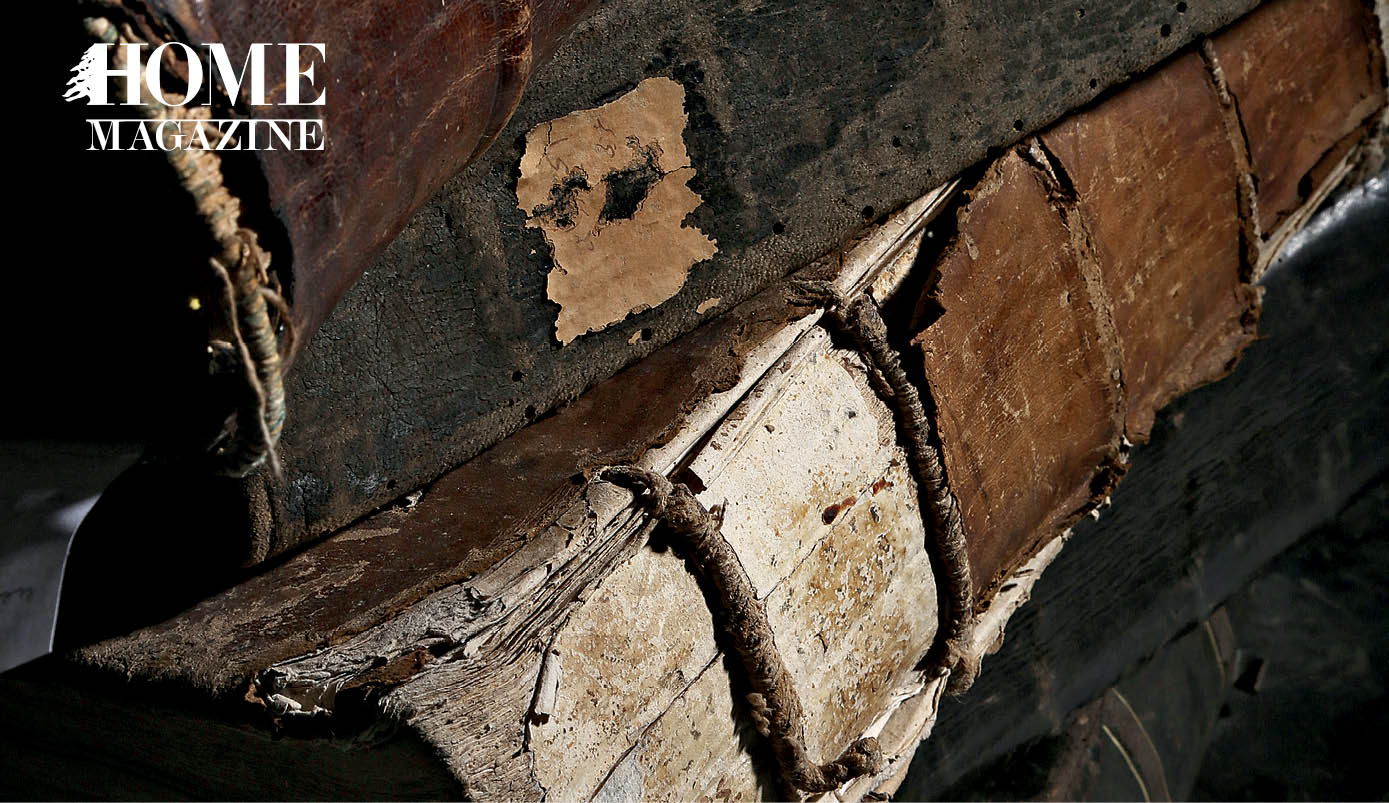
The Conservation and Restoration Center next door offers the opposite of a high-tech atmosphere. Here, conservationists in white lab coats work slowly and painstakingly to preserve damaged books, many of them centuries old. All the work is done by hand, and it can take several months just to complete one book.
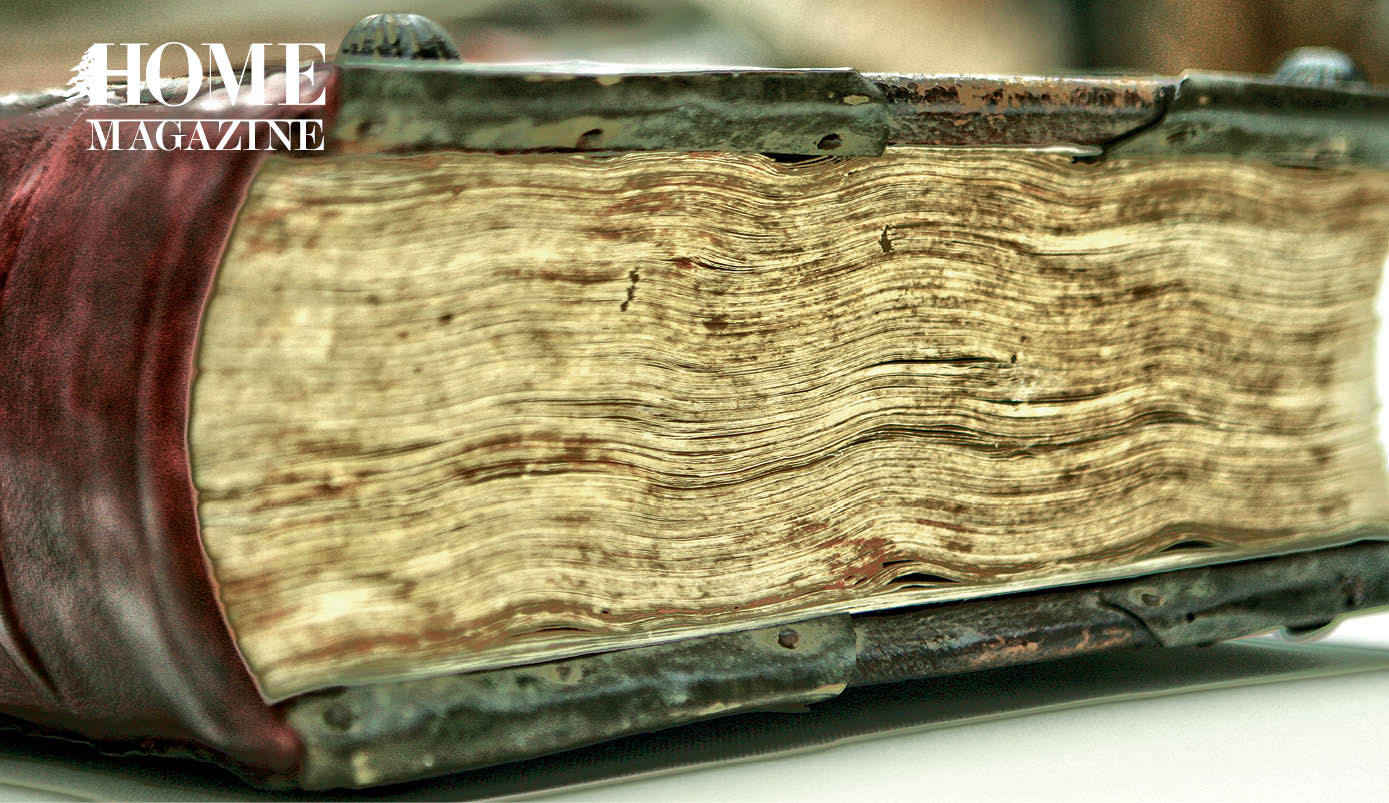
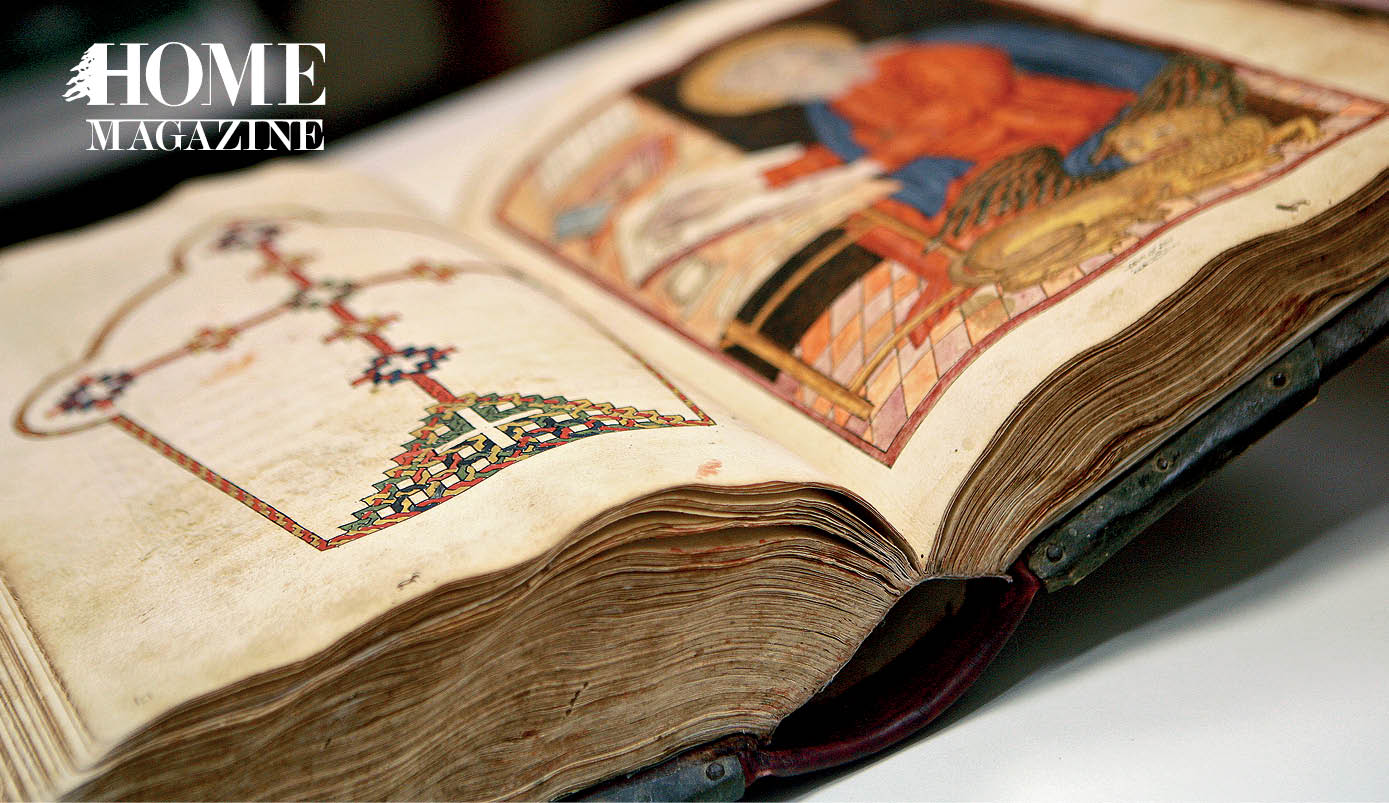
USEK is HOME to the Lebanese Maronite Order Collection, which comprises 1,600 manuscripts as well as archives dating from the late 17th century until the present. It includes the archives of prominent Lebanese individuals and families. However, in preserving Lebanese heritage, the USEK Library team has looked further afield, acquiring Islamic, Ethiopian and Hebrew manuscripts, as well as the archives of Lebanese who have immigrated to Latin American countries, as USEK’s focus has shifted to the diaspora. The project even has a studio in Buenos Aires, where it works with the Lebanese-Syrian community.
“The library preserves your past, but also guides you to the future.”
Chidiac, who describes her profession as “a passion,” said the library is committed to continuing its mission of “openness” and “providing a holistic education.” As the library grows its collections, digital and otherwise, its staff teaches students “the ethics of research.” USEK now offers a master’s degree in information studies.
“The library preserves your past, but also guides you to the future,” said Chidiac.
USEK’s Rare Books and Collections
- New Testament in its first Syriac version, edited and printed in Vienna in 1555.
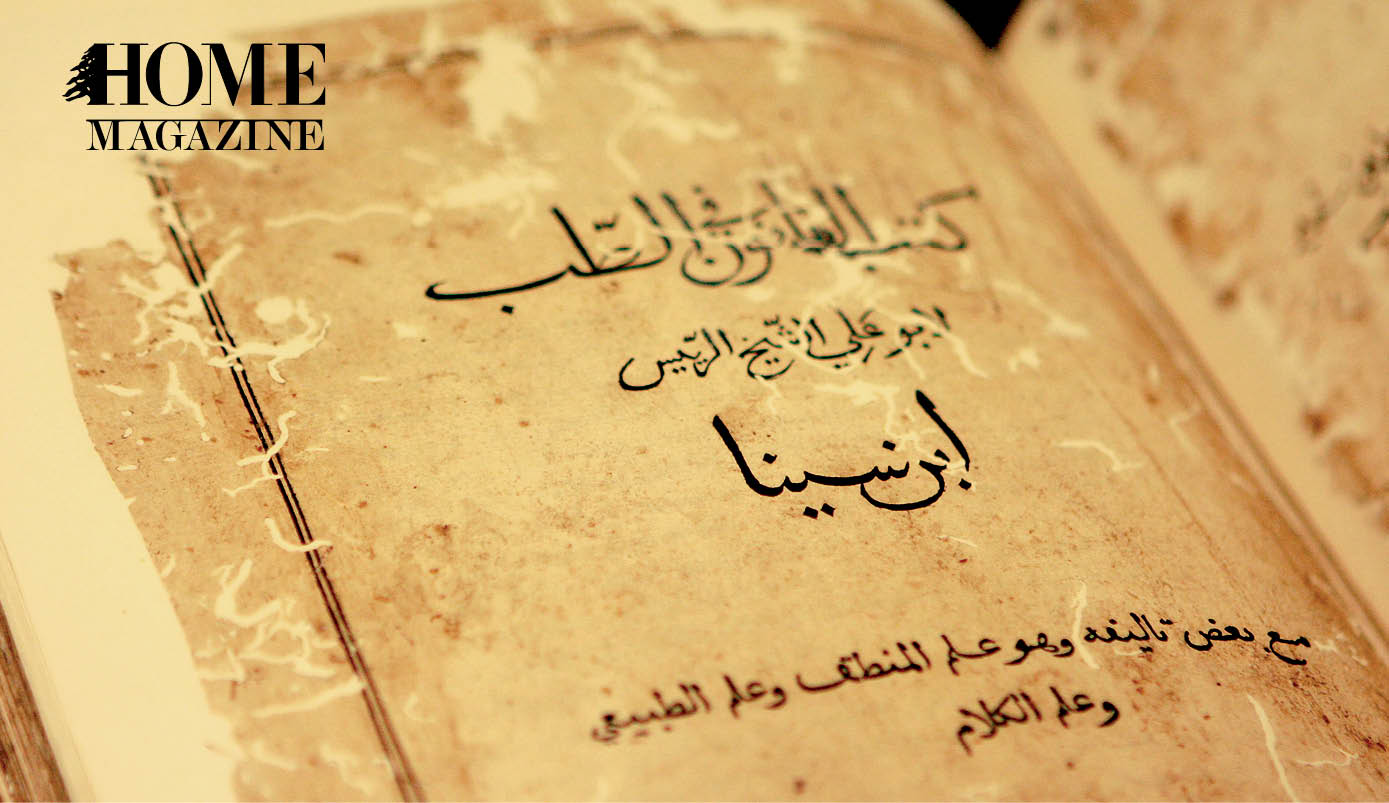
- First edition of “The Canon of Medicine” of Avicenna, printed in Arabic in Rome in 1593.
- Paris polyglot Bible (10 volumes in different languages), printed in Paris in 1645.
- “The Psalter of David, Prophet and King” in Syriac and Garshuni is the first printed book in the Orient, printed in the monastery of St. Anthony of Qozhaya in 1610.
Significant Archives Housed at USEK
- The archives of Lebanese presidents Camille Chamoun, Fouad Chehab, Elias Sarkis and Bachir Gemayel.
- The archives of Lebanese thinkers: politicians Youssef Sawda and Maurice Gemayel; poet Jawdat Haydar and historian Kamal Salibi.
- The archives of Lebanese artists: composer and musician Toufic El Bacha; singer, composer and actor Wadih El Safi; Antoine and Latifa Moultaka of the Lebanese theater; actor and comedian Salah Tizani; and satirical caricaturist Pierre Sadek.
HOMEland THEMES
Coming Soon
HOMEland Events & Collaborations
Coming Soon
 Signature Boutique