

Most of us eagerly anticipate our time off in order to truly unwind and relax. We often think that by going on a vacation we will break away from our routine and reduce the stress accumulated over time. However, a vacation, especially one with a busy agenda, can have the opposite effect and leave us feeling exhausted instead, making us crave another holiday just to recover from our trip!
If you want to really chill out and take time for yourself, you should consider going on a yoga retreat, where you are transported to an inspiring and beautiful environment for the nourishment of body, mind and spirit. When you attend a yoga retreat you are usually connecting with other like-minded souls too. So, even if you go alone, you are in the company of others like you. Retreats can bring people together from different places of the world and connecting with them and learning their stories is an enriching experience in itself. To understand more, HOME speaks to two yoga enthusiasts who share their unique experiences.
Nina Salem Shabb is a professor and a practicing pathologist at the American University Hospital in Beirut. She took up yoga 12 years ago at the age of 49, mainly to tone her muscles, and now practices regularly several times a week. Encouraged by her yoga teacher in Lebanon, she went on her first yoga retreat in Kerala, India and has been going to one each year in different locations around the world. So what does she get out of a retreat? “You learn so much during this week. You get to go deep in physical, mental and practical ways and it just helps you to become happy, pure, honest and truthful,” she gushes. She explains how she is essentially on a vacation but one where she wears no make-up, consumes neither alcohol nor meat and doesn’t dress up, and yet she feels her happiest.
From Myanmar to Turkey, Japan, India and Indonesia, Shabb has been to many exotic locations, but her favorite by far she tells HOME, is Bali, Indonesia. “The people here are already yogis in life,” she says. “They are practicing these rituals in their daily life. They are so content and their lives revolve around rituals we don’t understand. You see these ancient inscriptions at the base of the riverbed. So much spirituality and staggering natural beauty.” So after a dozen years of practicing yoga, does she see herself as a different person? “Yoga has given me an anchor and perspective on life. I have inner peace now,” she explains.
A therapist from the Washington, D.C. area, Julie Noble has been a student of yoga on and off for 20 years but only ‘discovered’ yoga retreats last year. With the encouragement of her instructors, she went to one in Jamaica followed by one in Cuba last winter. She explains to HOME that most retreats cater to all levels, so you can be a beginner in yoga and still fully participate. She is already planning to repeat the one in Jamaica next February. “It’s actually incredibly fun. The challenge of getting better in yoga while having fun socially and being free of responsibility is what I like most,” says Noble. At the retreat in Jamaica she attended, yoga was practiced outdoors for two hours in the morning and two hours in the early evening. “It was so serene. You could hold a pose and just focus more easily in nature. You get so much sensation: the sound of the water, the birds, and the wind pressing on your skin. It’s really magical.”
“You learn so much during this week. You get to go deep in physical, mental and practical ways and it just helps you to become happy, pure and truthful.”
Yoga retreats in exotic locations
Today, you can book a retreat in some of the most beautiful destinations imaginable. Whether the gorgeous beaches of Indonesia or Mexico, the lush rainforest of Costa Rica or the majestic mountains of Nepal and India, a yoga retreat allows you to relax in a breathtaking location while giving you an experience that benefits you on a much deeper level.
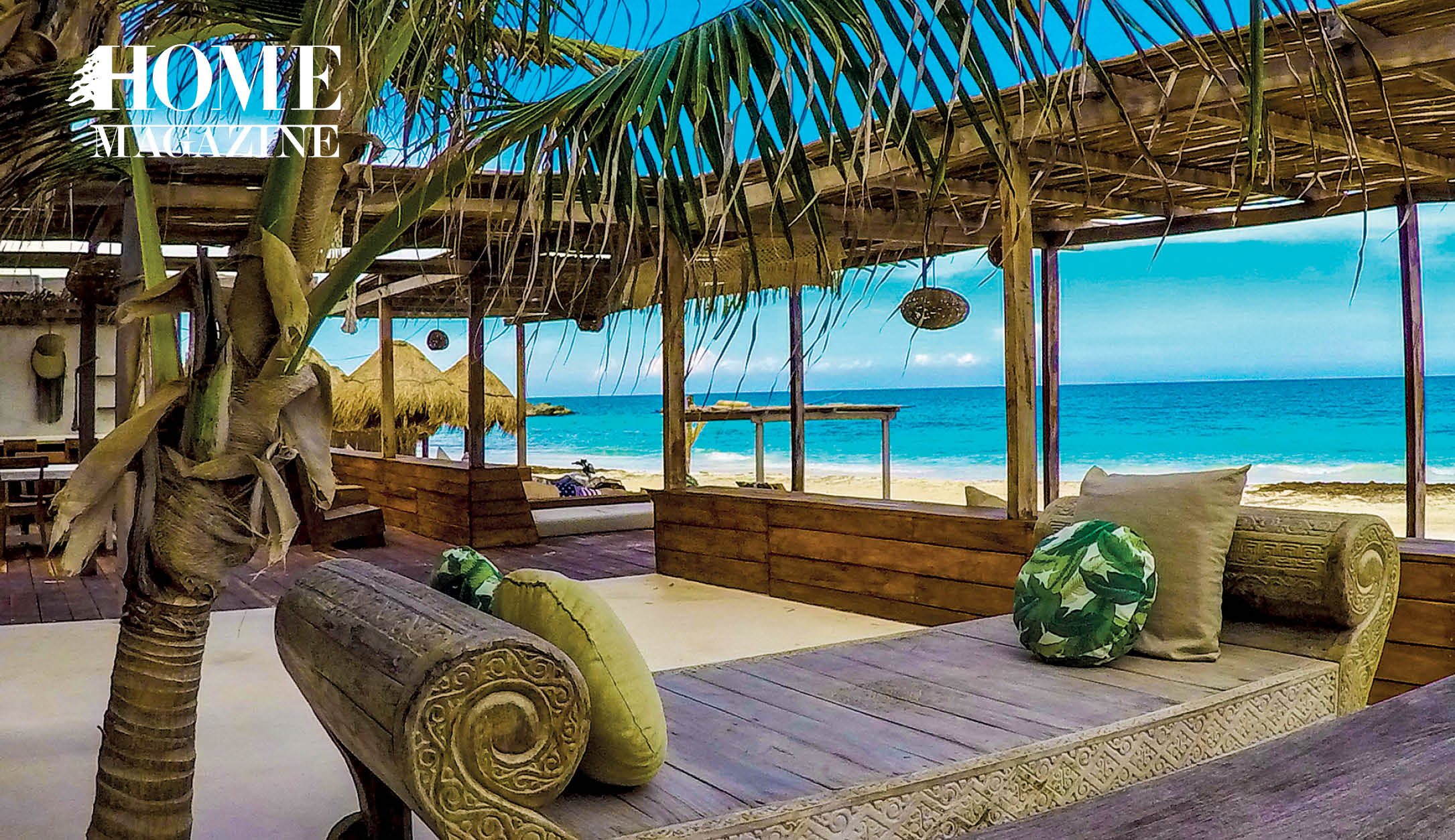
It’s important to distinguish that some yoga retreats strictly focus on yoga, while others mix yoga with spa amenities to give customers a relaxing vacation experience at the same time. At the Amansala Yoga & Wellness Resort in Tulum, Mexico guests normally practice yoga two times a day and spend the rest of the day hanging out at the beach, going on tours to the nearby Grand Cenote or lounging in the restaurant that serves fresh and organic dishes daily. They also have signature programs like ‘Bikini Bootcamp’ and ‘Beach N’ Bliss’ where guests sign up for a week of yoga, exercise, healthy eating, relaxation and pampering along with activities in between.
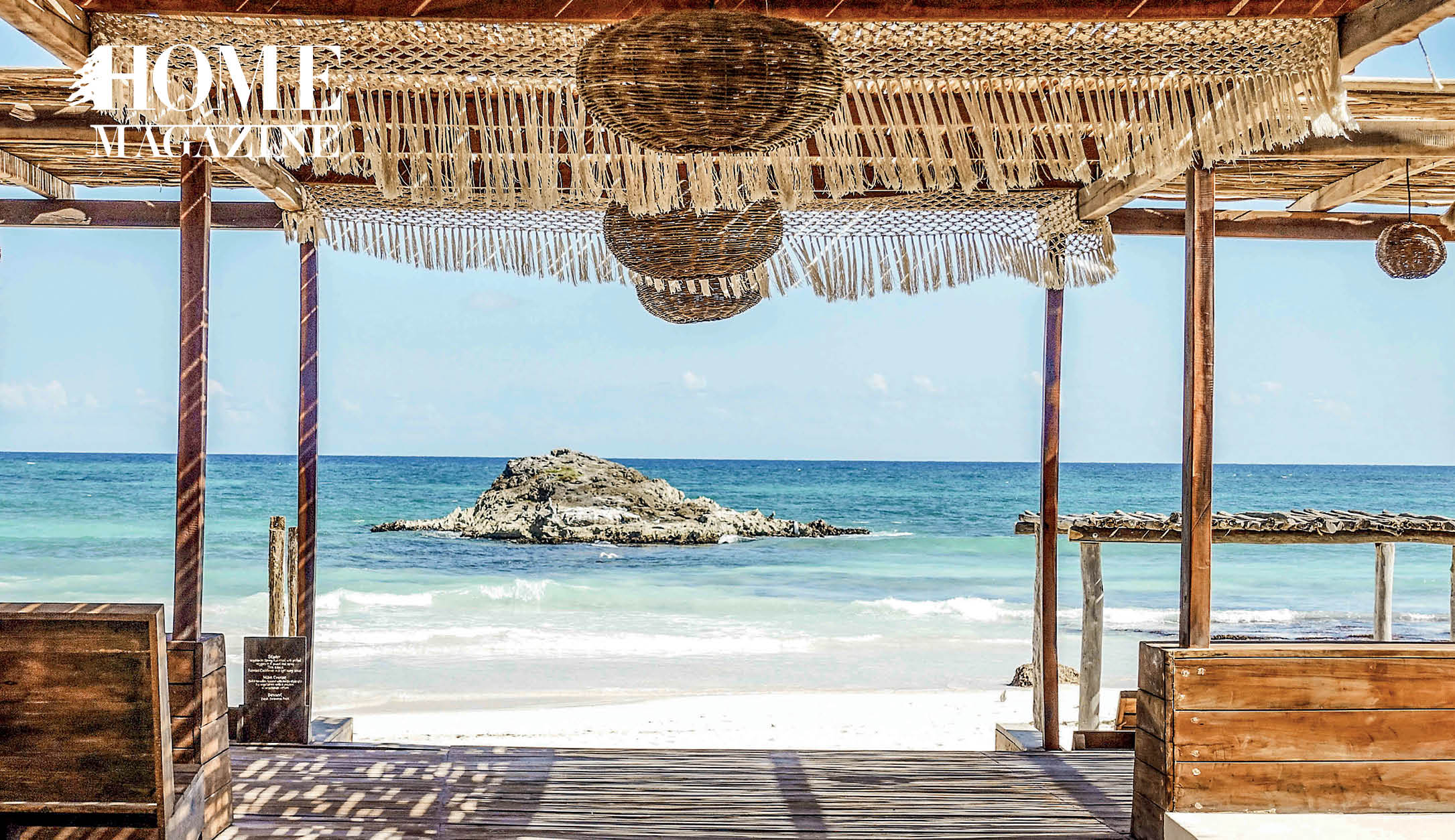
El Sabanero Eco Lodge in Costa Rica is another yoga sanctuary where the retreat takes place in a stunning green oasis surrounded by spectacular mountains and valleys. Encircled by hiking grounds, after a morning yoga one can go for a trek through the hills, zip-lining, horseback riding and even swimming in either the hotel’s infinity pool or several exotic nearby beaches.
The Yoga Barn in Ubud, Bali is also a superb destination for a retreat, and if you want to focus mainly on yoga they offer 130 classes and workshops weekly. As a center dedicated to healing and renewal, the Yoga Barn is more specialized; in addition to ten kinds of yoga styles, they also offer meditation, sound healing, and Kirtan and Ecstatic dance. Guests can also benefit from Ayurvedic rejuvenation treatments and a wide range of alternative treatments, such as acupuncture, craniosacral therapy, Reiki and emotional, intuitive and spiritual guidance.
Of course, there is also a wealth of retreats to choose from in India, the birthplace of yoga. One that combines the elements of a luxurious holiday with that of a serious yogi is the awardwinning Ananda in Northern India. Set on the foothills of the majestic Himalayas, this spa destination offers a tailored program of one-on-one hatha yoga sessions and guided daily meditation.


HOMEland
Coming Soon
HOMEland Events & Collaborations
Coming Soon
 Signature Boutique
 Signature Boutique



Beyond Feminist and Into Feminine