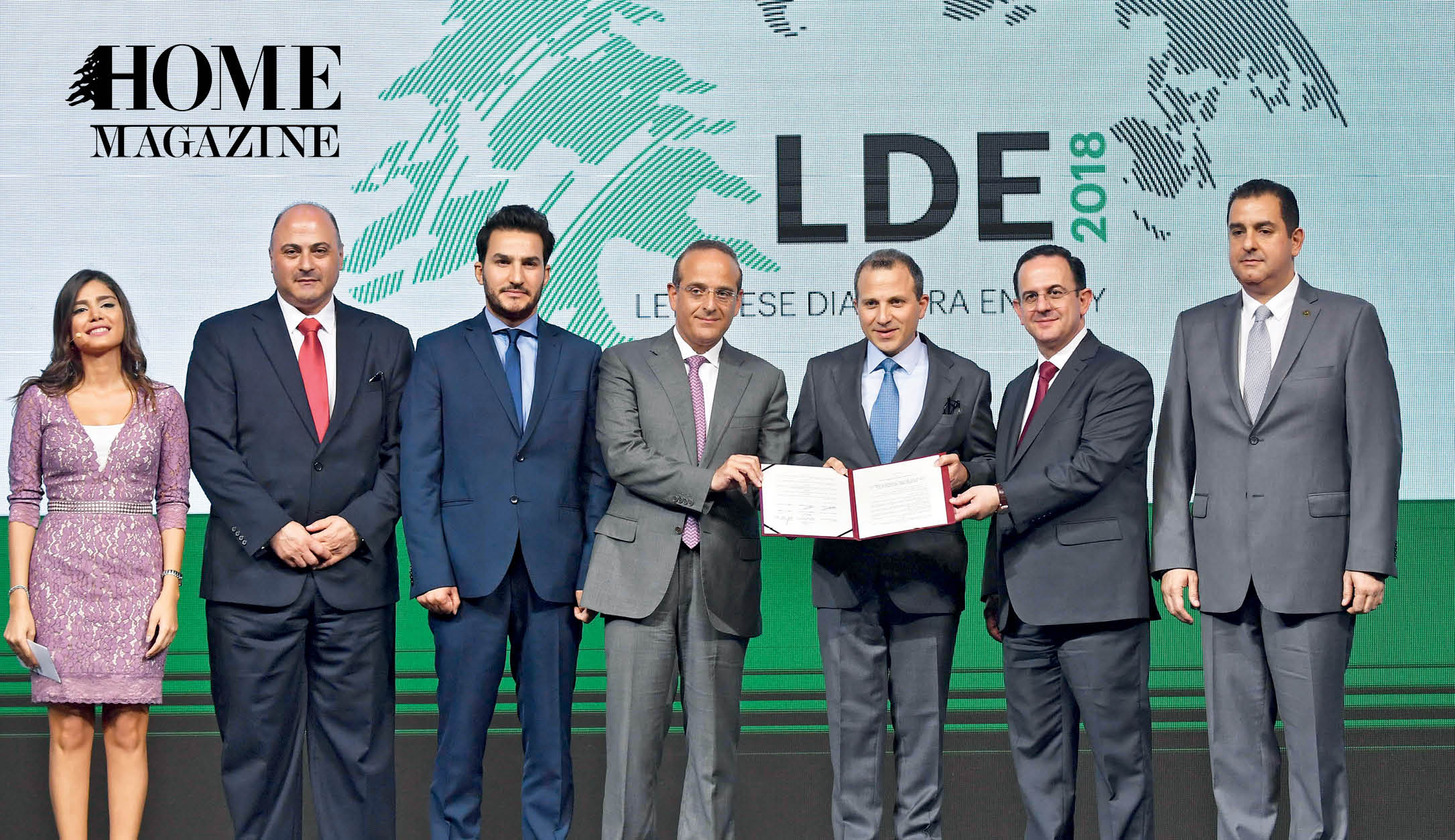
Photo: Diplomat Rasha el Haddad; Ahmad Hoteit Ph.D., president of the Syndicate of Lebanese Food Industrialists; Director General of the Ministry of Culture Ali Samad, Ph.D.; Minister of Economy and Trade Raed Khoury; Minister of Foreign Affairs and Emigrants Gebran Bassil; Minister of Tourism Avedis Guidanian; and Tony Rami, president of
the Syndicate of Restaurant Owners, signing of the letter of intent to support the Tasty Lebanon initiative.
Lebanese hospitality – served up with a tasty mezza – is renowned worldwide. Lebanese restaurant owners from Singapore to London to Los Angeles to Rio De Janeiro, and many stops in between, have introduced themselves and delicious Lebanese food to the world.
The delicate balance of spices, olive oil and garlic makes a distinct impression, while the relaxed tempo of a Lebanese meal creates a perfect atmosphere for developing friendships, partnerships and even diplomatic relations. What better way to strengthen Lebanon’s international ties than sharing a meal!
That idea is the spark behind gastrodiplomacy and a promising initiative of the Ministry of Foreign Affairs and Emigrants, launched at the fifth annual Lebanese Diaspora Energy Conference in Beirut in May.
The term “gastrodiplomacy” was first coined in a 2002 article about a Thai government-led initiative to increase the number of Thai restaurants worldwide and to encourage tourism to Thailand. Since then, a few other countries have followed their lead, including South Korea, Malaysia, Peru and the United States. Now Lebanon is joining these countries in the forefront of this new soft diplomacy.
The Ministry of Foreign Affairs and Emigrants’ “Tasty Lebanon” initiative aims to promote Lebanese products throughout international markets and to boost economic investment and tourism in Lebanon, as well as to deepen and improve relations with other countries.
“We are a society of gourmets,” said Minister Gebran Bassil. However, the state has not leveraged this quality until now. This action shall be followed by a commitment from diplomats and other leaders to work together to promote international relations around Lebanese cuisine, he remarked.
Explaining the spirit of this initiative, Minister Bassil noted that the Syriac word for Lebanon means “heart of God:” Leb meaning heart and a (non) meaning God. Lebanon is the heart; it is the place to which we return.
For the Lebanese Diaspora, whose borders are the world, they come back to their Lebanity; the joy of food from HOME stirs emotions regarding the HOMEland and builds unparalleled connections.
This is an effort “to raise national brand awareness, to encourage tourism and increase economic investment and trade within borders and outside,” said Rasha Haddad, the young diplomat in the Ministry of Foreign Affairs and Emigrants, who is pushing this initiative forward.
” The Syriac word for Lebanon means “heart of God:” Leb meaning heart and a (non) meaning God. Lebanon is the heart; it is the place to which we return. For the Lebanese Diaspora, whose borders are the world, they come back to their Lebanity; the joy of food from HOME stirs emotions regarding the HOMEland and builds unparalleled connections.”- Minster Gebran Bassil.
How it works
The Ministry began work in earnest on this effort by bringing together a national committee that includes representatives from the Ministries of Tourism, Culture, Industry, Agriculture, Economy and Trade, and the Syndicate of Owners of Restaurants, the Association of Lebanese Industrialists and the Syndicate of Lebanese Food Industries.

Food Styling: Maya Oryan
Photography: Serge Oryan
With Lebanese food at the heart of this diplomatic strategy, the plan includes preserving Lebanese food identity by officially certifying Lebanese restaurants abroad that serve authentic Lebanese cuisine.
Promoting Lebanese products in international markets is key to Tasty Lebanon’s success, said Minister Bassil. While many Levantine dishes share common ingredients, it is the nuanced differences that make Lebanese food distinct. A dish from a Lebanese fast food restaurant in Berlin means more to a diner than just a good taste. The dish itself raises an experience, an emotion but also a Lebanese awareness.
A food enthusiast herself, Haddad’s favorite dish is wara’ aarish. “It is not just the dish, but the way my teta (grandma) made it,” she said.
She also associates the smell of peas and rice with pre-school memories. “This is what Tasty Lebanon wants across the world; we want Lebanese food to trigger good memories for the diaspora and to be related with the beauty of the country itself.”
The first objective is to set standards on what constitutes authentic Lebanese food. “We want to establish our food standards through a certification program that recognizes restaurants and food products with genuine Lebanese characteristics,” said Haddad.
A group of well-known Lebanese chefs is currently working on setting the food standards. Tasty Lebanon hopes to launch exchange programs with local and foreign chefs between culinary schools. The idea is to send a Lebanese chef to Institut Paul Bocuse in Paris, for example, in exchange with a French chef visiting Lebanon to learn how to cook authentic Lebanese food. This exchange program can be developed through local culinary schools.
“We want Lebanese food to trigger good memories for the diaspora and to be related with the beauty of the country itself.”
From local to global
Before going abroad, Tasty Lebanon conducted a local campaign to raise awareness on gastrodiplomacy. An Iftar hosted by the Ministry of Foreign Affairs in May brought all its main actors from the government and private sectors together with chefs and food bloggers.
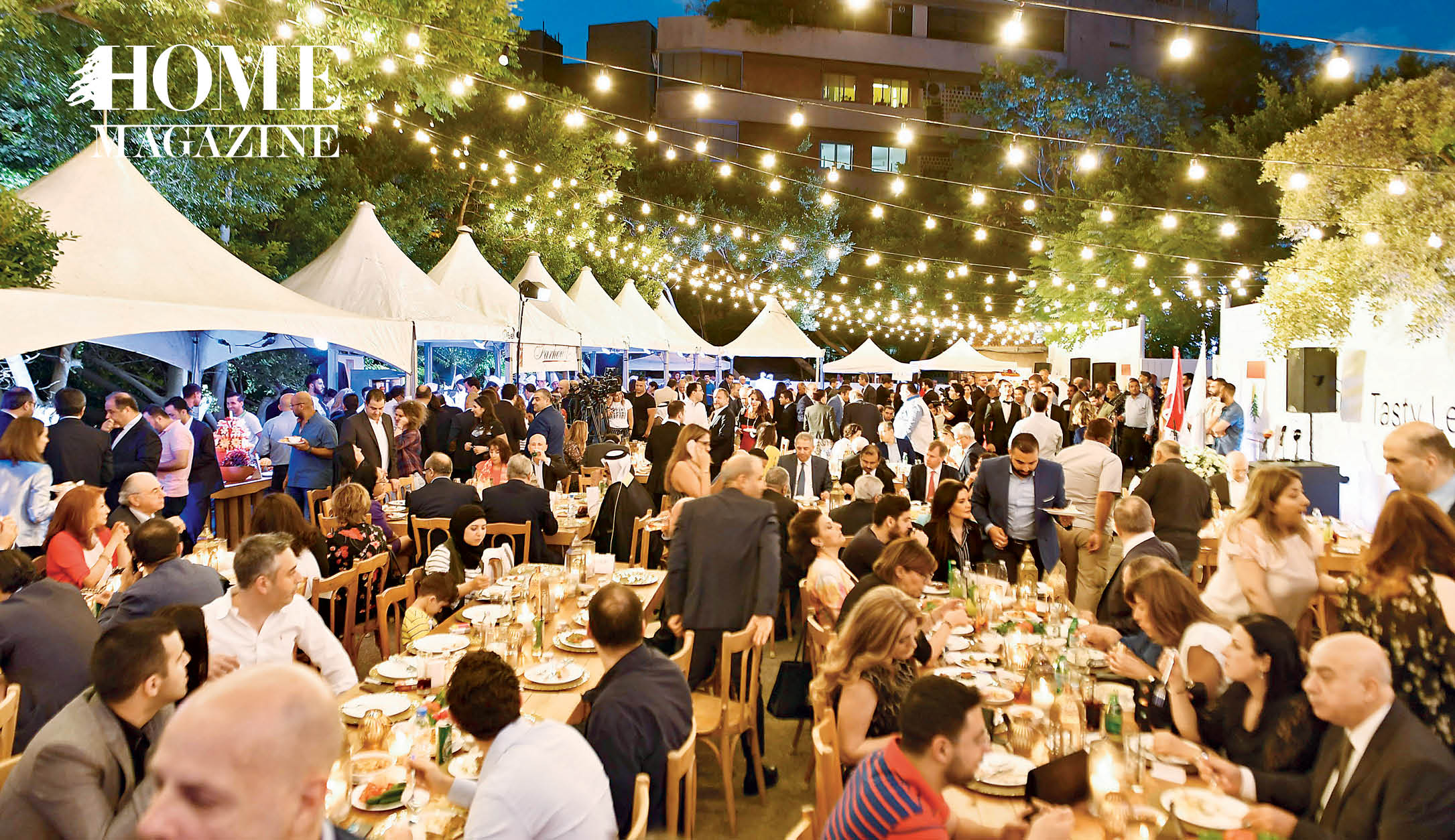
The Ministry of Foreign Affairs hostied an Iftar during Ramadan that brought together Lebanese from all faiths.
The next step is for Tasty Lebanon to target major cities with a high population of Lebanese diaspora. Lebanese food festivals in major diaspora cities are also on the agenda. “We wish to expand the Lebanese food market, just like Little Italy in New York or Chinatown in San Francisco have done for their national cuisines,” added Haddad. Food-oriented events could eventually lead to the opening of more Lebanese restaurants and franchises around the world.
Promoting Lebanese food is not the end goal, said Haddad. It is a diplomatic tool to improve international relations. Food is the best icebreaker, “the oldest way to bring people together for fun, business, diplomacy and foreign policy.”

HOMEland
Coming Soon
HOMEland Events & Collaborations
Coming Soon
 Signature Boutique