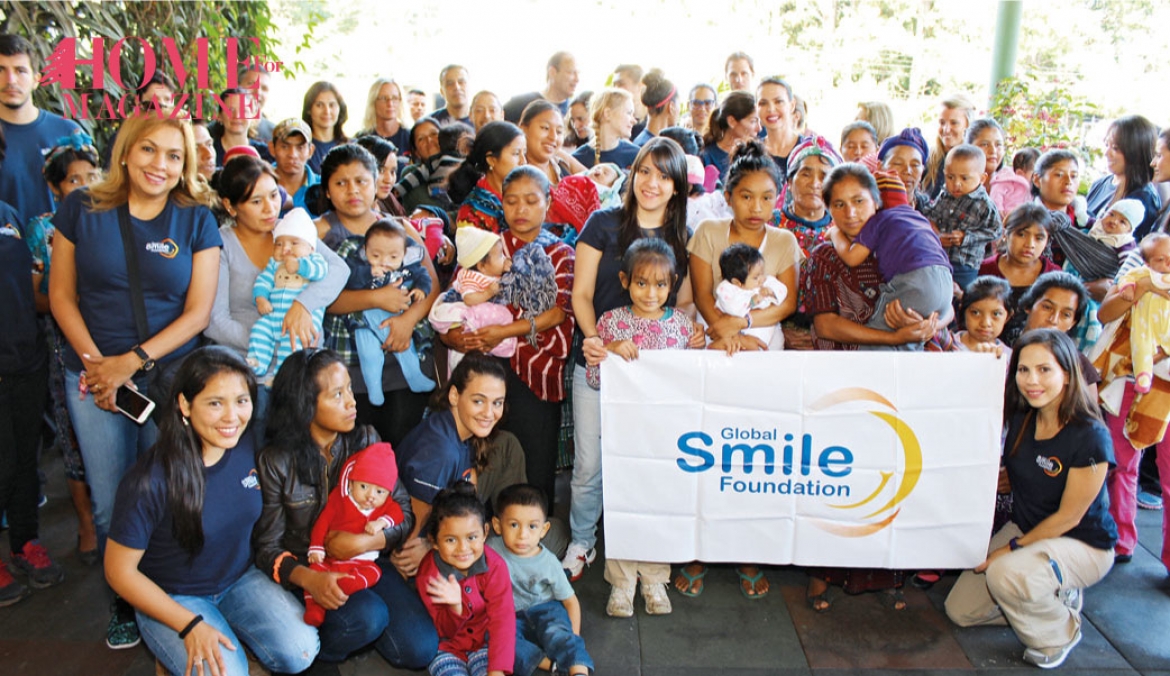
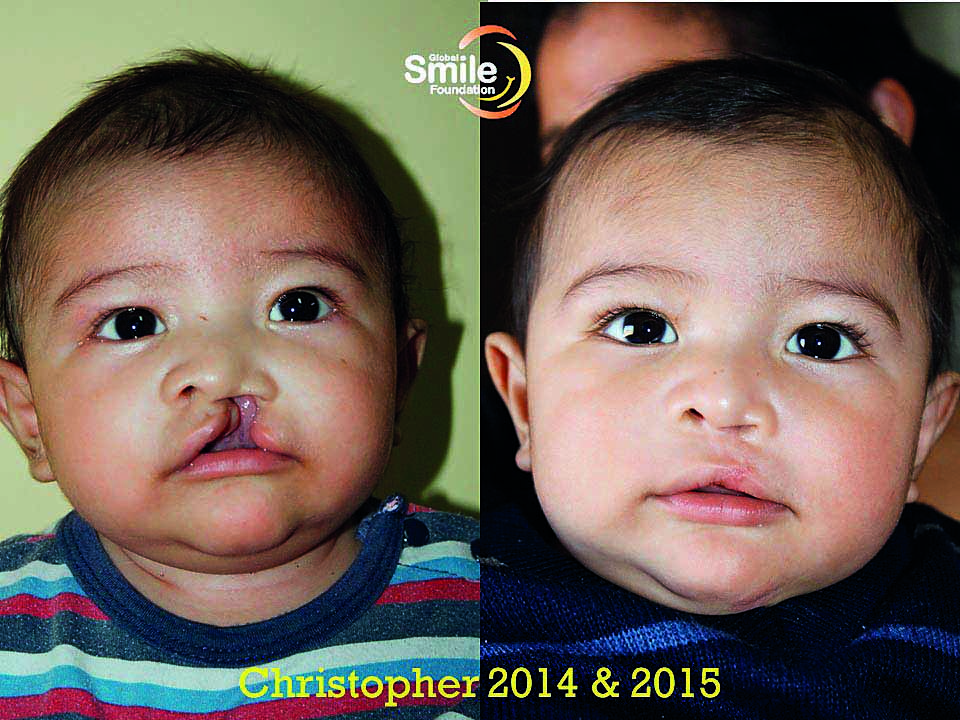
Global Smile Foundation (GSF) is a non-profit foundation that provides pro-bono, multidisciplinary, long-term cleft care for underserved children and adults in Latin America, Africa, and the Middle East. Cleft lip and palate are two of the most common birth defects in the world and each corrective surgery can cost between $10,000.00 and $35,000 to treat. GSF’s team of volunteers, with a 28-year experience in outreach cleft programs, travel to the most deprived areas and performs these surgeries free of charge.
Founded by Dr. Usama Hamdan, an American-Lebanese physician, in 2008, GSF is now operational in a impressive range of countries including Ecuador, Peru, El Salvador, Guatemala, Mali, Senegal, Burkina Faso, Niger, Côte d’Ivoire, India, Brazil, Morocco and, of course, Lebanon. The number of volunteers and staff per mission is 25-45, with 10-30 additional volunteers on site. In a typical year, GSF performs around 300-400 surgical procedures and 5,000 dental procedures in underprivileged communities. They average 6 full missions per year and a further 3 or 4 educational missions instructing on health care. One case usually costs GSF around $1300 to $3500, which is ten times less than if the patients were to pay for it themselves.
In an example of just one of GSF’s many missions, a Lebanese surgeon travels halfway around the world performing surgeries to give children back their smile.
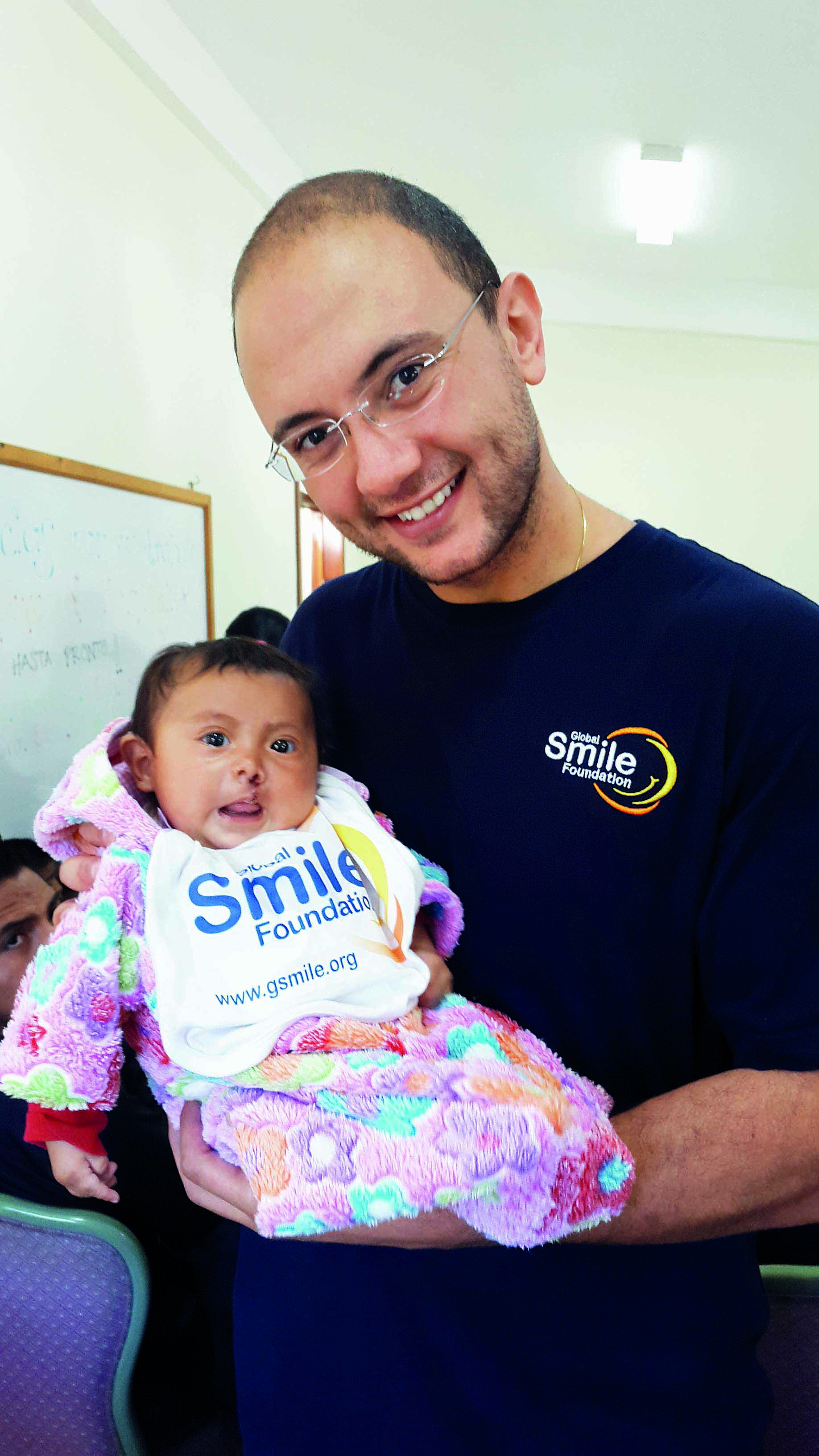
“You will get depressed when you get back to your daily routine and environment,” said Usama Hamdan, founder of Global Smile Foundation and veteran in cleft care for underserved populations. Barely did I know that this sentence would be my baptism into a world, which few people are lucky enough to experience.
As I boarded the plane in Beirut airport for a two-day flight to Guatemala, all I could feel was the enthusiasm of working with world authorities in cleft surgery, the surgical experiences I would gain from this trip were my only objective. I had no idea that the trip would change my life, priorities and the way I think.
“I had no idea that the trip would change my life, priorities and the way I think”
I met the Global Smile Foundation team in Miami International Airport nearly a day into my trip. I was tired and sleepy. I was greeted with an open heart in a loving environment. I never felt like the “Lebanese outsider” among American team members of different origins. We left Miami airport the same day and headed for Guatemala City to take an eight-hour bus from there to Atitlan, not knowing that I will be staying in “the closest place to heaven on earth” as it was described by several people.
The next day, our mission started. We went to the hospital to be greeted by a group of Guatemalans of Mayan origins, some of whom had traveled on foot for two days to reach the place where their lives would be changed. I noticed that these people were still living the virgin life, with no means of technology, mostly farmers and people who live hand-to-mouth existences.
The team consisting of surgeons, nurses, postanesthesia care unit (PACU) staff, pediatricians, anesthesiologists, photographers, administrators, speech therapists and an orthodontist immediately started screening the patients in a systematic and efficient manner, just like a well-oiled machine. Although I did not speak Spanish, I could feel the gratitude of parents and their families just from the way they looked at us, smiled at us and trusted us to handle and take care of their babies. By the end of every day, every member was exhausted, but we set the schedule for the upcoming week. We were to operate for five days (from Monday to Friday). During these five days, we did 14 primary cleft lips, seven revision cleft lips for kids below 12 years of age, three frenulectomies, two macrostomia repairs and one cleft lip rhinoplasty. A total of 32 procedures were performed on top of this. We were doing a total of six cases everyday divided into two operating rooms, barely having time to eat.
Nevertheless we were happy, and the positive energy washouts contagious. No one complained and everyone was happy in what they were doing despite the lack of supplies from the hospital and the fact that the team had to ship much of the equipment, such as monitors, sutures and other things useful in the perioperative phase from the U.S. I was also amazed to find out that they had even taken into account gifts and donated clothing for the patients.
We ploughed through the week without stopping to feel tired or overwhelmed. In addition, during the last day, we gathered all the patients for follow up and a group picture. As we were saying our farewells, a small girl approached me and handed me a drawing she had done with a letter, written in Spanish, written on the back. I can still remember the tears running down her cheeks when she hugged me goodbye. I later found out the contents of the letter and the beautiful things she had said.
You might ask why I would go to the trouble of traveling halfway across the earth to operate and not expect anything in return. My answer is and will always be: self satisfaction. These missions have changed my life and have showed me that we are usually oriented toward goals that give us immediate satisfaction, whereas our aim should be sustained happiness. I believe that true happiness is earned by giving happiness to others. We are giving smiles to people who were not able to look at themselves in the mirror, people who were never accepted by their parents or peers and were cast out of society. Now that I am back to my routine, I always remind myself that a beautiful smile is simply priceless.
Donation options:
$2000 will provide surgical repair for a cleft patient (covers significantly reduced hospital charges and surgeon provides all his care 7 expertise on pro bono basis).



HOMEland
Coming Soon
HOMEland Events & Collaborations
Coming Soon
 Signature Boutique