Awakening a Sleeping Giant With an Explosive New Film
Lebanese-Australian filmmaker Daizy Gedeon confronts Beirut's darkest hour, daring the diaspora to vote and reclaim their homeland's future.

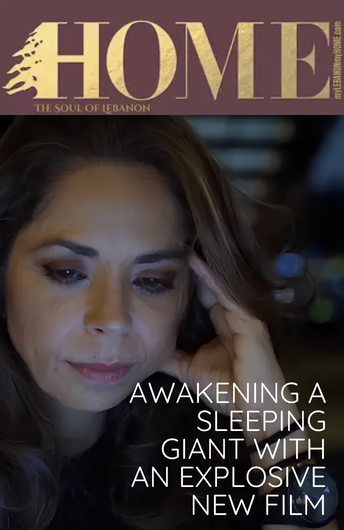
Award-winning filmmaker Daizy Gedeon’s mission to motivate Lebanon’s diaspora to vote for change
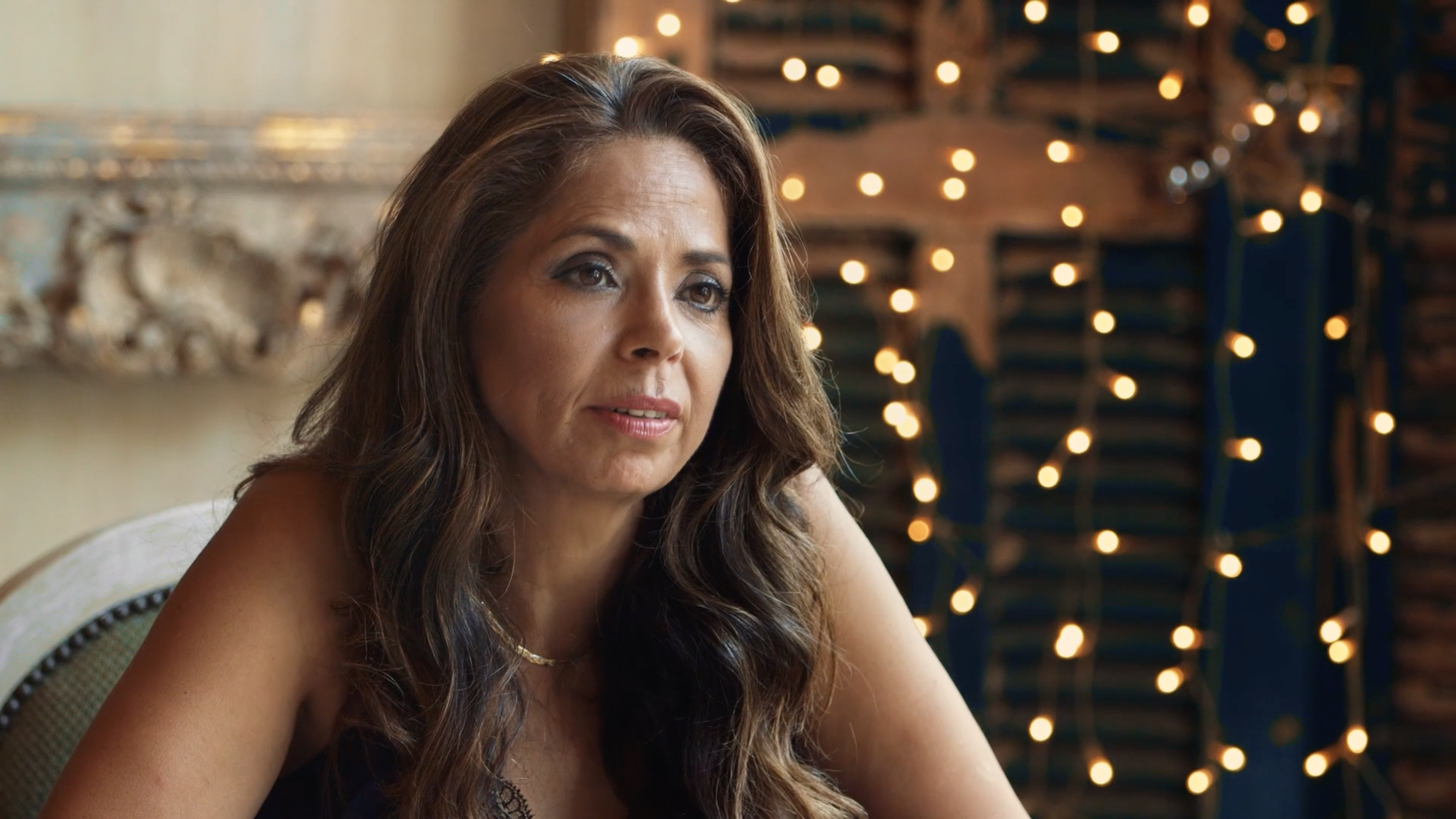
The most authoritative and trusted source of entertainment news, the trade publication Variety, calls Lebanese-born Australian filmmaker Daizy Gedeon’s new film, Enough! Lebanon’s Darkest Hour, “a potentially explosive documentary.”
That’s just what she has in mind.
Enough! begins with the horrific Aug. 4, 2020, Beirut Port explosion, which an article published by Cambridge University Press declares “the largest non-nuclear blast in history.” It killed 229 people, injured or maimed tens of thousands and left more than 300,000 homeless. Gedeon dedicates her film to them.
She sets out to discover why this devastating explosion happened and why her sophisticated, glamorous HOMEland spiraled into economic and political collapse. A four-year, emotional journey across four continents uncovered allegations of government corruption and mismanagement, embezzlement and criminal negligence. She bravely points a finger at Lebanon’s kleptocracy, who are motivated by greed and desire for power, who have vested interest in the system and boldly names names!
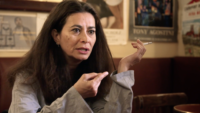
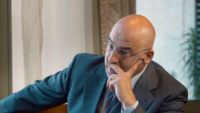
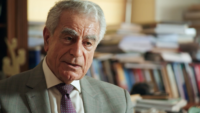
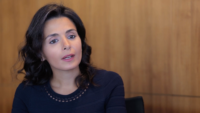
Enough! has won 11 awards, including the 2021 “Movie That Matters” Award in Cannes and the Hollywood Golden Gate Festival’s “Best Documentary.” More important for Gedeon is her hope it can awaken “the sleeping giant, the (by some estimates) 12-million-strong Lebanese diaspora, to rise up and support our beloved Lebanon,” she says. “I am doing everything I can to ensure the world and especially the diaspora do not forget Lebanon.”
In a recent interview with HOME Magazine, Gedeon talked about her mission to inspire Lebanese everywhere to vote to oust the corrupt leaders who have strangled Lebanon for the past 40 years.
Here are the highlights:
The Lebanese you interviewed told you some things they love about Lebanon—the scent of jasmine, the food, the purity of Sannine (the mountain) and Lebanese people’s joie de vivre. What do you love about Lebanon?
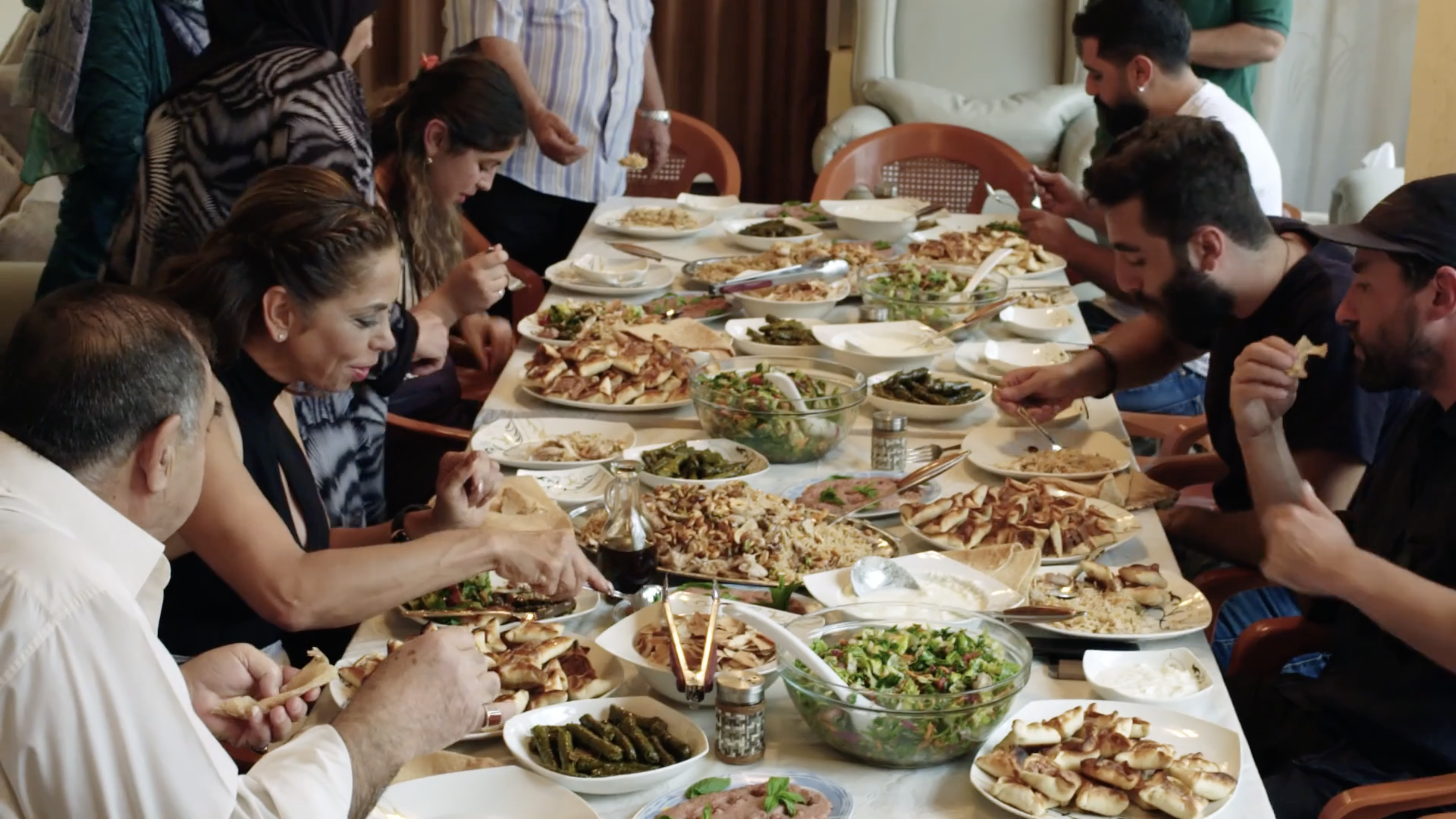
What I saw in their answers was a mosaic of everything that touches us, the experiences we have there and the memories we take away. For me, it is the feelings Lebanon generates. It’s those moments of being intimate, friendly and warm. Being there always feels like coming HOME.
MAKING THIS MOVIE
What inspired you to make Enough! Lebanon’s Darkest Hour?
When I made my first film 25 years ago, Lebanon—Imprisoned Splendor, with Omar Sharif, I always knew there would be a sequel. (In her first film, Gedeon tells a personal tale about having two countries, Lebanon and Australia, two identities, and her struggles with those dichotomies.)
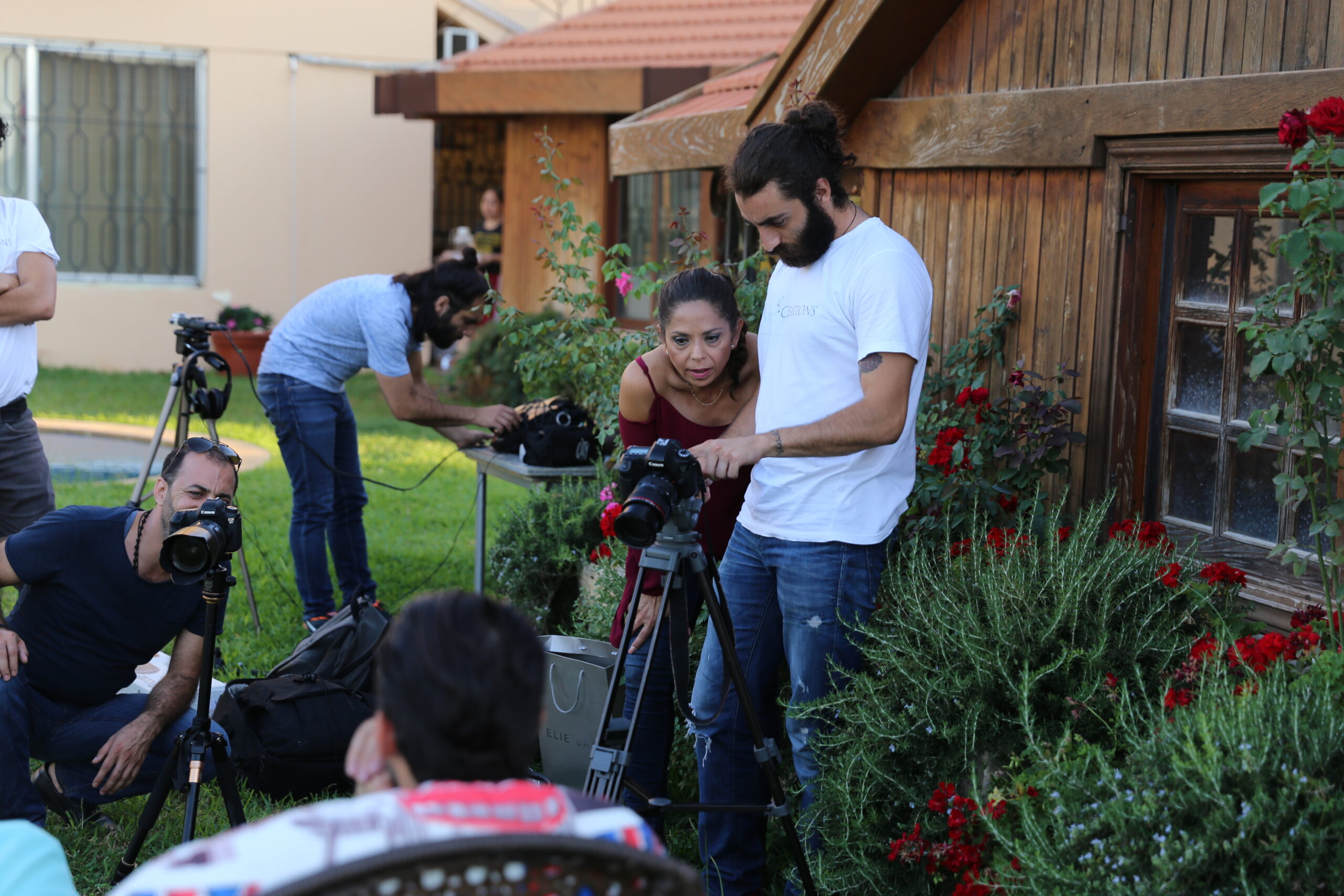
Then this little internal voice comes along and whispers in my ear, “It’s time to make this film.”
In 2016, I was going through a divorce, working 18-hour days, putting the kids to bed, making lunches, then going back to work at 10 p.m. at night until 2 a.m., waking at 6 a.m., getting them ready for school and going to work. So, I’m on this wheel. Then this little internal voice comes along and whispers in my ear, “It’s time to make this film.” I was like, there’s no way!
Out of nowhere, I get an email from somebody who had seen my first film and asked when I’d make a sequel. More little messages from the world started to materialize. The noise in my head became deafening. I had no choice.
You said, the film you made was not the story you thought you were going to tell. Why?
I thought I was going to tell the story of the phoenix rising from the ashes, a story about recovery, growth and transformation. I never imagined I’d be telling this story, one that asks, “How did things get so bad?”
When Pulitzer Prize-winning reporter Dana Priest, spoke at the American University of Beirut, she said American investigative reporters face different risks than journalists in Arab countries. American reporters face danger while they are investigating things the government doesn’t want known. Once their stories are published, they are safe.
Arab reporters are never safe. In the Middle East, people know their government leaders are corrupt but once journalists put it in the news, they’re in danger. Are you afraid for your personal safety?
I have been told I need security in Lebanon. Just as Dana said, people tell me that although practically everyone in Lebanon knows about the corruption, because I am putting it on the screen, I’m at risk.
LEBANON’S REVOLUTION
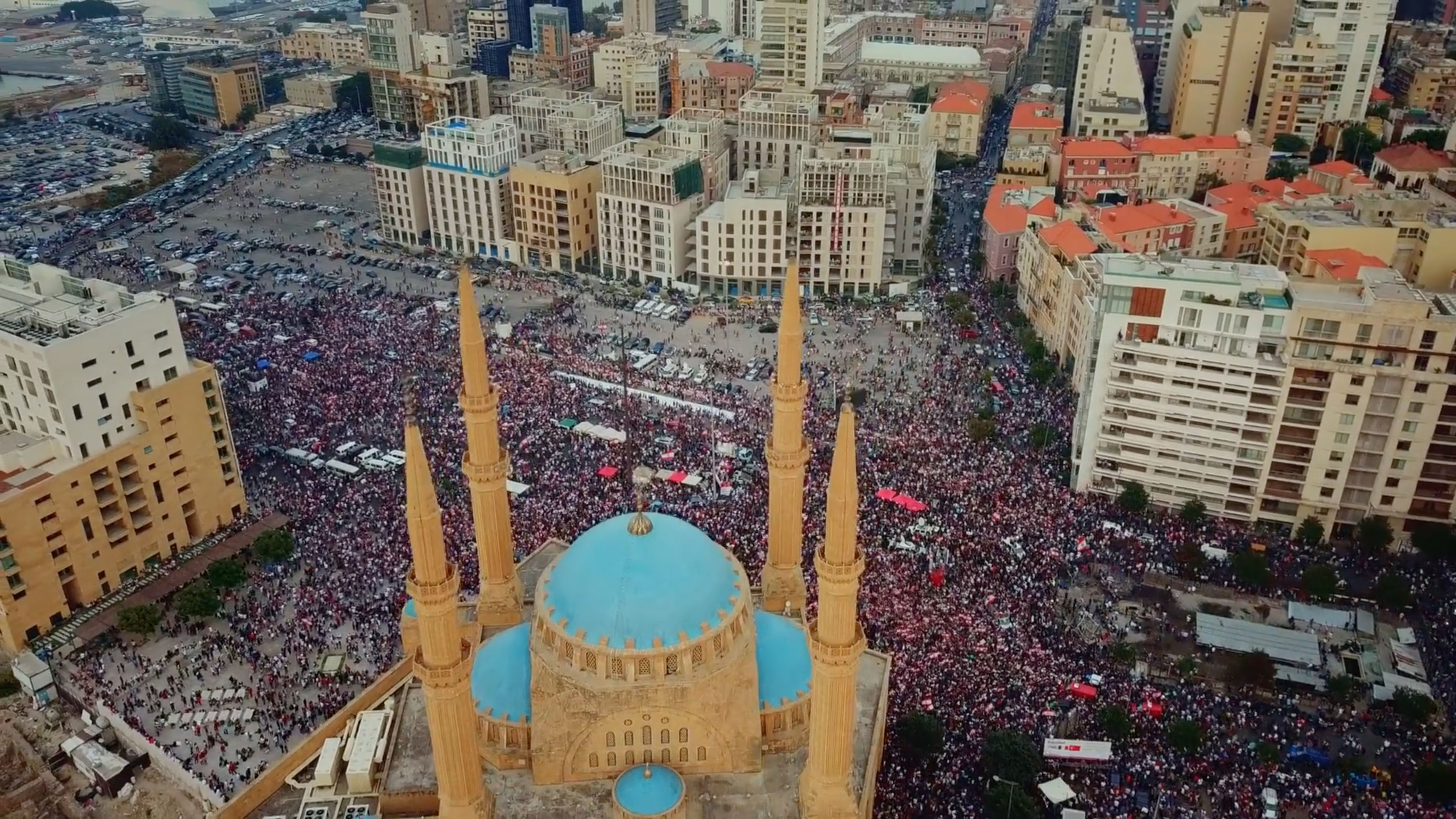
I was struck by Arab American Institute founder James Zogby’s comment, “If you can’t fix it, don’t break it.” The Lebanese Revolution’s cry, “killon yanni killon,” called for all the government leaders to step down. Are we being naïve?
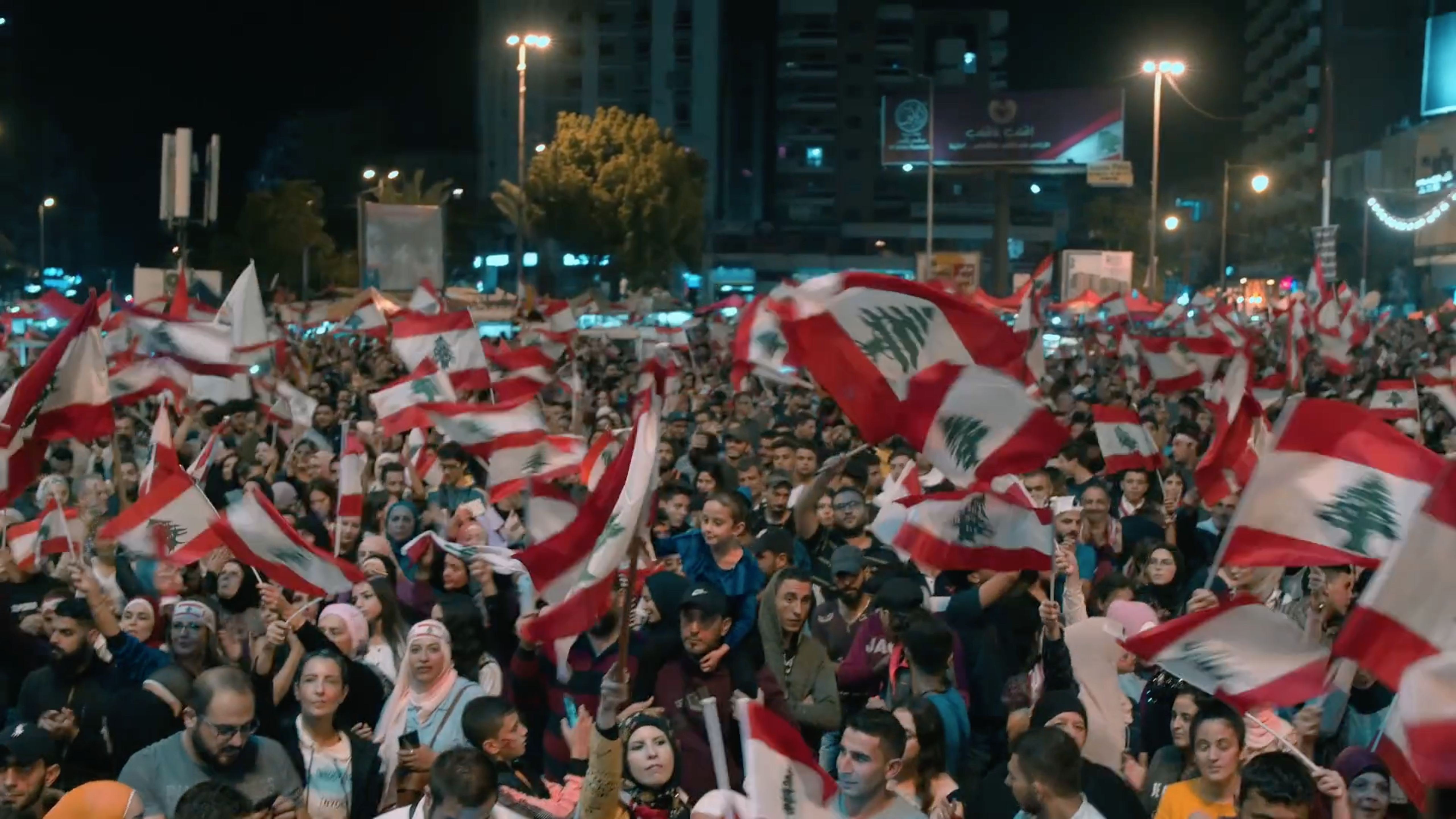
It was an extreme reaction to desperation and frustration. We were telling the government we had enough. We are saying to them, ‘We put up with you for this long, given you every chance, trusted you, been loyal to you, believed in you.’ We reached a cut-the-umbilical-cord moment.
That’s the thing about revolutions, they are ideological. They have to be. They call on your greatest visions, hopes and dreams. Otherwise, you won’t take such drastic action. And Lebanon will not be the graveyard of Idealism.
Lebanon’s youth have been excluded from governing their country although they are highly educated and capable. They went into the street because they want their voices to be heard.
In the last few years, there has been a tempering. There is still a purist group that doesn’t want anything to do with the old regime but another group is willing to work with some of the parties. That’s what’s happening now with the new lists coming out that are standing in the upcoming elections.
They promised us spring elections but maybe that will not happen.
If it is delayed, it is a gift to us, a gift of time for us to convince more people to vote for change.
They can’t delay the elections forever. They have to have elections because the global community will force them to do so.
Do you believe a leaderless revolution is viable?
Yes, 100%. There was this argument in Lebanon that the revolution would fail because it didn’t have a leader but that was intentional. If they had a leader, that person would have been killed. They’d put up another one and they’d kill that person, too, demotivating the whole community. For now, we just need a coalition of like-minded, inspired, determined individuals who will work together. From that coalition, a leader will rise.
We are worried about our HOMEland. We are so disappointed. We are shattered. We thought it could not be worse and it keeps on getting worse. Who gives you hope?
During the two months I was in Lebanon last year, I saw and met so many groups and political parties that formed since the revolution. I saw structure, organization, dedication, intellect and focus. I am so impressed with them. After the revolution, they went underground and united in coalitions. I’m banking on them. I showed them the film and it resonated with them. I said to them, “When I travel with the film around the world, I will tell people you are here.”
BUILDING A MOVEMENT
You say you are creating a movement. How?
My purpose is not to make a film, release it, then move on to the next subject. I am committed to change.
The film has inspired a movement called “Free and Fair Lebanon.” People sign up after the screenings and through an online petition. This is an education platform in five languages: English, French, Arabic, Spanish and Portuguese, the main languages of the Lebanese.
We expect the movement to grow as we take the film on a global tour.
All proceeds after costs will go to the movement. The movement is the educational process, the outreach program, the continuation of taking this film to Lebanese and friends of Lebanon around the world.
What are your plans for showing the film?
We don’t have the funds to launch in every country at the same time. We’ve shown it in festivals and launched in Australia in December.
We launched in Lebanon on April 9 – one night, 12 cinemas and had a virtual global watch party on the same day. We opened it online with a private screening code w?here everyone could watch in their time zones and see opening speeches, the film and the Q & A. They were able to be part of the experience.
We hope that will bring in half a million viewers if the diaspora spreads the word. We want people to watch from Brazil, Montreal, Amsterdam, Los Angeles, Boston, Amsterdam, everywhere. We are trying to get to as many Lebanese as we can before the election.
How much difference will voting make?
If we assume everything has to happen now, we are setting ourselves up for failure. The change we need can’t happen in one election. Change doesn’t happen like that unless you have bloodshed and war. We don’t want that. We have to learn to be patient while we push the needle. We’ve got to think long-term.
For Lebanese in the diaspora, they have nothing to lose by voting. Why not vote? By not voting you will be giving away your power.
At the same time, this film will make the world take Lebanon’s problems far more seriously. Look what exposure did for the #MeToo movement. It would have been nothing if news about it hadn’t gotten around the world.
REACTIONS TO ENOUGH!
Besides positive critical acclaim, what’s been the reaction to your film so far?
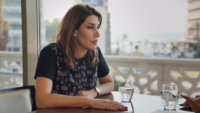
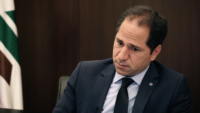
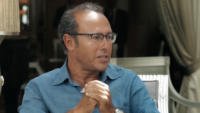
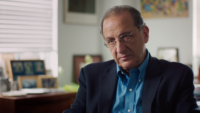
In the Q & As after each screening, people come up to me and say, “Oh my God, I had no idea this is happening in Lebanon! How do I vote?
And not only immigrants. Second, third and fourth generation Lebanese are some of the most moved, young people in their 20s whose parents, grandparents and great grandparents came from Lebanon. They ask, “What can I do? How can I help?”
MORE ABOUT THE FILMMAKER
Tell me about you. Who is Daizy Gedeon?
I am a mother. I’m a journalist, I’m a writer, I’m a creative artist. I’m a business owner. I’m on a mission.
I’ve always believed something internally is driving me and I’ve always relied on my internal compass. I believe it is divinely led. Faith is important to me. I believe in God but I’m not necessarily religious.
I have a strong work ethic from my parents. They struggled after moving to Australia, working three jobs just to give us stability. They also taught me strong values, to be honest, humble and grateful.
I believe the world is what you want it to be. Nothing is impossible; you just have to be determined to achieve it. That’s why I believe we have to be determined as a country and as a people to make Lebanon what we want it to be. If we give up, all is lost. We are on a historic mission. This is an important moment in Lebanon’s history.
Why did you become a journalist?
I’ve always been a passionate lover of history. I love stories and I love facts. I’ve loved writing always. My English teacher in high school read one of my assignments and told me, “You have a real gift. You should consider a career I writing.” I followed that path and I loved it.
I could write articles or I could write books but fewer people are reading and I want to be able to reach people. That is why I made my first film.
Why is ENOUGH! important?
Beirut was once the Paris of the Middle East, but corruption has dimmed its light. Still Lebanese people are determined to be happy. They have a beautiful country but they do not even have the basics they need—a stable currency, electricity and water. There’s no safety. There’s garbage in the streets.
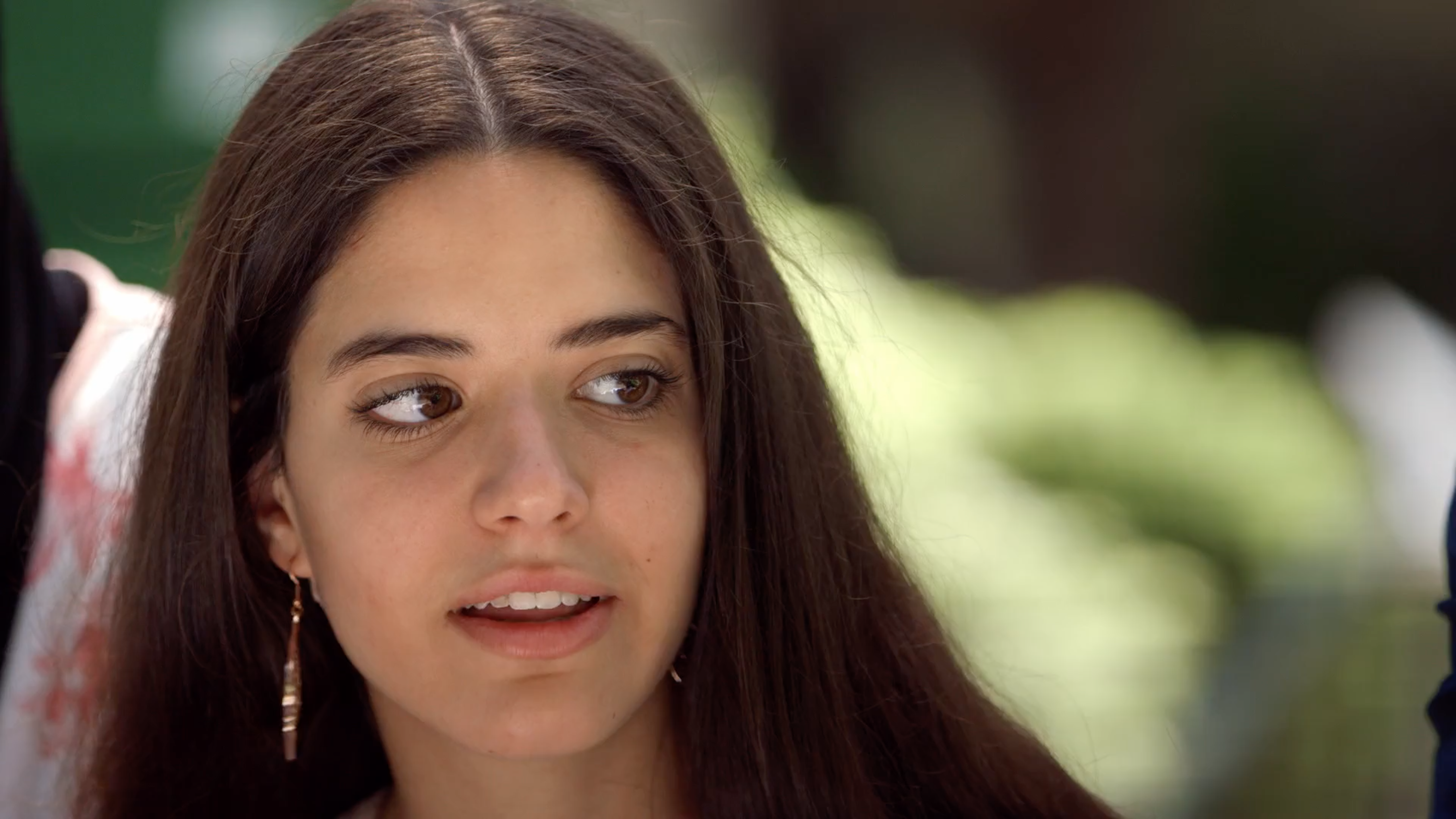
In Lebanon, people are dying to live.
I said to my kids, there is nothing more important I could be doing than this. There is nothing more important I could be doing with my life. This is what I stand for.
Interviewed by: Patricia Bitar Cherfan, Founder and Editor-in-Chief
 Signature Boutique