Photos by: Imad Diab
Scientists are trying to discover how Lebanese athlete and adventurer Michael Haddad, who is paralyzed from the chest down, can accomplish incredible feats as he trains to cross 100 kilometers in the Arctic to bring attention to climate change.
“Disability is a state of mind” is Michael Haddad’s life philosophy. A bold, moving and adventurous individual, Haddad is a figure who commands great respect and awe. At the age of 6, he suffered a spinal cord injury due to an accident that left him paralyzed from the chest down, resulting in a complete loss of 75 percent of his mobile motor functions. And yet against all odds, and despite the fact that everyone said he could never walk again, he defied science and the medical world and actually stood up and took his first steps.
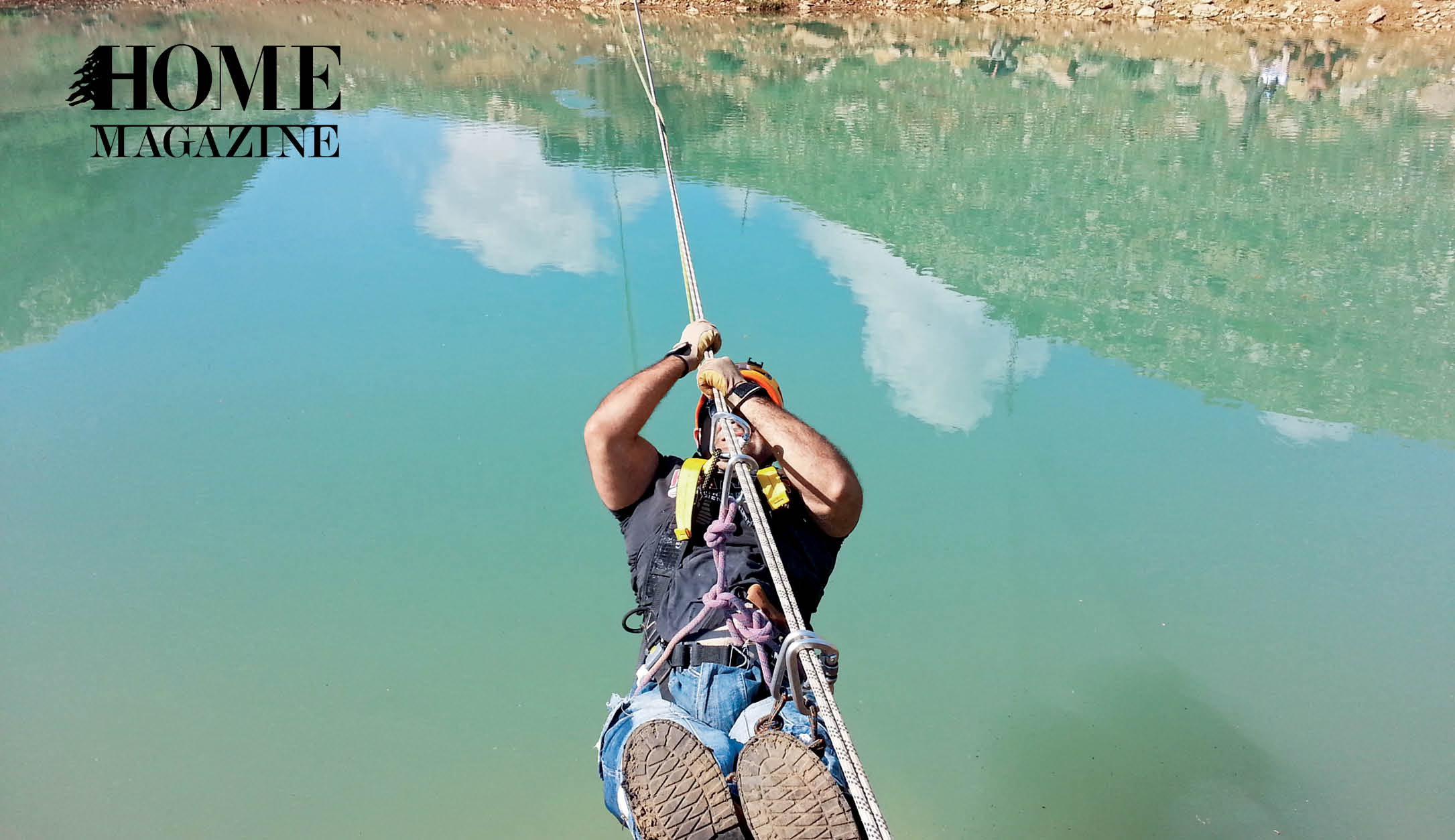
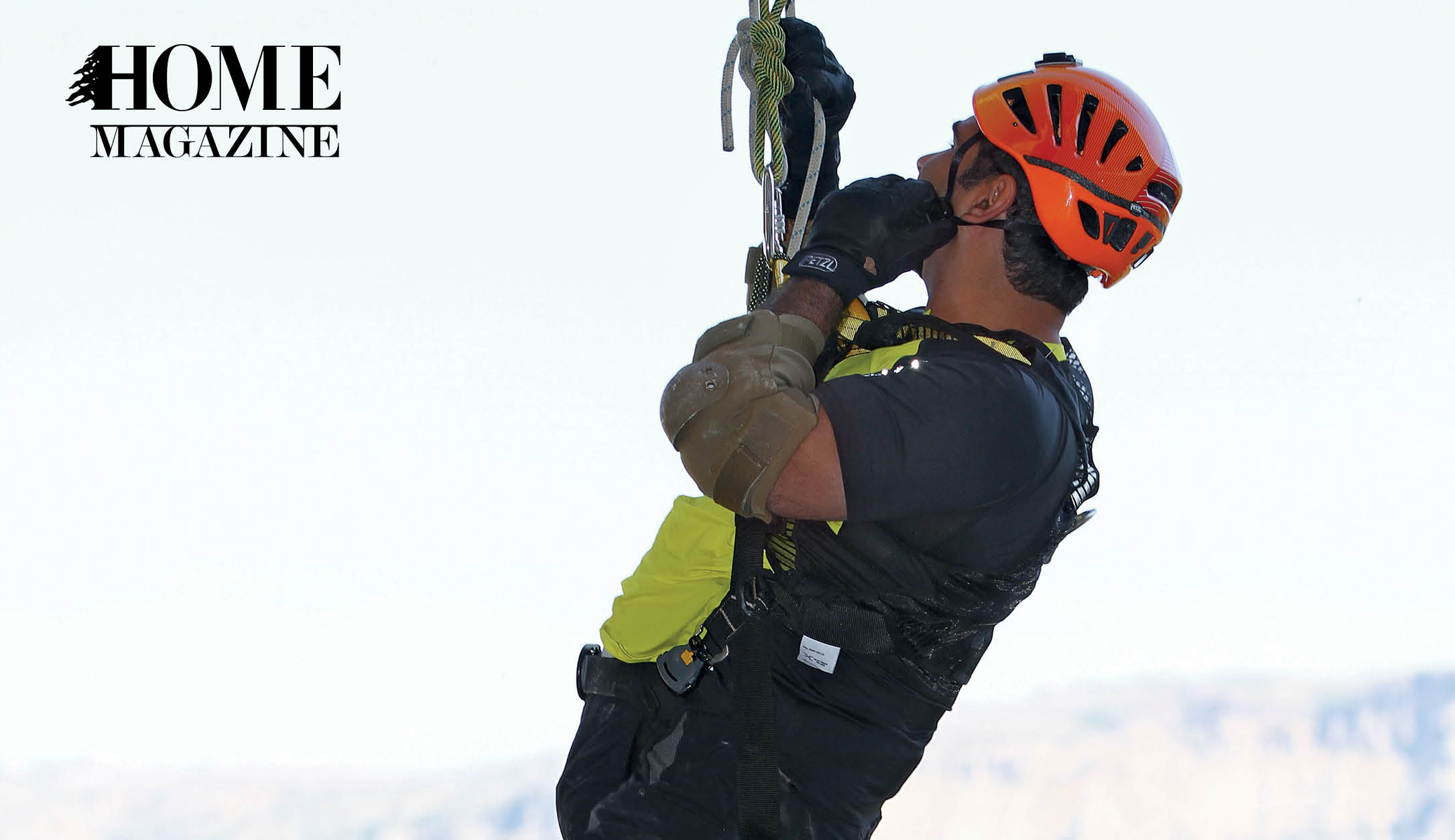
What he did next is nothing short of miraculous as he devised a way to become mobile, much to the bewilderment of science. Haddad’s body is supported by a non-robotic exoskeleton that stabilizes his chest, shoulders and arms so he can propel his body forward and move solely using the strength of his upper body and phenomenal will. And yet Haddad doesn’t only stand and walk; he performs as an athlete. And this raises a question many across the globe want the answer to: how can someone who is paralyzed accomplish such outstanding feats?
This question has triggered medical and engineering researchers to develop a method that others can use to change their lives based on Haddad’s unique technique. It has sparked a journey into engineering performance and brain modulation in the hope that it will enable countless people with similar injuries to become mobile and to further study the extent of the power of the human body and brain. And so, Haddad is now at the forefront of an effort to give back to humanity through scientific research.
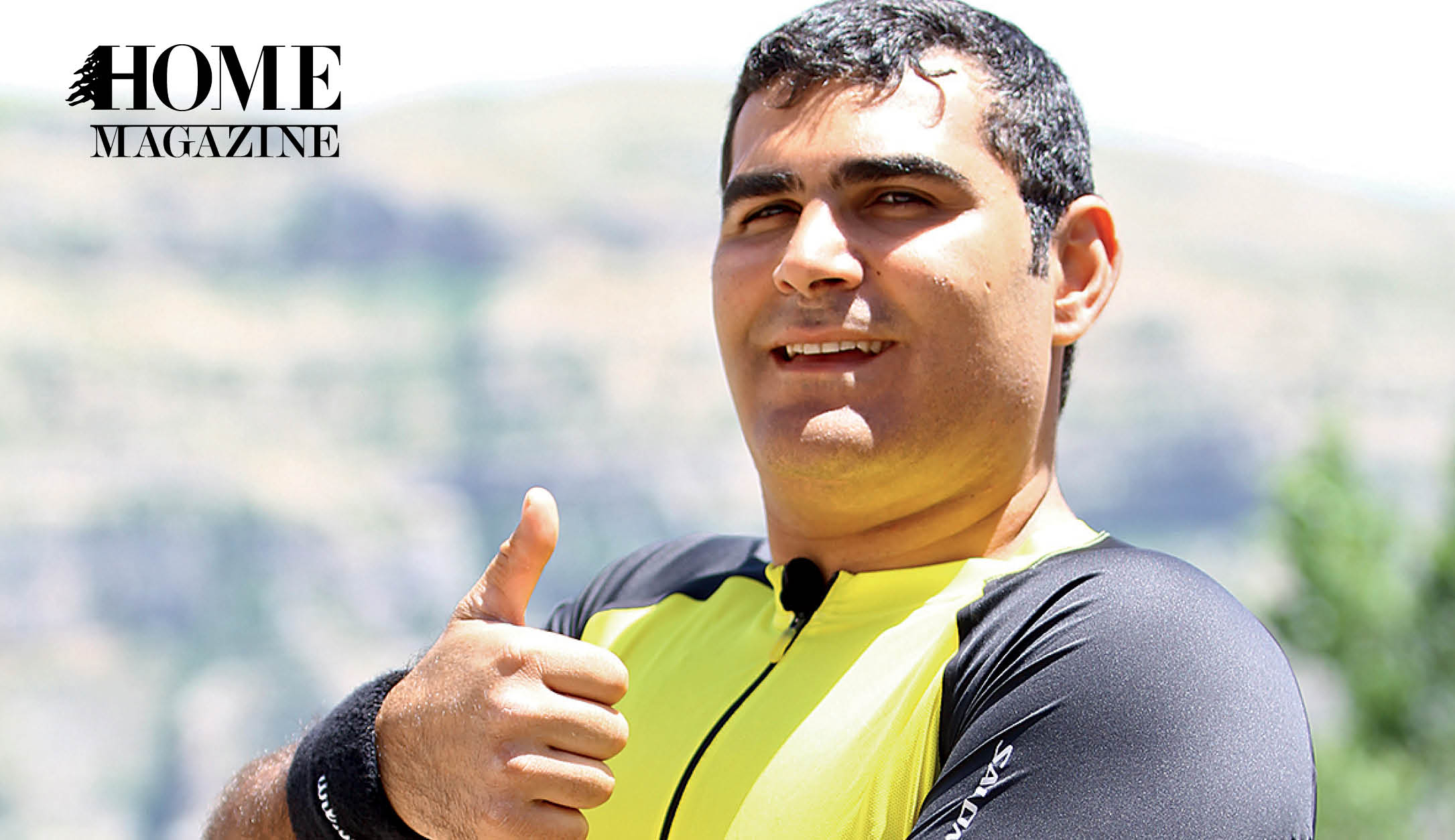
As Haddad explains it, “the ‘we’ is so important and is related to the ‘I’. After all, each one of us has a duty to give back to humanity as a whole. I am risking my life because I firmly believe in this cause. There’s no methodology and so we are creating a methodology to examine the potential of the human brain and performance.” Or as others have commented, it is a quest into “exploring something not explored before.”
Haddad is a man on a mission and a journey of discovery: “Through trial and error I am always trying to explore myself and the reason why I am here and the reason why I’m doing this. This is the story of my life. But I have learned a couple of things in my life. There’s nothing called ‘impossible’ because the human potential is unlimited, especially through the human mind and perseverance. We learn together. We overcome barriers together. We position ourselves together.
A person alone can’t do anything, but we can change things together. The most important thing is to spark change that bolsters humanity and creates a more humane world. We have to teach future generations not to lose their values and to go beyond. In my case, I decided not to surrender to disability. I broke the barrier of impossibility and then decided to go beyond. And we as individuals have the ability to go beyond things. And this is the beautiful part: to not give up, to embrace failure, to learn to overcome obstacles together, and to move from the individual to see things on the scale of humanity at large.”
“Disability is a state of mind.”
And Haddad has the resilience and daring to go beyond. He is currently planning to cross 100 km of the North Pole to call for world action since the Arctic ice is melting and climate change is a reality. A paralyzed man covering 100 km of dangerous ice. And that’s the tip of the iceberg.
In addition to this, over the years he has strived to raise awareness for the environment, reforestation, marine life and global warming. He has amazingly endured all obstacles and achieved three records in walking, climbing and snowshoeing in extreme environments. Named United Nations Development Program’s Lebanon Climate Change Champion in 2016, Haddad has worked tirelessly to promote two causes of equal importance to him: environmental awareness and scientific advancement. And now Haddad has set himself a new challenge with international impact.
And in the context of the incredible feat of crossing the Arctic, a whirlwind of scientific research, engineering, innovation and medical studies over the past two years has focused on the brain’s ability to overcome physical paralysis.
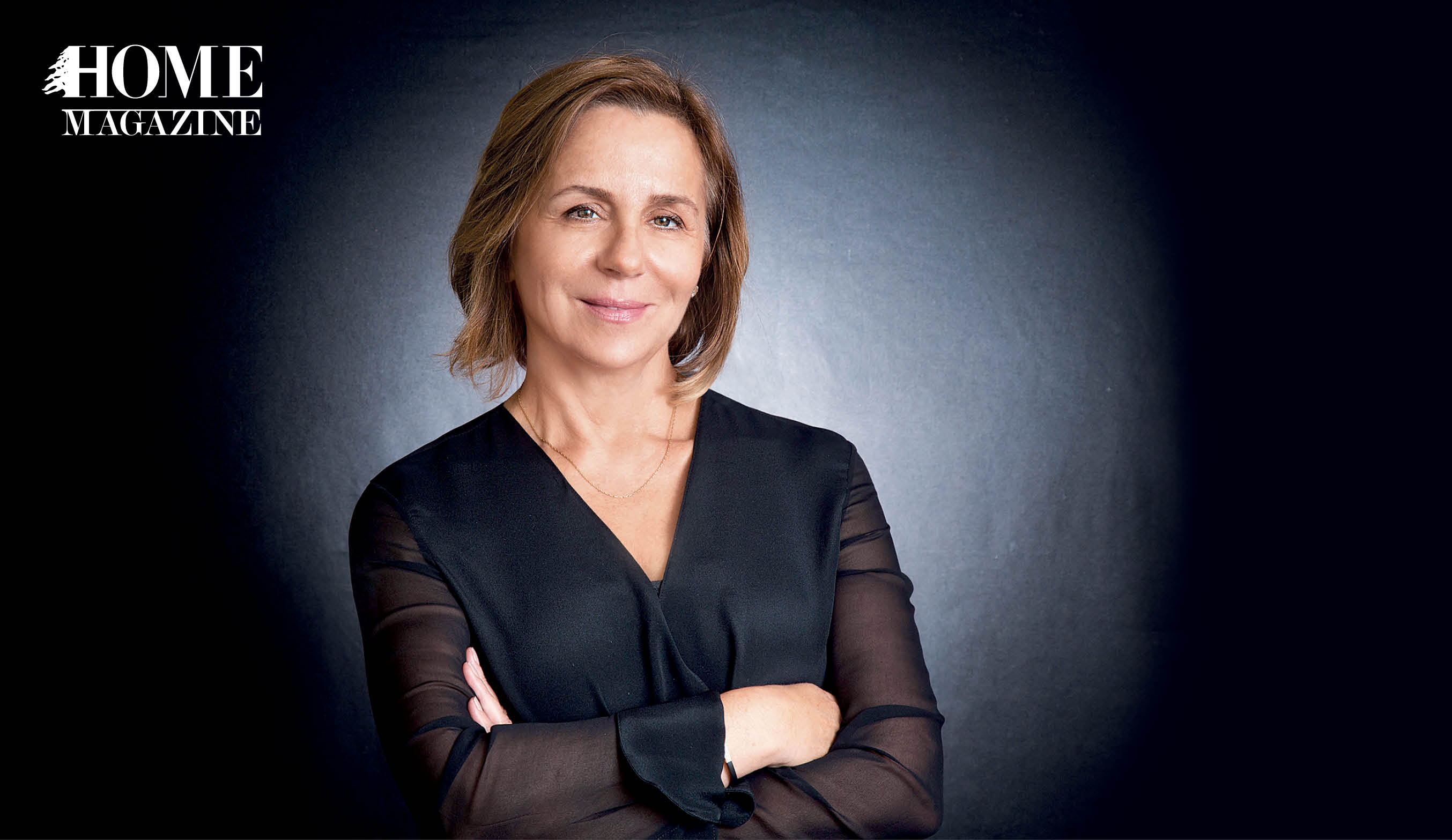
The studies are being conducted in collaboration with a diverse team of specialists. “Michael shouldn’t have been able to stand nor move using the primitive exoskeleton he had previously worn. But he was able to use his upper body muscles for balance in a way few paralyzed people can,” says Barbar Akle, mechanical engineering professor at the Lebanese American University (LAU). Akle is the leader of the LAU Exoskeleton Project researching Haddad’s unique ability to walk. So far, simulating Michael’s walking pattern has shown that it requires exceptional muscle energy, fast brain stabilization and greater balance than a person with chest-down paralysis normally has.
This Arctic challenge not only supports the United Nation’s 13th Sustainable Development Goal and highlights humanity’s role in preserving the environment. It’s a call for global action. But first and foremost, it is a rare opportunity to offer the world pioneering scientific work and research. After all, for such a person to cross the North Pole is as newsworthy as putting an astronaut on the moon. The groundbreaking medical, scientific and engineering efforts behind this project are “history in the making for humans and our planet,” as Haddad describes it.
For more info: http://www.michaelhaddad.org/
HOMEland THEMES
Coming Soon
HOMEland Events & Collaborations
Coming Soon
 Signature Boutique