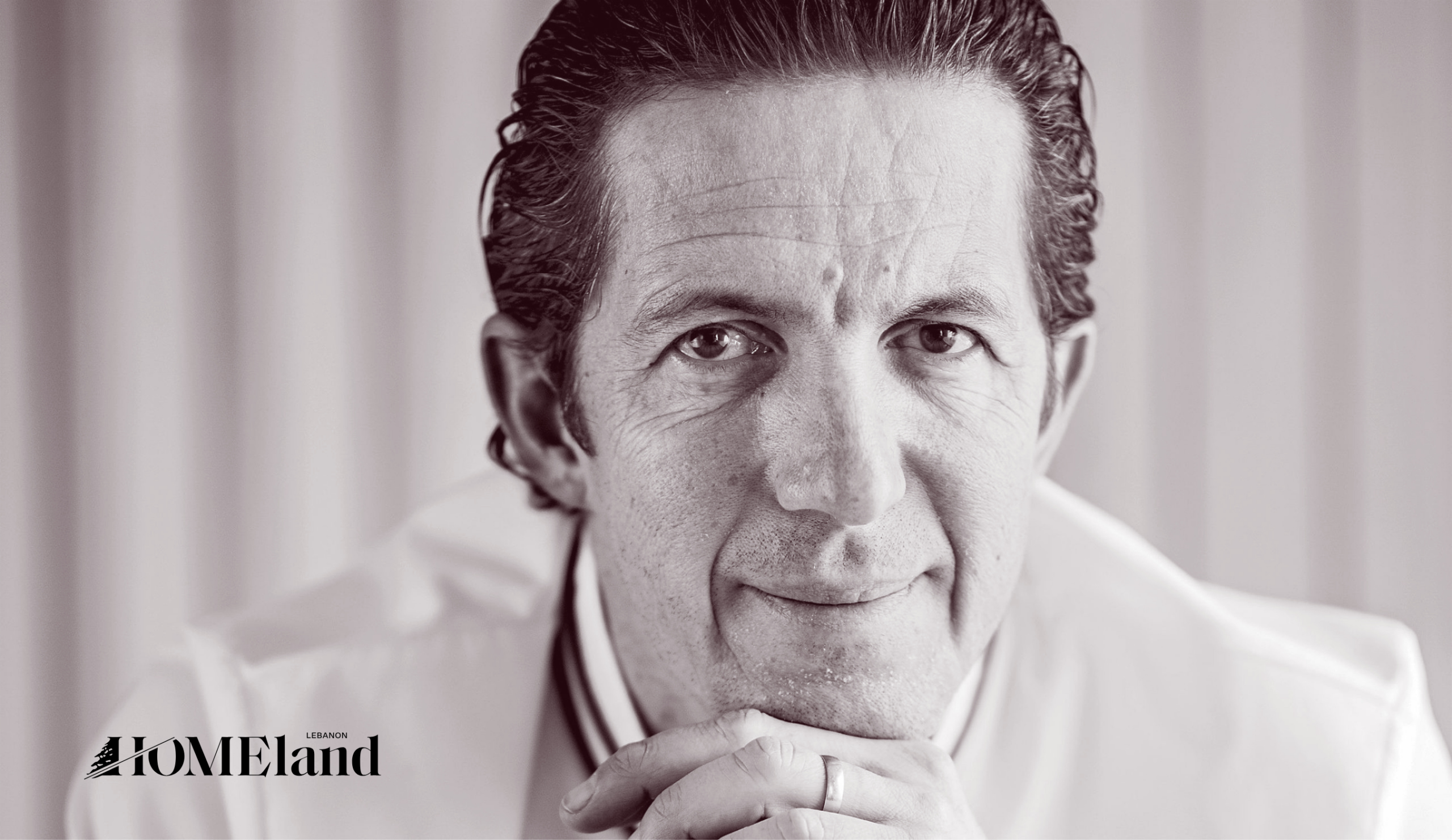
Interviewed by Editor-in-Chief, Patricia Bitar Cherfan
“Winning was like being shot out to a whole other galaxy,” says Christophe Bacquié. Since receiving his third Michelin star, Bacquié joined the elite force of the culinary world. Ranked among the top 30 chefs worldwide, he runs an eponymous restaurant in Hotel du Castellet that attracts food enthusiasts with his Mediterranean-influenced dishes. With a buffet of accomplishments to his name, this exclusive interview with Bacquié at the yearly Horeca tradeshow takes the lid off to find out the secret ingredients to his success.
The secret brew to making it big
Looking back on his younger days in Corsica, where he was born and raised, Bacquié did not foresee this high-flying career in the kitchen for himself. “I have always loved to eat well but that is not what led me here. It is my love for ingredients and, most of all, for people. You have to love people in order to feed them well,” he says. Bacquie is all heart and no ego. When asked about his success, he says with a dollop of humility, “I am lucky to have been surrounded by amazing people. Working in the kitchen is a team effort.” He challenges a popular view that many of us hold: that successful people make solo expeditions to the top.
For those that watch wildly popular shows like Hell’s Kitchen or Chopped, the occupational hazards of being a chef are intense: hard work, long hours, stressful conditions, and cut-throat competition. What traits does a chef need to make it? According to Bacquié, a generous portion of diligence with an extra serving of tenacity are absolute musts. “I demand the same amount of rigor and stubborn determinism from others in the kitchen as I do from myself,” he admits. In other words: If you can’t stand the heat, get out of the kitchen. Love for his community, passion for his profession, and respect for his surroundings are also paramount.

Feeding the senses
Even the most succulent dish, if unappealing to the eye, becomes inedible. “You eat first with your eyes, then your nose, then your mouth.” This famous Chinese saying about food captures the multi-sensory aspect of dining. Bacquié prescribes to a type of minimalism that is characteristic of nouvelle cuisine. The ceramic plate acts as a blank canvas upon which the artist-cum-chef imaginatively showcases his culinary creations. Restaurant-goers should not expect anything less from his restaurant, one of only two restaurants awarded the three stars in his native France in 2018. Pescatarians will be happy to learn that fish make up most of the items on his menu. His favorite things to eat? The Red Mullet, also known as Sultan Ibrahim, and John Dory fish grilled a la plancha.
“Mezza on the table naturally brings people together to share food.”
Although this marks his very first time to visit the land of the Cedars, Bacquié discovered an immediate affinity for the country, the food, and its people.
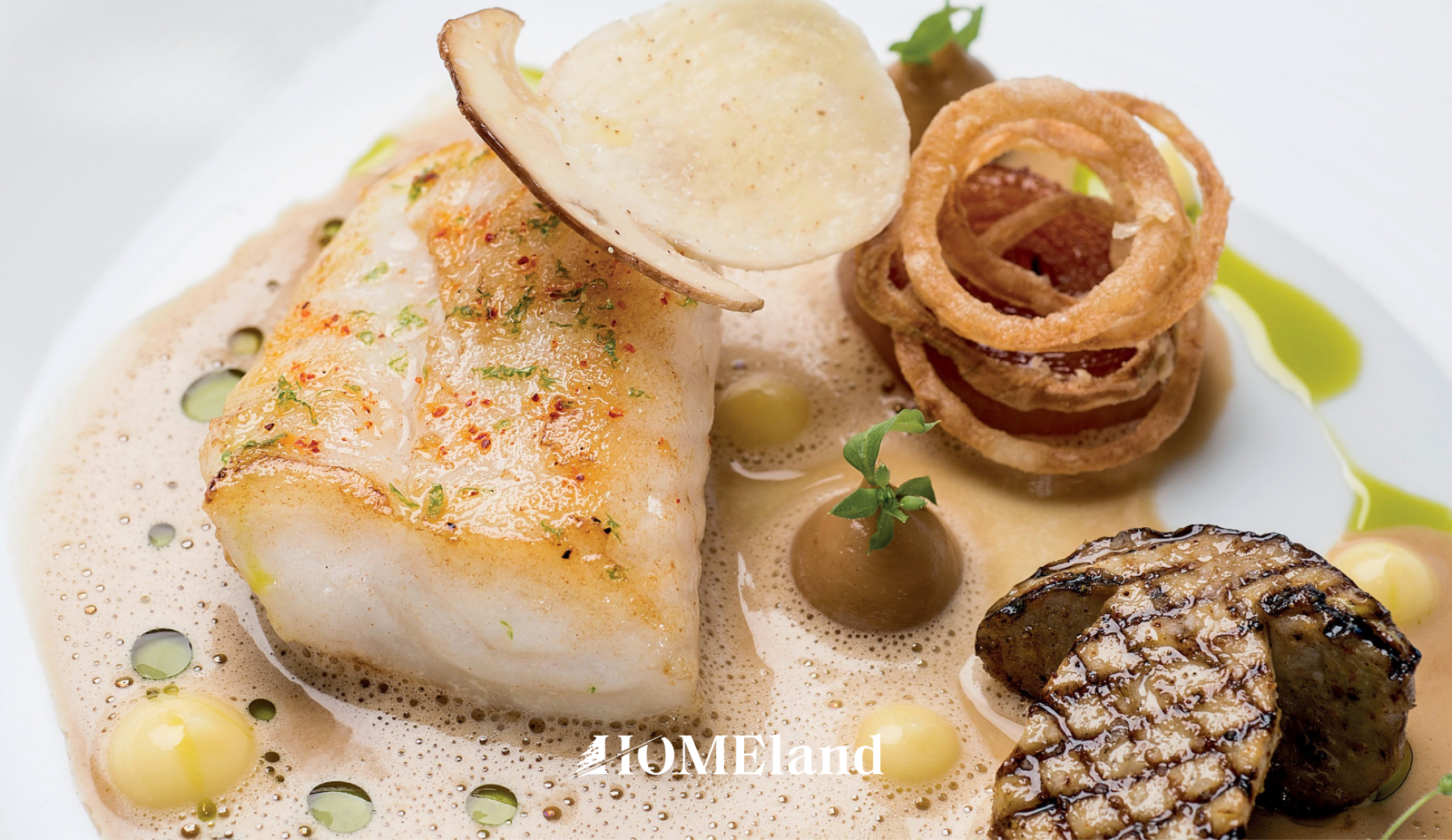 Dos de Saint-Pierre
“The Lebanese really transmit their love for their cuisine. It is a cuisine of passion and sharing that I adore. Mezza on the table naturally brings people together to share food. I find this magnificent. Certain Lebanese dishes and techniques can easily be recreated in Europe. It makes sense since we even share the same sea,” says Bacquié.
#FoodforChange:
Cooking with a conscience
In our globalized world, food tends to travel long distances before reaching consumers.
Some eco-aware chefs understand the need for sustainable practices in these critical times. In line with the local food movement, Bacquié factors his environmental footprint into his practice by building long-term relationships with his suppliers: the local fisherman. He has known some of them for years, building meaningful bond with them. “The people who provide my ingredients are from the neighborhood. They have become my partenaires de gouts . Lebanese chefs should especially seek out their local fishermen who have access to the Mediterranean and to work alongside them.”
He advises local chefs to befriend individuals at every link of the chain,from farmer until waiter. This holistic philosophy demands meaningful, personable relationships with producers versus the anonymous, systematized practices of our era. “We need to anchor ourselves in the local. Working on a smaller scale is what’s best for our planet. It is high time that we all subscribe to this philosophy,” he states with an infectious sense of urgency.
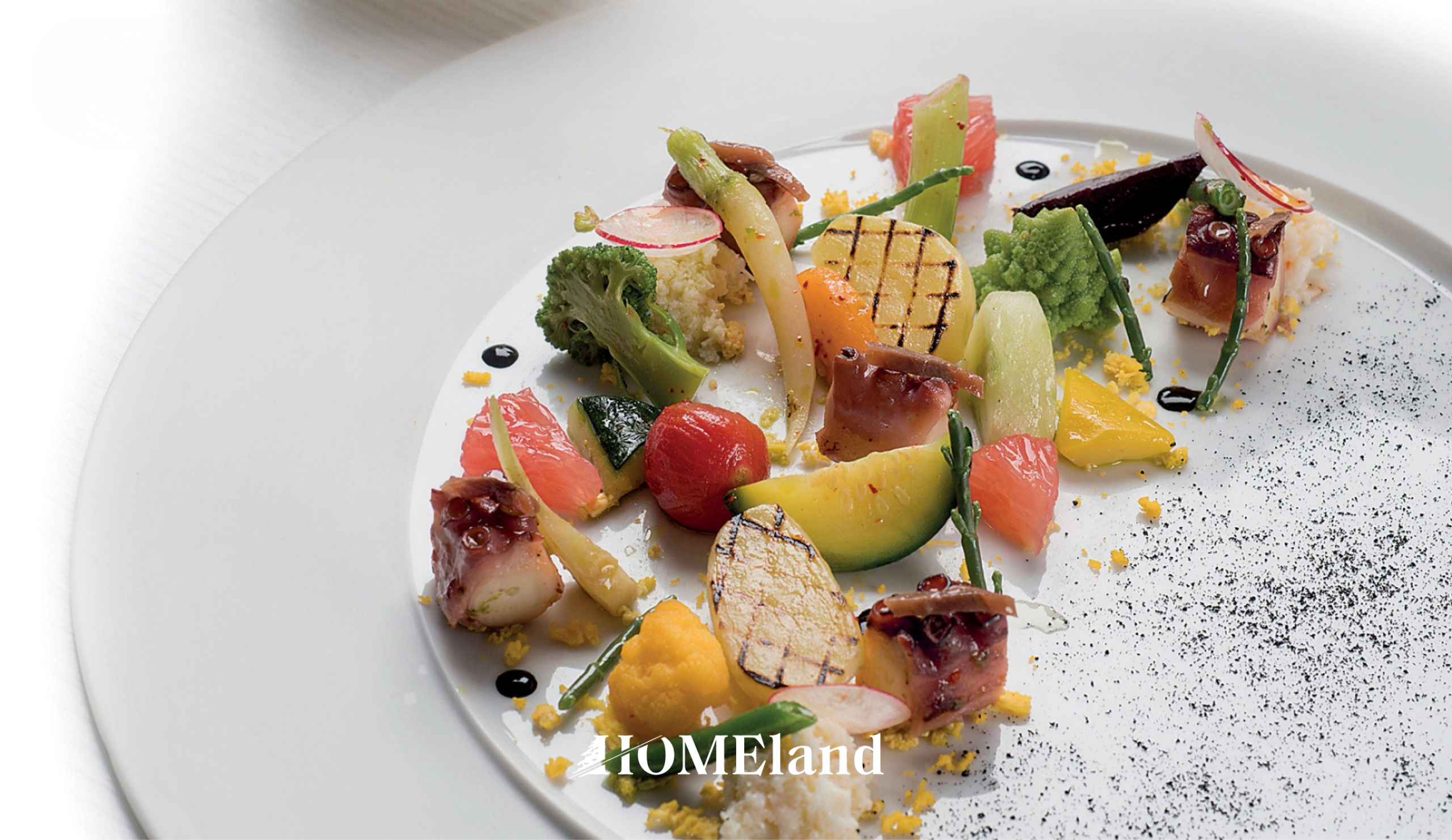 Aioli Moderne
Resisting the pull of the city by being in the countryside is another point which he stresses. Reconsidering alternatives to the metropolis revitalizes villages with new life, transforming obscure regions into cultural hubs. A single restaurant has the power to revolutionize how the greater public perceives a milieu and it is in the hands of chefs to think afresh on how they can contribute to these shifts.
The movement of mindful eating has left its mark in Lebanon. Non-profit Slow Food Beirut, has taken the lead through Chef ’s Alliance — a group of chefs committed to buying local, sustainable, and seasonal. Consumers can jump in on the action by swinging by Souk El Tayeb, a weekly market where small-scale farmers sell fresh produce.
“The people who provide my ingredients are from the neighborhood. They have become my partenaires de gouts .”
Memory, minimalism, and mama’s tarts
What does a world-renowned chef cook for his family? Under his roof, he keeps things straightforward.
“Sometimes, simplicity is best.” His children have inherited his deep appreciation for food. “I was surprised that one of my kids was able to recall, in detail, a specific dish prepared by Paul Bocuse (legendary French chef after whom the Bocus d’Or award is named) years after tasting it. It is important to foster this type of love and attention toward food and to teach it to others,” says Bacquié.
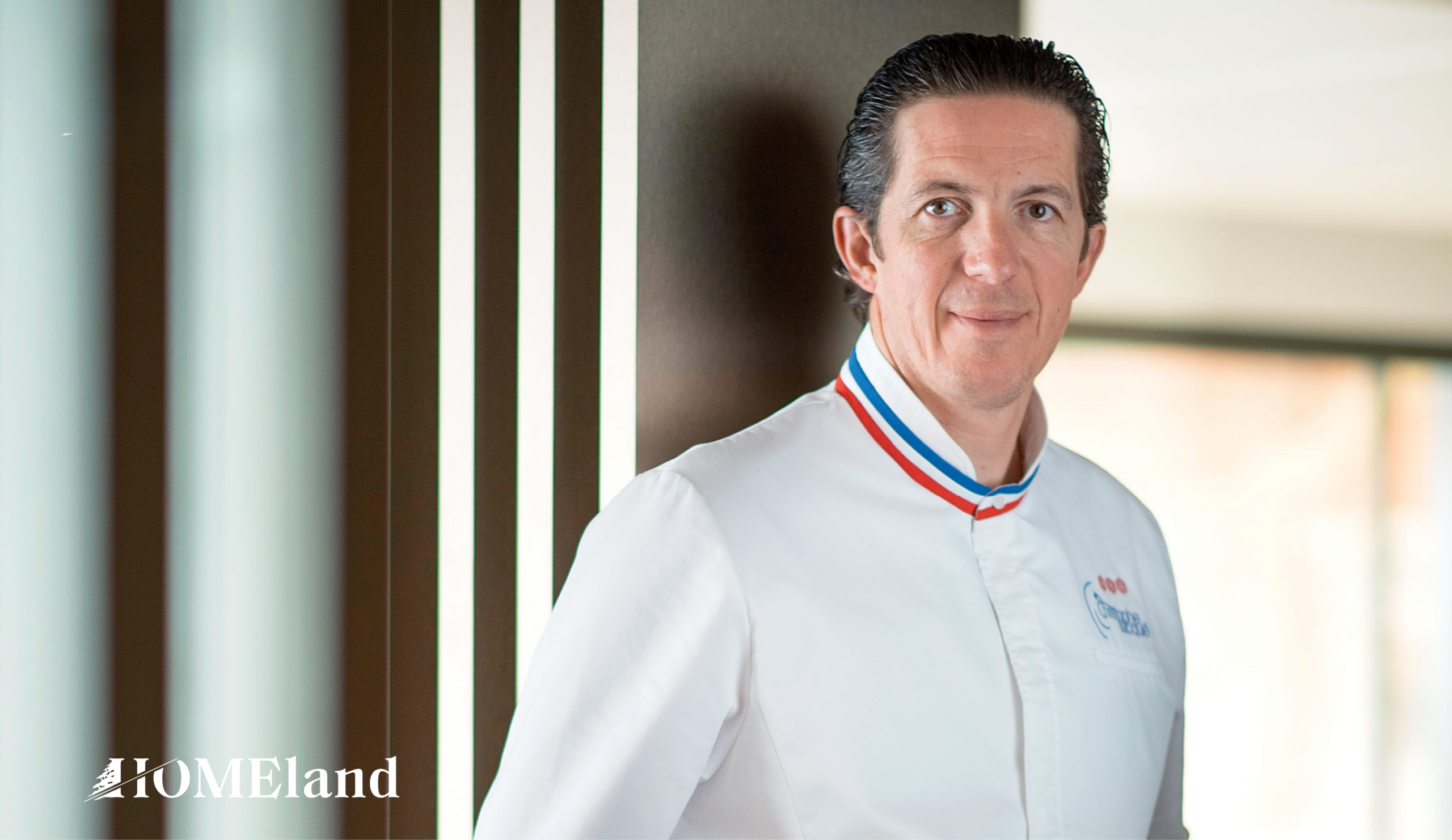 The MICHELIN Guide has been awarding stars for fine dining since 1926. With 30,000 restaurants across three continents on its radar, the guide is considered the ultimate yardstick for superlative cuisine. Only 140 restaurants across the globe boast the maximum score of three stars.
With a flair for language typically reserved for poets, the chef speaks of gustatory memory that anchors specific tastes in time. “With lemon tarts, I travel back in time into my childhood and onto my mother’s lap,” he says with a hint of rosy retrospection.
HOMEland
Coming Soon
HOMEland Events & Collaborations
Coming Soon
 Signature Boutique
 Signature Boutique