Lebanon and Greece play a major role in Effi Shammas’s cuisine. According to her, both countries have many similarities. It starts with their “joie de vivre”, their common deep family roots and ends with their love for sharing food. Family and friends gathering would be incomplete without a big table filled with different mezzés.
However, Greek cuisine is special for her. “This kind of food has proved to be the healthiest and is very widely cherished around the world .The fresh, colorful, tasty, Mediterranean aromas….,” expressed Mrs. Shammas.
Lebanese and Greek Cuisines
Both cuisines have much in common due to geographical proximity. Both countries have been affected by same civilizations (Greek, Romans, Byzantine, Ottoman…) and they’ve a very big cross-cultural exchange of culinary innovations. For instance eggplants, tomatoes, zucchini, peas, tahini, fish, lamb, goat meat and cheese are all examples of ingredients shared by both cultures.
Heritage’s Influence
Shammas’ Greek heritage has had a big effect on her cooking. She uses olive oil with almost everything, whether in making regular rice or a simple 1-2-3 cake. She gives utmost importance to using the freshest ingredients and organic fruits and vegetables, if available. Effi even grinds and mixes her own spices for she considers them an important part of a vibrant dish.
Effi gets her inspiration from the sea. “The sea evokes very mixed emotions in me. It represents the mother feeder, vacation and relaxation, childhood memories, travel, discovery, adventure but it also evokes fear and anxiety in stormy weathers,” says Effi.

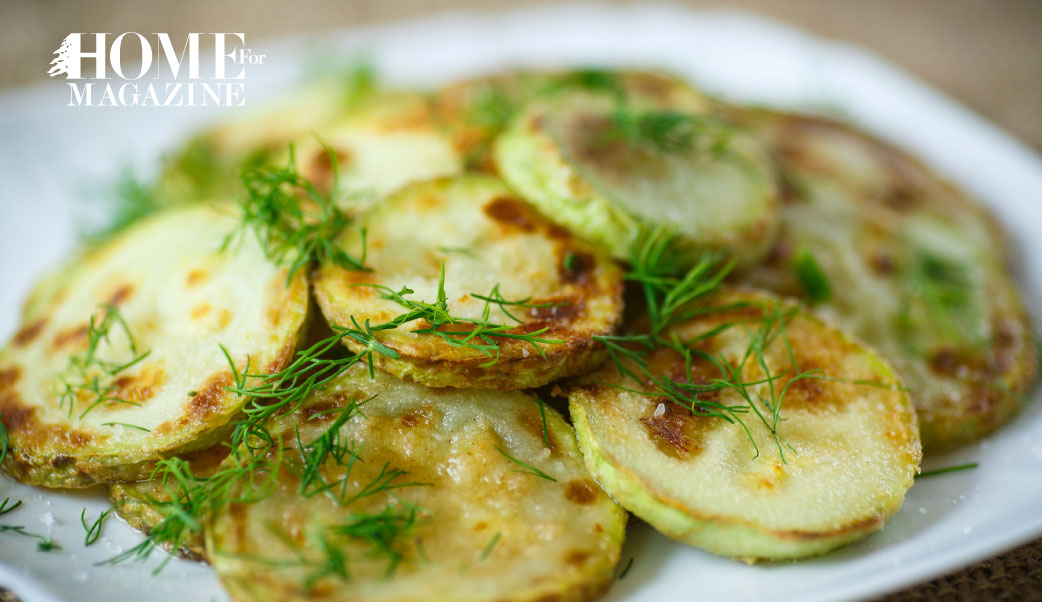
FRIED ZUCCHINI
Ingredients:
- 1kg zucchini
- 1 cup flour
- Oil for frying
Dicrections:
1- Clean the zucchini, cut them into very thin slices, and salt them. Leave them for about two hours. Strain the zucchini and dip them in flour. Fry them immediately.
2- Once ready, transfer the fried zucchini to absorbent kitchen paper and drain the oil. Ready to serve!
Tip: Best eaten with tzatziki (Strained yoghurt with small cucumbers, garlic, salt and dried mints).

GREEK SALAD – HORIATIKI SALATA-
Ingredients:
- 6 tomatoes – coarsely chopped
- 3 cucumbers – coarsely chopped
- 1 red onion – sliced
- 1 green pepper – sliced
- 200g black olives – marinated
- 220g feta cheese – coarsely chopped
- 1 teaspoon of dried oregano
- 125ml (½ cup) olive oil
- 60ml white vinegar
- 1 teaspoon salt
Dicrections:
1. Combine tomatoes, cucumbers, onion, green pepper, olives and feta cheese in a salad bowl. Sprinkle with oregano and salt.
2. Whisk together the oil and vinegar in a jug. Drizzle the salad with dressing and serve immediately.
Tip: The secret of this dish is to use very fresh ingredients. you can also add some capres for extra flavor.

PRAWN SAGANAKI
Ingredients:
- 5 kilo prawns
- 300g feta cheese
- 400g finely chopped tinned tomatoes
- 2 onions – finely chopped
- 3 cloves of garlic – finely chopped
- half a cup of olive oil
- 4 tablespoons of ouzo
- parsley: 1 cup, finely chopped
- salt
- pepper
Dicrections:
1. Clean, devein the prawns and remove its shell, just keep the tail. Parboil in a bit of water that you will keep for later. Leave them to drain in a colander.
2. Heat the oil in a large non-stick frying pan and sauté the onion and garlic. Add the tomatoes, the ouzo and the water in which the shrimps boiled. Add salt and pepper and let the sauce cook and bind. Cut the cheese into cubes.
3. Add the parboiled shrimps and stir. Add the cheese, the ouzo and half the parsley. Stir and pour the contents of the pot into an ovenproof dish. Cook for 15-20 minutes so that the cheese melts. Remove from the oven, sprinkle with the remaining parsley and serve.

WALNUT CAKE – KARYDOPITA –
Ingredients:
- 1 cup ground walnuts
- 1 cup ground kaak
- 1 cup sugar
- 6 eggs
- 1/4 cup cognac
- 1 lemon zest
- 3 tsp baking powder
- 1 tsp cinnamon powder
- Syrup
- 1 ½ cup sugar
- 1 cup water
Dicrections:
1. Beat the 6 egg whites with half the sugar and the lemon zest into a meringue.
2. Beat the 6 egg yolks with the rest of the sugar and gradually beat in the rest of the ingredients. Add the beaten egg whites at the end.
3. Butter your pan and add some flour.
4. Pour the cake batter.
5. Make the syrup. Just when the sugar starts boiling wait 5 min and turn off.
6. Pour the syrup over the cake just when it cooks.
For more info
www.icookgreek.com



HOMEland
Coming Soon
HOMEland Events & Collaborations
Coming Soon
 Signature Boutique