Why is George Gershwin’s Rhapsody in Blue, um, blue? How does the human brain work? What is the secret logic behind the magic of card tricks?
An informal group of friends started gathering in Beirut a decade ago to discuss such eclectic questions. Friends brought friends, many who were experts on interesting, if sometimes obscure, topics from science, art, music, philosophy, literature—you name it. The group established regular meetings to entertain and educate each other, and Karaz w Laimoon was born.
A modern-day intellectual salon
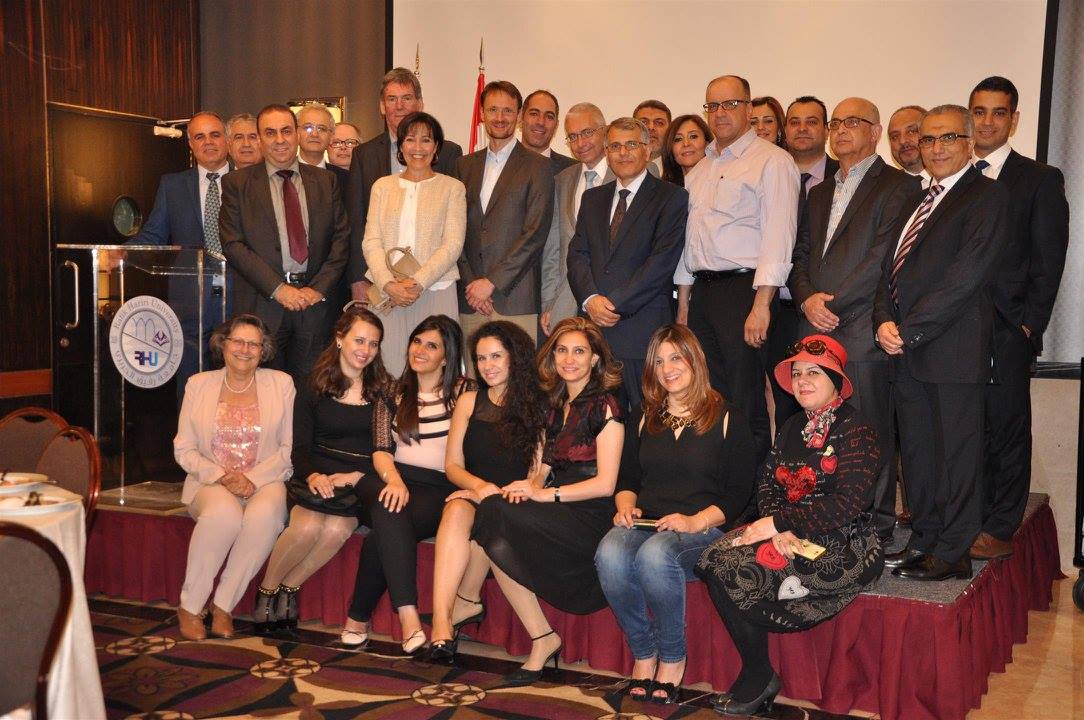
A modern version of the 18th century Parisian salon, Karaz w Laimoon holds meetings for the exchange of knowledge and ideas. Its participants include literary and film buffs, scientists, musicians, writers, historians and other scholars, and the generally curious.
While about 80% of the discussions are in English, they are occasionally in French or Arabic. The usual crowd skews older (50 plus), includes more women than men, and more Francophones than Anglophones, even though most talks are in English.
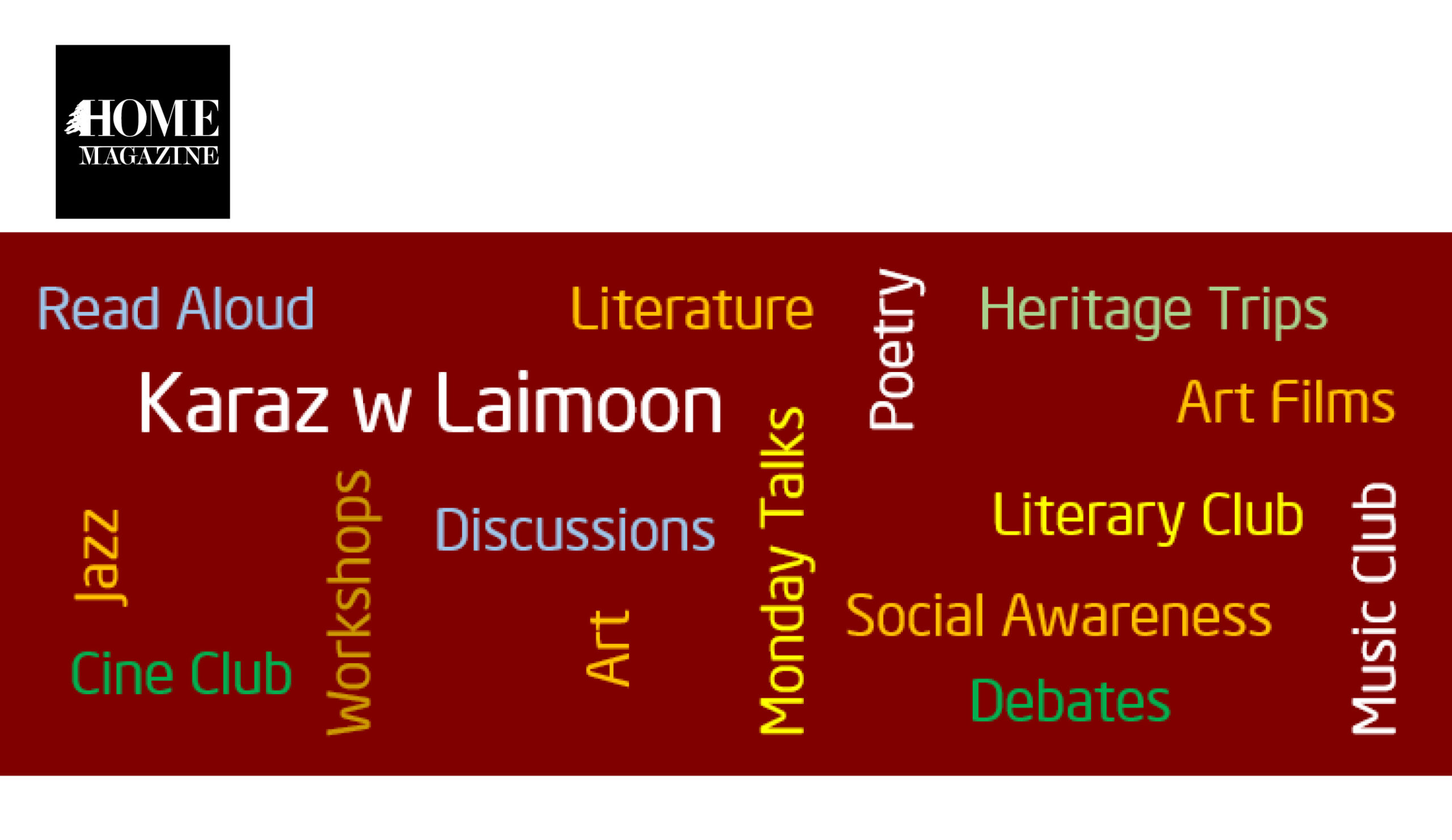
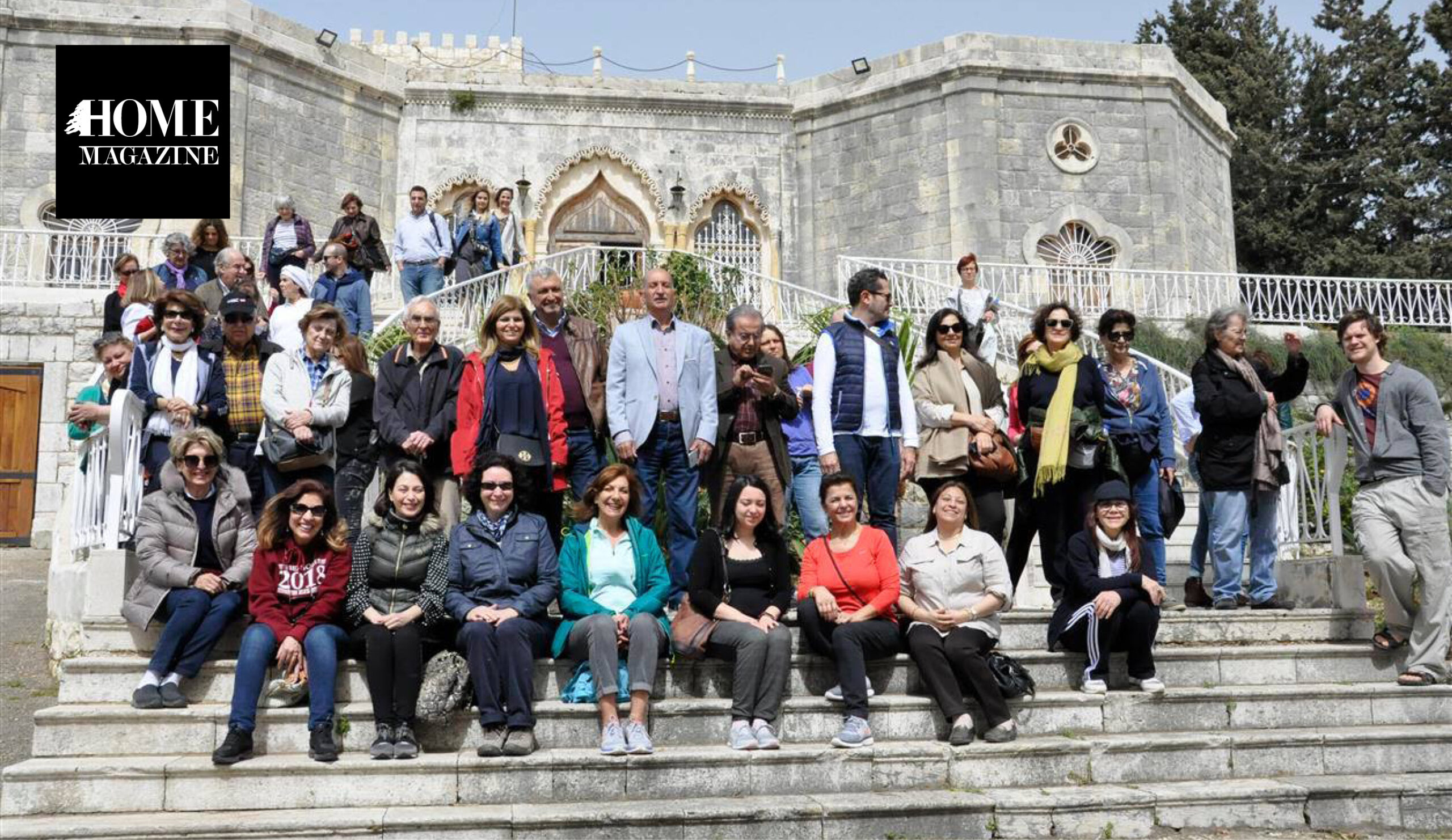
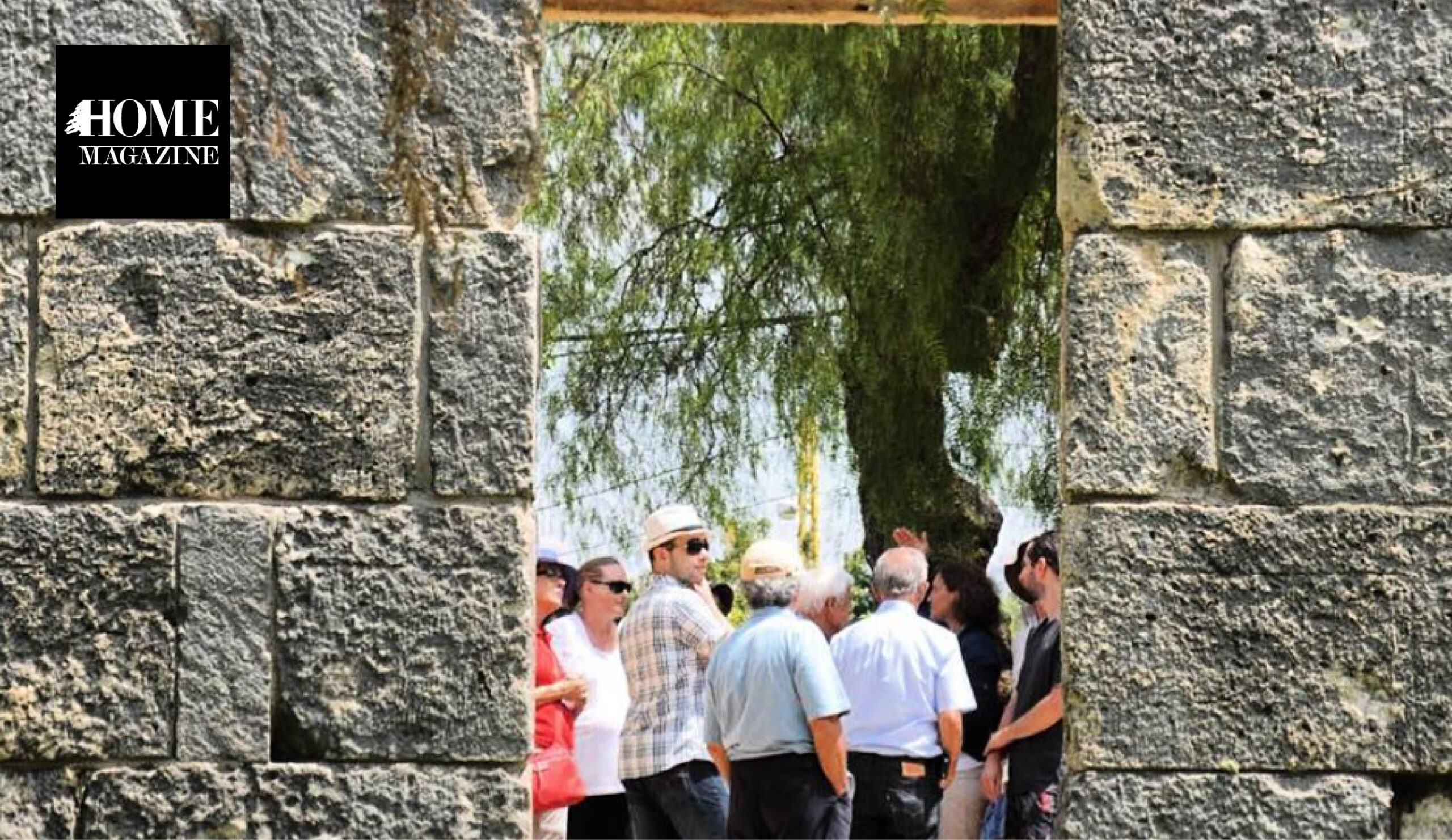
In the past 10 years, Karaz w Laimoon has met in museums, old mansions and coffee shops to screen films, share stories and discuss a wide range of topics. The group has also taken trips to explore Lebanon’s ancient and historical sites.
The meetings recently moved to Zoom, where participants from around the world, mostly of Lebanese descent, join in rich conversation weekly.
At heart of each traditional Parisian salon was an inspiring host. For Karaz w Laimoon, that role is filled by Akram Najjar of Beirut, a music, literature and film aficionado, and a writer of technical books, short stories and poetry (although he admits to having a love-hate relationship with poetry).
The business technology consultant has an encyclopedic knowledge of music, literature and film, and can carry his weight on many other subjects, including architecture, art, history and more. Karaz w Laimoon’s programming follows his wide-ranging interests, drawing on his own deep knowledge and his wide pool of expert friends. In addition to Najjar, speakers have included artists, scientists, neurologists, historians, photographers, writers, calligraphers and more.
Topics have ranged from the mafia to the masbaha (prayers beads), from calligraphy to Beethoven’s method of composing, from the science of the brain to the hakawati (storytelling) tradition and Lebanon’s maritime heritage, from Shakuhachi (the Japanese flute) to Schubert.
In a recent Zoom meeting with HOME Magazine, Najjar explained, “I will not bring someone to talk about conflicts in Lebanon or the banks or things people always discuss. People come to the talks because the subjects are unusual.”
When he is not preparing to lead a presentation, which Najjar admits “takes a lot of time,” he is working behind the scene to schedule speakers, send out email invitations and follow up on the registrations. “It doesn’t take more than an hour and a half per week and I’m quite happy to do it,” he said.
Why? “First, I sometimes give my own talks and I like to do that. To introduce films or music, and share other things I enjoy, like puzzles, is fun.
“The other thing is, when you reach my age, old friends are doing different things in different places. Karaz w Laimoon has allowed me to get new friends who are interested in the same things.
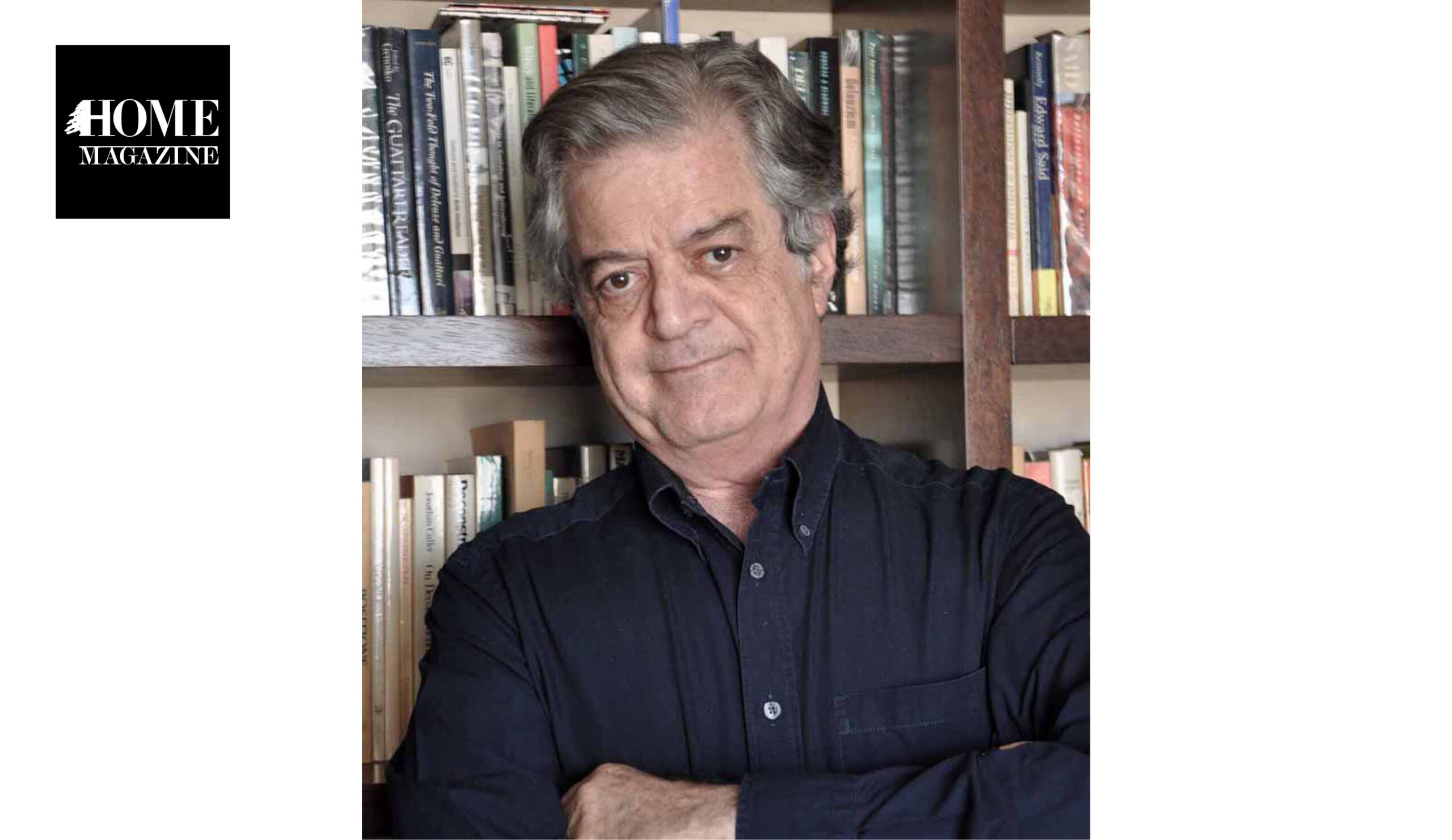
“There are no social obligations. You don’t have to visit them. You don’t have to invite them next Tuesday because they invited you this Tuesday,” he said.
“And people are always generous. Whenever they come to a nice talk, they always call back and say, ‘Look, I know someone who is really great in poetry. Would you like to talk to him? And I always say, ‘Yes, sure.’ So, by word of mouth, we get more speakers and more attendees.
“And when people say, ‘Hey, you know this subject you introduced, we never knew there was something like that,’ I feel very happy.”
Karaz w Laimoon is not the only discussion group in Beirut, Najjar noted. Café Scientifique holds discussions about science at Aliya’s Café. Several book clubs and storytelling groups meet, other organizations arrange cultural heritage trips, he said. “But Karaz w Laimoon is unique in the diversity of topics it addresses and in its longevity.”
What’s in a name?
In 2010, Najjar’s friend Zahira Makkawi was involved in the American University of Beirut’s University for Seniors. She brought him and he offered a few workshops on how to listen to music. As the talks attracted more people, Makkawi and Najjar decided to do something different, a gathering in a central place for anyone who cared to join in.
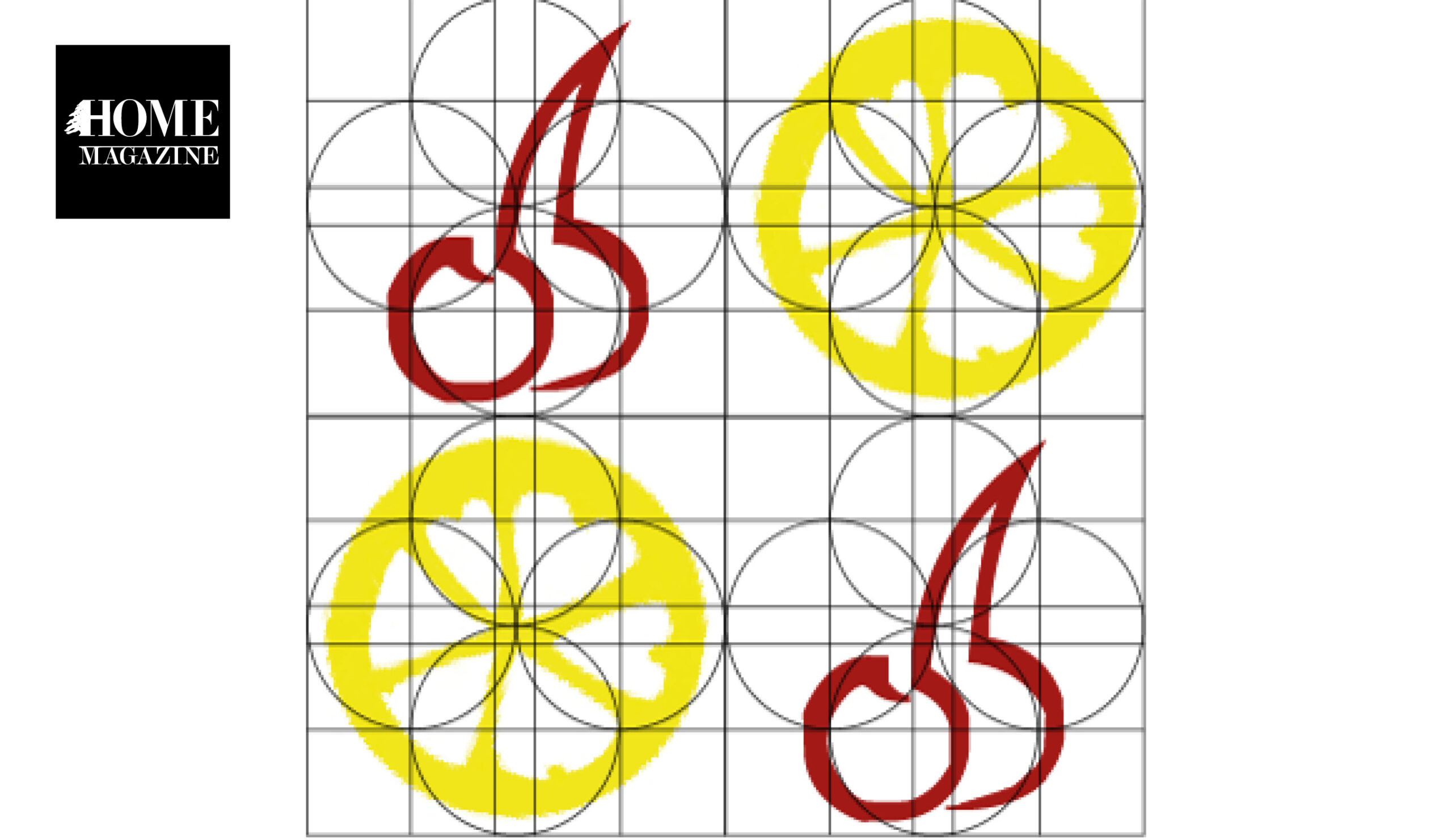
Selecting a name for this venture was an exercise in aesthetics. They noticed Makkawi always wore bordeaux and they agreed yellow looks good with it. “So why not Karaz w Laimoon (meaning Cherries and Lemon)?” said Najjar. The “k” provided a strong sound at the start and the double name had a nice rhythm. “The name initially had no meaning, but later we found an explanation. We do cultural events and social awareness. Culture is the karaz and social awareness is the laimoon.”
Makkawi is still involved. “She reaches out to include new people, is helpful in whatever is needed, and finds solutions when problems arise,” said Najjar.
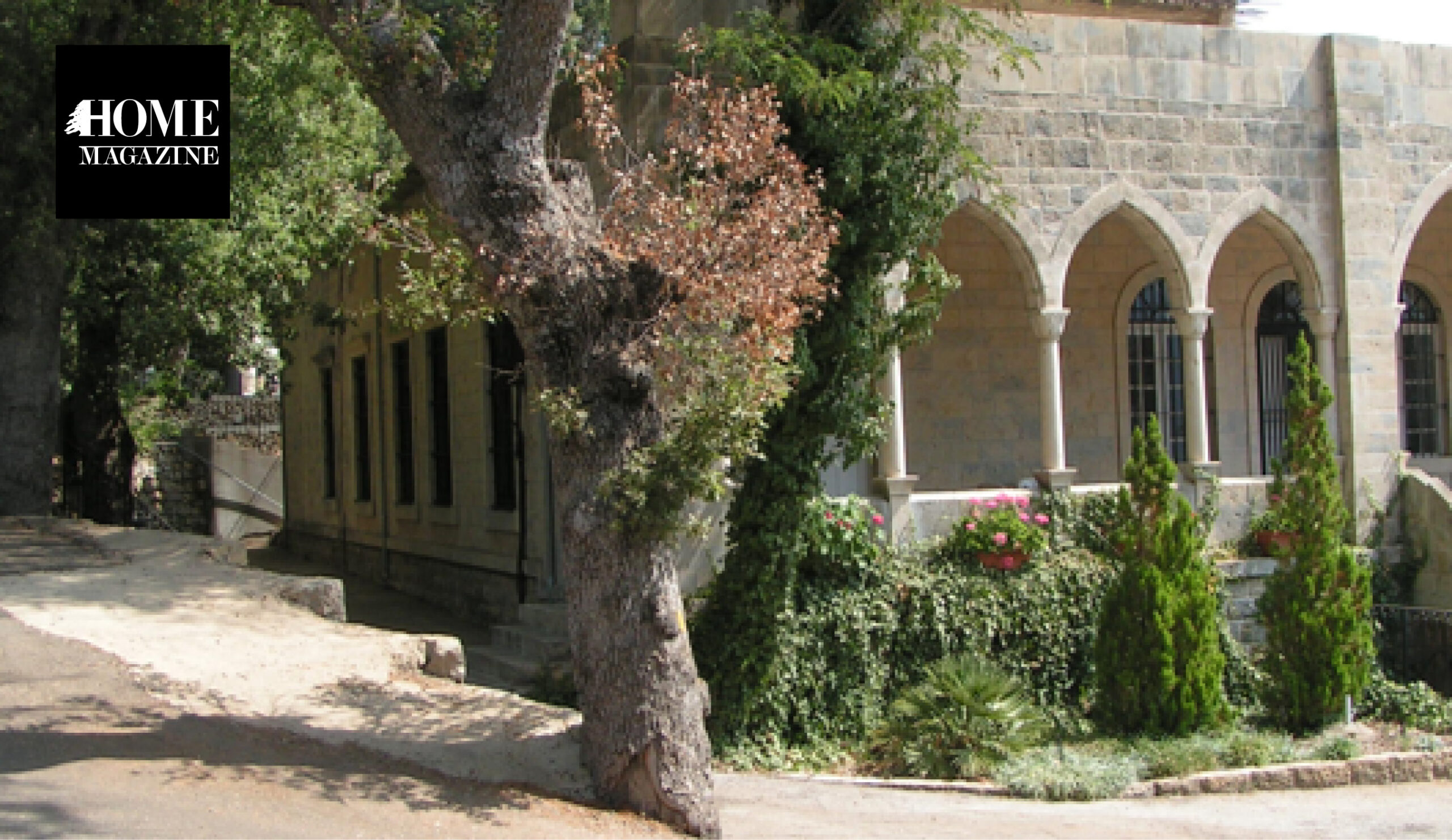
One problem that came up from time to time was finding a permanent HOME. They wanted a central location, convenient to people both north and south of Beirut. In Spring 2012, they met in the Robert Mouawad Museum, the new name of the old Pharaon Palace. “Two years later, higher security in the area required them to provide the names of attendees in advance. We wanted our meetings to be informal gatherings where everyone was welcomed, so we didn’t always know who would attend,” he said.
The group spent several years moving from one place to another. Sometimes they outgrew a space or its parking. They enjoyed a stretch at Minus 1, an underground garage used for artistic production, workshops, performances and exhibitions. It attracted a young crowd that was a nice addition, Najjar said. “It was a lovely synergy.” By then, Karaz w Laimoon met several times a week, more than Minus 1 could accommodate at the time.
When the pandemic hit, Karaz w Laimoon moved online.
The Future
Holding their discussions on Zoom has been a fortunate development, Najjar said. “Now when you go into one of our meetings, there are people in Canada, in the States, in Italy, a couple in Kuwait and Saudi Arabia, and other places.”
In recent online sessions, 52 participants joined in to discuss Beethoven’s music and 72 to hear a neurologist explain how the brain works. “I expect more to come,” Najjar added. “People are still getting used to Zoom, but it is such an easy application, people are going to use it more and more.”
After the pandemic, Karaz w Laimoon will continue its online events “to keep the expats,” said Najjar. But they plan to have live events as well. “We can meet in different places, like Batroun or Saida. Once a week on Zoom and another weekly meeting wherever there is a space.”
https://www.facebook.com/karazwlaimoon/
HOMEland THEMES
Coming Soon
HOMEland Events & Collaborations
Coming Soon
 Signature Boutique