The municipal electric supply cuts off for a few hours each day, but the first time I notice, it’s evening in a tiny pub downtown. One moment everyone’s talking above the music, crowded around the eight-seater bar and a handful of tables, and the next moment it’s dark, the music gone but conversation continuing. Cigarettes glow. A young woman holds up her phone, the flashlight app guiding the bartender’s pour.
I think of the times at HOME in Chicago, once or twice a year, when the bam of an electrical transformer somewhere in the neighborhood is followed by quiet darkness, the street outside lit only by passing cars. There’s always excitement, a rush to find candles, matches, the flashlight on a shelf inside the basement door. Our son runs from room to room, upstairs and down, investigating how strange everything looks, and eventually all three of us land in the living room or the spare bedroom, or in nice weather on the front porch, where shadows shimmy up the walls. In summer, we go into the backyard and, even with the orange glow of light pollution from downtown, the sky is flecked with more stars than we’re used to.
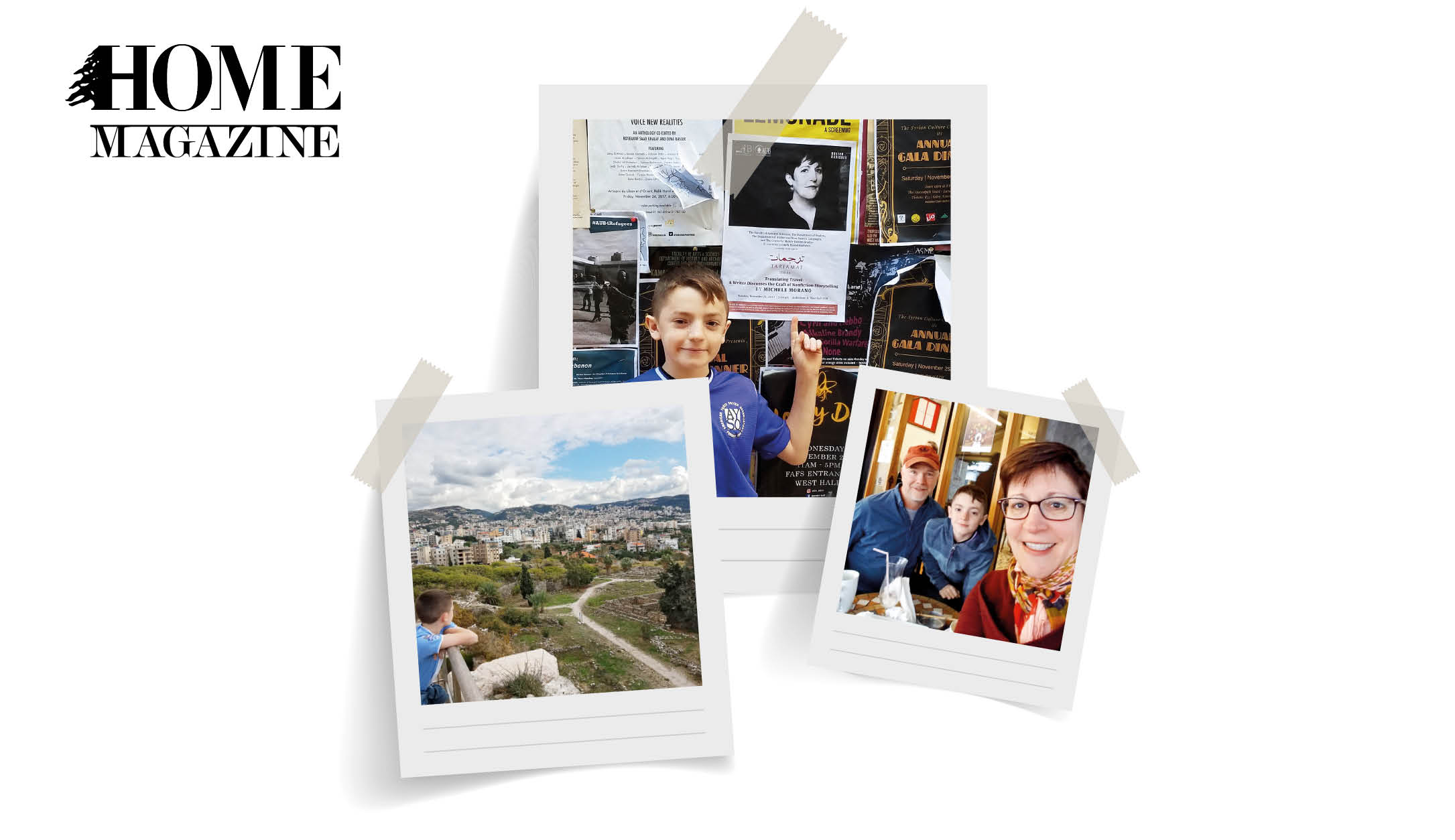
It’s easy to romanticize the unusual, or even the daily when your days in a place are numbered. The three of us have come to Beirut because I’m speaking at the American Univeristy of Beirut (AUB) and we’ve come for just one week in late November because of Kevin’swork and Andrew’s fourth-grade school schedule. By the end of the first day, we all felt the trip was too short: “Couldn’t we live in Beirut for a while?” Kevin asked, imagining a leave of absence from his job, and Andrew chimed in, “I could go to school here.”
“Permanent pain of fleeing a place you love.”
What appeals to us is the energy, the loud, sidewalk conversations in Arabic tinged with English, the way people answer our questions, point us in the right direction, even accompany us to where we’re trying to go. We love the streets packed with cars and horns, fast acceleration followed by a courteous stop, a beep, a wave that says, “Go ahead across.” The pounding of construction machinery makes us wince, and then not far away are the sea breeze, soothing waves, blue-grey horizon, the other side of which lies a future that doesn’t hold our attention right now. We’re here, fully here, in the way travel so often makes us present, absorbent, eager to memorize details and overlook challenges and envision a different kind of life. We imagine living permanently in the apartment we’ve rented for this week, its balcony looking onto Hamra Main Road, and walking to Café Younes each morning and watching the sun set over the water each evening. But, of course, that isn’t what real life looks like outside of travel.
This evening, though, feels very much like real life, like the sort of thing I’d do on a Saturday evening if I lived in Beirut. After a late, leisurely lunch with our families, a friend and I walked through downtown, swinging by an art gallery where someone she knows was making sculptures, then stopping at this bar before heading to the launch party of Rusted Radishes, the international literary journal produced at AUB.
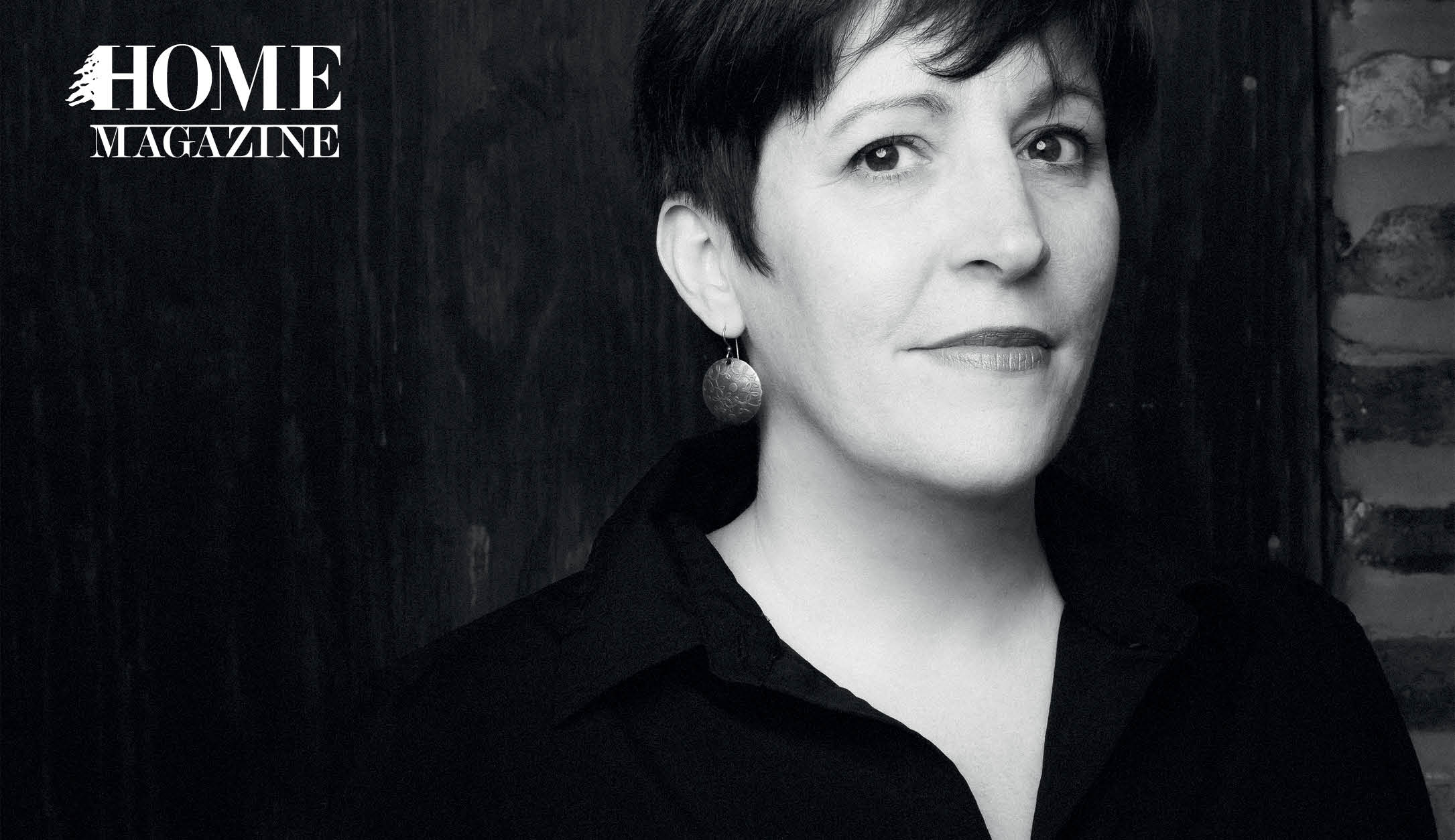
Photo by: Joe Mazza
The whole time we’ve been talking. Talking about reading and writing and making art and living across cultures, about politics everywhere, about power outages, and water, too. In Beirut, I tell her, I love turning the water heater on shortly before showering and flipping it off again afterwards, conserving resources that ought not to seem infinite anywhere on the planet.
Real life is here, during this long minute of darkness before the generator kicks in, the sitting together with strangers, sipping bourbon in a small bar with large speakers hanging from the ceiling, in a country filled with stories like the ones I’ve heard this week. What it was like to be my son’s age during the war. How long families stayed and where they finally went: Cyprus, Montreal, Buenos Aires. How hard it was to be away and how wonderful to come HOME, finally, despite the bombed-out buildings, the bullet holes and weak currency, and build a life again.
I pay close attention, in this sudden and welcome darkness, amid faith that things will return to normal, that the light will come on and the evening will continue and early tomorrow morning my family will begin our journey HOME. Until then, my eyes adjust, the shadows grow beautiful, the bourbon turns silky, the rise and fall of voices become a kind of music. I focus on the words my friend uses to describe moving here, the ache of leaving her parents whose lives began in Lebanon, and the deepening of that ache even as she fell in love, got married, began a family of her own.
We talk about the prime minister’s sudden resignation, about Saudi Arabia ordering its citizens out of Lebanon in preparation, according to the international news, for military strikes, about how she could leave if it came to that, take the baby with her, but what about her husband? Her stepdaughter? Oh, the heartache, the impossible, permanent pain of fleeing a place you love. Right now, all along Hamra, women and children from Syria hold out their hands, murmur please and thank you, the border of their country just two hours away.
“Such a privilege it is, this darkness just before the light returns.”
We shudder, shake our heads, drink to a future we hope will be hopeful. I imagine returning to Beirut one day, soaking in the history and art and literature of a place that speaks to me in a language I don’t yet understand, but I push those thoughts away, wanting to be here, to continue to be here, for the hours that remain. It seems right that the lights are off, that my ears work harder in this state of pure listening.
Such a privilege it is, this darkness just before the light returns.
HOMEland THEMES
Coming Soon
HOMEland Events & Collaborations
Coming Soon
 Signature Boutique