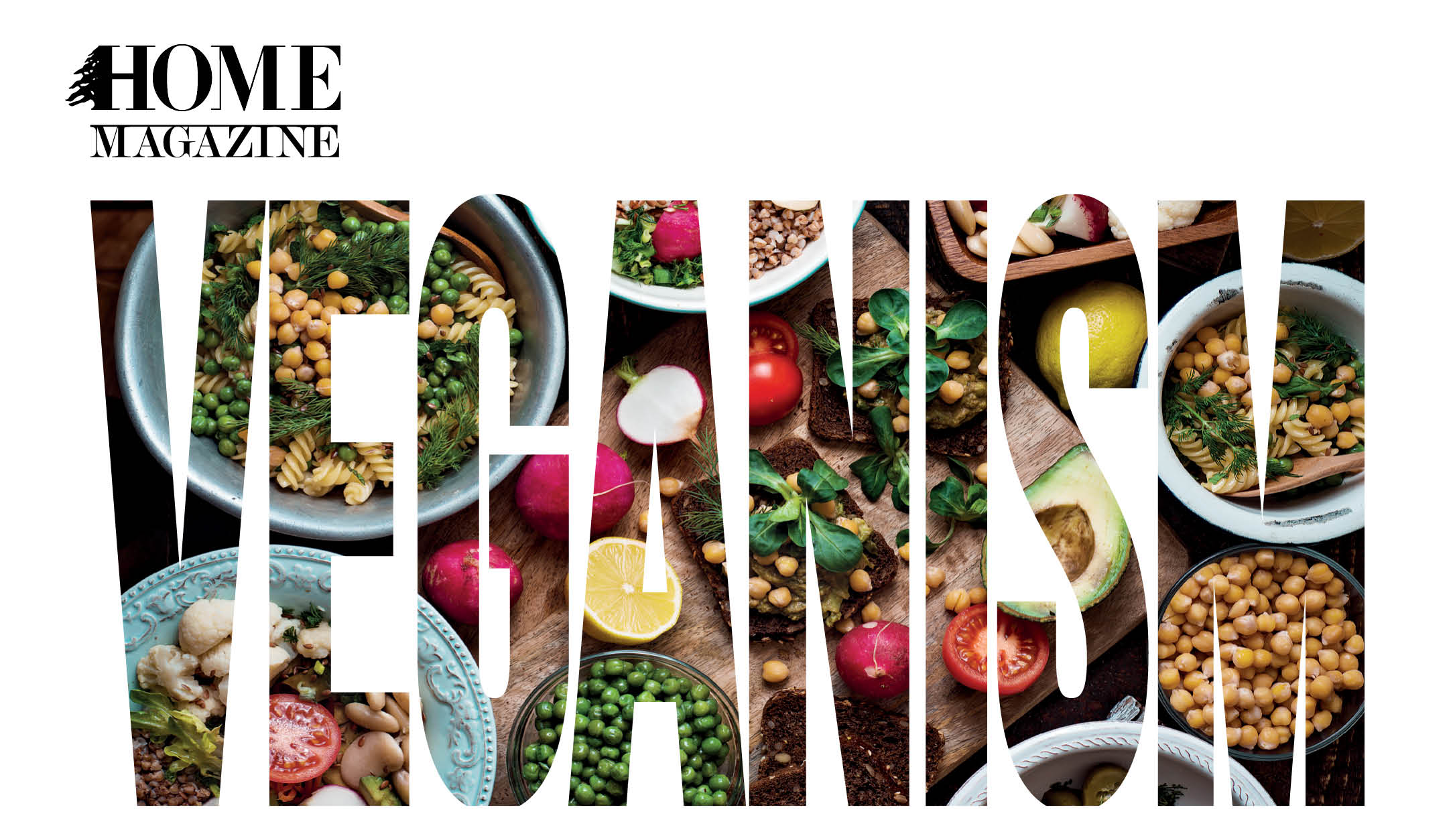
Lebanese cuisine is deeply rooted – pun intended – in veganism.
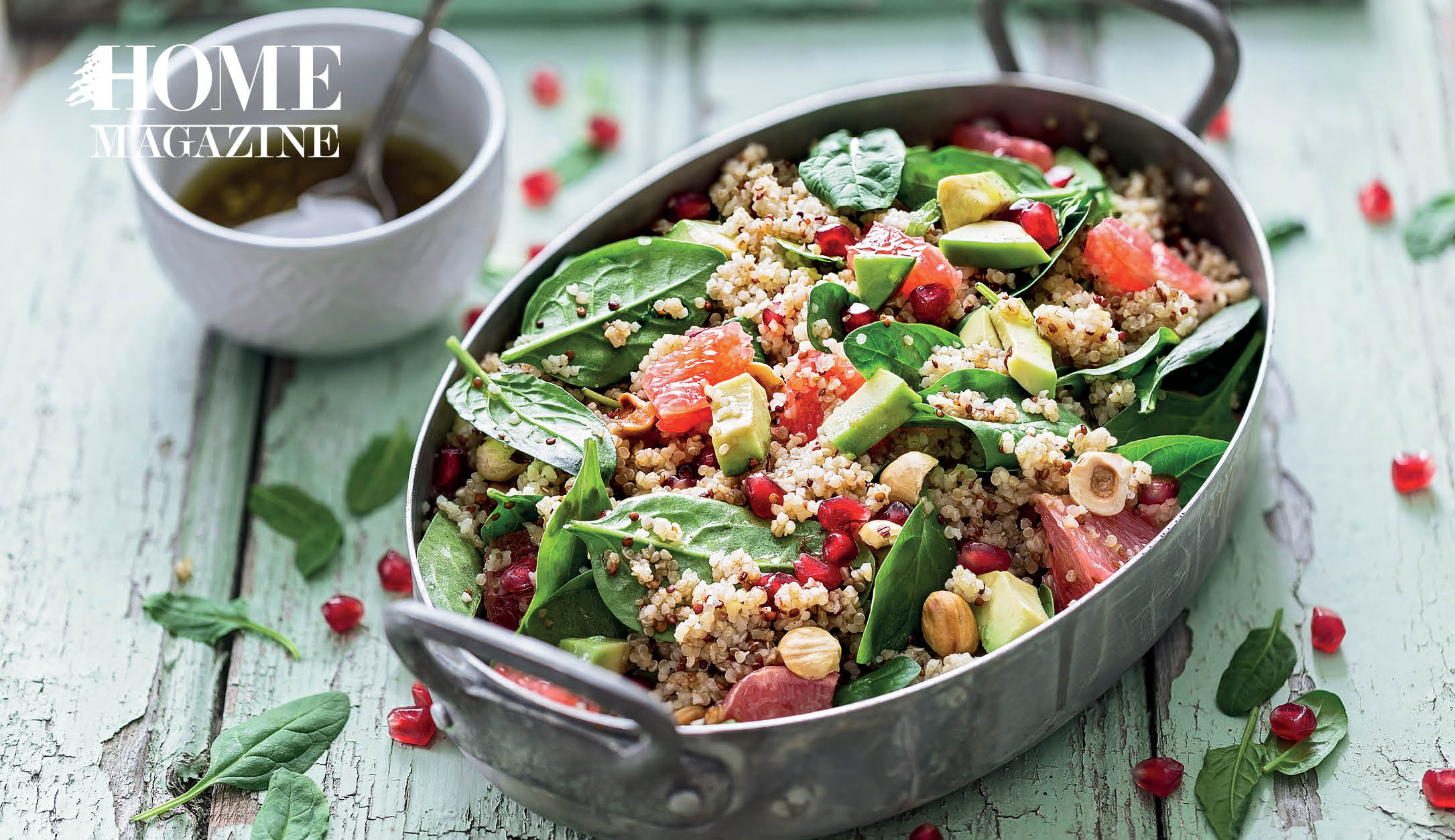
Mloukhieh with garlic boils and bubbles in a large ‘tanjara’ of vegetable broth, while fluffy white Basmati rice steams elegantly alongside it. Green beans, drenched in olive oil and thickened with tomato paste, simmer away on the stove, as red lentils transform into a creamy soup with cumin, turmeric, salt, and lemon juice. Mjaddarah is topped with crunchy onions, fresh cabbage, apple cider vinegar, mint, garlic, and cucumbers. Hummus is garnished with paprika, pomegranate seeds, and sprigs of parsley, with finely chopped parsley and tomatoes in tabbouleh complementing the softened bulghur and Mediterranean dressing.
Veganism is grounded in the simple ideology of minimalism and a mindful passion for consuming wholesome, plant-based foods. Vegans avoid all animal products, including meat, poultry, fish, but also dairy products and butter, choosing instead to eat fruits, vegetables, high-protein seeds and nuts.
Going vegan doesn’t have to be an intimidating endeavor. The options to adopt a greener lifestyle are ubiquitous, particularly in Lebanon. Whether it comes from tilling the soil of the earth, growing your own fruits, vegetables and herbs at home on your veranda, visiting weekly farmer’s markets to purchase fresh, organic produce, or choosing restaurants that offer vegan alternatives, the choice to go vegan has never been easier.
Luna’s Kitchen in Hamra boasts a ‘100% Vegan Menu,’ offering saj with vegan labneh, pizza with plant-based cheese, pasta, rice dishes, seasonal fruits and desserts sweetened with honey, maple syrup, or jam. They even include a guide highlighting their dairy and meat substitutes, perfect for the herbivores of Lebanon. BarTartine in Dbayeh also has a myriad of vegan options, like the lentil & sun-dried tomato dip, kale avocado rolls, and the farmer’s green soup. Other restaurants offer some vegan options on their menus as well, like the vegan burger at Crepaway or the hummus & avocado wrap at Zaatar w Zeit.
Restaurants aren’t the only way to get your vegan fix, though. Weekly farmer’s markets have cropped up around the major areas of Beirut, the most famous of which is Souk el Tayeb, or ‘the good market.’ This open-air farmer’s market unites people across Lebanon wishing to preserve centuries-old food traditions and agricultural values premised on a love and respect of this land. Every Wednesday, farmers gather at the Gefinor Center on Clemenceau Street to sell their organic produce, homemade pastries with rose water syrup, jams, labneh, and juice.
Organic chef and Young Women’s Christian Association (YWCA) Culinary Art Committee workshop facilitator Rouba Ayoub sells peanut butter, almond butter, vegan cheese, energy balls (protein-rich, vegan snacks made from peanut butter, apricots or dates) and tapenade at Beit al Soha, one of the first organic shops in Lebanon.
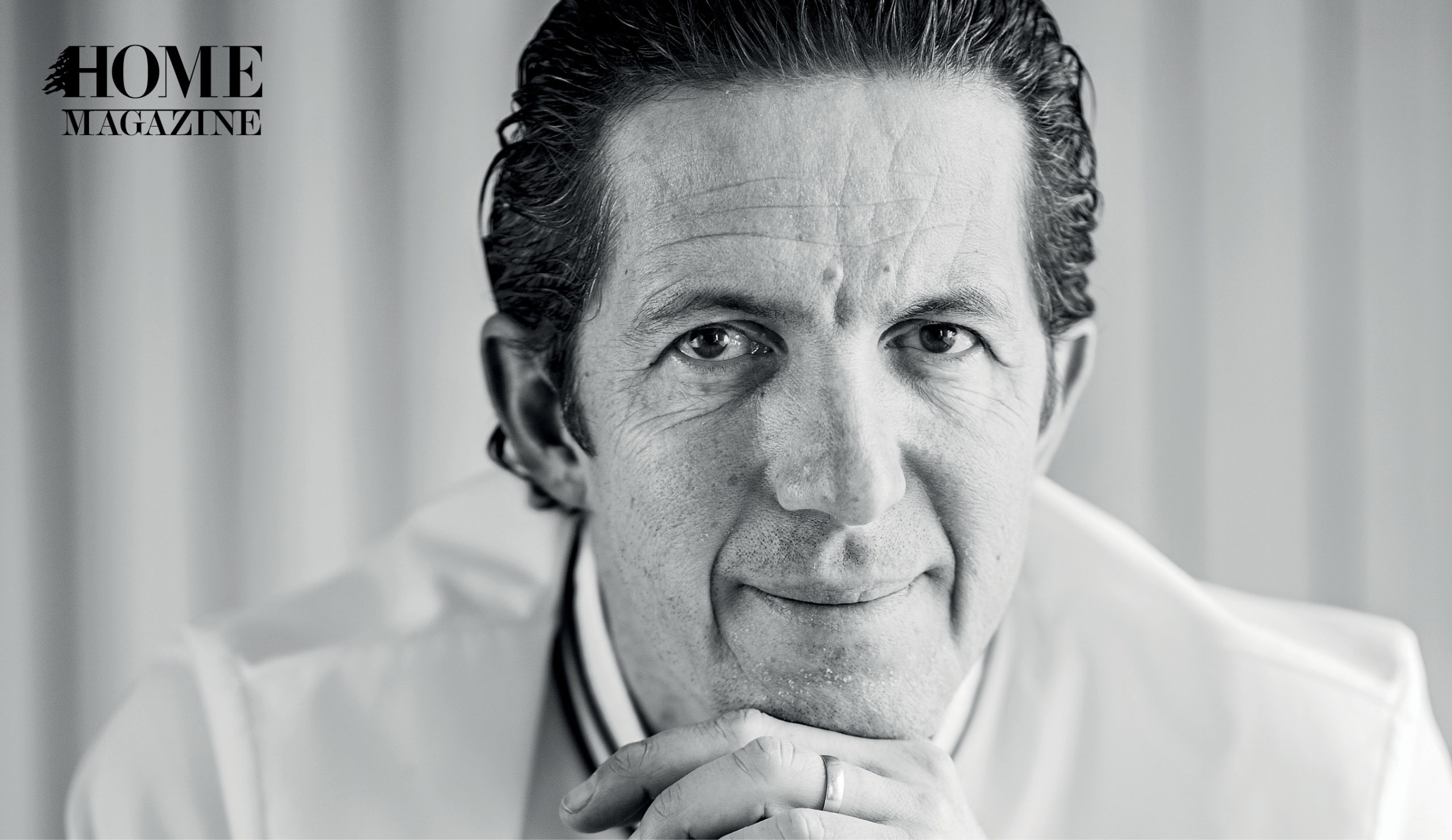
HOME Magazine sat down with Ayoub to talk about cooking vegan, tips for nourishing the body and transitioning toward a more sustainable lifestyle. Having been a strict vegan for many years, she made a slight shift after getting pregnant to adopt a more traditional diet, which she said was “guided by our oldest way of life.”
“The shift wasn’t drastic,” she emphasized. “I go with the flow of the seasons, cooking traditional Lebanese cuisine. I eat a little bit of meat or chicken or organically grown eggs. I stress the term a little bit. Our ancestors ate in moderation.”
She continued by offering advice to new vegans. “Listen to your body, but clean it before you listen. Make the transition gradually. Your brain feeds on high-protein oils, such as avocados, olives, seeds and nuts. Take advantage of everything natural food has to offer. Wild-growing plants picked directly from nature have cancer-killing antioxidants which are rich in iron, minerals, vitamins, and everything you need! This natural balance is essential.”
She explained that the vegan diet is meant to detox your body. When switching to raw foods, we adopt a minimalistic lifestyle and consume less because the nutrients are more beneficial. The stigma surrounding vegan ideologies stems from an assumption that vegans consume insufficient amounts of protein, something which Ayoub claimed is “absolutely a myth.”
“My body needed meat when I was pregnant because it consumes a lot of iron and I needed more,” she noted. “If I’d remained purely vegan, I would’ve needed to eat seven plates of lentils daily, which is impossible for me.”
The possibilities in vegan cooking are endless. During one of the workshops she hosted at YWCA, Ayoub prepared onion soup with coconut milk and sourdough bread, vegan lasagna, and cheesecake with almonds and vegan cheese.
“It’s not restrictive at all,” Ayoub added. “You need to be creative, to use your senses with the spices, mixtures, and raw materials. Cooking vegan is also more efficient if you snack on wholesome, pure food, like walnuts or dried figs. I typically make a lot of soups – I could eat soup every single day. It’s affordable and a very colorful, attractive food.”
In sharing some of her recipes that have a vegan spin on traditional Lebanese dishes with HOME Magazine, Ayoub aims to support and inspire people to go vegan and explore the healthy and life-changing properties of the food of our HOMEland.
HOMEland THEMES
Coming Soon
HOMEland Events & Collaborations
Coming Soon
 Signature Boutique