Despite Lebanon’s status as a hub for quality education and academic establishments in the region, the country still lacks proper career orientation that takes into account market need and individual attributes to help students make sound decisions about their future. As a result, many people end up pursuing studies that do not match their interests and ultimately get stuck for years in life-sucking careers that lack any sense of self-fulfillment.
Nooreed, a new Lebanese startup, is bridging this gap though a comprehensive website that helps students find their ideal academic path. Once they sign up using their email on http://www.Nooreed.com, students can take an assessment test that reveals the careers that best match their personality and skills. The platform is also HOME to over 150 career videos where top experts from every field share their practical experience with students, in addition to a library featuring useful information and statistics about all job specializations, divided by industry.
With ongoing plans to expand its offerings and business model, the startup’s ultimate goal is to pioneer a new generation of learners, doers, and purposeful dreamers.
Helping youth make educated decisions about their future
Nooreed was born from its founder’s personal experience taking the wrong academic path. “When I was in my last year of secondary school, I was confused about what I wanted to pursue in college,” says Nour Jabra, Nooreed co-founder. “I was constantly being told by others which career path they thought was suitable for me, so I ended up choosing a major that I wasn’t compatible with. In my late 20s, I thought of Nooreed as a way to somehow remedy the past and help other young dreamers pursue their ideal careers.”
Counselors are currently beginning to adopt Nooreed as a tool to stay up to date and deliver information to large groups of students. And for the 45 percent of students who do not have career counselors in their schools, it is clear why this website is important.
Jabra does not read these statistics as a negative assessment of the counselors themselves, who are often overworked and incapable of following up closely on all their students. She believes that the students who need the most help are oftentimes the ones that are timid and generally prefer to seek assistance in a more discrete way.
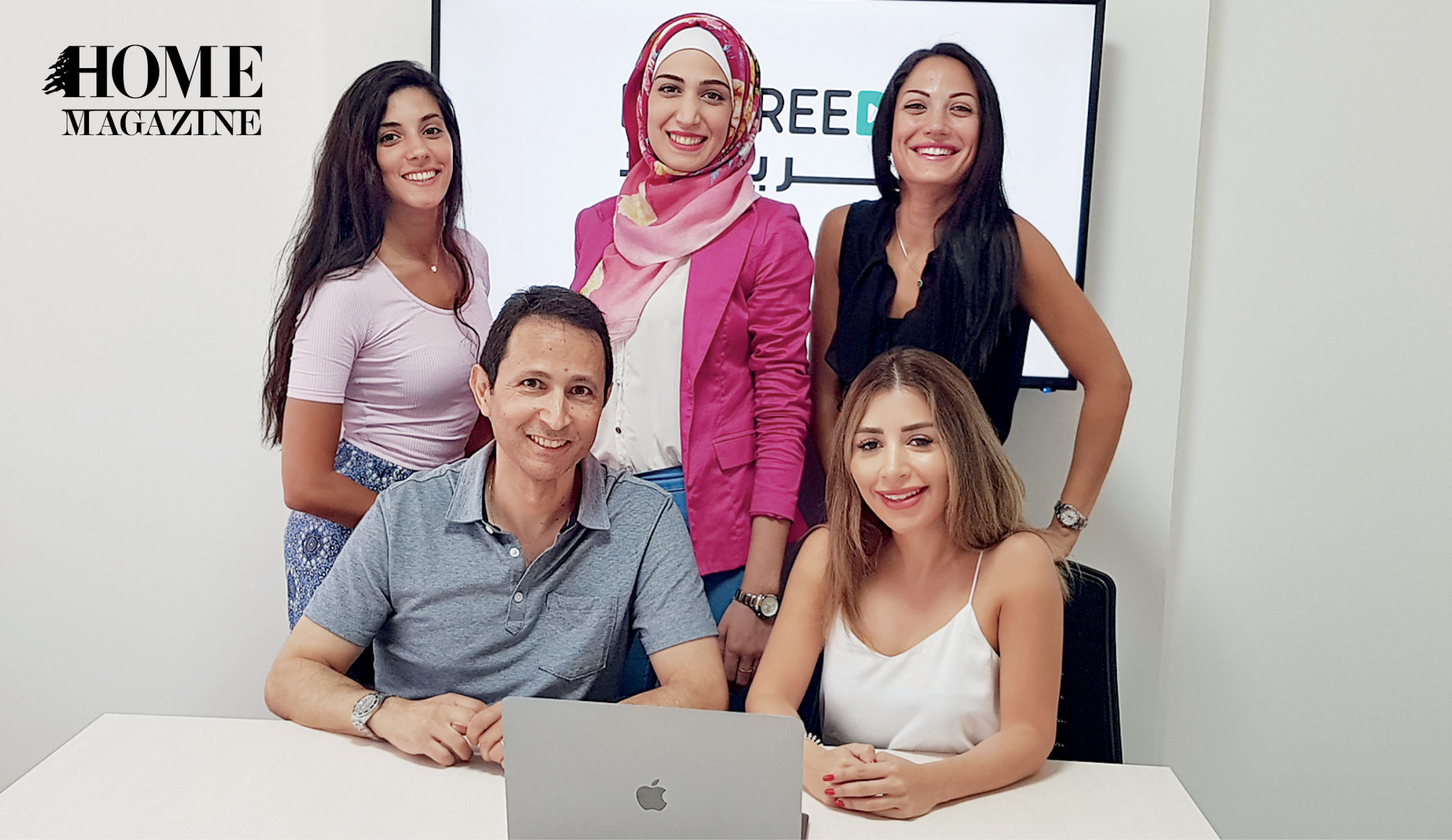
“Students believe we are helping them in a way that their parents can’t — because we are young, connected to the global job market and to changing trends,” says Jabra. “We help them discover careers they didn’t know existed.
Advocating for better academic orientation and market statistics
Schools in Lebanon have come to appreciate Nooreed’s service, especially that it is offered for free and comes as a complementary asset to existing career orientation services. The startup is currently expanding its services by listing existing local universities and their available majors on its website to help prospective students in their university search.
“We are trying to be the bridge between the corporate world and academia, to ensure that students don’t end up in oversaturated markets with false expectations,” observes Jabra. “There needs to be a bridge between them to ensure that students don’t end up in dead-end jobs. Students who choose the wrong career underperform and become a source of inefficiency for themselves, their organizations and the economy as a whole.”
Growing up in Romania, the 28-yearold entrepreneur moved to Lebanon as a teenager, where she studied business management and went on to launch her first startup, which was a crowdsourced t-shirt store. Today, she runs Nooreed alongside her business partner Fady Lamaa.
“Nooreed started off as a video camera, a microphone, and a Q&A session with software developers in central Beirut,” she recalls. “Today, we have filmed over 150 career interviews, garnered over 70,000 students on our platform, and received the Ministry of Education’s permission to spread our mission.”
Throughout this enriching journey, professionals from all fields have cooperated with Nooreed to share knowledge about their respective jobs while taking the time to host job shadow sessions for students.
Learning to brave the challenges of working in a startup environment
None of the above, however, would have been possible without the core team’s collective effort and their talented network of contractors and freelancers. “We’re a small team taking on a lot, and every day in the office is filled with new challenges. People come into our job interviews expecting a fixed job title, but it really doesn’t work that way in a startup environment,” Jabra explains. “It’s like a circus! Everyone is juggling multiple things but there is a lot of energy and fun,” says Lamaa.
Other team members have also echoed his statement. “Working together at a startup is very exciting, it motivates people to follow their passion, do what they love, learn new things, meet lovely people and get exposed to new thoughts,” notes Najwa Yassine, job shadow coordinator. Marketing Manager Hazar Fattouh described her experience as “educational, motivating, and inspiring.” Anna Kanaan, director of school outreach, says, “Witnessing this organization grow from scratch gives me a certain intimacy and belonging to this family.”
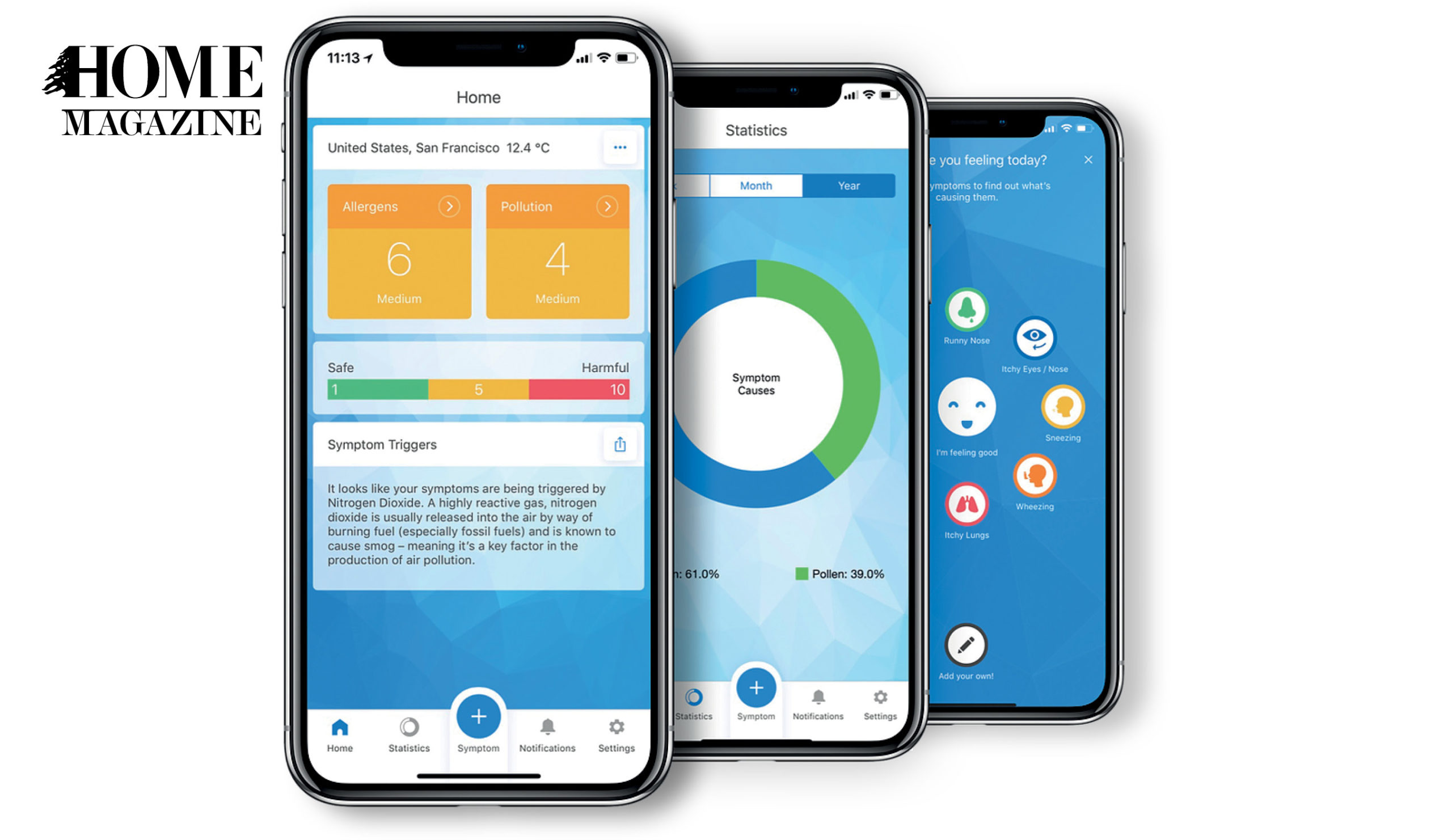
As its business model further develops, the startup is seeking to produce more assessments, content, and statistics, while also working on an app to complement its website.

Jabra invites working adults to listen to the younger generation when they voice their concerns and be a positive example by sharing constructive knowledge and advises parents to support their children’s aspirations. “Don’t negate your children’s dreams just because you don’t agree with them,” she advises. “Try to avoid making them feel like this crucial decision will affect how you feel about them, since that adds even more pressure, clouding their individual decision-making process.”
This being said, Nooreed strives now more than ever to equip students with the right tools to navigate the country’s tough economy. “The realities of the job market are hard to ignore, but students can still thrive in their given trajectories. Our job is to prepare them for the rocky road ahead,” Jabra concludes.


HOMEland THEMES
Coming Soon
HOMEland Events & Collaborations
Coming Soon
 Signature Boutique