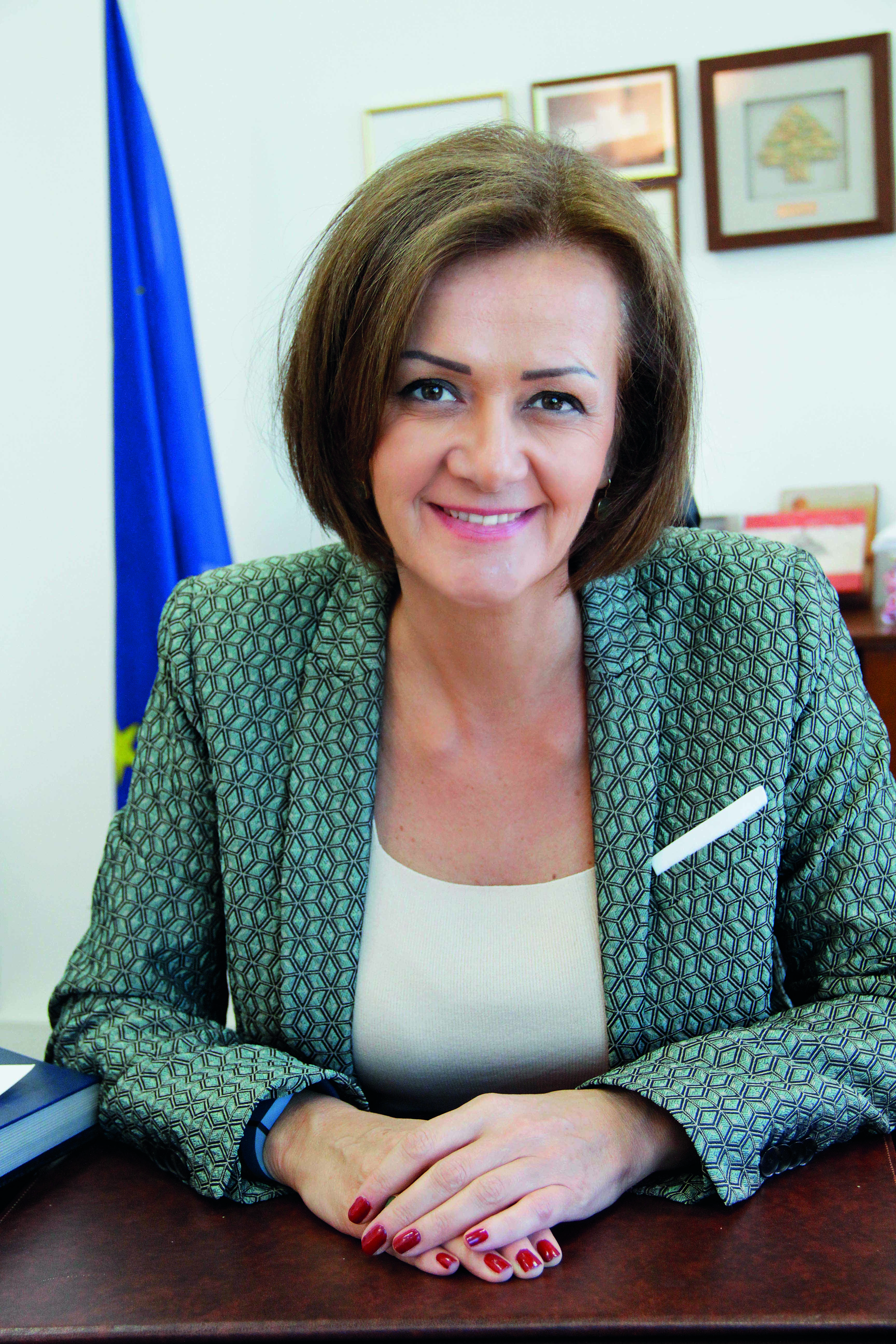
H.E. European Union Ambassador Angelina Eichhorst wrapped up her four-year assignment in early July as head of the EU delegation to Lebanon. A few days before leaving, in a quiet gathering in her Beirut office, she shared her parting thoughts with HOME for Magazine.
Gracious and, above all, diplomatic, H.E. Ambassador Angelina Eichhorst looked out through the large glass window at the Beirut’s harbor and told visitors she’s going to miss Lebanon. Tall and elegant, in a smart black jumpsuit and tan blazer, she looked just like the cosmopolitan, yet down-to-earth professional diplomat and mother she is.
As her departure drew near, she reflected on her experiences and the role of the European Union’s delegation to Lebanon. She praised Lebanon’s unique conviviality and discussed her hopes for the country’s future.
Prior to being appointed the EU ambassador to Lebanon, you served in delegations to Egypt, Jordan and Syria. How did you end up in Lebanon?
I was in Damascus and asked to be assigned to Lebanon. I was so fortunate to be given this position.
What was special about your experience in Lebanon?
Lebanon is an extraordinarily hospitable country. In Lebanon you have this outlook on the outside world that is beautiful and quite different from other countries. Lebanon is extremely outward looking. All the doors were opened. We felt that in all meetings, every single meeting. That’s extremely rare.
And Lebanon has exceptional conviviality. You have a joie de vivre that compels me to have more appreciation of life.
When I look at what all Lebanon went through, and is still going through, even in the diaspora, it is clear that you turn challenges into opportunities.
Of what accomplishments are you most proud?
I am most proud that people in Lebanon have a good appreciation of the work we do now more than ever before. Our team was everywhere, meeting people, working on the ground.
My achievement has been to help build a contemporary functioning civil state, to support Lebanon in building on a constitution that guarantees everyone’s rights.
I am proud we were able to speak with one voice, which is not as easy as you might think. There are 64 people on our team, 54 of them in Lebanon. We worked with member states of the EU to have one voice, to all work off the same sheet, to say the same things in the same way, and to do what we say. Working closely with this team was an extremely intense professional experience.
I asked the team to work very hard and be very precise. Narrative is so important. We spent a lot of the time on using the right words. It is very important to give the right messages. The only weapon we have as the EU is dialogue. We don’t have power in diplomacy, we have influence.
Is it difficult to be a diplomat in Lebanon?
Lebanon is complex. You have to see the essential issues, have to be able to draw back and see the essence. Not to simplify. The EU works with everyone. We do not engage in party politics. Sometimes politicians don’t like that.
What do you think of cultural diplomacy?
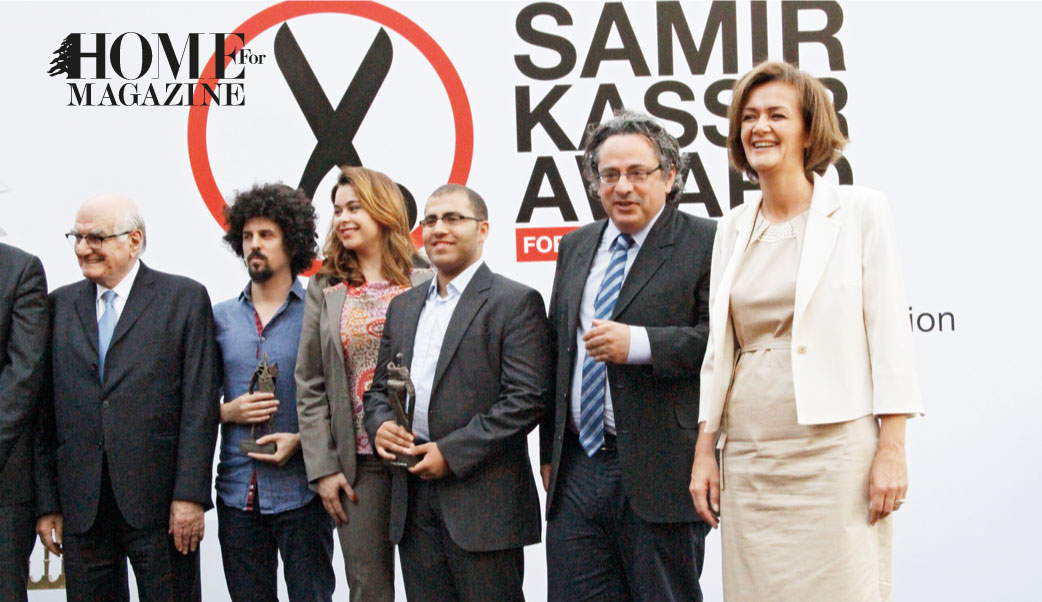
This is exactly the kind of work that needs to be done – like the Samir Kassir Foundation. It reflects in its work personal freedom and acceptance of diverse points of view.
 What are some memorable experiences of your time here?
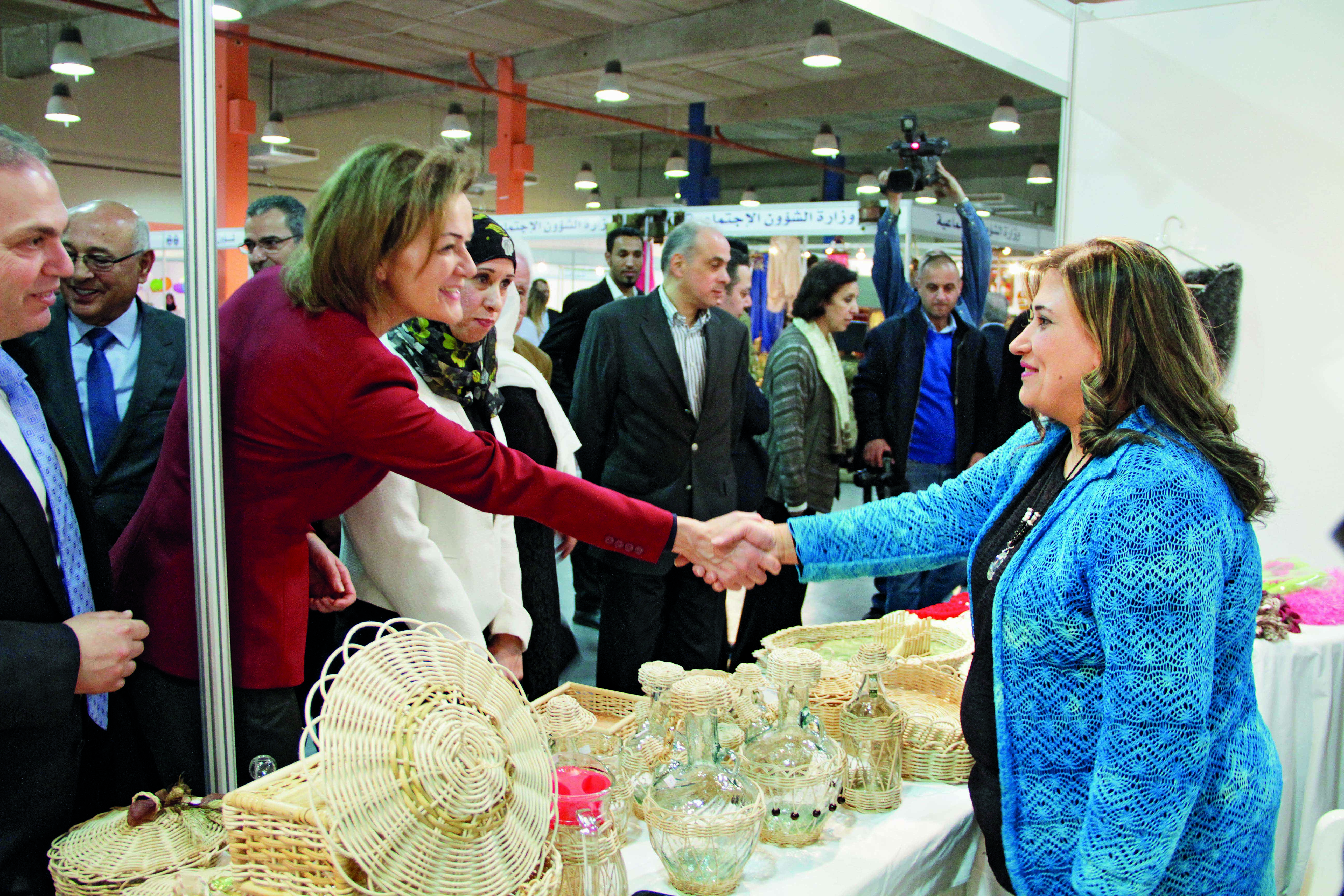
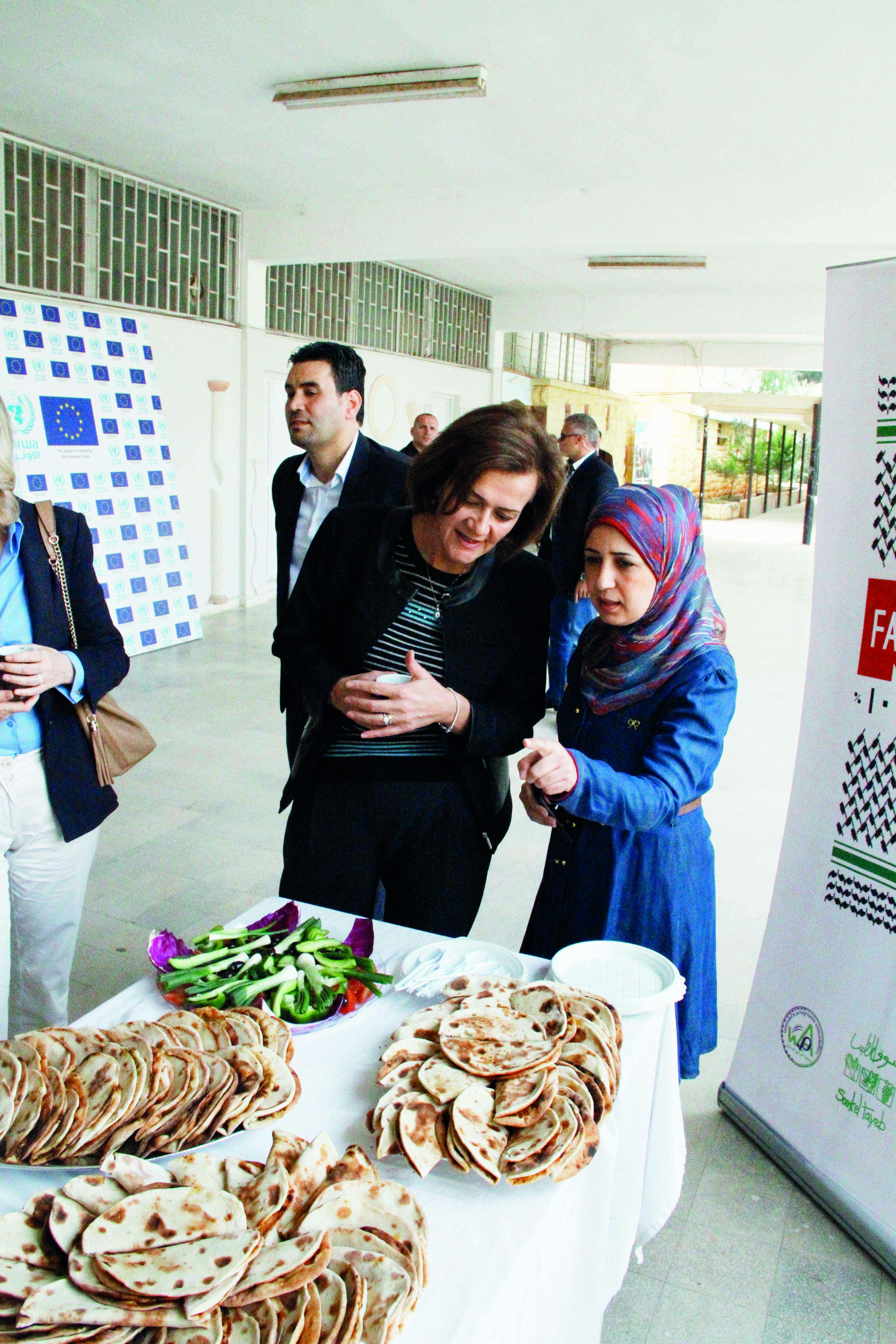
Everything! There is so much to mention – the amazing social and cultural agendas, the European Film Festival and the many other film festivals, la joie de vivre working with our team, working with municipalities. I especially enjoyed our work with municipalities. I get a lot of energy from visits outside Beirut. We have worked in 523 municipalities and I have made 93 official visits.
From the very beginning, it has been a challenging and unique experience. I arrived on Jan. 2, 2011, I remember meeting with President Sleiman on Jan. 7 and, shortly thereafter, attending one of those yearly gatherings where the president gives a speech about his mission for the year to come.
Then the government of Prime Minister Saad Hariri fell. So, we wondered, how do we work together now? Of course, you find a way.
What do you believe Lebanon needs now?
A lot of young people feel very frustrated in the region. For Lebanon, we have to help get the country out of a crisis mode and work on reforms.
I want to do more to convince people that compromising is an element of strength, not a weakness. You have to make steps toward the other.
On the international scale, Lebanon needs to answer, What is Lebanon’s magnet? Who does it take as its family of nations? With what other countries will it align?
How are you feeling about leaving Lebanon?
I feel like – see you next time. I am sure I will be back. I’d love to come back as a tourist.
I also feel very satisfied.
One rule I have in meetings is to leave having done things in a satisfying way. It is important to close the door in a good way. I believe we have done that.
I am leaving with love and emotions, but also with concerns. Lebanon has tradition of elections, freedom of speech, tradition of democracy and civil society. To keep this and build on this will take dedication and hard work. I am a realistic optimist, not a daydreamer. I know that people take a position when it supports their interests. It is important for Lebanese people to realize that elections, freedom of speech and other principles of civil society are in their best interest.
“I am a realistic optimist”
When you come back as a tourist, where do you want to visit?
In my first two years here we used to hike a lot. I haven’t in a long time because of the workload. I’d love to come back for as a tourist for a few weeks on my own. I’d go to the Khalil Gibran Museum, I feel very comfortable there, to the Qadisha Valley, to the Chouf. I’d visit villages.”
Do you have any parting words for Lebanon?
To Lebanon I’d say, “put citizens first.” Try to put forward the right recommendations and know that hard work is needed.
To the Lebanese diaspora, I say, “Come to Lebanon.” Lebanon is an important country. Your investment here will have return, but not just money. Lebanon can give you so much.
To the youth I say, “Don’t give up.” Work hard for your country and your people.
To civil society I say, “Be more courageous.”
To my friends, I have too many words. A big thank you and a big hug.
To Lebanon, “Support those who work for freedom with respect for others, respecting that people disagree with you.” It has been a long struggle; it was the same in Europe. What is promising is that there are a lot of individuals with expertise who are willing to work.
Is sustainable development possible in Lebanon?
Nothing is far-fetched in Lebanon.
HOMEland THEMES
Coming Soon
HOMEland Events & Collaborations
Coming Soon
 Signature Boutique