Photos by: George Sahyoun
Interviewed by Editor-in-Chief: Patricia Bitar Cherfan
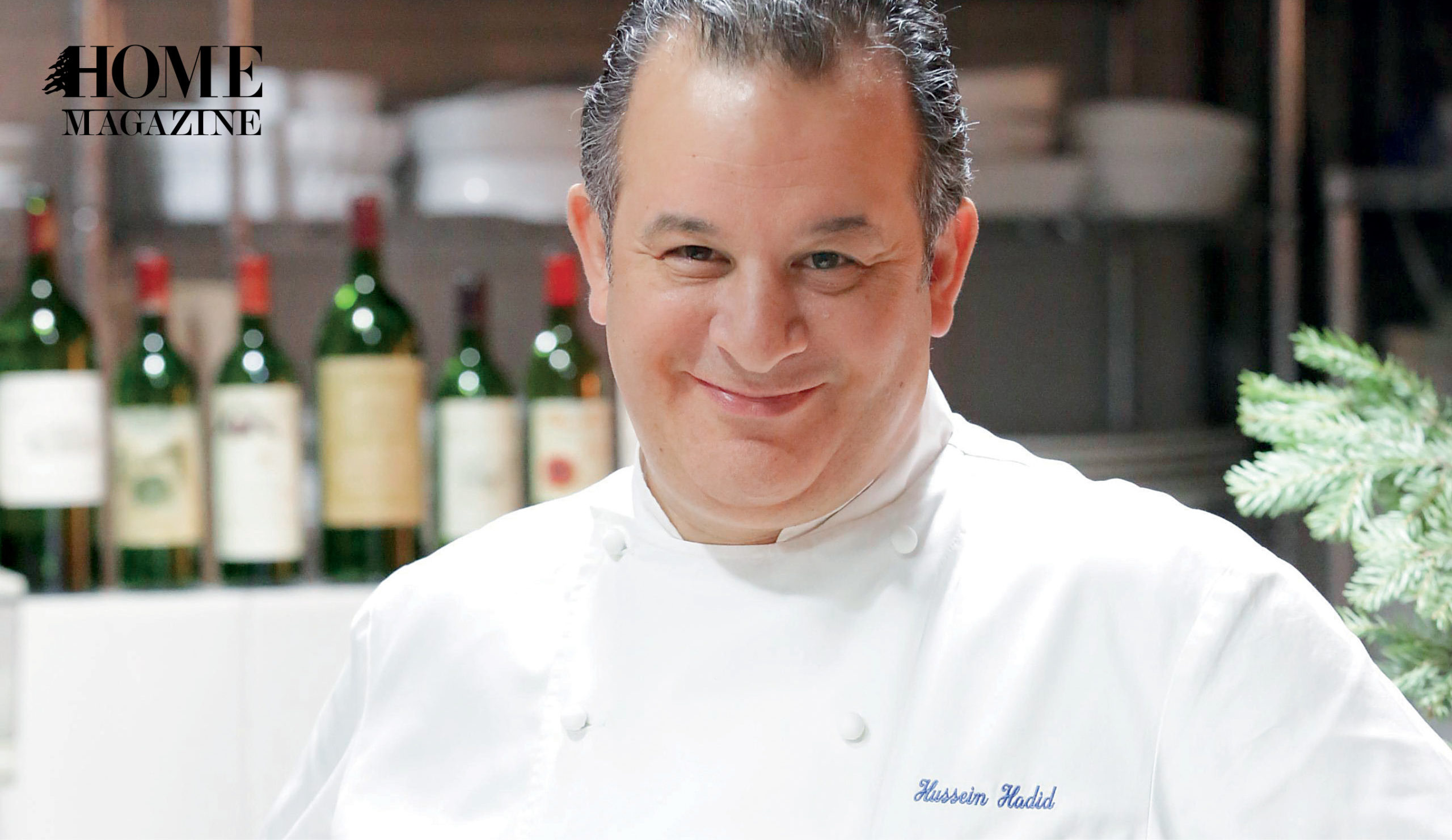
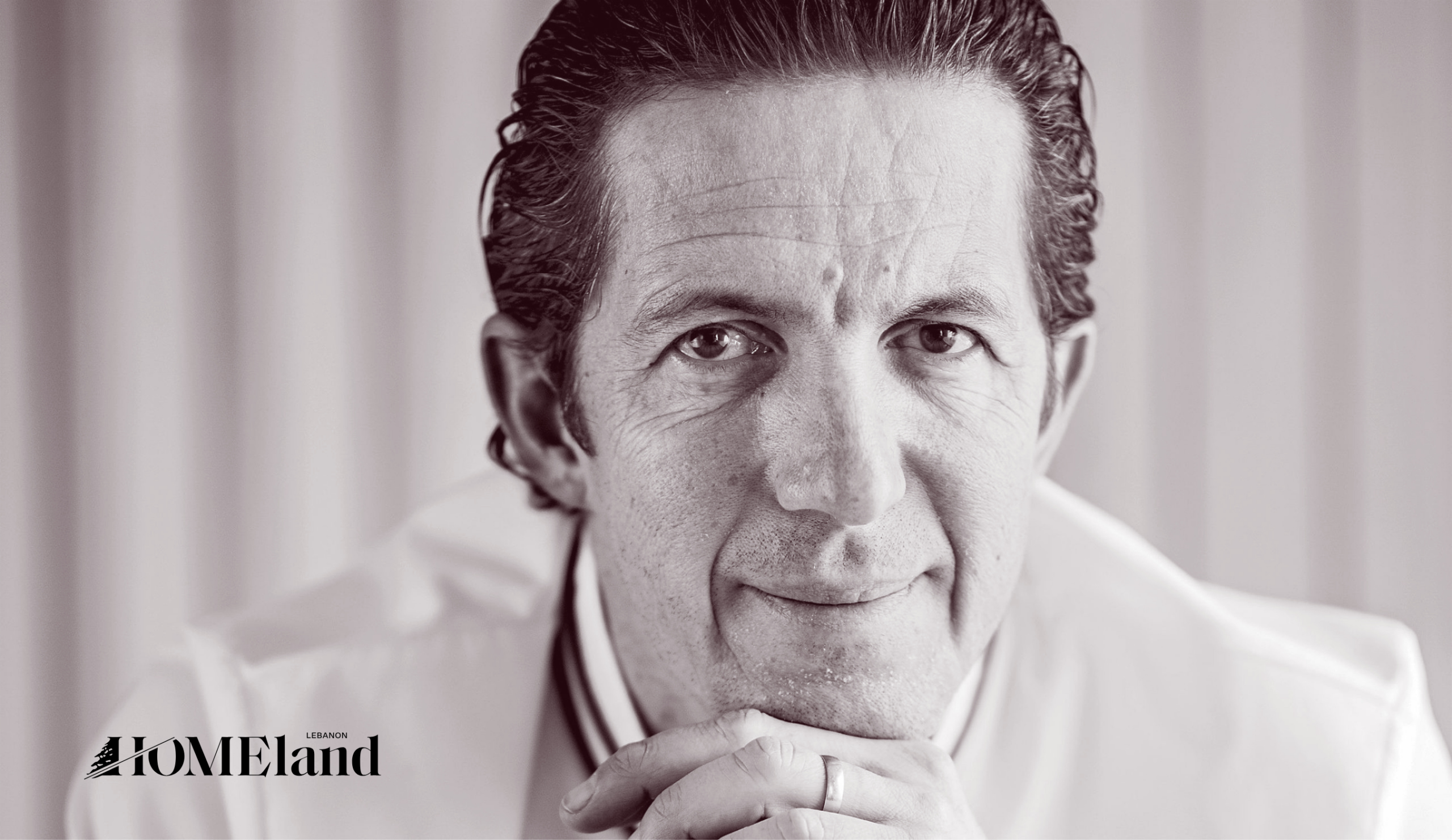
Chef Hussein Hadid, winner of the Prix du Chef de l’Avenir by l’Académie Internationale de la Gastronomie, is a Lebanese chef most known for his passion for flavors and innovation.
The love for food came early in Hadid’s life. “I was very skinny and used to eat a lot, but I never thought I’d become a chef,” says Hadid. He attributes his knowledge and love for food to his mother and his HOME life. Coming from a background of finance and business, he worked in management for a food service company. However, the job had a steep learning curve. “When the chef is sick, the manager should be prepared to take over, so I started to learn how to cook,” says Hadid.
After six months at the French Culinary Institute in New York, the chef returned to the company with a newfound realization: He much prefers cooking over management. He worked for Abela in the United States, and lent his talents to the Santo Domingo Restaurant in New York, where he frequently welcomed celebrities like Gianni Agnelli and Bulgari. He also worked in England for 11 years where he found that English culture instills a sense of discipline, while the French are more romantic in their approach toward cooking.
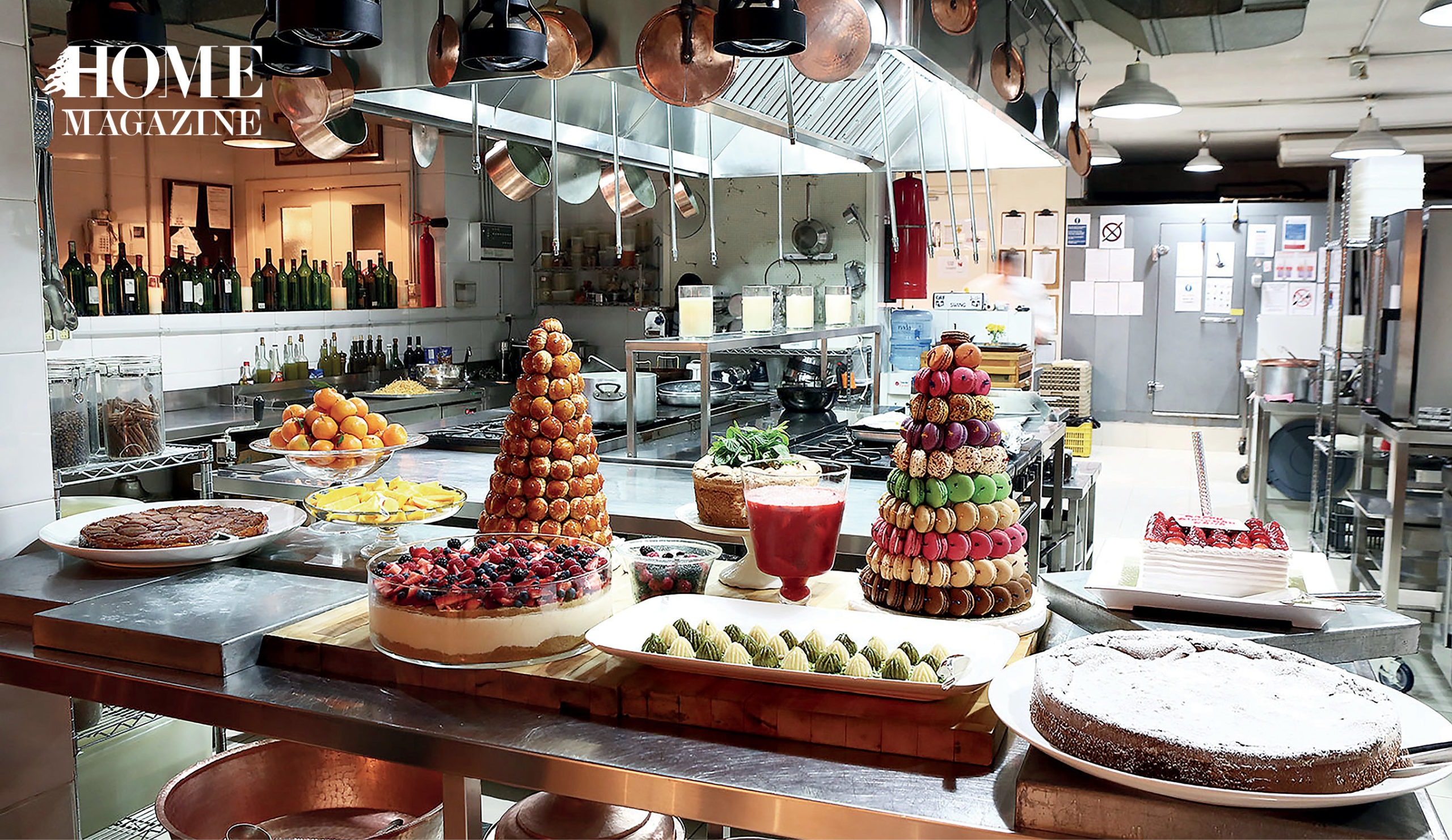
In 1995, after a 20-year career in New York City, Hadid decided that it was time to circle back HOME. Besides continuing his consultancy work, he opened his own private kitchen as well as various restaurants upon returning HOME.
At first, he was not thrilled to work in the restaurant industry. “Working in restaurants is a 24-hour job, whereas in catering, you can have more time for yourself,” says Hadid. He liked the flexibility of catering, as opposed to restaurants where he would have to be there all the time. However, he gave in and slowly started to explore what people in Lebanon liked — and what he also liked. “Buffets cater to everyone. I became most probably a leader in that field,” he says.
The Kitchen catering
The Kitchen is his own private catering service, which he also opens for dinner parties. “I work as if it’s my own kitchen,” says the chef. There’s no set menu, as Hadid likes to be spontaneous and let his mood determine the dishes. “If I don’t want this dish right now, I won’t cook it unless a customer requests it,” adds Hadid.
His business is also a family affair, as he collaborates with his sister, Rana Hadid, who does all the preparations and decorations for the parties. “She does all the flowers and the whole setup. We complement each other,” says Hadid.
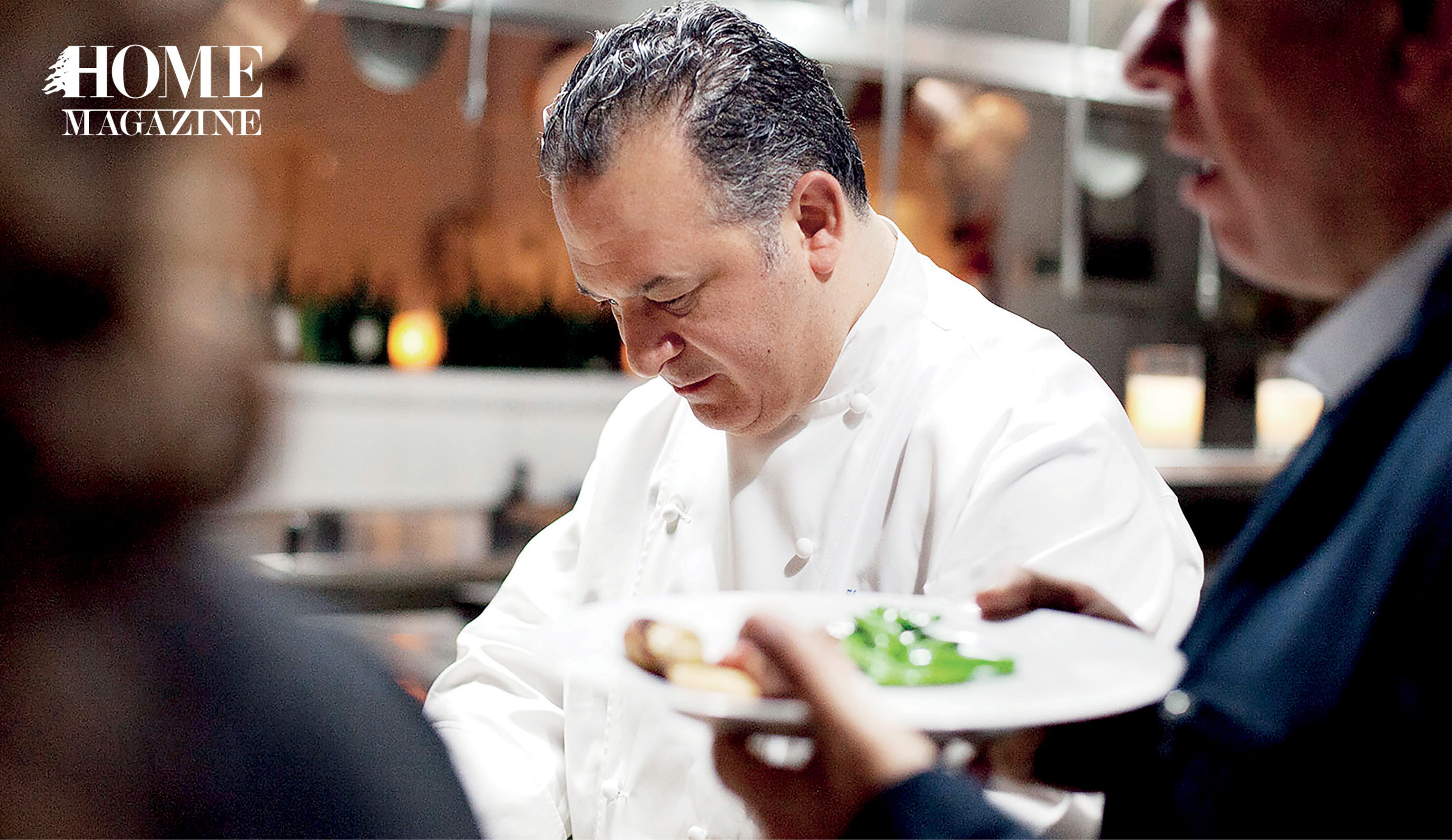
The art of setting a table is another aspect of culinary perfection that Hadid’s mother, a designer, instilled in Hadid and his sister. “Creating an ambiance, different setting, different food — all this is important and plays a part in creating a memorable experience,” he adds.
Restaurants
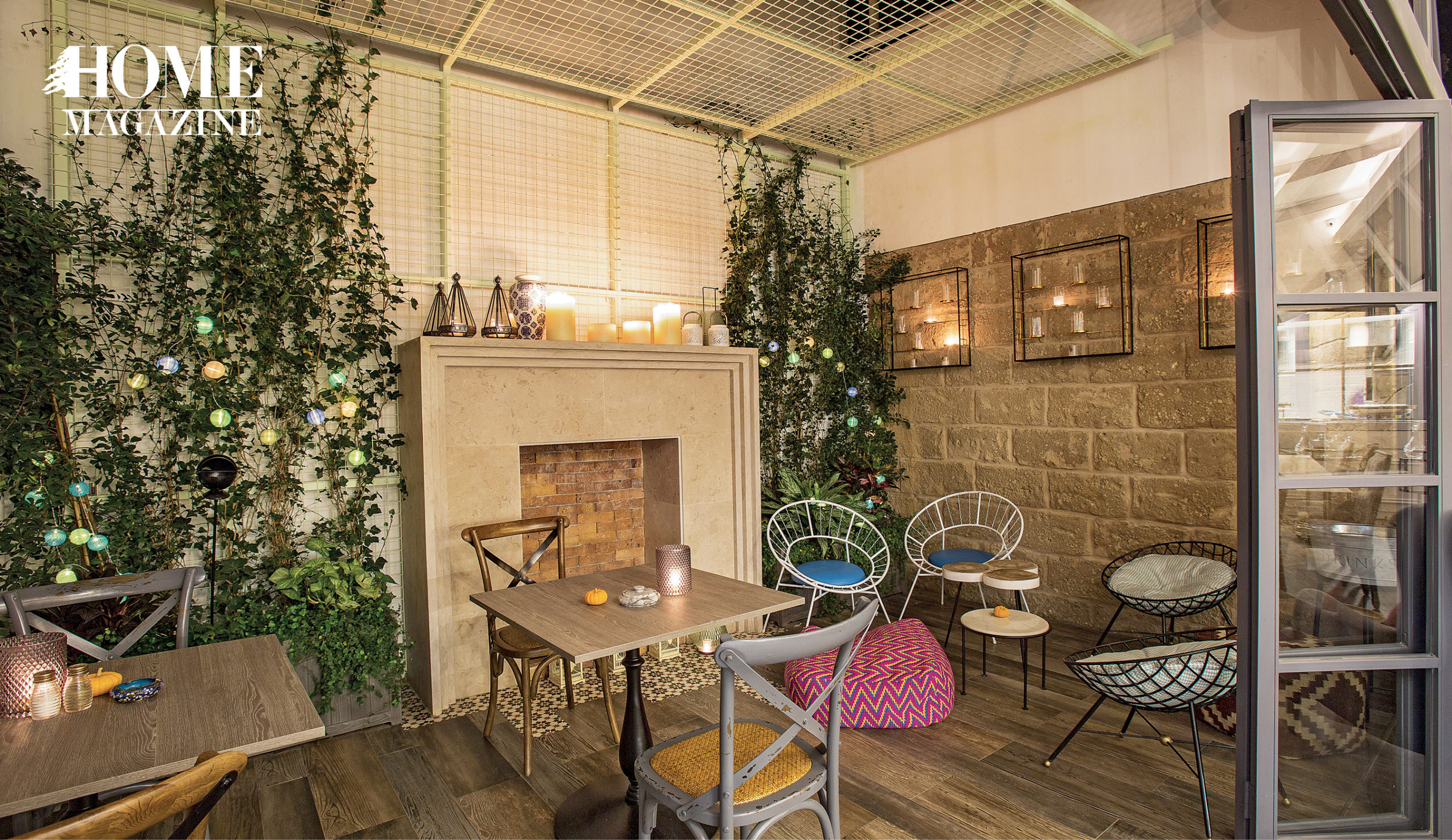
At this point, he reigns over an impressive array of restaurants. He is the sole owner of the Bkerzay Restaurant at Hotel Bkerzay in Chouf, and part owner of four restaurants that opened within the brief span of four years: Ummi, PizzaCo., DeliCo., and BurgerCo. “They are set up in a way that they can operate on their own without me being present all the time,” says Hadid. A new branch of BurgerCo. is due to open in London on Baker Street.
Hadid wears many hats. He is not only a chef and a businessman but public relations guy, accountant, and manager. “You have to understand everything more or less. I can’t say I’m a financial guru, but I know what makes business tick,” says Hadid.
“Being efficient is key to survival in the restaurant business. I think that a good business has to run in a very structured way,” says Hadid. This way of thinking has brought him very far in the industry, with his restaurants flourishing in Lebanon’s current less than ideal economy. “Despite the state of the country, the restaurants are working fine,” he observes.
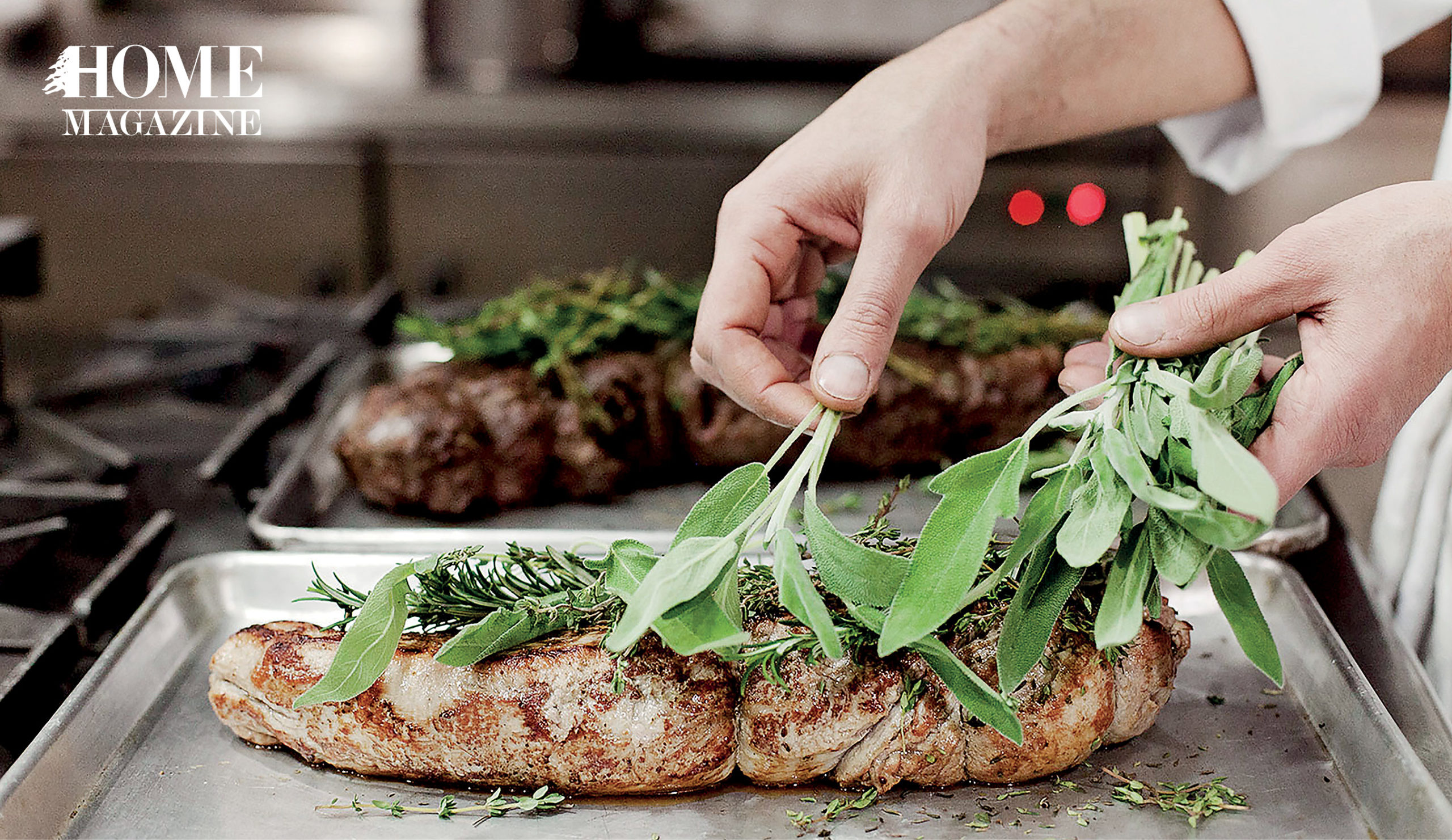
“I think it’s important to understand how one cooks, and to make sure that what you are serving in terms of food is always excellent. You have to invest in people. I hate mediocrity. Fixing mistakes is difficult, so it’s better to get it right from the beginning,” says Hadid.
According to him, praising and encouraging his staff are an important part of managing all of his projects. “If you know where your strength is, you can go far,” says Hadid.
Throughout his career in the culinary arts, Hadid has developed international recognition, through deliciously successful culinary collaborations. He was invited to cook for a few months at Les Heures restaurant at the famous Parisian hotel, Le Prince de Galles, alongside the hotel’s executive chef, 2 Michelin star holder, Stéphanie Le Quellec. They created a menu inspired by Lebanese-French fusion.
He just recently opened a new concept restaurant, Balila, at the Hôtel Longemalle in Geneva.
“Between my mother and my aunt, the late architect Zaha Hadid, we all carry the artistic gene. Cooking is an art I learned from my mother, muses Hadid. “Everything starts at HOME.”
For more info:
[instalink id=”29″]
https://www.instagram.com/husseinhadid/
https://www.facebook.com/hussein.hadid
HOMEland
Coming Soon
HOMEland Events & Collaborations
Coming Soon
 Signature Boutique