Photos by: Beatrice Le Bon Chami Photography
At the height of apple season, Walid Ataya heads to Mount Lebanon to buy apples directly from the orchards. “I like to see where they are from,” he says. “At the supermarket, you see a lot of imported apples on shelves. They have traveled for miles.
They don’t have much taste.” In contrast, the ones he purchases are crisp and sweet.
On weekends, Ataya often drives through the mountains and loads up his car with pumpkins, potatoes and onions, each in their seasons, cutting out two or three middlemen between the producers and the consumer. “This is what our parents used to do,” said the co-founder and past president of Slow Food Beirut.
Slow Food Beirut, an NGO promoting “a good, clean and fair food system,” is part of the global Slow Food movement started by Italian activists in the 1980s. Its aim is “to defend regional traditions, good food, gastronomic pleasure and a slow pace of life.” The Slow Food Movement, now in more than 160 countries, is made up of people working together to make sure the food we eat is good for those who eat it, good for those who grow it and good for the planet.
It encourages a holistic approach to thinking about food. “Everything is connected to food…our economy, our traditions, our lifestyles, and the environment,” said Ataya. By changing the way we think about food, we change everything.
“It’s about taking the time to enjoy your food and the people around the table. It’s about the experience.”
Good for us
The health benefits of the Slow Food Movement are its bi-product rather than its main focus, explained Ataya. “It’s about taking the time to enjoy your food and the people around the table. It’s about the experience.”
It’s about cooking from scratch, rather than wolfing down fast food or cooking with highly processed quick mixes. It’s about educating yourself about where your food comes from and buying from the source. It’s about maintaining local recipes and traditions.
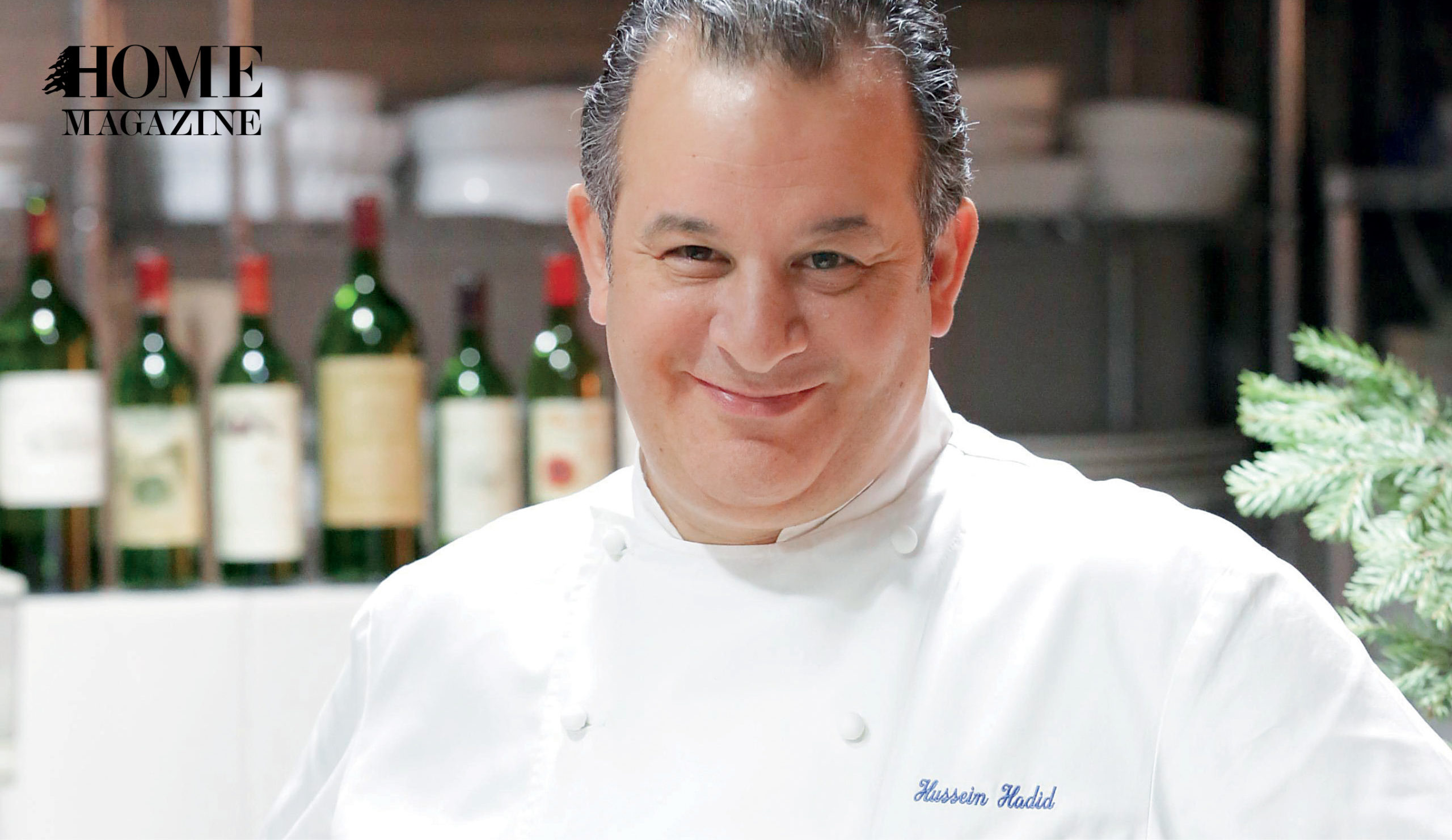
As the owner of Bread Republic, an artisan bakery in Ashrafieh with a retail outlet in Hamra that features a restaurant and wine bar, Atayah wants to offer “a beautiful product,” he said. “I know where to go get it. Look for the stands next to the fields. In some orchards, you can even pick it yourself.”
“I like to see where the apples are from.”
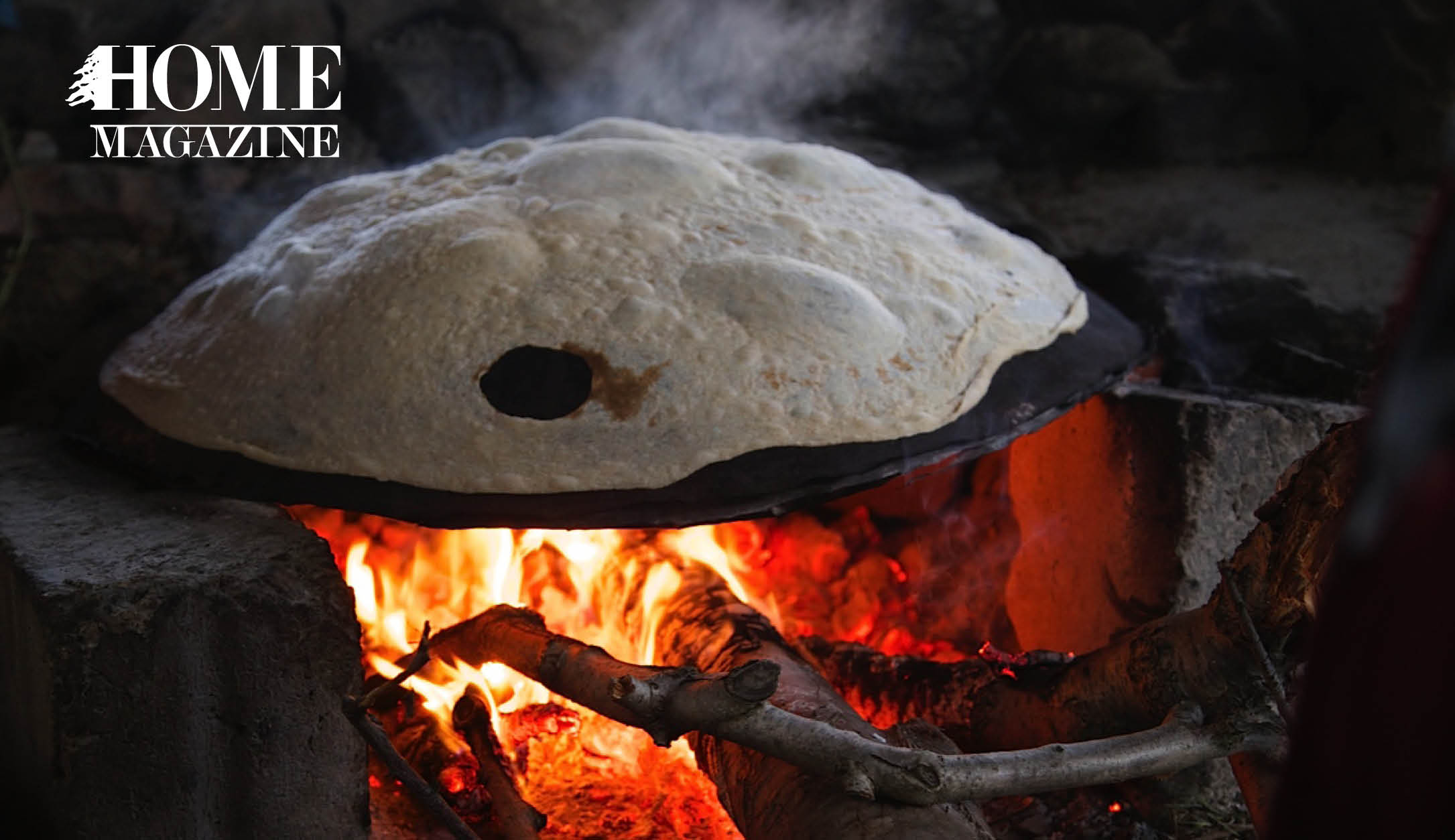
“You can easily find delicious produce, and tasty goat and lamb. On the other hand, 95% of the beef in Lebanon is imported,” he said. “Local goat meat, especially baby goat, is exceptionally tender and juicy when slow cooked in a wood-fire oven.”
“Anyone can go on the weekend and get a two-month supply of delicious produce that lasts, like potatoes or apples,” he said. And while you are there, he encourages you to enjoy the ride. Experience the connection between the land, the food and the consumer first hand.
We all benefit by knowing more about what we are eating. When we buy directly from producers, we can learn if the food is organic, or if it has been modified genetically and dosed in pesticides. We can ensure that the food we choose is safe and nutritious.
Good for the growers
By purchasing directly from the food producers, you support short food chains, clean production and small scale farming, which are good for local economies and create communities that have direct control over their food. “You can be sure your food supply is based on socially just trade,” said Ataya.
“Buying locally is a way to promote sustainable development, the connection between the land, the food and the people.”
You can also feel good because you are protecting local cultures and traditions. Ataya features products from small food producers in his restaurant and bakery, giving recognition to Lebanon’s small food producers. In the Slow Food Movement, “we believe we have the right to preserve our culture and local identities,” said Ataya. and “buying from local farmers is a direct way to do it.” When we appreciate the producers, they will take more pride in their products. It will raise the standards of the food available to us.
Good for the planet
Buying locally is a way to promote sustainable development, asserts Ataya. It promotes bio-diversity by creating a market for locally grown produce that might not exist anywhere else. “Bio-diversity is essential to a healthy food future.”
“Agriculture and food production are closely linked to the environment,” said Ataya. By cutting out the middlemen and purchasing from the producer, we can know if our food was grown in a sustainable manner.
“It’s about maintaining local recipes and traditions.”
Above all, the Slow Food Movement is about developing the connection between the land, the food and the people. “By engaging in the full process, one can really appreciate the food and those who produce it,” said Ataya.
That appreciation will lead to better, safer, and more nutritious food; to strong local economies; stewardship of the environment; and to a just world.


HOMEland THEMES
Coming Soon
HOMEland Events & Collaborations
Coming Soon
 Signature Boutique