Little Reed: A Lebanese HOME to Donkey Therapy
In a Bekaa Valley village, one family turned saj bread and stubborn donkeys into a lifeline for women, children, and quiet healing.

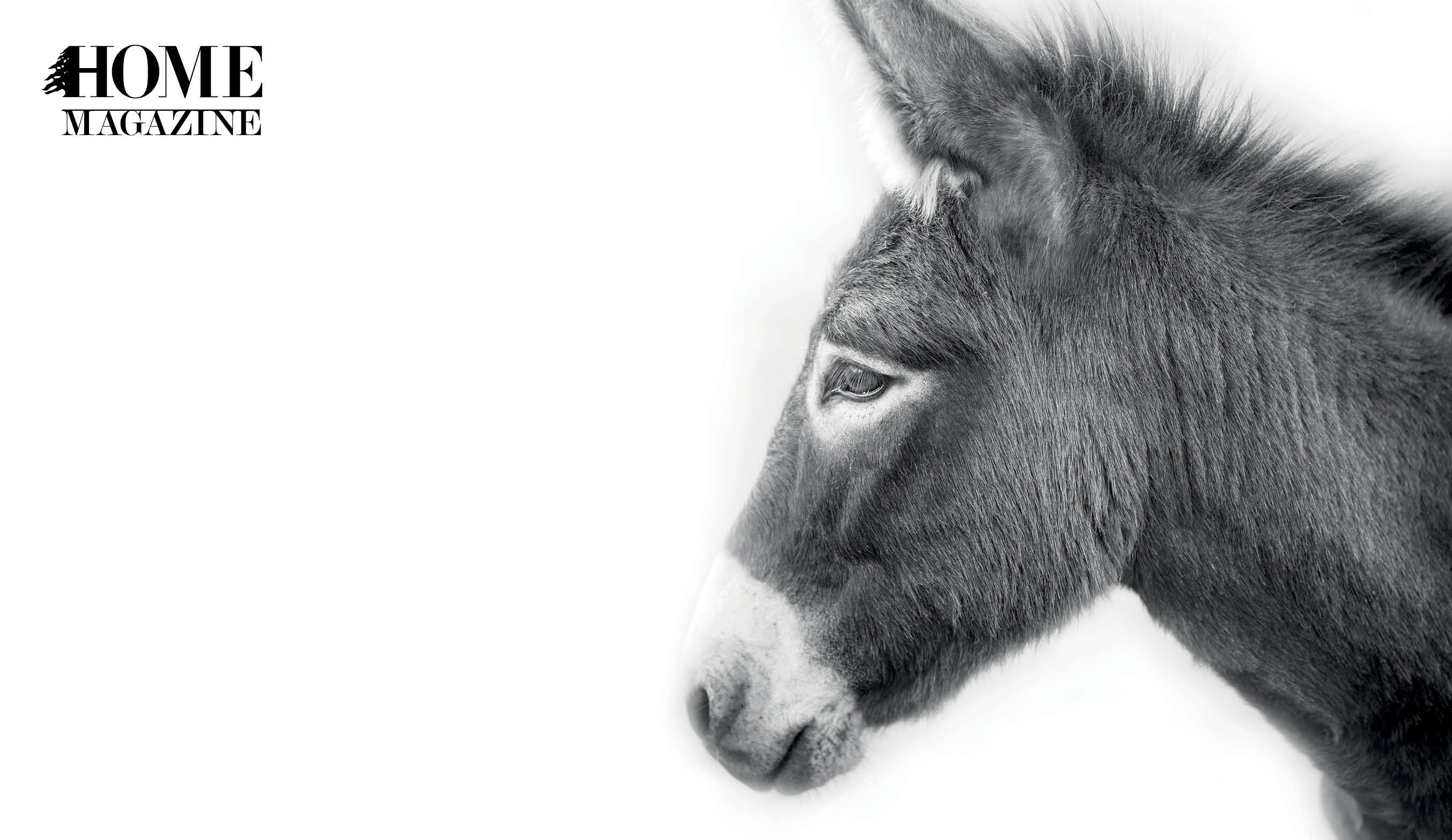
Little Reed and its team of donkey therapists are helping rewire neurology and instill confidence, enhancing the lives of children with learning difficulties and physical disabilities.
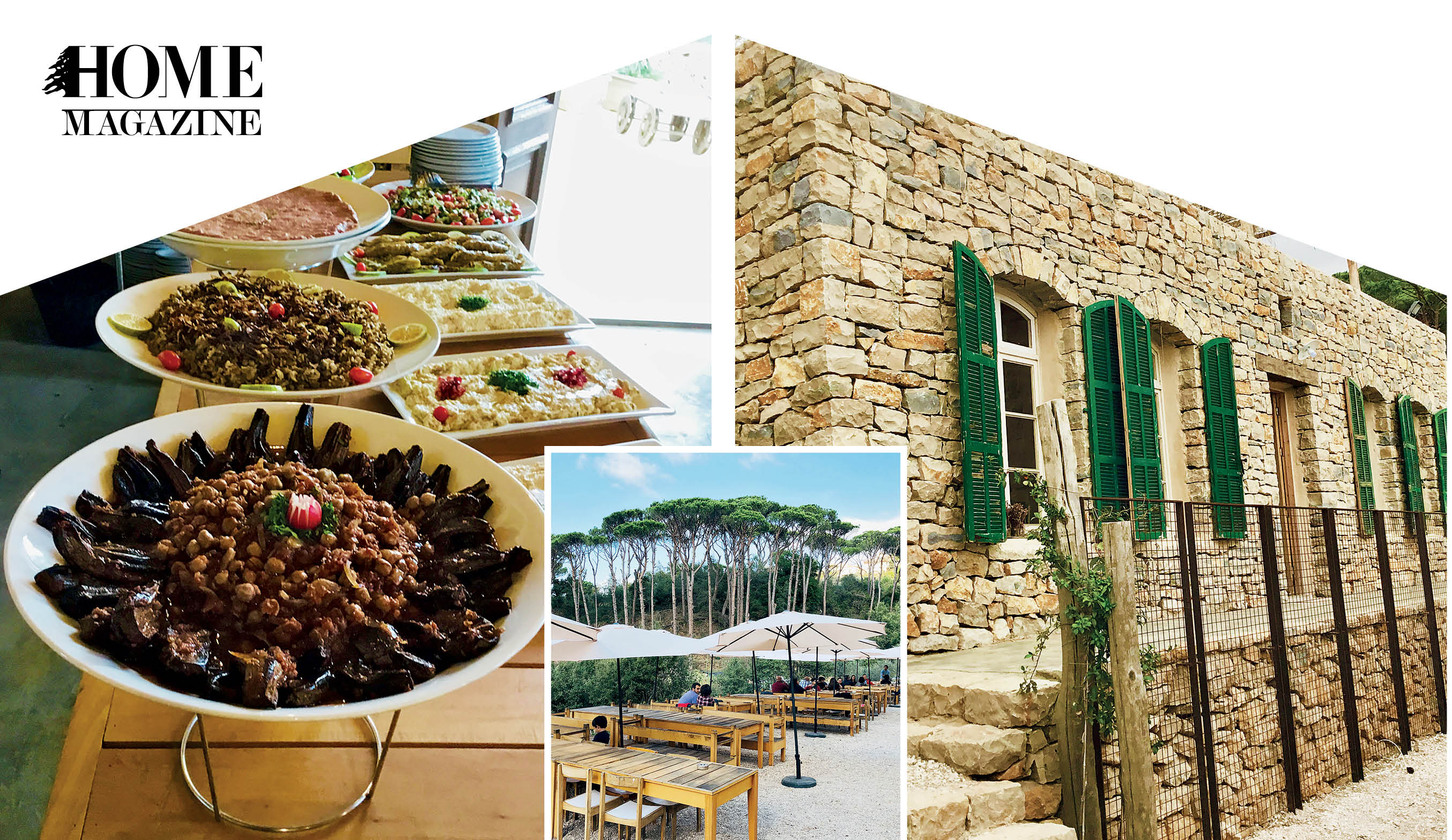
Nested among the pine trees of Qsaybeh, meaning “Little Reed” in Arabic, and named after its tiny village, Little Reed stands on the top of a small hill. The minute visitors step out of their cars their eyes fall on the saj baker. Renee Najib Geagea stands behind a large wooden table on which a basket, holding three glass pots, is placed. Each pot contains a different HOMEmade ingredient: thyme, cheese and kishk (a mix of cracked wheat and yogurt). Geagea cups the dough with her hands, flattens it with her palm, taps it with her fingers, then smears it either with thyme, cheese or kishk before baking it on her scorching saj until golden crispiness.
Geagea recalls: “I always complained when it came to learning how to use the saj and bake manakish. My parents forced me into it, saying it will come in handy during tough days, and indeed it came in handy during the Lebanese Civil War when I had to leave school and flee Barka, my village in the Bekaa Valley. Later I got married and moved to Qsaybeh, my husband’s village. He was a municipality officer, and I had to support him in making a living and paying for the education of our two sons. Today, instead of going around the village gossiping and sipping coffee, Elissa Zeidane Cortas has opened Little Reed’s doors for many women in my village including myself and offered us an opportunity to sustain ourselves and our families, especially in my case, since my husband has recently retired from his job.”
Elissa Zeidane Cortas and her husband Nizar Cortas are standing by the doorstep of Little Reed greeting every visitor. Elissa is holding a camera in her hand, shooting special moments at Little Reed and turning them into lifelong memories. “Welcome HOME,” says Nizar. Guests step inside the stone house only to be greeted by Elissa’s father and grandfather whose pictures hang on the walls. “Elissa’s father paved the way for Little Reed. This area is known as the land of ‘Naba’i,’” continued Nizar. “Amine Zeidane, Elissa’s dad, owned the largest piece of land, while others owned the smaller pieces around it. He also had other plots in different villages nearby. He decided to swap his land with the smaller parcels. His ambition was to possess the 8,500 meters which make up Little Reed today. The owners agreed; it was in their benefit since those lands are closer to the main road.”
Little Reed’s restaurant is composed of a single large room where many wooden tables are set ready to cater to guests. On the left-hand side of the room, a simple bar with a variety of fresh juices awaits its visitors. Jose Cortas, the 13-year-old daughter of Elissa and Nizar, is the bartender: “Our drinks are freshly made: lemonade, blueberry, Araq, water and sparkling water. I am responsible for the bar and for Little Reed’s small boutique where we sell the villagers’ HOMEmade products like thyme, honey, molasses and wine. We also sell our organic produce, such as cucumbers, parsley and radishes.”
“This is originally how our project of Little Reed started,” continued Nizar. “At first, we thought we’d plant our own vegetables thus offering our family healthy food, but slowly our dream developed and we found ourselves creating a restaurant.” On the right-hand side of the room, mouthwatering Lebanese dishes invite people to taste. Rose and Louise Neiameh, Little Reed’s cooks, arrange the shining pots on top of candle flames to keep the food warm. They place the cold dishes and salads on the other side of the L-shaped table. While serving people, they explain; “It is true that we used to cook for our families, but here, we learned to cook for larger numbers while preserving the great taste of HOMEmade foods. Our secret is that we pour our hearts into our recipes, and we cook with passion.”
“You see, the food is simple, just HOMEmade Lebanese food,” adds Nizar. “Hey Mom and Dad! Aren’t we going to take our guests on a farm tour?”
“We also have a farm!” adds 7-year-old Maelle Cortas. “We have two donkeys, one is called Zaytouna and the other Lawza. We have chickens and one rooster. There are also two goats; one is called Labna and the other Toom. We also have two peacocks; the male is named Balloot and the female Balloota!” Yowanna, 9 years old, joins her sister and continues: “Next year new animals are going to join our farm. I love Zaytouna and Lawza and I also like helping Geagea in preparing and baking manakish.”
Elissa Cortas and her 4-year-old son Miguel lead the way to Little Reed’s farm. “The donkey is emotionally intelligent and calm,” said Elissa. “In addition, his size makes him agreeable.
Children come close to him, look him in the eye and greet him in his ear. It’s true that he has two big beautiful eyes, but he can only see sideways.
“It is very easy to build rapport with him, and his unhurried character gives a feeling of security especially to children with disabilities and learning difficulties. Donkeys, or animals in general, don’t judge. They accept people for who they are. Donkeys are also man’s best friend.”
Donkey therapy has spread around Europe and the United States. Children with learning difficulties and with physical disabilities are overcoming their obstacles just by befriending, cuddling, brushing, hugging and riding donkeys.
“This experience can change neurology; the children will know it’s possible to overcome their fear,” said Elissa. “They will realize a confidence that didn’t exist before. The experience with the donkey rewires the brain, so that they are more able to overcome their fears and approach difficult and challenging situations.
“Donkey therapy is widespread in Europe and the United States. In 1974, Dr. Svendsen established the Donkey Sanctuary in the U.K. She pioneered donkey-assisted therapy for children with additional needs. I am currently studying donkey therapy in Italy, and by next year we are hoping that Little Reed will be the first center for this kind of therapy in the Middle East.
“Our two donkeys, Lawza and Zaytouna, were given to us by our friends. Soon our team of donkeys will grow, and it will be an added value to Little Reed and to our community.”
Elissa concludes the tour: “The purpose behind donkey therapy is to help children find means of communication between themselves and the animal. Once they establish that, they will be able to build relationships with others and especially with themselves. Communication is key for every human being. It paves the way to self-confidence, self-esteem and strong relationships which most of us seek nowadays.”
 Signature Boutique