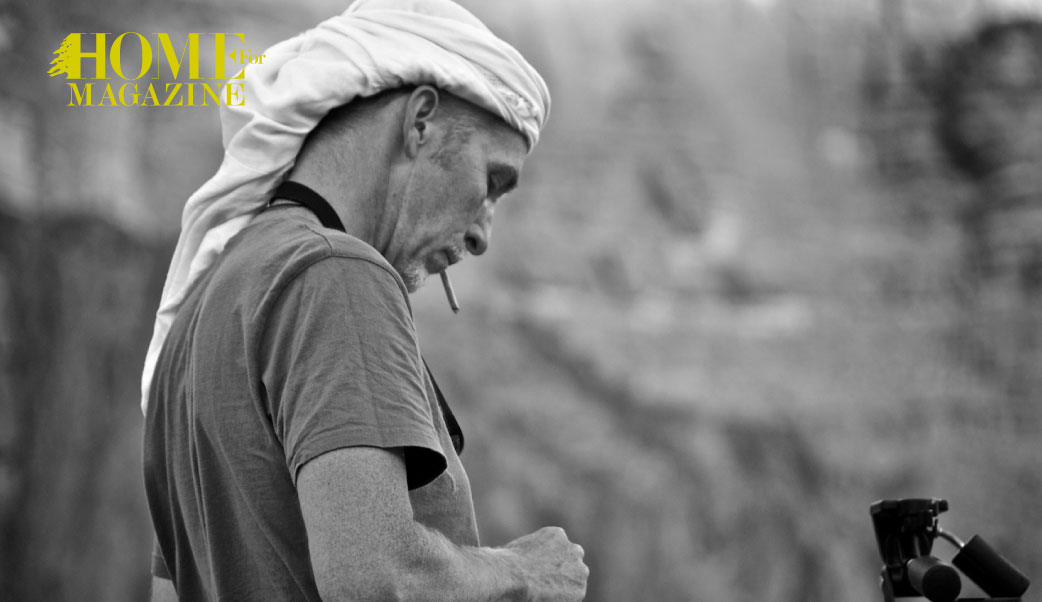
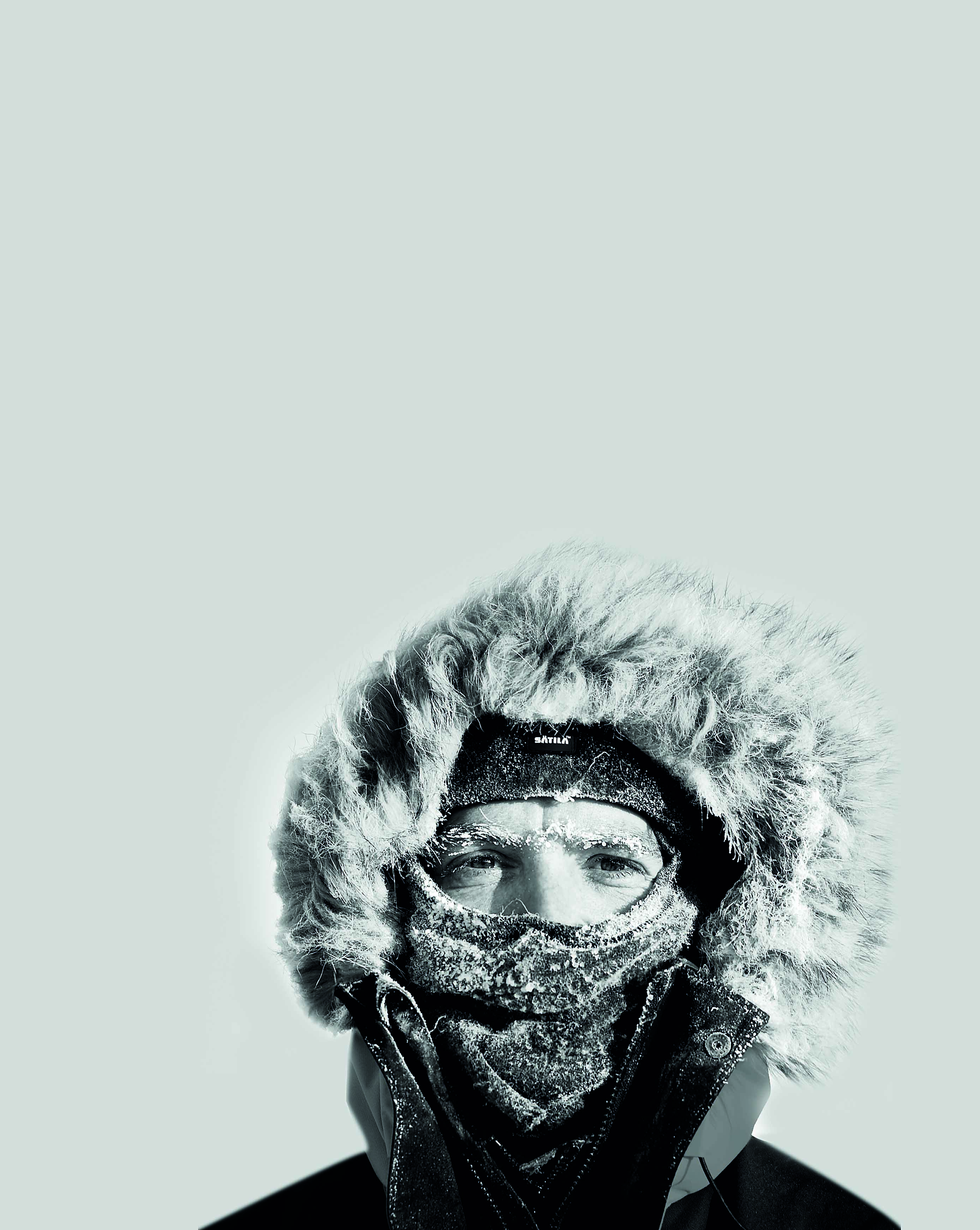
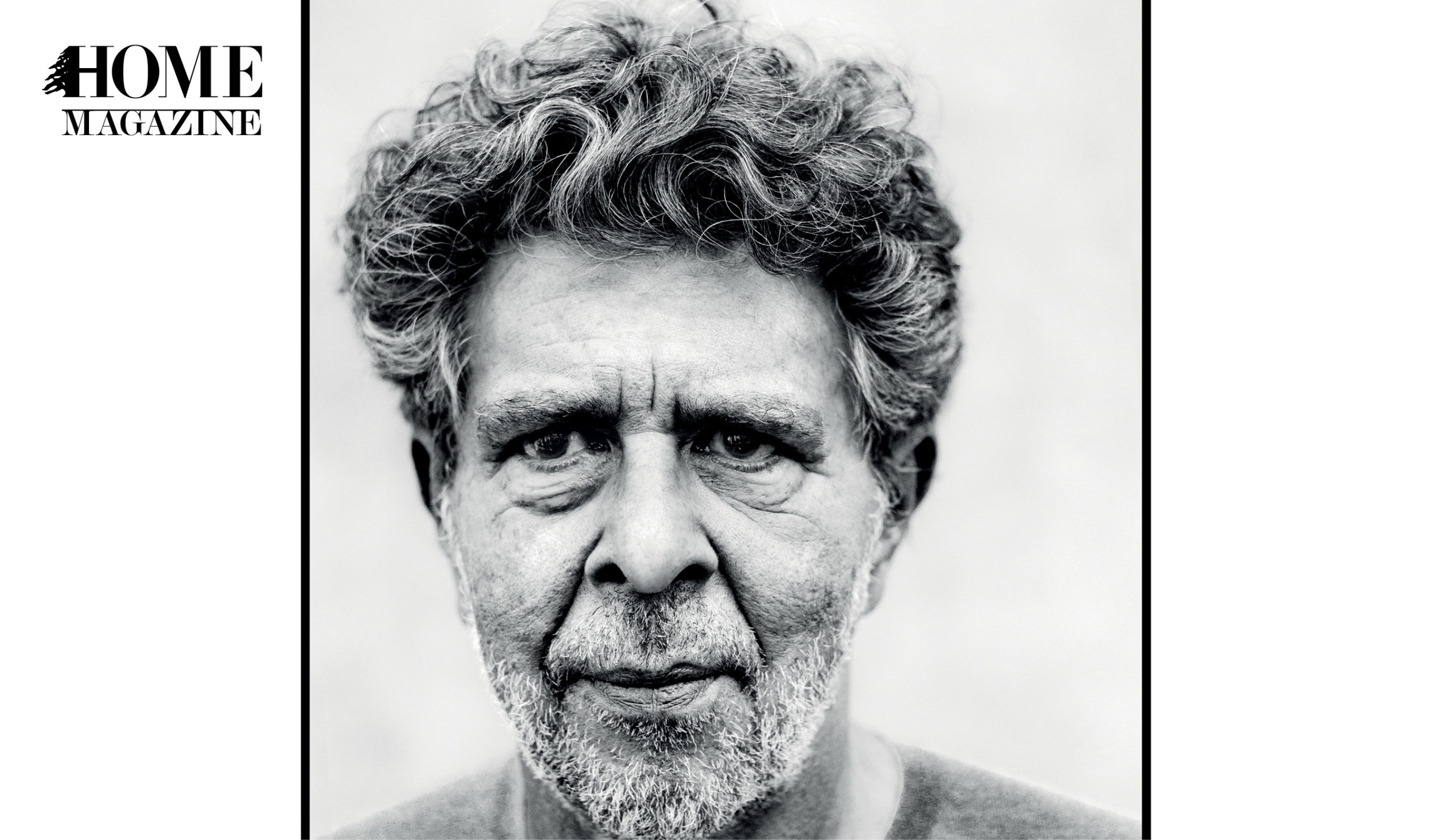
A visual storyteller, photojournalist, and a father; Mark Abouzeid is not only a land explorer who went to the North Pole, Mount Fuji and who lived with the Bedouins in the desert; but also an explorer of culture and of the self.
Abouzeid is inspired by sailing across the seas and across the oceans that separate him from his roots: whether native, existential or spiritual. He is of Lebanese-American origins and although he now lives in the Italian city of Florence he has visited Lebanon several times. Abouzeid, owner of ‘Cedars Productions’, is the director of “Finding My Lebanon”, an award- winning short movie which premiered at the Cannes Film Festival. When HOME asked about “Finding My Lebanon” Mark also pointed out the release of a new longer movie “Growing Cedars in Air”. The latter is based on the Lebanese culture and Mark structured it in the format of “The Prophet”. Abouzeid is the Al Mustafa of the Middle East.
Whether a photojournalist, an investment banker or an internet-information architect, Mark Abouzeid reached high levels of success in all. However bipolar and unusual, one thing linked all three careers together: identity. As an investment banker for ten years, Abouzeid was given tasks of firing people from their jobs and it wasn’t until he had to close a branch and fire 2,000 people personally that he saw the answer in their eyes. He then realized that he was destroying instead of building.
“We used to be inspired by the world. We now fear it. So my goal is to bring back some of this inspiration, some of the enjoyment, and some of the fun,” says Abouzeid.
Did you realize that you were Lebanese growing up?
Well, with a name like Abouzeid you can’t really miss it. But I didn’t really know what that meant. Since my family traveled a lot, we became locals everywhere we went. My father, an AUB graduate, also never spoke to me about Lebanon, so to me it was just some strange culture I did not understand. That being said, I learnt to make hummus at the age of four and ate Lebanese food every Sunday of my life. I also spoke and mingled three languages in the same sentence just as Lebanese do, (English, Italian and French.) So in many ways my family was Lebanese but we didn’t really know it. My biggest indication was when I came across “The Prophet” and at the time, I didn’t know Gibran was Lebanese. Since I found out, I have regarded “The Prophet” as the cultural guide to Lebanon. My true desire to know more about my Lebanese identity was because my last name was the cause of problems, not the cause of joy. So as a photojournalist, I grabbed my camera and I started traveling the Middle East on my own to see what it means to be an Arab.
I found out, as I do everywhere in the world; maybe Arabs do eat differently and dress differently, but in the end they are the same people. And similarly, with time, I started realizing how Lebanese I really was. So I did a project called “My Enemy, My Brother” which portrays Arab cultures as normal cultures. In the end, with proper dialogue and peace-building approaches, an environment of “active humanity” can be nurtured.
What aroused your cultural curiosity?
Since the age of ten months I have been traveling; so I am incredibly adept and I am naturally attuned to the cultural issues and to what make each culture human. When I meet somebody, I see them as a six year old child. And all six year old children are beautiful humans with hopes and dreams. Growing up in a very strong business family; I turned out to be the one that is not judgmental. Practicing the Samurai’s compassion was one of my strong suits. The Samurai’s compassion is basically having a bleeding arm and not doing something about it would kill the body. So you take out your sword, and you cut the arm off. You just solve the problem. In other words, rather than cuddle them, tell them. Sometimes the immediate pain is better than the long term pain you’re going to cause yourself. And I may be a dictator, but I listen.
“When I meet somebody, I see them as a six year old child. And all six year old children are beautiful humans with hopes and dreams”
When you came to Lebanon, what part of the Lebanese culture caught your eye?
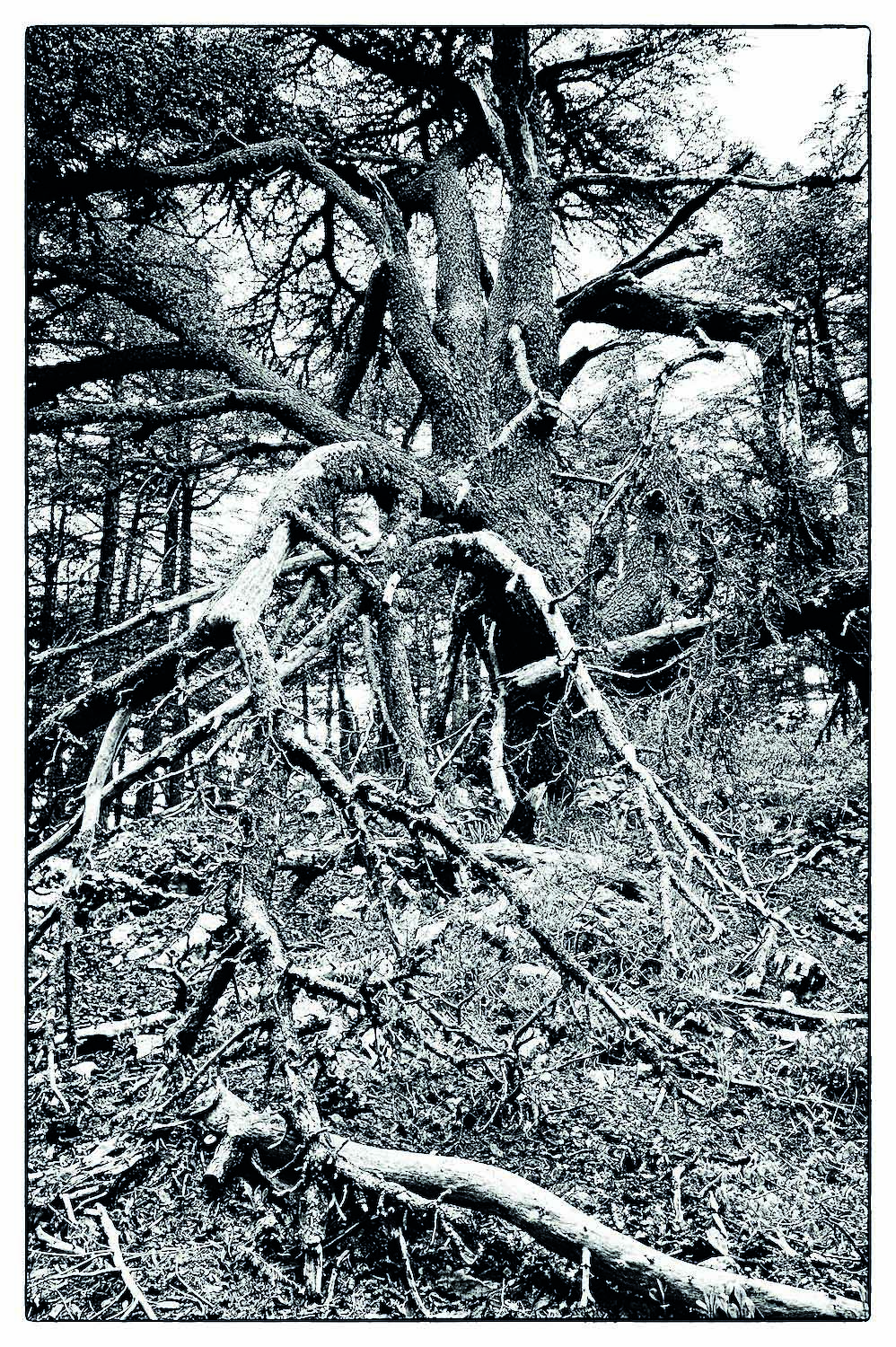
In most countries, the eccentric is someone who is ostracized and kept out of the equation. Lebanon is a country where “the other” is welcome. I have been “the other” my whole life. But Lebanon is a place where you can be “the other.” And I need this. I need a place where you can add 13 different sects of religion and still see each other as brothers.
I think even from the point of view of the diaspora, most people that grew up Lebanese whether in Lebanon or overseas have a piece of Lebanon in their hearts. On another note, I don’t know another country in the world that has a statue for emigrants. Usually emigrants are seen as traitors; people that abandon their country. But only in Lebanon do we seem to understand that they are ambassadors and that this is a part of our culture; there have always been the overseas Lebanese.

Whatever you do you give off a beautiful image. Where did you learn that?
I am not a visual person, I am an experiential person. My eyes are one of my weakest senses. This seems odd because I am a photojournalist and documentarian. But I don’t think the camera records reality. So before I take any picture or any video I close my eyes to sense the experience that I am having. Is it my nose, my ears, or my sense of touch? What is it that defines this moment and this place? My goal is to make the other person feel the experience, not see it. You have to have an experience before you share an experience.
What is the difference between doing and being?
I don’t think they should be separate. Doing is part of being. Every aspect of what I think is reflected in my actions. In a very strange way I am a spiritual person, so I integrate this spirituality in everything I do.
If you were two people: what would the new you tell the old you?
I think the new me would tell the younger one: stop stressing so much, you’re not in control. And then he’d reply; the thing that makes you a nice artist is that you can speak to a banker and an economist that used to write economic reviews and papers. Do not deny that aspect of yourself. It is just as important as the artistic aspect to accomplish what you want to do. I want to learn as much as I can, I want to experience as much as I can, and I want to question. The 25 year old Mark had all the answers of the world. The 54 year old doesn’t have any answers but is finally asking the right questions.
HOMEland THEMES
Coming Soon
HOMEland Events & Collaborations
Coming Soon
 Signature Boutique