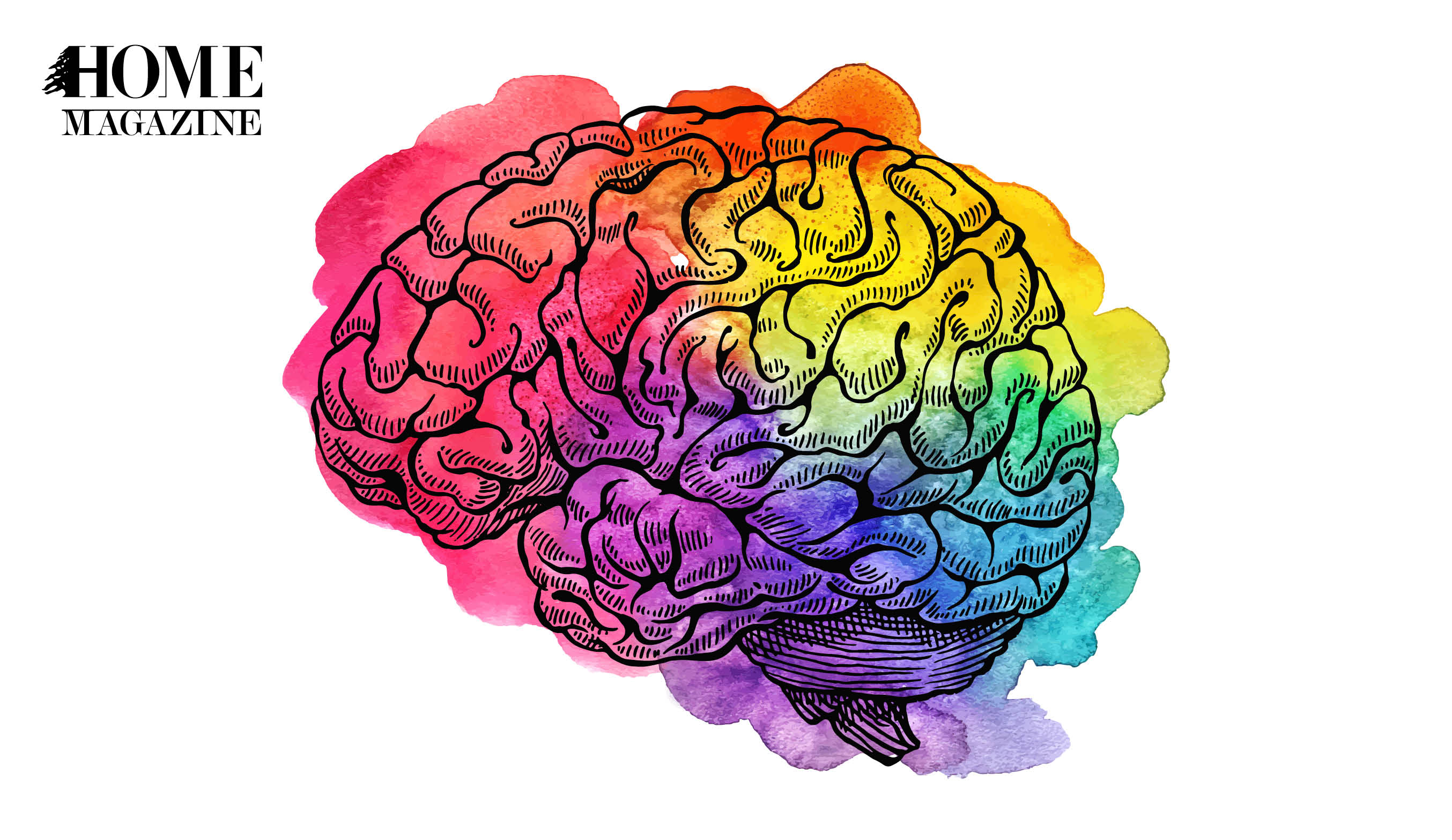
What is psychosomatic medicine?
Have you ever wondered why you get an upset “knotted” stomach when you’re anxious? Or why no doctor, no scan and no lab tests have ever been able to explain the back pain you’re having? Or why your body aches in more places than you can count despite nothing showing on your workups?
These are just a few examples of psychosomatic symptoms. The term is self-explanatory, deriving from “psyche” (mind) and “soma”(body). Not only is your brain your most powerful organ, but we now know that the mind-body connection plays a role in most illnesses.
Take the case of Sami. A retired lawyer at 74, and grandfather to three grandchildren, Sami slipped and broke his left hip. Up until then he had led a somewhat healthy life, with the exception of the occasional cold and a couple of heart medications he took religiously every morning. Most of all, he still played chess with the same group of friends every Wednesday, averaged a new book read every week and looked forward to the Saturday family gatherings to play with his grandchildren. Admitted for his hip fracture, his operation went seemingly well. The next morning however, his family came in and noted he was different. He seemed to be unaware he was in a hospital, and most alarming to them, he did not recognize them. He was guarded, suspicious and demanded to leave. He was dozing on and off. The nurse reported that he had not slept all night, but that it was “common for people his age to become delirious after such operations.” Delirium is in fact a common state that affects vulnerable, older brains when they’ve been subject to physical stressors such as prolonged sedation, pain and pain medications, changes in their habits and environment, and more. But as much as it was common, this was new, disheartening and scary to his family who insisted he is the sharpest man they’ve met.
The psychiatry consultation specialist was called and Sami’s delirium was treated accordingly. It cleared over the following days and he returned HOME. However, the next few months were difficult. Despite friends and family telling him fractures were common and he would be back to his routine in no time, things were slower than expected. He had become increasingly frustrated with his slow recovery. He was no longer able to be completely independent; he could not drive to his chess gatherings and had trouble playing with his grandchildren. His family noted he had lost his appetite and a lot of weight and was quieter, at times caught staring looking tearful. This went on for a few months until his physician referred him to a psychiatrist, who diagnosed him with depression.
In Sami’s case, as in most cases, physical illness may impact the brain function, but the opposite was true as well. His mental state effected the course of his recovery.
Often people try to focus on separating the physical aspect of an illness and the psychological part, as if they are two separate entities. Science, in fact, is not that simple. Our bodies are much more complex. In reality, it is because of the way these two components influence each other that a person’s experience of illness changes.
This is actually the main fulcrum around which psychosomatic medicine centers: the way a patient experiences an illness, the way they physically and mentally react to a medical diagnosis or the state of their mental well-being, changes the course of their disease.

Other cases are more challenging.
To any outsider, Rana’s life was picture-perfect. A working mother of two with a supportive husband, she seemed to have little to complain about. She was climbing up the ranks faster than expected at the bank where she worked. Her family was in good health. Life seemed to be going well. Last November, what started as a viral upper respiratory tract infection began a series of events that landed Rana in the emergency room two months later for mutism.
She could no longer speak, her husband reported. “It started with a cold and sore throat,” was how he would describe it to every physician he met. It really did. During the first episode, with a viral infection, her voice had turned hoarse and then had gotten worse until she was urged to rest her vocal cords for a day and call in sick. Although she recovered quickly, and was back at her baseline, symptoms recurred two weeks later. This time, there was no sore throat or cold. She simply could no longer produce a sound despite attempting to speak. A laryngeal specialist ruled out any organic or structural cause. She called in sick again, rested and was back at work the next day, functioning normally. These episodes were brief but had become more frequent over the next few weeks, sometimes occurring for several hours in the same day. This went on until she landed in the emergency room and was later referred to a psychiatrist. As her story unfolded, symptoms seemed to start after altercations with her family or her coworkers. She seemed to have been struggling with undiagnosed anxiety since college. Her symptoms were very much real.
There are many similar cases. The young boy who couldn’t walk overnight; the young girl with “spells” that looked like seizures but were not; the woman whose joints hurt so much she was no longer functional. The biggest misconception is that if your scans and tests are normal, if there are no structural changes observed to explain your symptoms, if “it’s all in your head,” then you must be faking it. The connotation is dismissive and this stigma worsens the presentation as it goes untreated. The brain, as mentioned above, is a powerful organ. Bones, if injured, break and cause pain. The brain and the entire nervous system, if injured, cause a spectrum of symptoms just as serious.
Psychosomatic medicine is the newest specialty to be certified in psychiatry and despite the many name changes— most recently called consultation-liaison psychiatry—it is in essence addressing the interface between medical and psychological symptoms.
On one hand, it deals with psychiatric presentations in patients that do have primary medical illnesses, where the pathophysiology is closely related to the medical illness. This can be seen in delirium, in traumatic brain injuries, in patients that have a cancer diagnosis, in epilepsy, in transplant patients, in patients taking medications like steroids and many more situations. As such, the treatment differs from the general psychiatric population and a psychosomatic specialist is needed.
On the other hand, it also addresses symptoms in patients with no primary medical finding but multiple bodily complaints: irritable bowel syndrome, chronic pain syndromes and fibromyalgia. Although we don’t have exact numbers, we know clinically that with the cultural stigma surrounding mental health in general, we are a very somatically focused population.
In a nutshell, psychosomatic medicine seems to be part of every illness experience, especially chronic illnesses, heart diseases, diabetes, cancer, strokes, asthma, other respiratory illnesses and gastrointestinal diseases.
So when do you see a specialist?
When the illness becomes overwhelming. These patients are more likely to experience helplessness, hopelessness, drastic weight changes, mood changes, irritability and personality changes, mental clouding and distractibility. When the mental component becomes disabling, so much so that it impedes your medical treatment, your quality of life and your everyday functioning unravel. A psychosomatic specialist will work closely with you, your primary care physician and your caregivers to include a psychosomatic care plan in your overall treatment.



HOMEland THEMES
Coming Soon
HOMEland Events & Collaborations
Coming Soon
 Signature Boutique