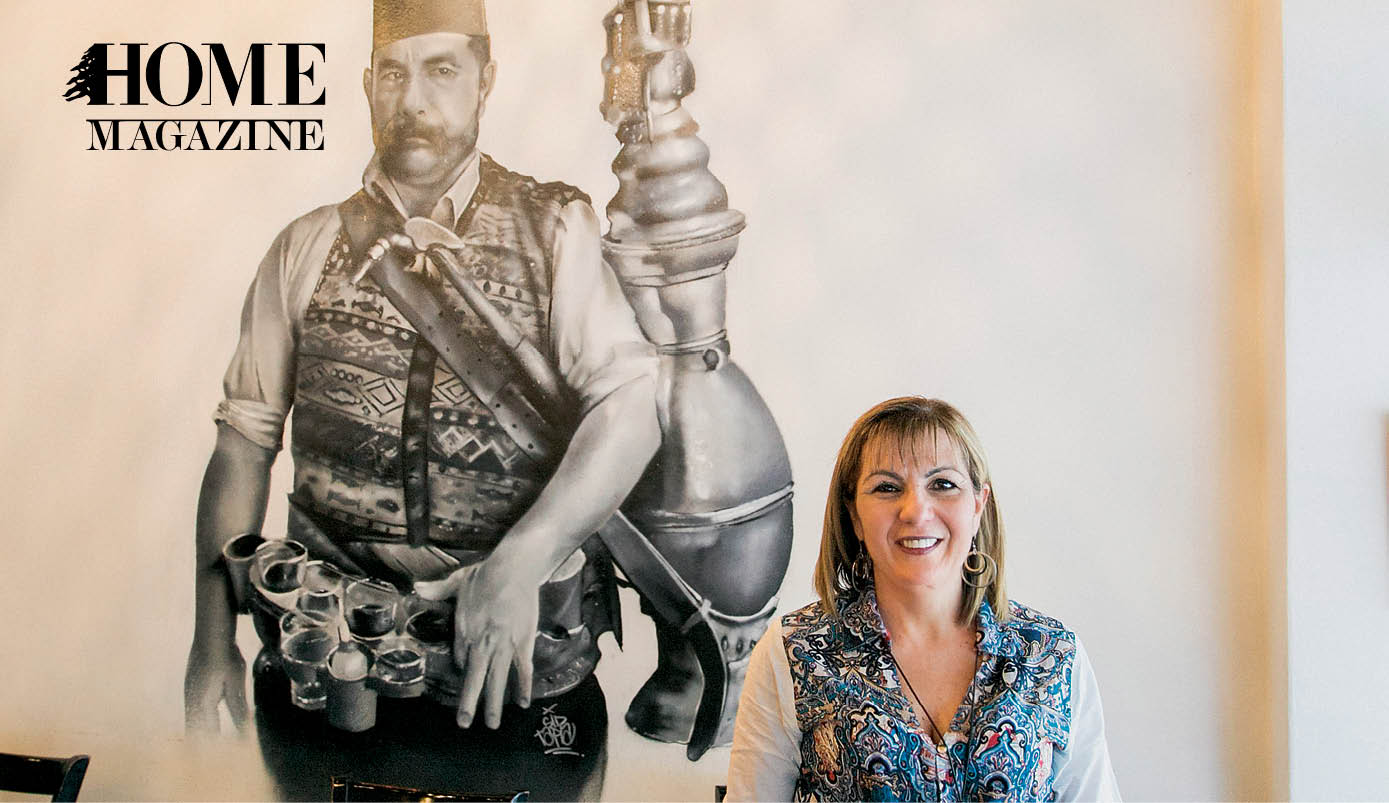
Although she never stepped foot in a culinary school, Nancy Abirached Zarzur is gaining a reputation in greater Sydney as an excellent chef.
In 2004, Zarzur and her husband, Raffic Faraj, bought a run-down Lebanese restaurant in Sydney’s eastern suburb of Randwick as a short-term investment. Now, 14 years later, with no end in sight, Lebanon & Beyond has developed into a restaurant recognized for delicious food. It has become Zarzur’s lifelong passion.
How did you end up in Australia?
I grew up in Cali, Colombia, with Lebanese parents who had migrated there at a young age. At 18, I traveled to Lebanon to study at the American University of Beirut. Instead of focusing on my studies, I found myself in love and married in a matter of months.
At the time, Lebanon was in war. My husband and I decided we would live in Australia, where his brothers lived. It offered a secure future for our family.
Tell us about your family.
We have four gorgeous, incredibly talented kids. My eldest son is a dentist, with his own private clinic in Sydney. My eldest daughter is a successful pharmacist. My second daughter is a criminal lawyer, working as a prosecutor, and my youngest son is still in high school.
How did you become a chef?
Even though cooking wasn’t something I ever thought I’d end up doing professionally, it has long been something I love. Then we bought this restaurant. I thought I’d be a doctor or a lawyer.
Are you ever surprised that the professional culinary world is predominantly male dominated?
I don’t believe cooking is gender specific. I know equally as many women as men who are amazing in the kitchen. Perhaps women just haven’t been publicized as much.
Who runs your kitchen and designs the dishes?
I run the kitchen every day. I have been designing the dishes for the past 12 years. I try to make each one as authentic and delicious as possible.
Describe your kitchen.
My kitchen is like a dictionary; everything there has meaning and purpose. It is very organized, but overstocked, and always immaculately clean.
What is missing from your kitchen?
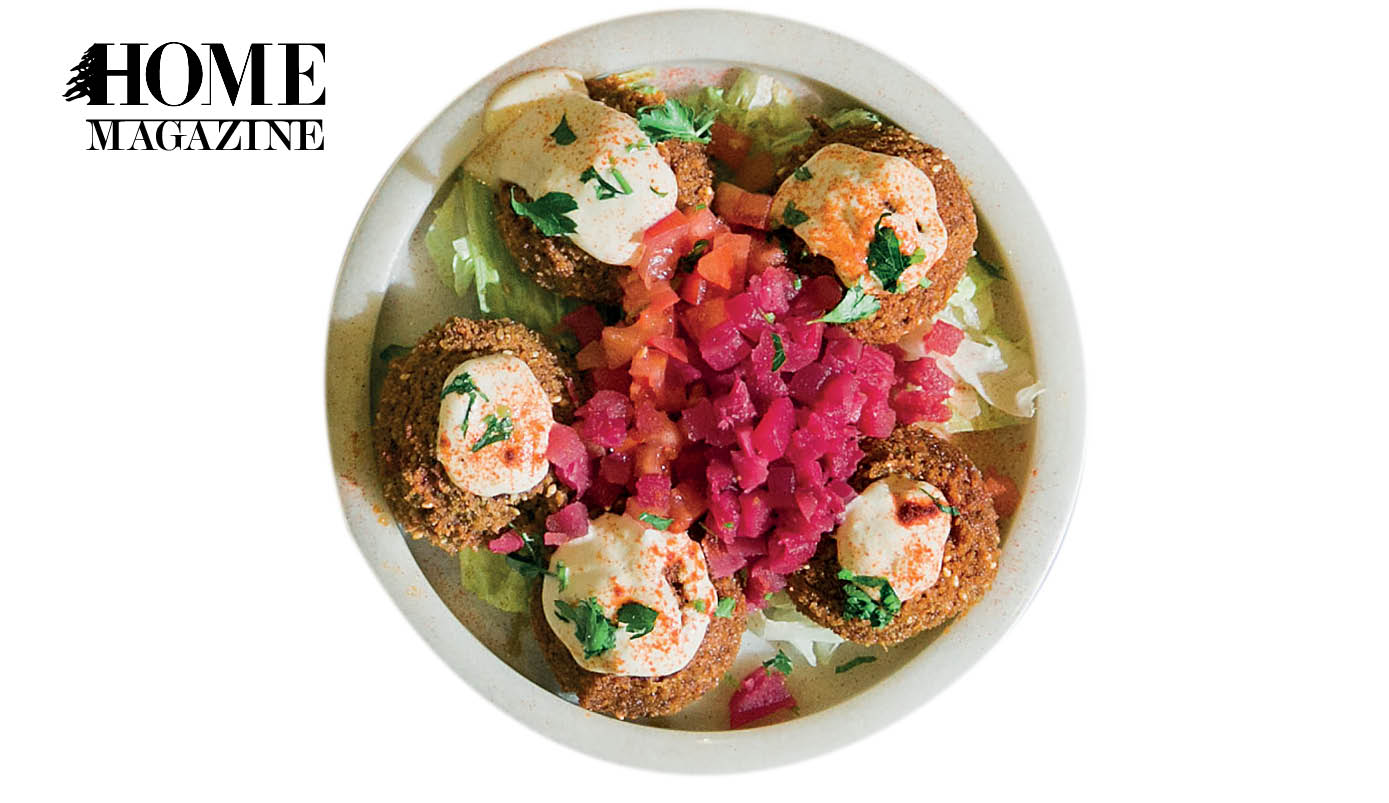
Space — a kitchen can never have too much space. Also, a little veggie patch so I can have instant access to fresh organic herbs. And a supersized pot. I hate having to split the food into different pots when cooking for 10 or more people.
What should not be in the kitchen?
A dishwasher — that’s the biggest waste of space. I always end up washing the dishes before and after. Another is processed foods. I don’t like feeding my family preservatives. And too many desserts is a problem. I have a huge sweet tooth and always eat them all.
If you had to choose one single key ingredient to keep in your kitchen, what would it be?
Garlic. It’s the one ingredient that makes anything taste better.
What was the first dish you ever made?
My first dish was a complete failure. When I got married, I couldn’t fry an egg. Eager to impress my husband, I asked his sisters to teach me. I spent days practicing. My first successful dish was baked kibbe. I still recall pulling out the tray from the oven and it having the perfect taste and consistency. I was delighted!
How do you create a new dish?
Before I cook any dish, I create it in my mind. This is key. A great chef is one who can create flavors in her mind and find these flavors through the art of cooking.
What’s your favorite dish from childhood?
My grandmother’s “shish barak,” dough stuffed with minced meat, cooked in a yogurt sauce. It’s a recipe I inherited and love cooking.
What dish would you like to be remembered by?
My three-milk dessert — a traditional South American dessert to which I add condensed milk, evaporated milk and cream to make the most divine pudding.
Have you ever refused to make a dish?
I am happy to make requests, but if people ask me to add an ingredient I know will ruin the flavor, I politely refuse. I don’t want my name attached to something I don’t believe in.
What’s new in culinary trends?
People are becoming more health conscious, so future kitchens must definitely create dishes with superfoods.
What cuisines do you like best?
Lebanese cuisine is by far the best in the world, hands down. We have such an array of flavors and ingredients. It is incredibly well balanced.
When you sleep, do you dream about cooking?
When a big function is coming up, I will dream of getting everything done. I wake up to realize I’ll have to do it all again in reality. Once, when I couldn’t get the consistency of one of my soups right, I dreamed of how to fix it. When I tried it, it worked perfectly!
Do you cook at HOME?
When I need to relax, I often order takeout. One of the advantages of living in such a multicultural country is you are spoiled with many excellent food choices.
Have you considered opening a second restaurant?
People ask this all the time. It’s a decision I can’t take too quickly or lightly. I must study how to balance my personal and work life to keep me from becoming a real workaholic.
Do you have hobbies?
When I’m not cooking, I write poetry, knit and make sculptures. I also travel at every opportunity.
Let’s end this interview with a good dessert. Which Lebanese dessert is your favorite?
Give me a well-made “halawet el jibn” anytime. (Halawet el jibn is a dessert of sweet cheese rolls stuffed with clotted cream.) This, I believe, is the most spectacular Lebanese dessert ever created — simple and delicious.
For more info:
http://lebanonandbeyond.com.au/
https://www.tripadvisor.com/Restaurant_Review-g261627-d756380-Reviews-Lebanon_Beyond-Randwick_Greater_Sydney_New_South_Wales.html

HOMEland THEMES
Coming Soon
HOMEland Events & Collaborations
Coming Soon
 Signature Boutique