The Three Brothers: Lebanese Gin Pioneers
Two brothers turned grief into craft, distilling Lebanon's first gin as a living tribute to the brother they lost.


Lebanon’s rich botanical variety makes it an ideal candidate for gin production. However, the Lebanese were apparently the last to know it. Anyone thirsty for a sip could only quench their craving with imported gin. In a wise entrepreneurial move, The Three Brothers spearheaded the first wave of locally-produced gin, distilling and macerating their artisanal product with love — among other ingredients.
With a combined 33 years of bartending experience, brothers Ralph and Andre Malak kickstarted the concept together. “This is a tribute to our departed brother Alain,” says Ralph Malak. Lifting his sleeve, he reveals the brand’s logo tattooed on his forearm, symbolic of a brotherly love so strong that it alchemizes Alain’s absence into an almost palpable presence.
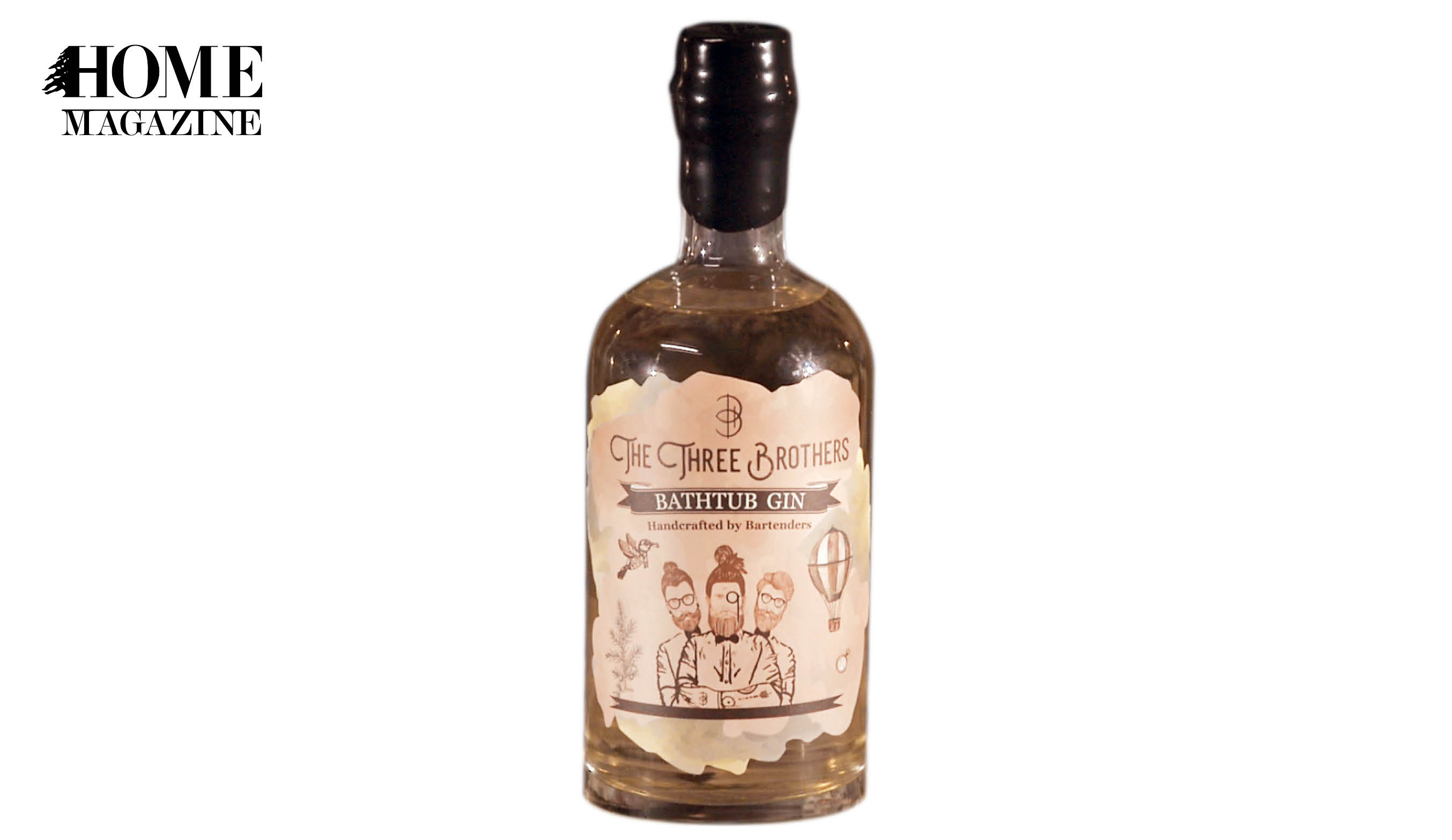
In contrast with standalone spirits like whiskey, cognac and brandy, gin doesn’t enjoy the luxury of being served straight or “on the rocks.” Instead, gin provides the base for countless cocktails, such as the Martini, Singapore Sling, Vesper, Negroni or the classic Gin & Tonic. As longtime mixologists, the Malak brothers wanted to test this widely-accepted truth. They challenged themselves to produce a gin so flavorful that it could be served solo.
During the Prohibition Era, alcohol had been outlawed across the U.S. Needless to say, the ban did little to relieve anyone’s thirst. Instead, the black market became busy with outlaws who responded to demand with ingenious methods to circumvent the law. Legend has it that, during those days, gin was diluted in bathtubs within private HOMEs. This covert activity rather poetically became known as “moonshining,” since the illegal liquids were often distilled beneath the moonlight.
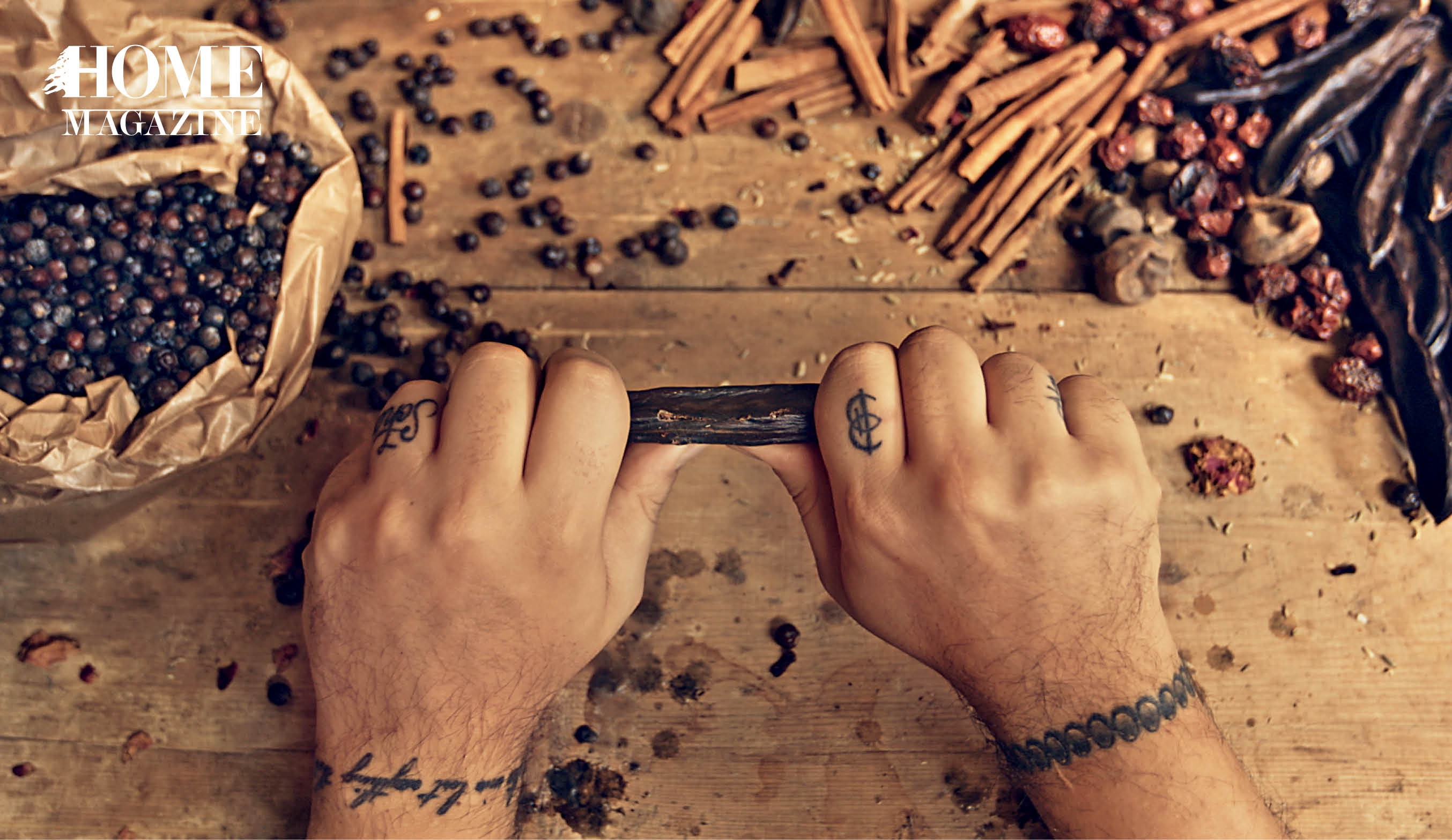
As an ode to gin-making of centuries past, the brothers set out to revive alcohol-production practices common during that era. Commercial gin is achieved through the process of distillation. The Three Brothers take it further, enhancing distilled gin through maceration and infusion, two production steps inherited from the Prohibition days. Wanting to capture the ingenuity of that bygone era, The Three Brothers launched a craft distillery that seeks to celebrate the complex and unique flavors that only a fine gin can create.
“A global interest in craft distilleries spiked about ten years ago,” says Malak. “Back in the day, the alcohol would be very low quality. It was sort of lawless so bootleggers used ingredients like turpentine and oil. Now, things have improved and the quality is produced at an ultra-premium level.”
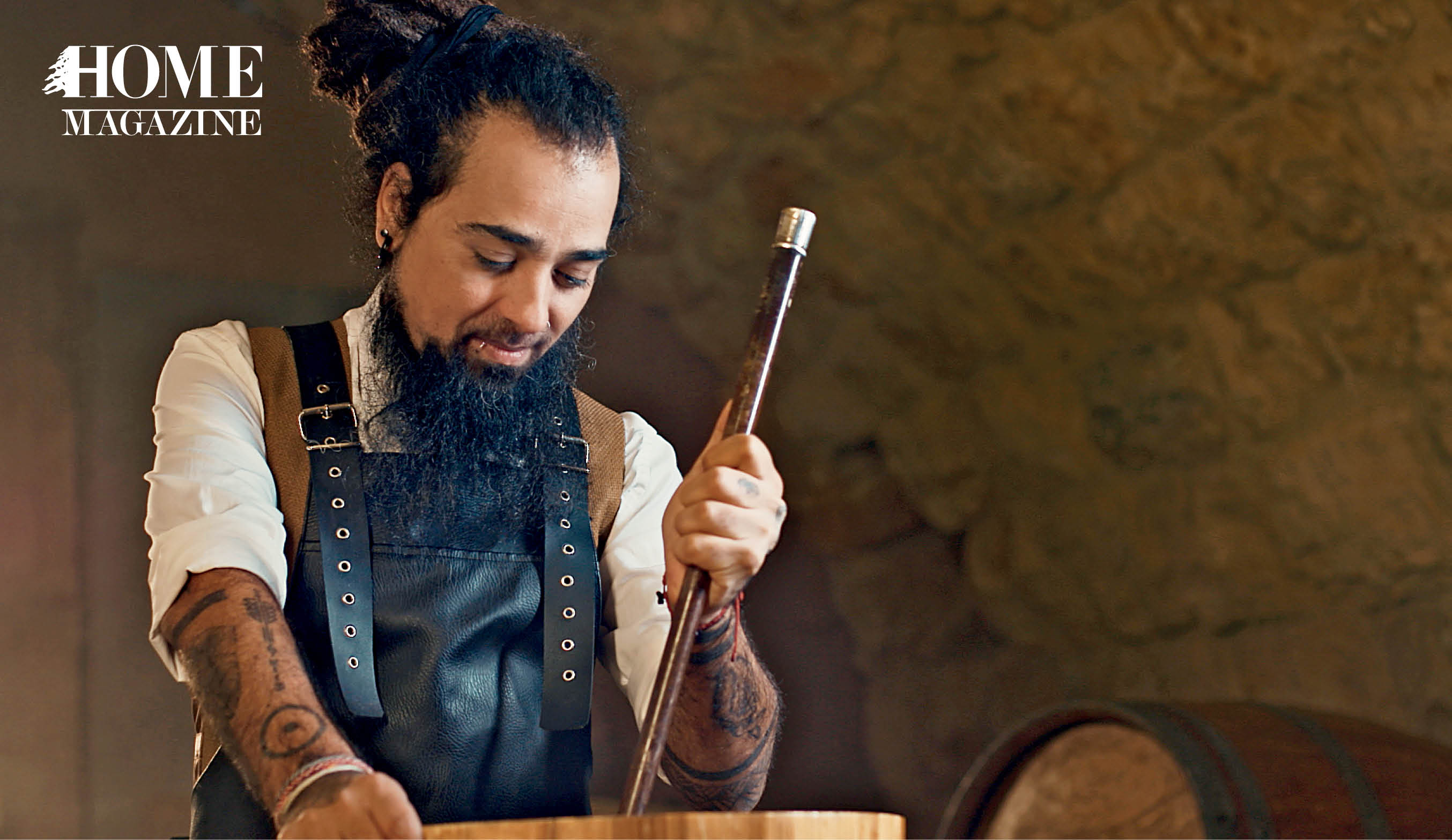
Gin is a versatile spirit and Lebanon has a rich repertoire of botanicals to throw into the mix. While juniper berries provide the fundamental base— without which gin ceases to be gin—the remaining ingredients invite creativity as there is no hard and fast rule on how to produce this liquor. Malak saw potential in Lebanon’s still untapped reserve of this fruit. Based in Byblos, the distillery only gathers its ingredients from local farmers. “We have created work for people in different areas,” says Malak. “The demand in berries has provided new jobs.”
So, how is the gin produced? A neutral spirit or alcohol, such as Vodka, is combined with juniper berries and carob, both of which are considered the essential botanicals. Twenty-one tongue-tantalizing botanicals such as lavender, rose, cinnamon, pine bark, and grapefruit peel join the melange. All the herbs (except for cinnamon) derive from Lebanese flora. Forty-eight hours later, this concoction of tastes and smells undergoes distillation to produce gin. The brothers lyrically describe the flavor, or taste note, as a “full-bodied, dry and crisp aromatic adventure which vanishes into a long, dry and floral finish.” I have a sip and taste a spicy touch of cinnamon. “Each person’s taste buds pick up on different flavors,” he says.
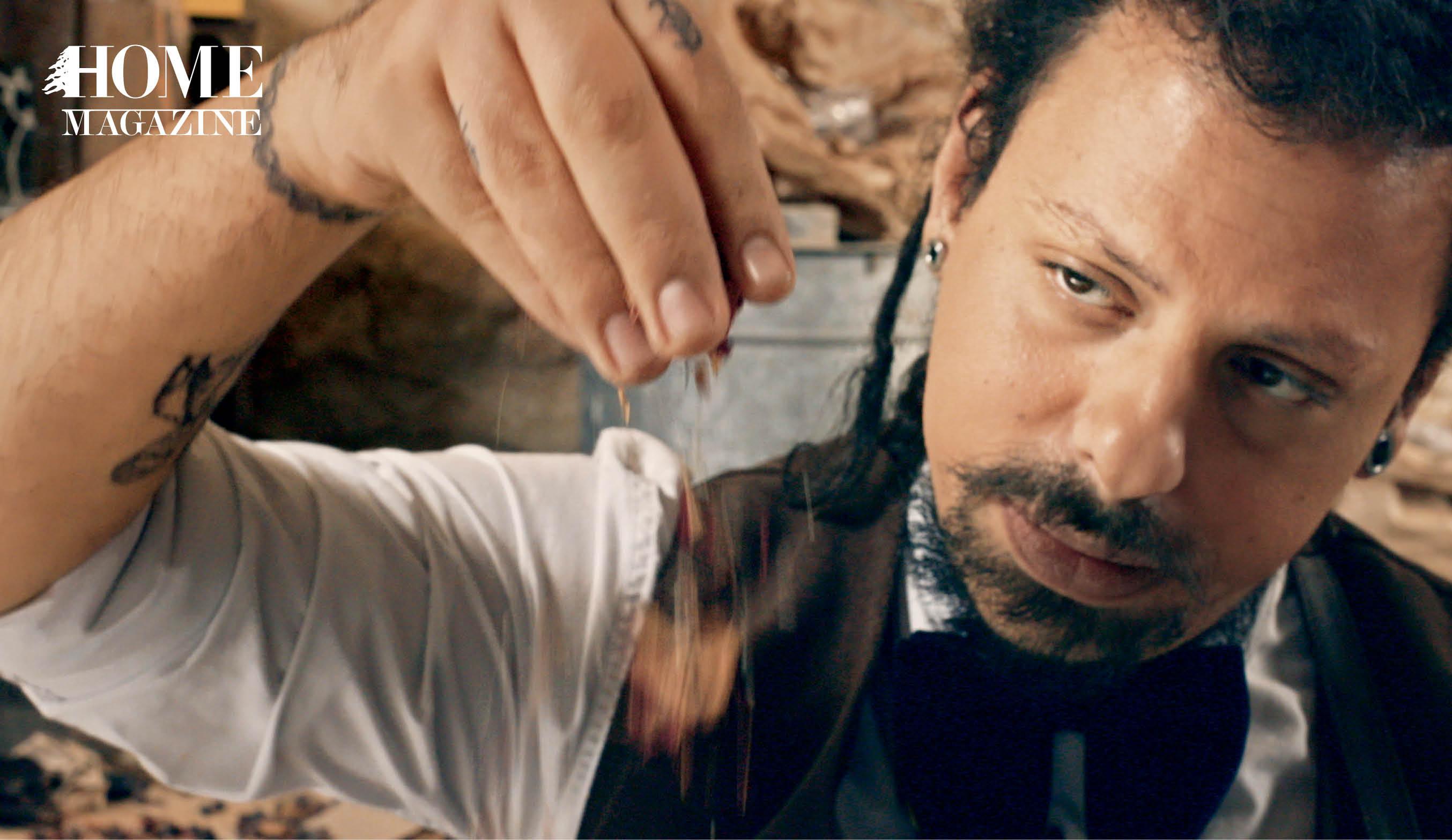
“Each bottle is handmade from A to Z,” says Malak. “Everything from the stickers decorating the bottle to the wax sealing it shut has been done by hand.” Every batch contains 22,000 bottles, to commemorate Alain’s 22 years of age when he passed.
At first, the gin was only meant to be enjoyed by friends and customers at a select few bars. As demand increased and a following started forming around their creation, the brothers transformed their invention into a brand. Still, the product itself remains true to its foundations: a humble spirit crafted using locally sourced, high-quality ingredients. At present time, their bottles stock the shelves of more than 30 liquor stores and 40 bars nationwide.
Despite being a frequent traveler, Malak does not entertain fantasies of leaving Lebanon anytime soon. On the contrary, he has nothing but words of encouragement for those on the fence about staying: “I see a lot of opportunities in Lebanon, but for those who really want to work. We have a lot of missing things here that aren’t being filled,” says Malak.
During the holiday season, a portion of The Three Brother bottle sales was given directly to charity and a Christmas fundraising dinner sponsoring the HOMEless elderly population, through efforts led by The Alain Malak Foundation.

 Signature Boutique